
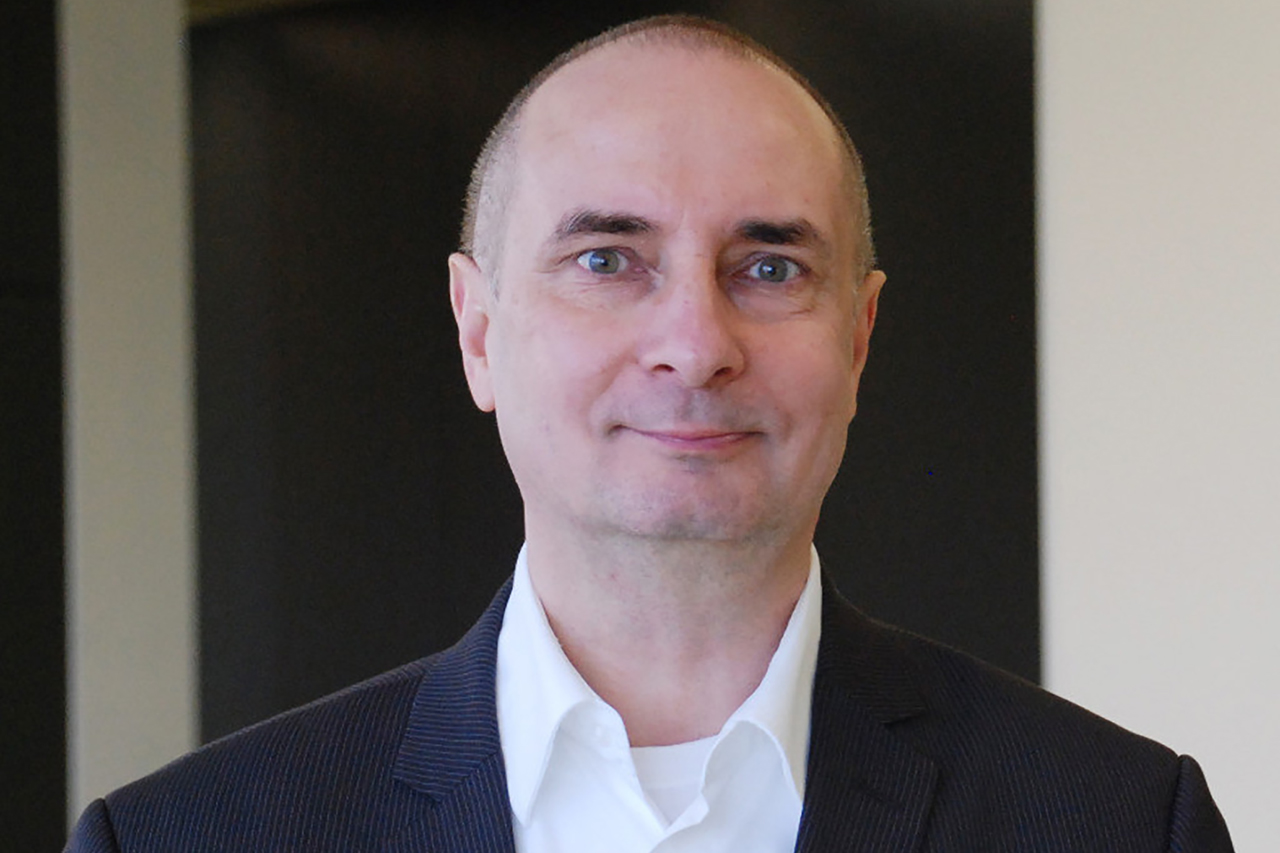
Prof. Dr.-Ing. Detlef Riemer
Institute
TPMB | Institute for Technology and Production in Mechanical Engineering
Contact
Room: NI334
Phone: +49 (0)341 3076 4116
Send e-mail | detlef(dot)riemer(at)htwk-leipzig.de
Research
- Mechatronics and control technology
- Worm-like linear drive principle
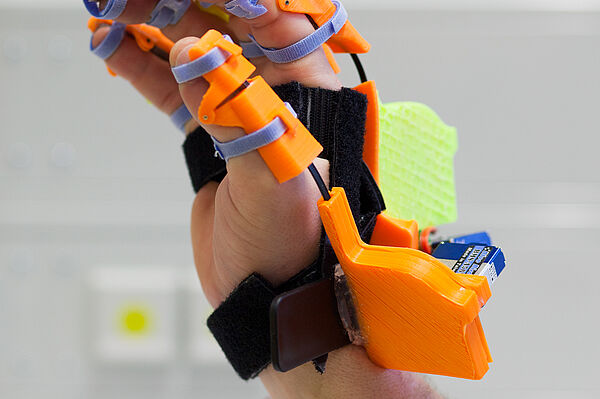
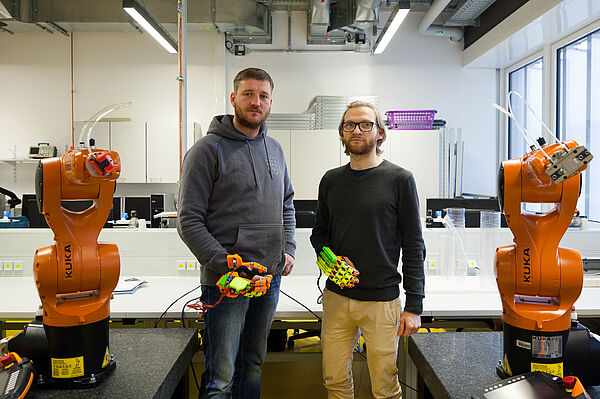
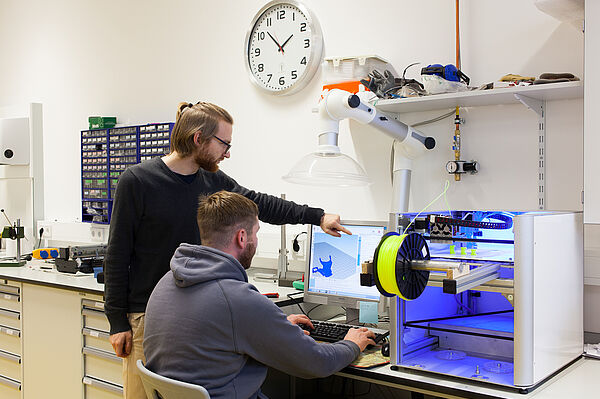
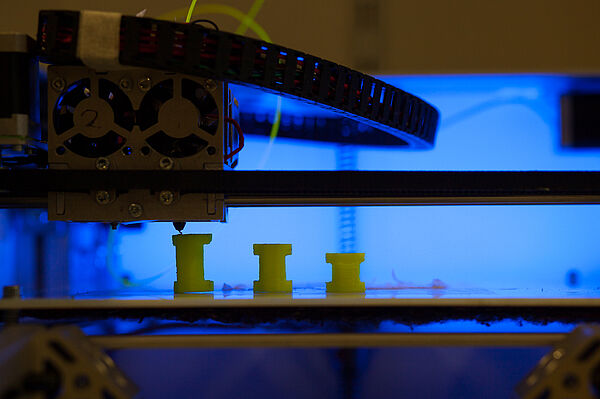
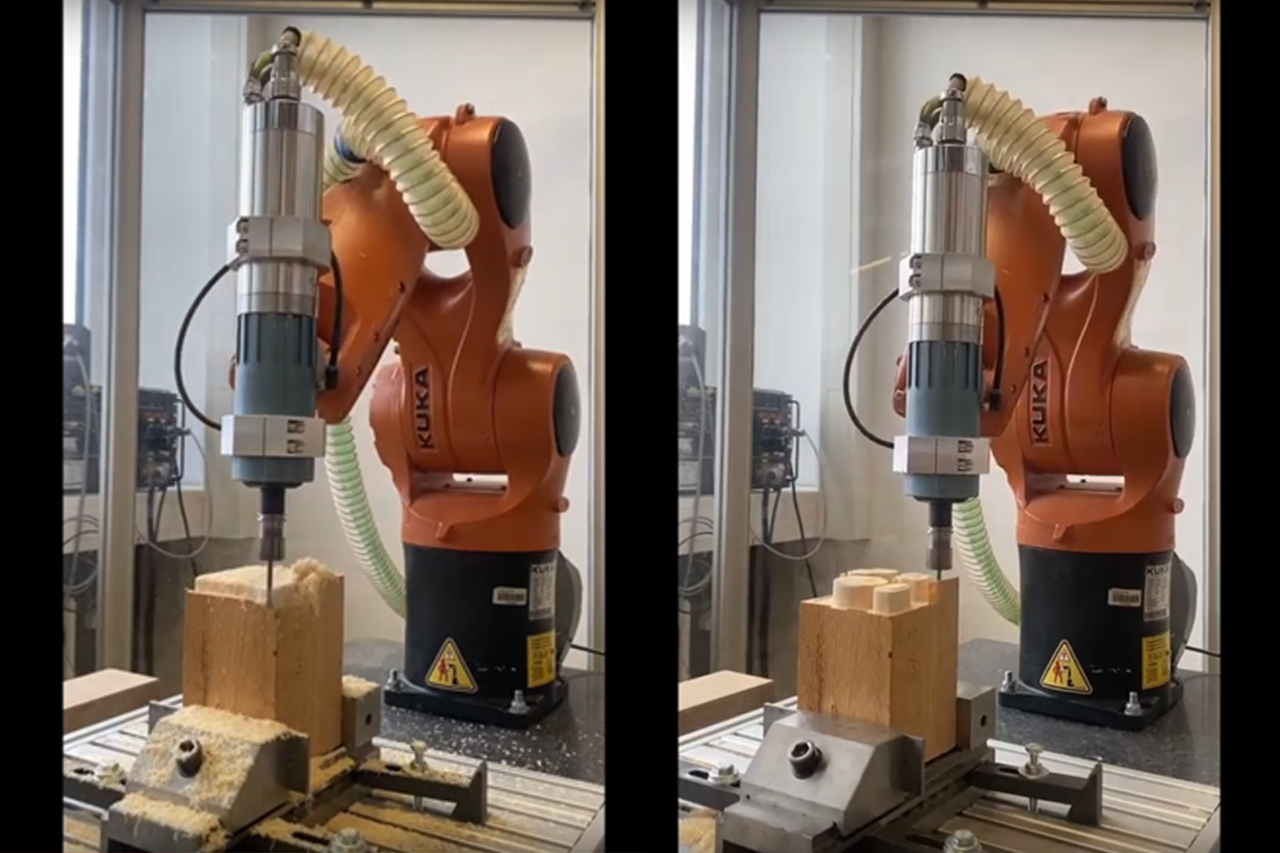
Milling robots: Production with robots - from model to component
Thanks to its very high positioning accuracy, a robot can precisely follow specified geometries. This means that 3D models can be produced from various base materials such as wood, metal or plastic using a given CAD model and a milling head. The advantage of the robot over a "conventional" milling machine is the workspace. As the robot arm can move freely in all directions, the workspace is also 3-dimensional.
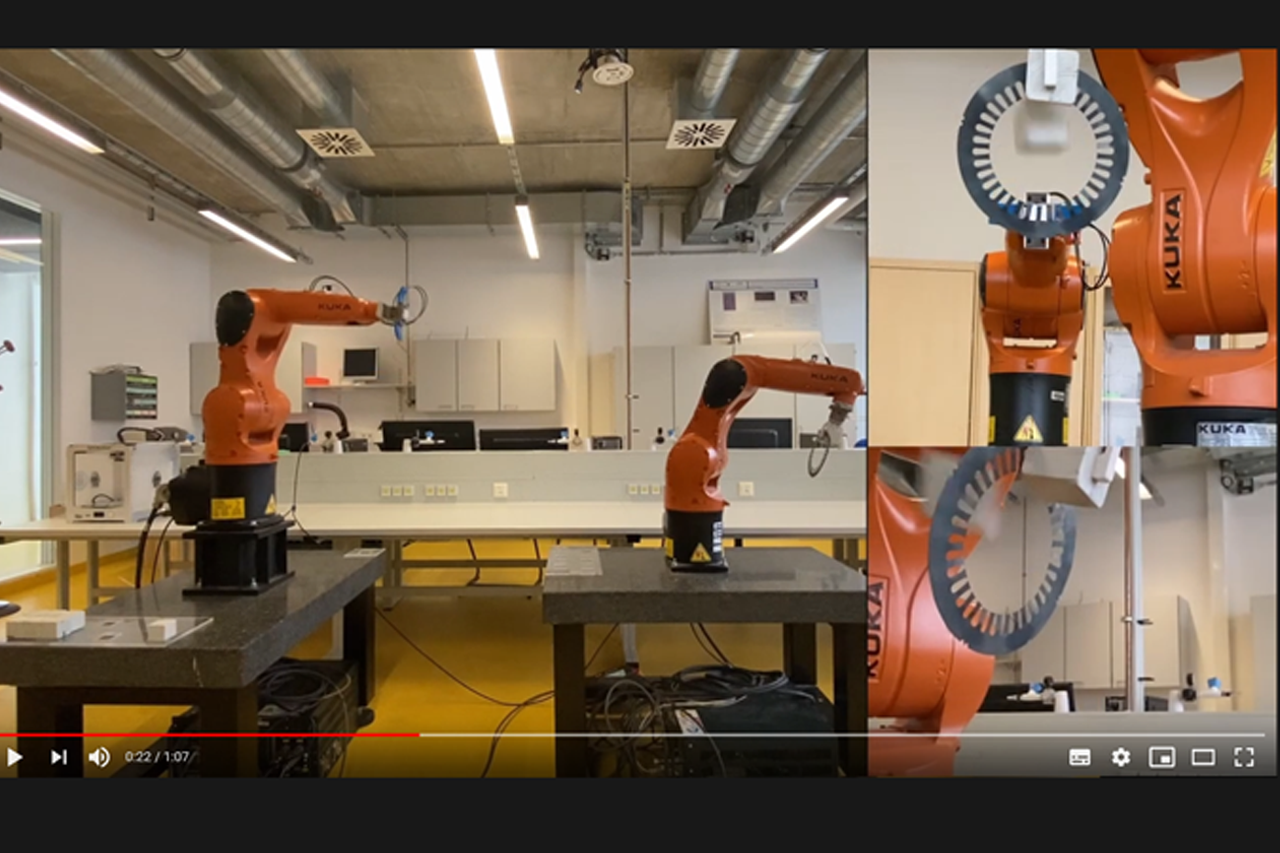
Throwing robots: Take up the challenge - "Play against the robot"
Robots can perform tasks around the clock, 24 hours a day, 7 days a week, without making mistakes and without getting tired or slowing down. To be able to repeat exactly the same process all the time, they need a very high level of repeat accuracy. We show and explain how this works in the time-lapse video. Compete against the robot: Try to hit a wastepaper basket 3 metres away with a ball of paper in ten throws in a row.
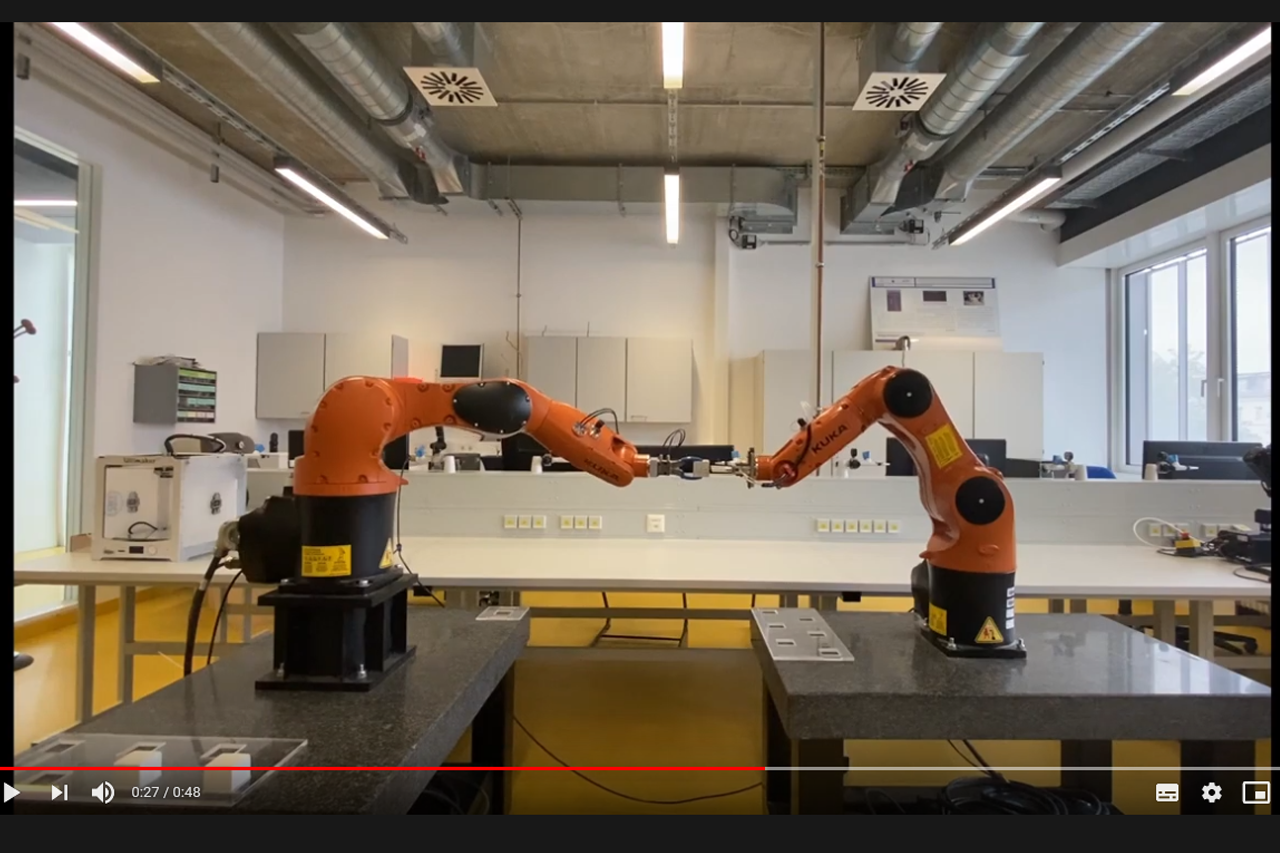
Your colleague, the robot - cooperation made easy
For larger or combined work processes, two or more robots can work together in co-operation. To do this, they must either exchange information with each other or receive the required sequence information from a higher-level centre. The basis for this co-operation is a very high level of precision in the positioning of the individual robots, even with a practically infinite number of repetitions. In the video we show how the Kuka robots work together.
