
Commemorative publication | 150 years of the Leipzig Municipal Trade School
The roots of HTWK Leipzig
Founded on 3 May 1875 by Ludwig Nieper, director of the Royal Saxon Academy of Arts, the Leipzig Municipal Trade School provided practical training for skilled workers for Leipzig's rapidly developing industry. The Städtische Gewerbeschule, later the Höhere Technische Lehranstalten, formed the basis for the founding of the Engineering School for Mechanical and Electrical Engineering in the 1950s and later the Engineering School for Automation Technology. Together with the Engineering School for Polygraphy, this gave rise to the Leipzig University of Engineering in 1969, which finally merged with the University of Civil Engineering in 1977 to form the Leipzig University of Technology.
The 150th anniversary of the Städtische Gewerbeschule Leipzig, which was once located in the Wiener Building of the Faculty of Engineering at HTWK Leipzig, will be celebrated with a ceremony on 21 October 2025, a scientific colloquium on 22 October 2025, guided tours of the modern laboratories in the Wiener Building of the Faculty of Engineering, lectures as part of the 2025/2026 lecture series and a commemorative publication.
A printed version of the commemorative publication is expected to be available to interested parties at the end of 2025.
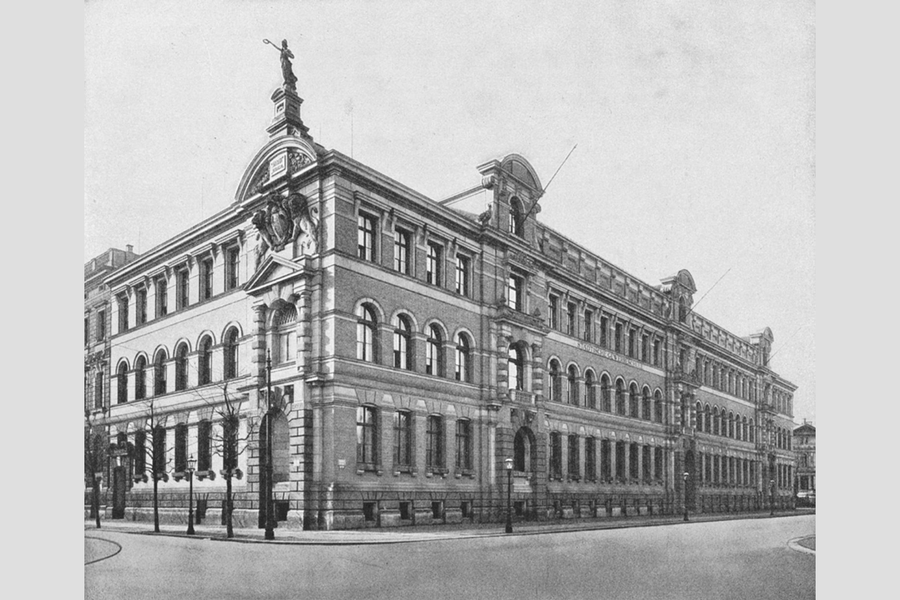
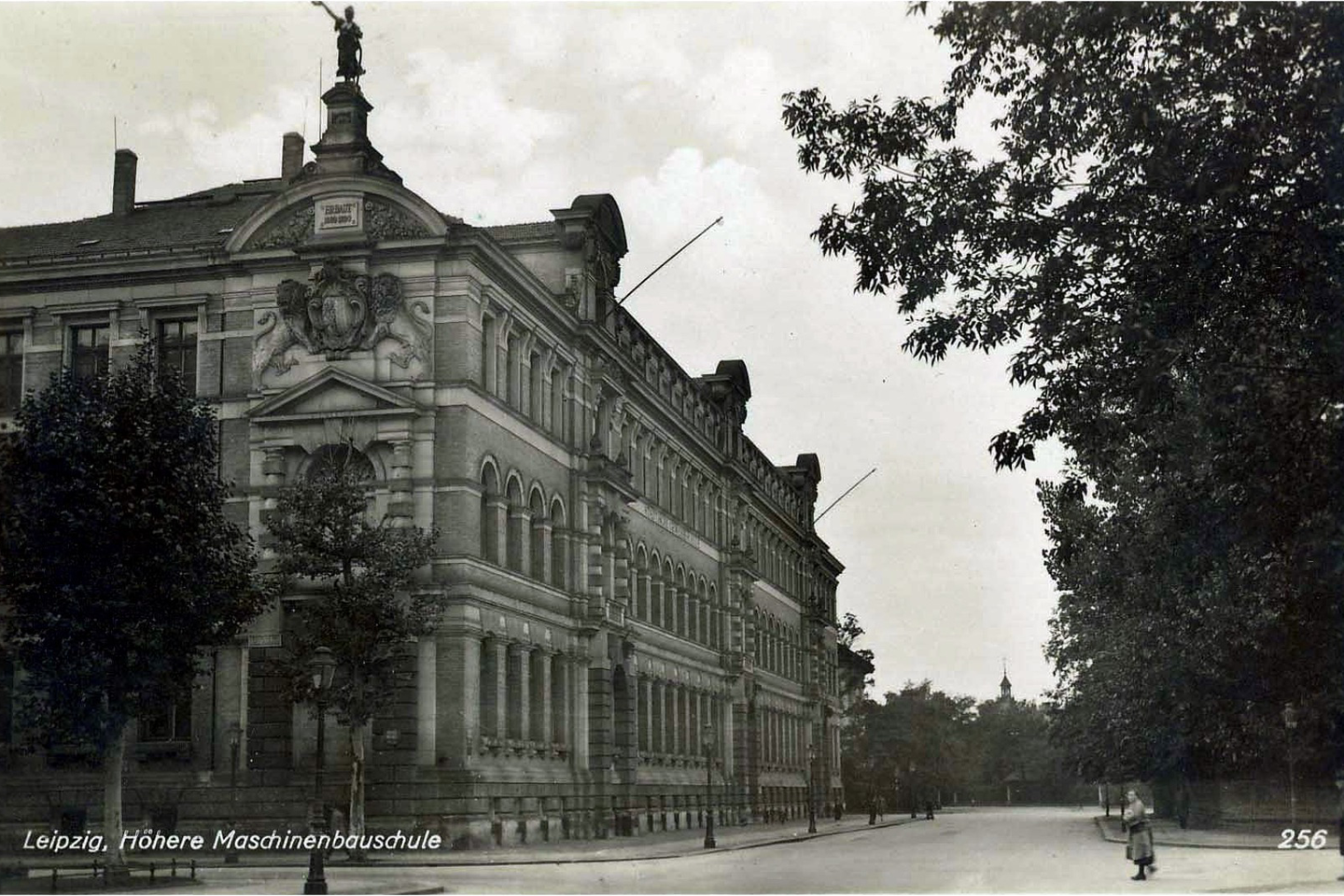
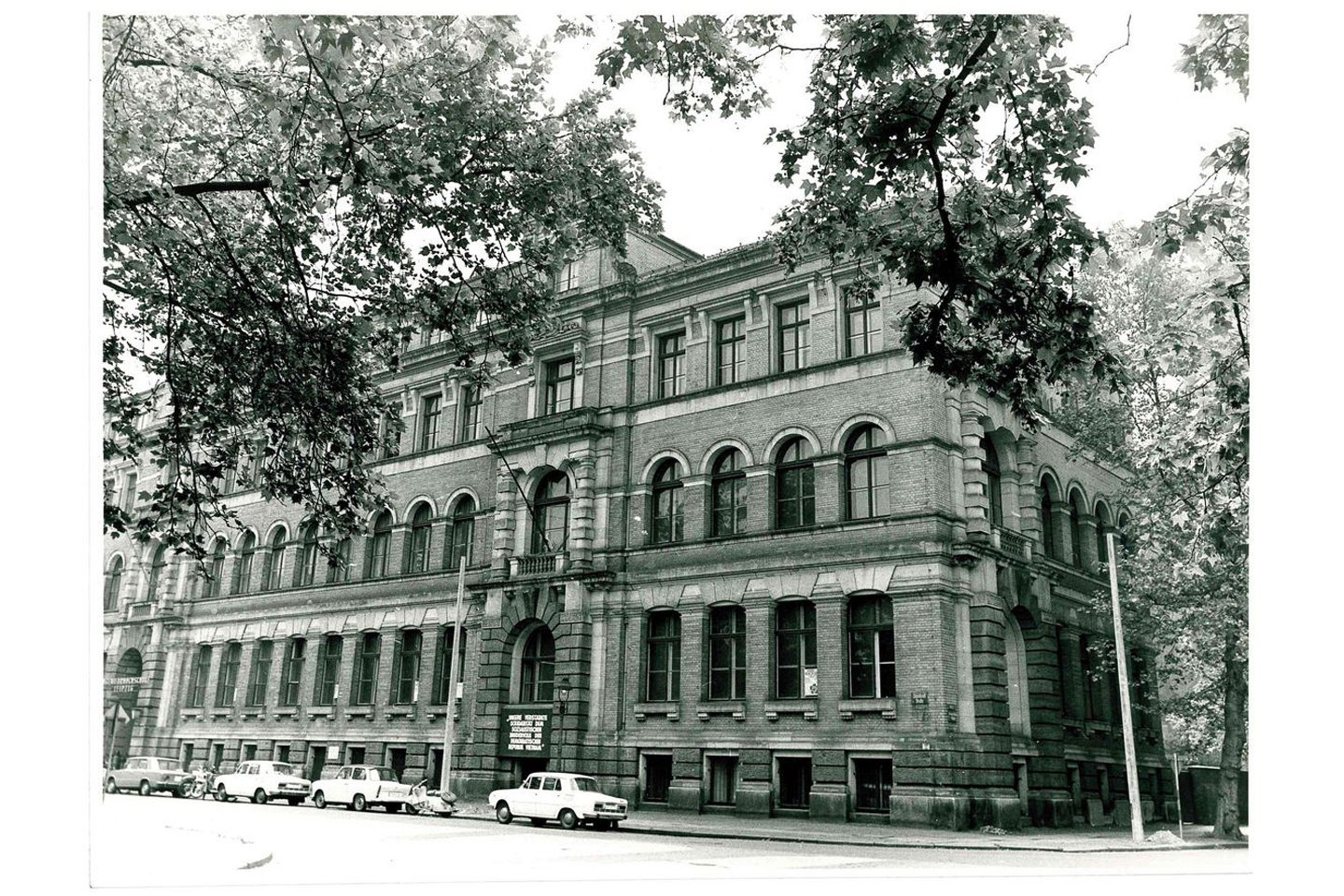
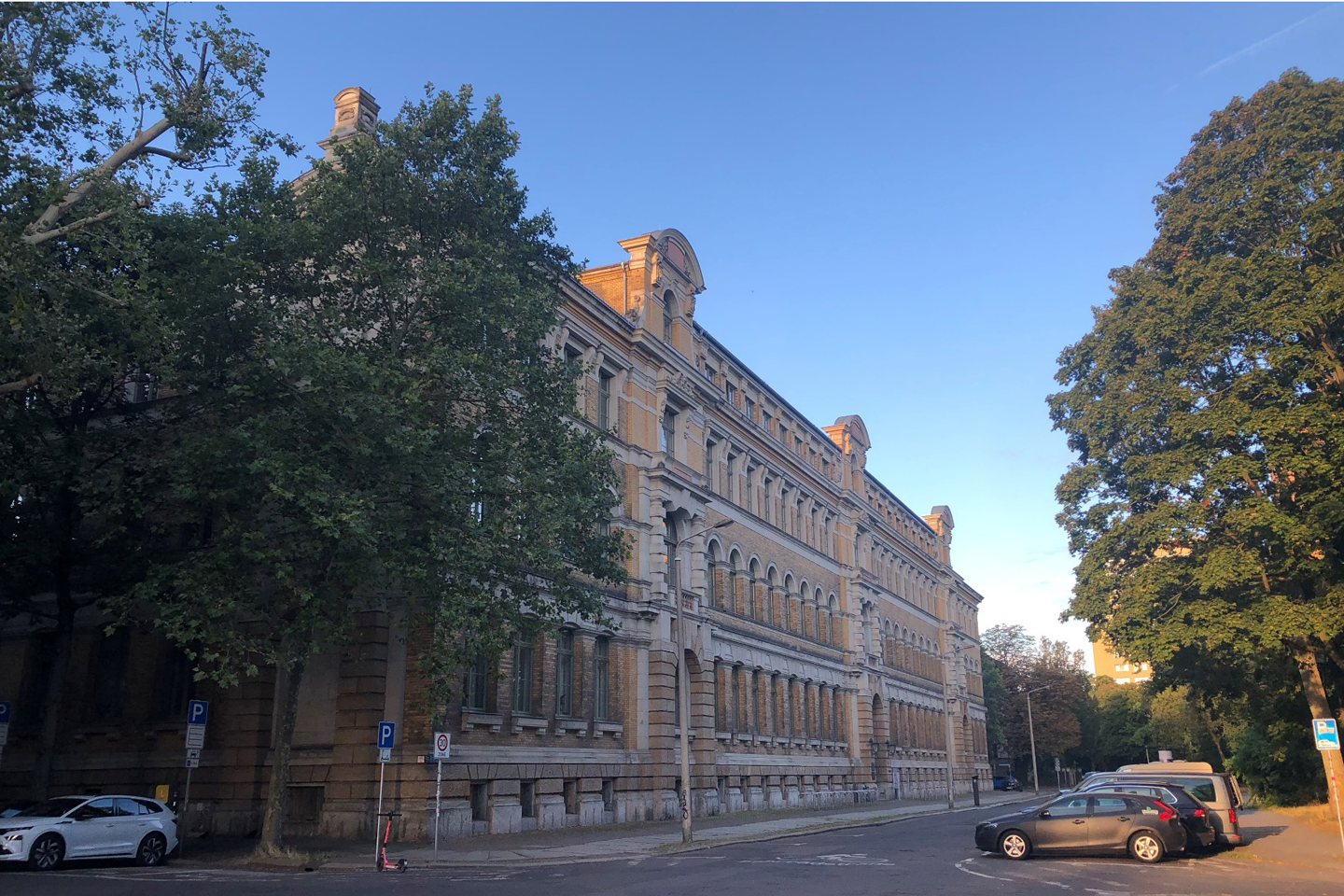
Table of contents
History | From the Municipal Industrial School to the Faculty of Engineering Sciences
- 150 years of technical education in Leipzig
- The Leipzig Municipal Vocational School (1875-1925)
- The Higher Technical Schools (1925-1945)
- From the engineering school to the technical university (1945-1990)
- The HTWK Leipzig from 1992
Teaching and studies | Development of educational goals and content from the beginnings of the trade school to 2025
- 1875 | The Leipzig Municipal Vocational School - the first vocational school
- After 1925 | The higher technical colleges - master craftsmen and engineers
- After 1945 | Municipal engineering school becomes a state technical college
- After 1969 | Technical university and the doctorate in engineering
- After 1992 | HTWK Leipzig founded as a university of applied sciences without the right to award doctorates
- From 2005 | Introduction of Bachelor's and Master's degree programmes
- Important people
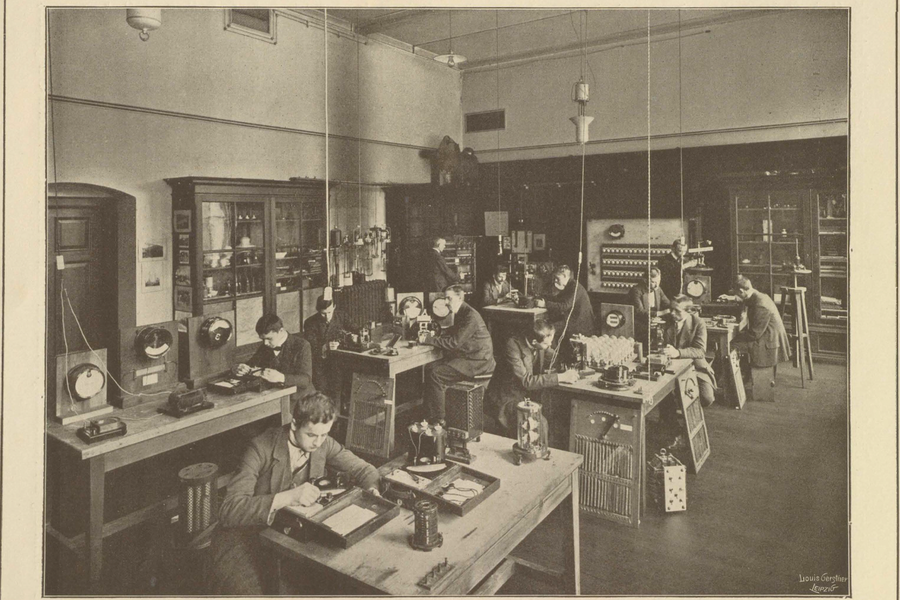
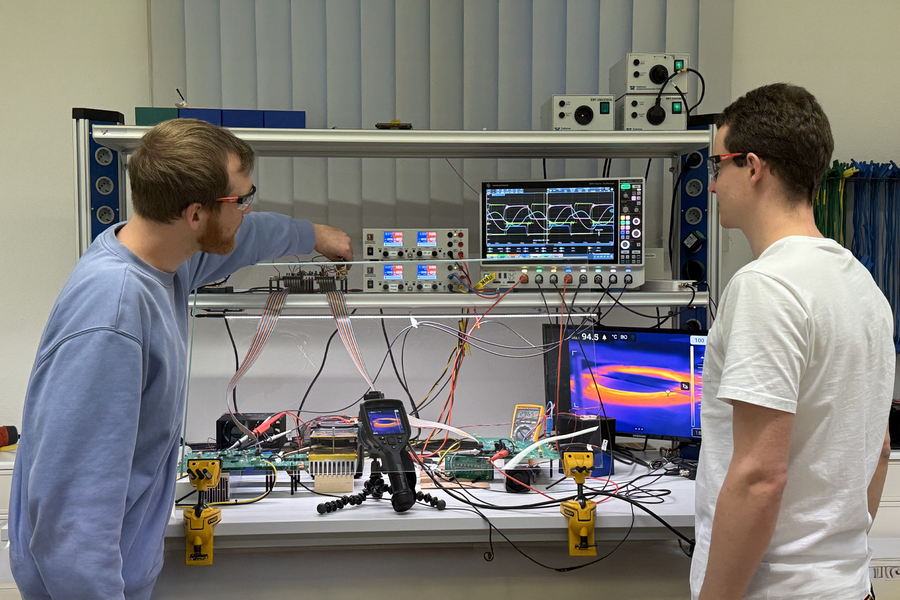
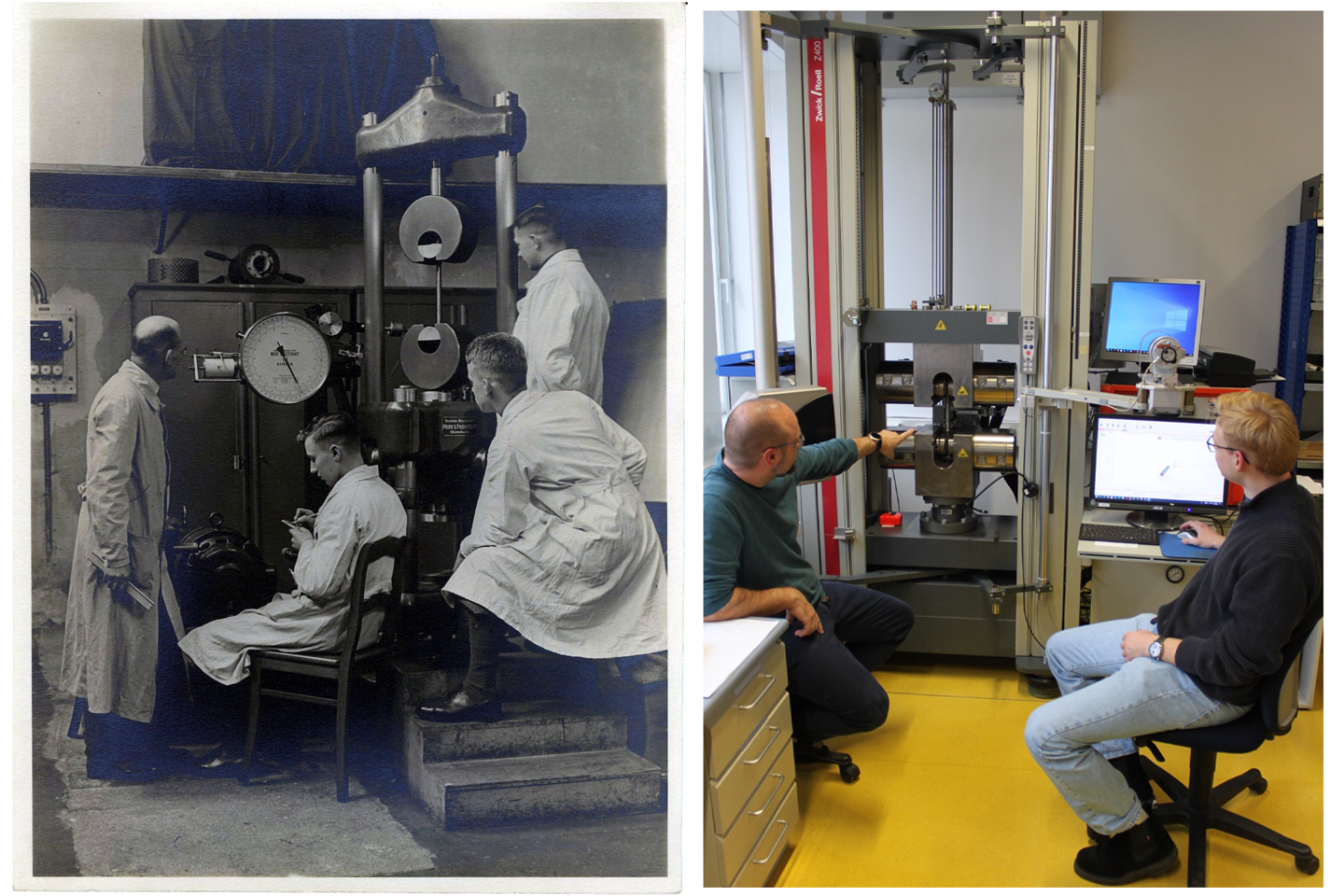
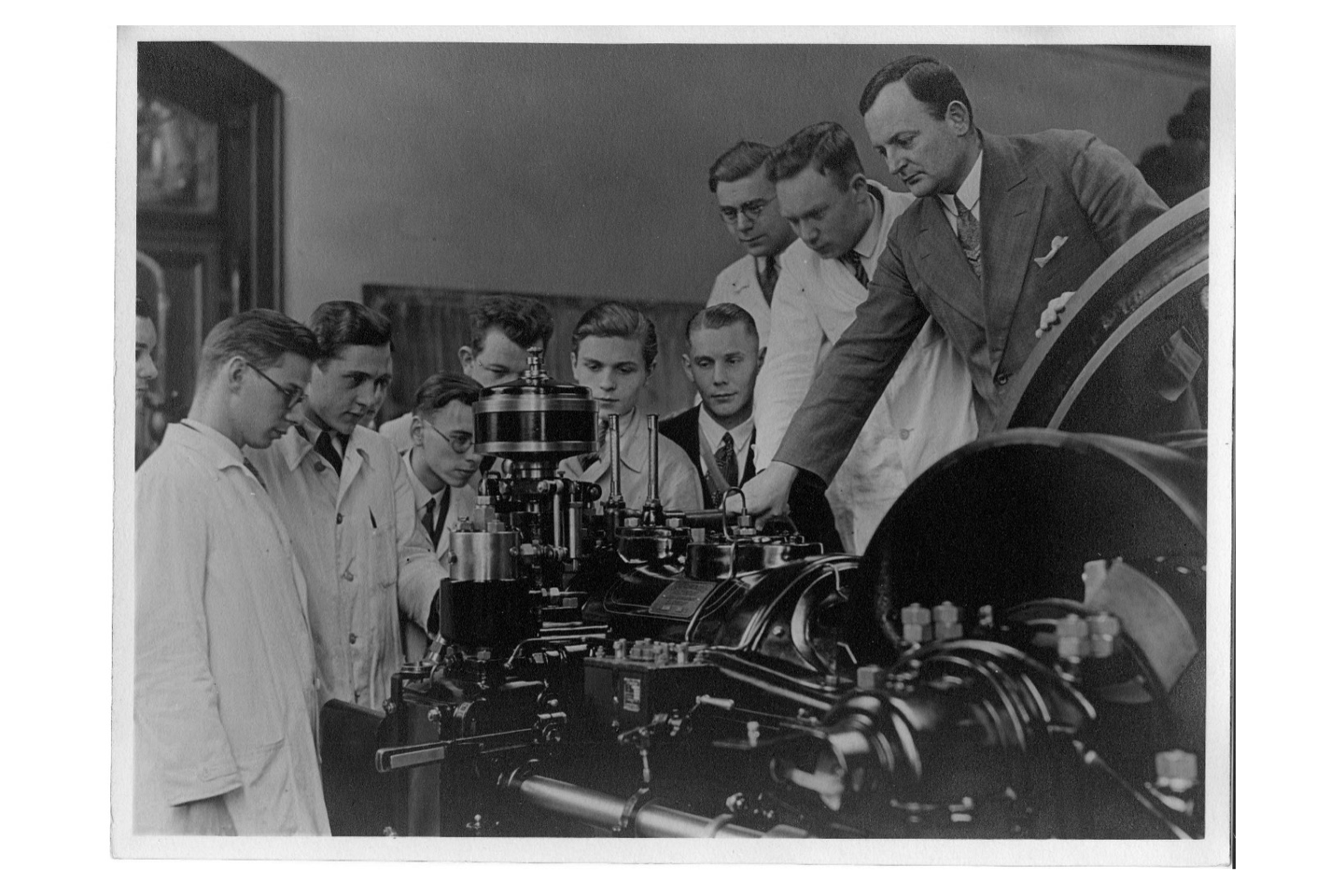
- Studying then and now | A comparison of images
Research programmes
Events to mark the 150th anniversary of the Leipzig Municipal Vocational School
Preface
by Prof. Dr.-Ing. Jean Alexander Müller | Rector HTWK Leipzig
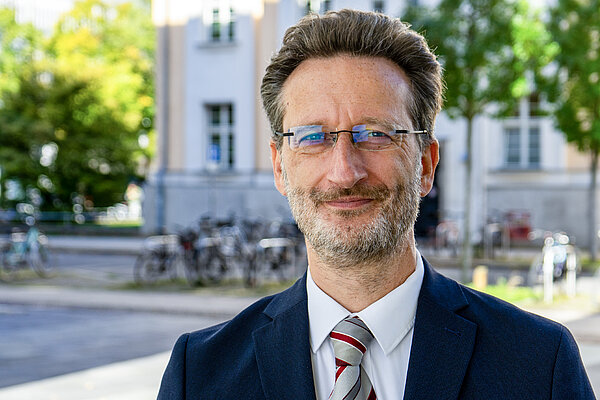
The celebrations to mark the 150th anniversary of the Städtische Gewerbeschule honour the history of technical education in the city of Leipzig. This history can undoubtedly be told as a success story. It still characterises the self-image of our university today, even if it has clearly and visibly changed over these 150 years: The University of Applied Sciences for Technology, Economics and Culture sees scientifically sound and practice-orientated education as the driving force behind social and technological developments.
With the founding of the Municipal Trade School in 1875, the city of Leipzig laid the foundations for a tradition that continues to this day. What began back then in modest rooms as training in craftsmanship and drawing developed – via technical and engineering schools, the Leipzig University of Applied Sciences, and finally HTWK Leipzig – into an institution that combines technical excellence with social responsibility and continues to have a strong impact on the city’s community.
The Faculty of Engineering continues this legacy. Today, it stands for application-oriented research, future-oriented degree programmes and a close connection between theory and practice. With its seven research profiles, it advances solutions to key issues of our time, from sustainable energy, digitalisation and automation to artificial intelligence and modern materials research. With their significant contribution to research, development and transfer, the academics at the Faculty of Engineering help to position HTWK Leipzig as an institution that shapes and strengthens Leipzig as a centre of science and business.
Together with its teaching staff, researchers, students and partners, the Faculty of Engineering keeps the tradition of technical education in Leipzig alive and develops it into the future. The combination of historical roots, academic excellence and social responsibility makes it an invaluable part of our university. As Rector of HTWK Leipzig, I would like to express my gratitude to all those who work tirelessly towards this success.
I hope that the academic curiosity, the creative drive and the excellence in teaching and research will live on in the faculty and - as in the last 150 years - be passed on to future generations, constantly being put to the test and further developed.
Foreword
by Prof. Dr.-Ing. Stephan Schönfelder | Dean Faculty of Engineering HTWK Leipzig
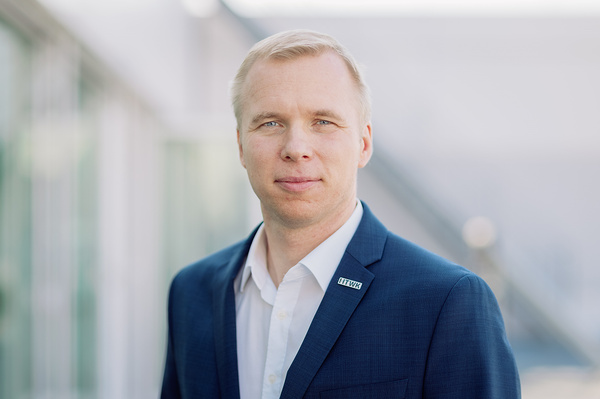
The year 2025 marks a special anniversary: 150 years of technical education in Leipzig. The founding of the Municipal Trade School in 1875 marked the beginning of a development that has had a lasting impact on the city and its educational landscape. Its tradition is continued today by the Faculty of Engineering at HTWK Leipzig.
Our faculty has existed in its current form since 2019, when it emerged from the merger of the Faculties of Electrical Engineering and Information Technology and Mechanical and Energy Engineering. This step was sensible and necessary in order to combine existing strengths and further expand the opportunities for teaching and research. The merger has enabled us to utilise existing synergies and take an interdisciplinary approach to topics that were previously often dealt with separately.
It is precisely this interdisciplinary approach that opens up opportunities to effectively tackle the many challenges of our time: climate change and the energy transition, digitalisation and the shortage of skilled workers, the responsible use of artificial intelligence as a tool for scientific and technical innovation. Our faculty combines the expertise to tackle such complex issues together - with scientific depth, practical application and social relevance.
This commemorative publication honours the long and eventful history of technical education in Leipzig. It shows how a modern, research-active faculty emerged from an advanced industrial training school and is now an important part of Leipzig University of Applied Sciences.
On behalf of the Faculty of Engineering, I would like to thank all those who contribute to continuing this tradition day after day - with passion, knowledge and innovation. May this commemorative publication remind us that technical education is always more than just imparting knowledge: it is the basis for shaping the future.
My special thanks go to all those who have contributed to the creation of this commemorative publication - the authors, the colleagues from administration, teaching and research, our students and the numerous supporters who have made it possible to celebrate this anniversary with their commitment and donations.
From the Municipal Vocational School to the Faculty of Engineering
150 years of technical education in Leipzig
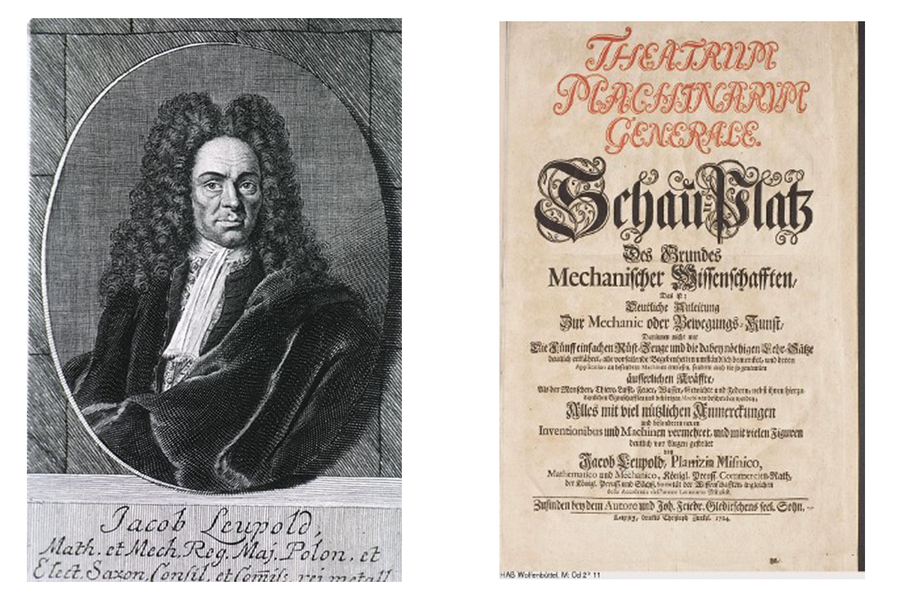
Attempts to create an institution for technical education in Leipzig date back to the early 18th century. Jakob Leupold (1674 - 1727) (Figure 1), mechanic and instrument maker and author of the comprehensive encyclopaedia "Theatrum Machinarum" (Figure 2), tried in vain to establish the "mechanical arts" at the University of Leipzig. However, his efforts failed due to resistance from the craft guilds, who saw such an institution as a threat to their monopoly position.
Following the introduction of freedom of trade in the 1920s and 1930s, trade and polytechnic schools modelled on the École polytechnique in Paris were founded throughout Germany, including the Königlich-Technische Bildungsanstalt in Dresden in 1828 and the Königliche Gewerbeschule Chemnitz in 1836. In Leipzig, the Königlich-Sächsische Baugewerkenschule was established at the Academy of Arts. Such schools followed on from the Realschule, which is why they were also known as "higher schools". They supplemented the technical qualifications taught in the craft and industrial enterprises with the scientific foundations and general education. The gap that existed here in Leipzig was initially filled by the Sunday trade schools run by the Masonic lodge "Balduin zur Linde" and the Polytechnic Society, which was founded in 1825. Their curriculum ranged from arithmetic, writing and drawing to natural history, industrial engineering and constitutional theory.
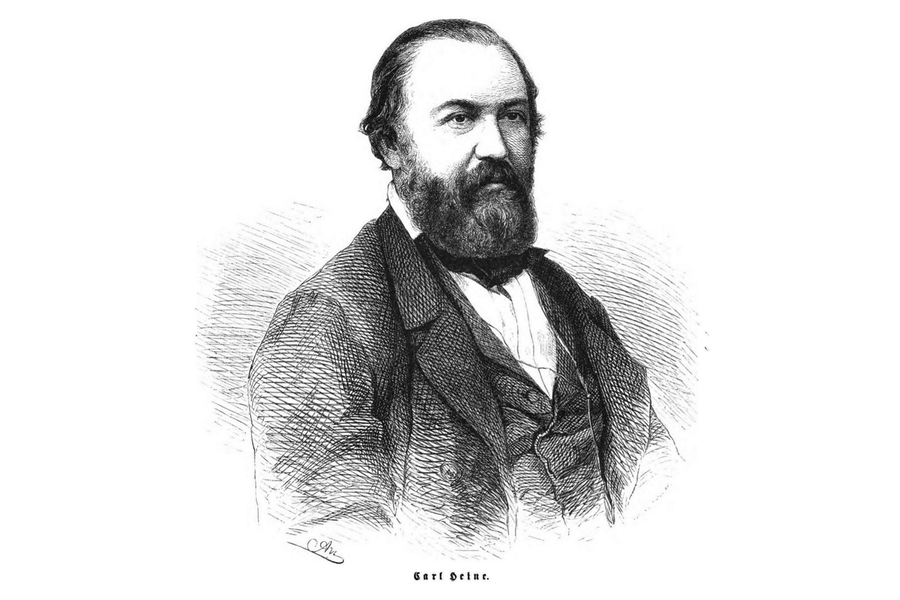
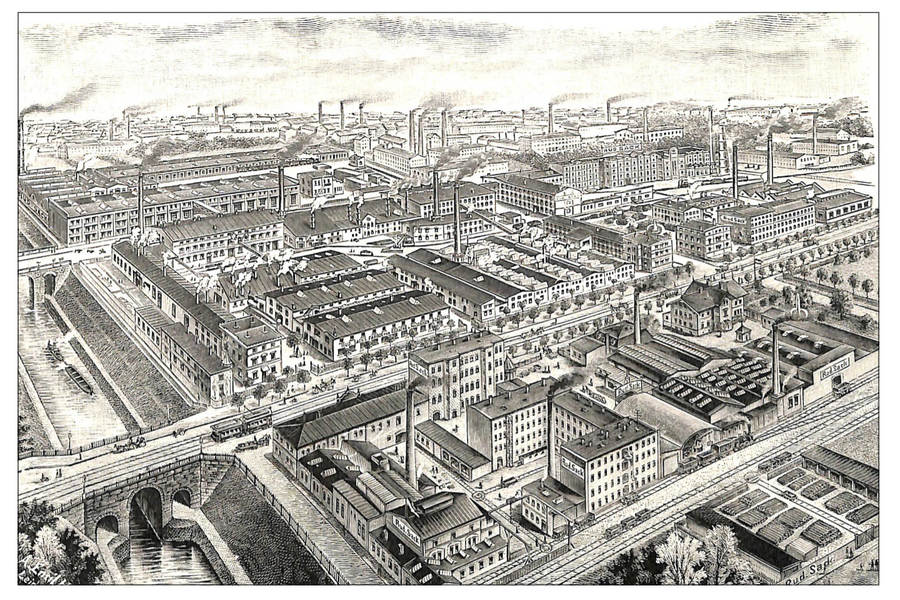
The history of formally established technical education in Leipzig is closely linked to the comparatively late onset of industrialisation in the city, which only gained momentum in the 1850s. A key player in this phase was Carl E. Heine (1819 - 1888) (Figure 3), who laid the foundations for the industrial upswing by developing the western suburbs and the planned creation of industrial estates in Plagwitz. From the 1870s onwards, Leipzig experienced strong growth in industrial and commercial jobs, particularly in the fields of mechanical engineering, agricultural machinery (Figure 4), book printing and the polygraphic industry. This economic dynamism necessitated the creation of new educational institutions to train the urgently needed skilled labour.
The Leipzig Municipal Trade School (1875-1925)
On 3 May 1875, a new chapter in technical education was opened in Leipzig with the founding of the Municipal Trade School. It saw itself as a voluntary advanced training school - not as a substitute, but as a supplement to practical training in the trades or in industry. The first director, the painter and graphic artist Ludwig Nieper (1826-1906) (Figure 5), was also the director of the Royal Academy of Art. He knew how to bring together the interests of art and industry, established a department for photomechanical reproduction at the art academy and promoted training in applied art, such as woodcuts. In this way, he had a lasting influence on the focal points of today's Academy of Visual Arts.
The organisational structure of the school was differentiated from the outset. One-year day classes with 36 hours per week and two-year evening classes with 10 hours per week each were offered. Even in this early phase, the school responded to the requirements of specific occupational groups by incorporating specialised guild schools. The school did not offer general vocational training, but instead aimed to deepen existing technical and creative skills - especially in the field of arts and crafts. The curriculum was wide-ranging, but heavily focussed on drawing, which accounted for around half of the lessons. Other subjects included mathematics, mechanics, machine drawing, modelling and general educational disciplines.
The classrooms of the "Städtische Gewerbeschule" were initially located in a backyard building at Lessingstraße 14 (now number 28). Due to the cramped conditions of these rooms, the school moved to the east building of the III. citizen school on Johannisplatz in 1876 (destroyed in the war). When even this space could no longer cope with the growing number of students, the architect and city planning officer Hugo Licht, who also built Leipzig's New Town Hall, erected the building at Wächterstraße 13 (Figure 6) in 1890/91, directly next to the new building of the Academy of Arts and the Baugewerkenschule, which is still home to the Faculty of Engineering in the Electrical Engineering and Information Technology degree programmes today. The new school building in Wächterstraße provided the institution with modern workshops, laboratories and machine rooms - an outstanding infrastructure for the time.
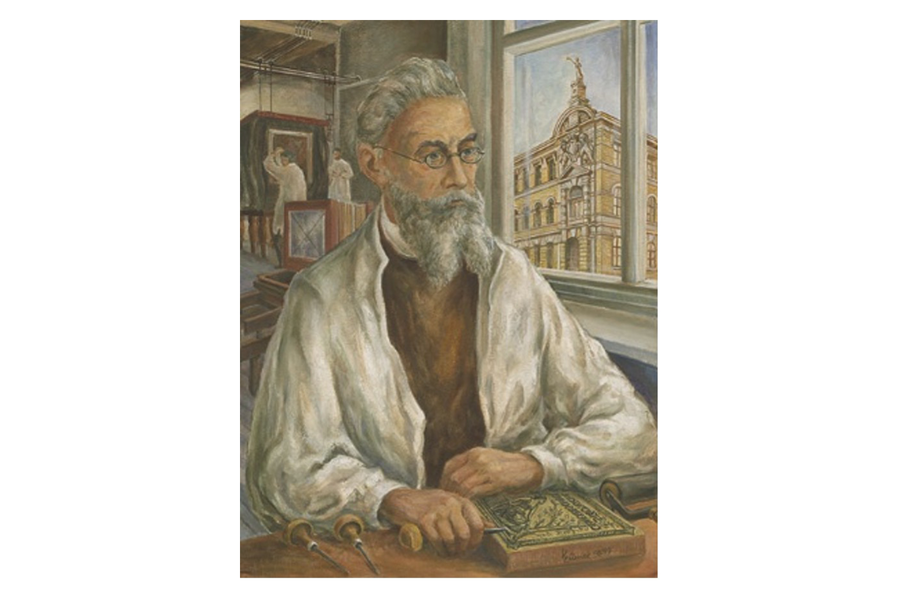

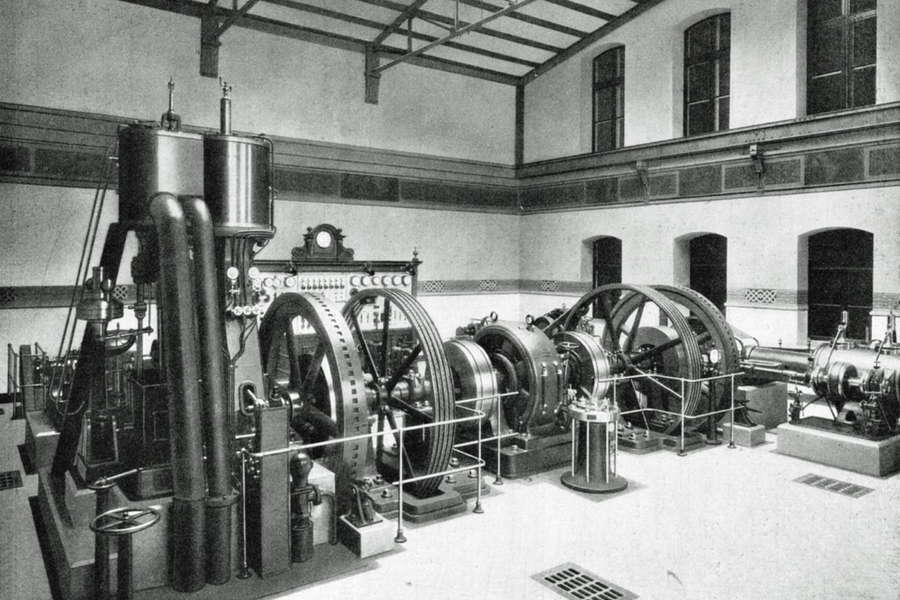
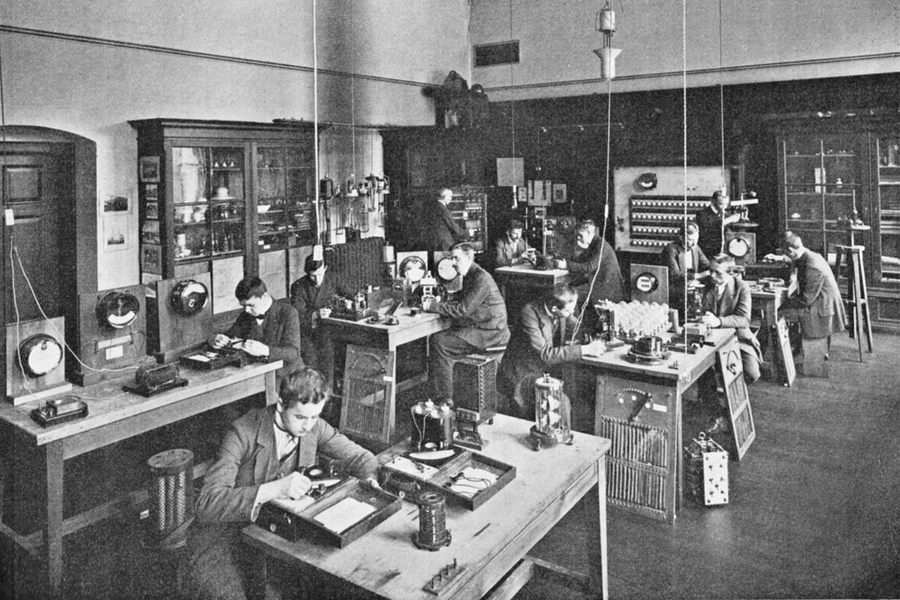
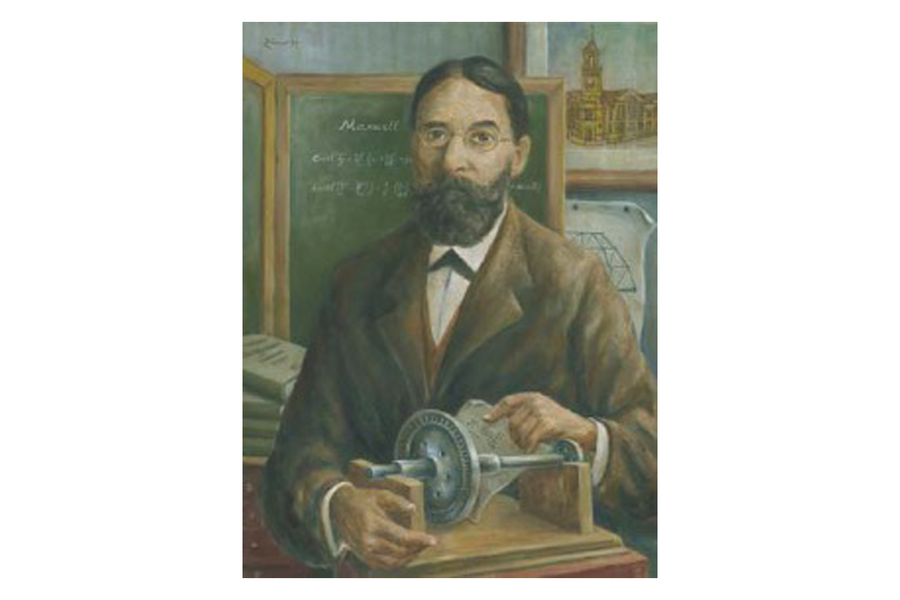
A particular milestone was the establishment of the mechanical engineering school (Figures 7, 8) within the trade school in 1896, which developed into a mainstay in the years that followed. In this specialisation - which was coined by August O. Föppl (Figure 9), who later became known in Munich as Professor of Technical Mechanics - students received a sound technical education that combined theory and practice at a new level.
By 1925, the number of students had grown to around 3,000, half of whom had opted for mechanical engineering. Electrical engineering also became increasingly important. Around 1895, 165 electrical engineers were among the mechanical engineering students.
The organisation and administration of the school was gradually professionalised over the decades: in 1895 there were still 38 specialist teachers. In 1925, there were over 100 teachers, including 49 permanent employees. The teaching staff was supplemented by a number of administrative officers, a workshop manager, machinists and stokers. This structure enabled a systematic and sustainable education programme that adapted to the requirements of the growing industrial society of the 20th century.
The technical colleges (1925-1945)
On the occasion of its 50th anniversary in 1925, the municipal trade school was renamed "Technische Lehranstalten der Stadt Leipzig" - an expression of its growing self-image. The school was now organised into three central areas:
- School of Arts and Crafts (spun off in 1932)
- Higher trade school for the metal industry
- Higher School of Mechanical Engineering with the departments of Mechanical Engineering and Electrical Engineering, later also Industrial Engineering and Precision Mechanics
In 1925, there was a 5-semester course with 42 hours of lessons per week at the Higher Mechanical Engineering School. The prerequisite for the programme was a secondary school leaving certificate and two years of practical training. The curricula were formalised and expanded.
The qualification (school-leaving certificate, later engineer) not only opened the door to working life, but also to studying at technical universities, which enabled progression to academic careers. The school thus became a link between vocational training and university.
With the beginning of the Nazi era, structures and content changed: Teachers were politically scrutinised, lessons were held in SA uniform and the majority of pupils became SA members. In 1933, the number of students was initially significantly reduced due to the "Law against overcrowding in German schools and universities". In 1938, the school was renamed the "Engineering School of the Reich Trade Fair City of Leipzig, specialised school for mechanical and electrical engineering, including telecommunications and high-frequency technology" and began training more engineers again. During the course of the Second World War, the number of students fell rapidly due to conscription.
The air raids on 20 February 1944 and 27 February 1945 caused extensive damage to the school building. The roof truss and the 3rd floor were completely destroyed. However, the damage was considerably less than most of the surrounding buildings (e.g. Gewandhaus with total destruction, university library - extensive damage, conservatory - destruction of the concert hall).
From the engineering school to the technical university (1945-1990)
On 4 October 1946, the institution was reopened as the "Engineering School for Metal and Electrical Engineering" - initially with 230 students and just nine specialist teachers. Within a few years, the number of students grew to over 1,000, half of whom were studying full-time and half in the evening. From 1950, the technical colleges were assigned to the specialised ministries. This resulted in a change of name and specialisation - the technical school for mechanical and electrical engineering from 1952 became the engineering school for automation technology by 1965.
In technical and engineering schools, students trained to become engineers in six semesters. The study requirements were practically the same as in 1925, namely completion of the 10th grade (so-called Mittlere Reife) as well as two years of professional experience or a skilled worker's certificate and completion of certain preparatory courses. Distance learning - introduced from 1956 - developed into the dominant training format. The profile was further sharpened with the founding of the Leipzig University of Engineering in 1969, which specialised in automation technology, electrical power engineering and polygraphy. The new status made it possible to conduct its own research - a paradigm shift in the history of the institution. A visible symbol of the formation of identity was the establishment of an automation technology collection from 1973, which later became the Automatikmuseum.
Finally, in 1977, the Leipzig University of Applied Sciences was created from the University of Civil Engineering, which had existed as a scientific university since 1954, and the University of Engineering. It was a fully-fledged scientific university with the right to award doctorates and habilitations. The end came with the political change: by 1996, the Technical University had been wound up, as the Free State of Saxony had three other technical universities in Dresden, Chemnitz and Freiberg. This meant the end of technical university education in Leipzig. This created a unique situation in which both the new university of applied sciences degree programmes and the phased-out university degree programmes, including doctoral and habilitation procedures, were carried out in the same building at the same time.
The HTWK Leipzig since 1992
The Leipzig University of Applied Sciences was founded in 1992, incorporating the buildings of the Technical University and other predecessor institutions. HTWK Leipzig continued the tradition of the Technical University and other educational institutions in the city of Leipzig. In the same year, the new departments of Electrical Engineering and Mechanical and Energy Engineering began teaching. Leipzig's engineering education was seamlessly continued with eight-semester degree programmes leading to a degree in engineering (FH).
Since 2006, the HTWK has offered Bachelor's and Master's degree programmes in Electrical Engineering and Information Technology, Mechanical Engineering and Energy, Building and Environmental Engineering. The course structure follows a clear concept: a solid foundation of mathematical and scientific principles, practical engineering content and targeted specialisation options. The Bachelor's degree qualifies graduates to apply scientific methods and knowledge to solve technical problems and forms the basis for lifelong learning. The Master's degree also qualifies graduates for scientific work and provides access to further scientific qualifications. Every year, several graduates are awarded doctorates in co-operative procedures at university faculties.
Research was not initially part of the range of tasks, so that in the 1990s research groups from the engineering fields were taken over by the newly founded Forschungs- und Transferzentrum Leipzig e.V. (Leipzig Research and Transfer Centre). With the founding of the Faculty of Engineering in 2019, a structural unit was created that can successfully conduct applied research in addition to engineering education by organising the fields of electrical engineering and information technology, mechanical engineering and energy technology into seven institutes with a total of 35 professorships. This is particularly evident in the acquisition of around four million euros in third-party funding per year and the employment of numerous academic staff. Research at the Faculty of Engineering is diverse and ranges from the development of innovative materials to research into sustainable energy generation and transmission, smart satellite communication, process automation, robotics and artificial intelligence.
150 years of technical education in Leipzig - a history of change, but also of continuity. From its beginnings as a commercial training school to today's Faculty of Engineering at HTWK Leipzig, there is a common thread: the aspiration to shape technical education in the service of society, the economy and scientific progress. Continuing this tradition is our common task - in teaching, research and transfer.
Teaching and studies | Development of educational objectives and content from the beginnings of the vocational school to 2025
In order to be able to categorise the educational objectives of the Municipal Vocational School and the subsequent educational institutions, it is helpful to briefly consider the development of vocational training in Germany. Since the Middle Ages, vocational training in the skilled trades has been regulated by the guilds and carried out in craft businesses. This contrasted with academic education at universities, which only indirectly prepared students for a profession. On the one hand, the industrial revolution gave rise to new occupational profiles, but on the other, the demand for labourers who only needed to be trained grew. Liberalism's demand for freedom of trade, the liberation from the restrictions of the guild system, which included freedom of occupation, was granted in the German states at the beginning of the 19th century (1810 in Prussia, not until 1861 in Saxony). Beginning in the 1820s, trade schools and polytechnics were established (often in the state capitals, for example in Berlin in 1821, Karlsruhe in 1825 and Dresden in 1828), which were primarily intended to impart vocational knowledge and its scientific foundations, which went beyond the training for journeymen.
As plans to establish such a trade school in Leipzig also failed at first (mainly for financial reasons), Sunday trade schools (from 1816 Sunday school of the Balduin zur Linde Masonic Lodge, from 1829 Sunday trade school of the Leipzig Polytechnic Society) fulfilled this function. The curriculum included writing, arithmetic, drawing, higher maths and geometry, geography and history, constitutional knowledge, natural history, industrial engineering, chemistry, i.e. general education, scientific basics as well as knowledge directly useful for the profession. The lessons were voluntary and did not lead to a formal qualification. The fact that the pupils, usually young men who were learning a trade at the same time, spent their only day off in class after a six-day working week is evidence of their great thirst for education, but certainly also of their plans for advancement.
1875 | The Städtische Gewerbeschule Leipzig (Municipal Trade School) - First Vocational School
In 1875, the city of Leipzig decided to meet the growing demand and establish the Municipal Trade School, which replaced its predecessors. In terms of content, the Municipal Trade School represented a further development. Lessons became more vocationally orientated and were soon divided into job-specific courses. The scope and duration of lessons also changed. This consisted of a one-year day course with 36 hours per week and a subsequent two-year evening course with 10 hours per week. This made the Municipal Vocational School de facto the first vocational school in Leipzig. Initially, the arts and crafts programme was seen as the most necessary. In this respect, the appointment of Ludwig Nieper as director, who was also head of the art academy, is understandable, as is the large proportion of drawing (from nudes to freehand and machine drawing). As the school initially had no clearly formulated educational goal in the sense of a formal qualification, the day classes soon served only as preparation for attending the art academy, the Baugewerkenschule or external technical teaching institutions. The character of a vocational school was also reinforced in the first 20 years by the incorporation of guild schools.
At the same time, however, the demand from Leipzig's rapidly developing industry (especially the mechanical engineering companies) for better-trained specialists grew during this time, which the evening courses could only fulfil to a limited extent. The new spacious building in Wächterstraße - with its technical equipment, workshops and machine rooms - made it possible to first establish a master craftsman's school and then the higher mechanical engineering school in addition to the arts and crafts and crafts schools. The latter was the starting point for all subsequent educational institutions that have been based in the building in Wächterstraße ever since.
After 1925 | The higher technical colleges - master craftsmen and engineers
With the Werkmeisterschule, which later became part of the Höhere Gewerbeschule für die Metallindustrie, and the Höhere Maschinenbauschule, the educational goals and thus the content and forms of teaching developed significantly. The aim of one school was to train students to become master craftsmen, the other to become engineers. Graduation from the higher trade school corresponded to the intermediate school leaving certificate, which could also be obtained at secondary schools. The engineering training was linked to the school leaving certificate, which could also be obtained by completing the Realgymnasium, and thus the authorisation to study at a technical university. This meant that general education had to be imparted in addition to specialised teaching. As all schools were under one institutional umbrella, attention was paid to the possibility of transferring from one school to another. Access with various school qualifications was also made possible. Special preparatory classes and preliminary examinations were set up for this purpose. From today's perspective, one would say that the system was permeable, i.e. it supported educational advancement.
The curriculum of the Höhere Gewerbeschule für die Metallindustrie comprised the following subject groups:
- General education (22% of the curriculum)
- Mathematical and scientific subjects (25 %)
- Vocational subjects (48%)
- Practical training (5 %)
The training programme comprised a total of 71 hours per week, spread over four years. In the first year, lessons were organised as a day course with 36 hours per week. In the following three years, evening classes were organised with 11 to 12 hours per week.
The commemorative publication celebrating the 50th anniversary of the Municipal Vocational School formulates the educational goal as "educating people with a profession". So it talks about education and not training!
W. Angermann explains the technical educational objective in more detail in his article in the commemorative publication on the "Teaching objective at higher mechanical engineering schools":
"Technology speaks largely in mathematical terms, so it is necessary for students to acquire great skill in mathematical thinking. It is necessary to demand that they know how to use mathematical skills at all times." [...] "The essence of technology consists to a large extent in the attitude to the tasks that are presented to the technician. In practice, the engineer is required to separate the essential from the non-essential for the particular objective, and thus not to lose himself in investigations that may be useful elsewhere but are superfluous here. The subject of the task itself will only rarely have been dealt with in a scholastic manner. But the correct treatment of a task should be learnt at school."
The curriculum of the Secondary School of Mechanical Engineering included a greater proportion of mathematical and scientific subjects as well as subjects specialising in mechanical and electrical engineering and had the following distribution of lessons:
- General education subjects (7% of the total number of lessons)
- Mathematical and scientific subjects (29%)
- Industrial subjects (mechanical engineering specialisation 9%, electrical engineering specialisation 8%)
- Mechanical engineering (mechanical engineering 49 %, electrical engineering 37 %)
- Electrical engineering (mechanical engineering 7 %, electrical engineering 20 %)
The training at the mechanical engineering school consisted of five half-year courses with 42 academic hours per week, amounting to 210 hours.
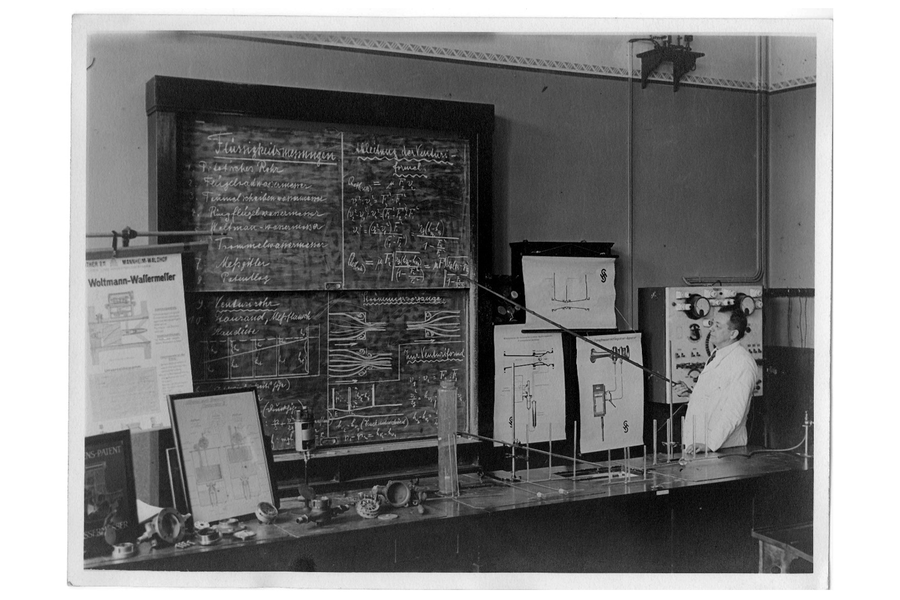
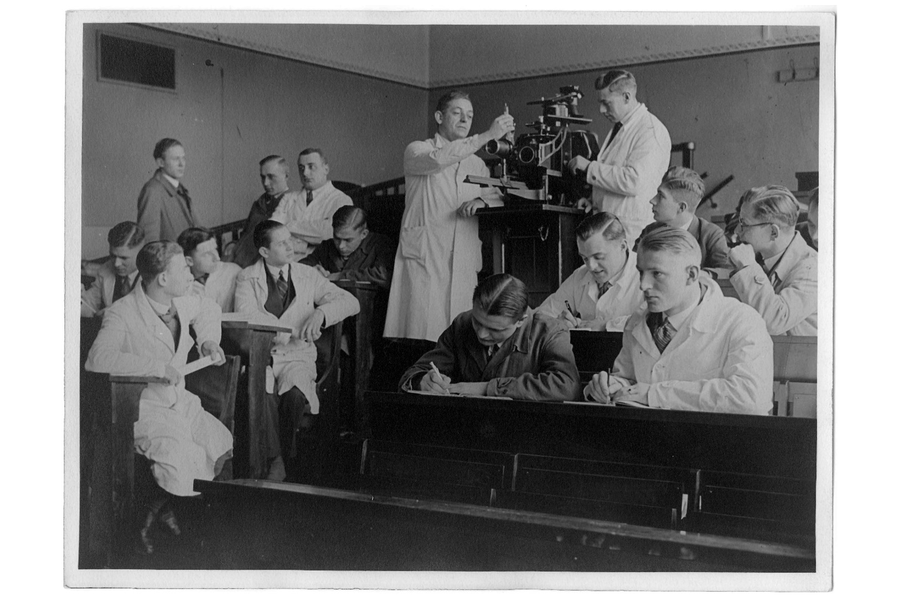
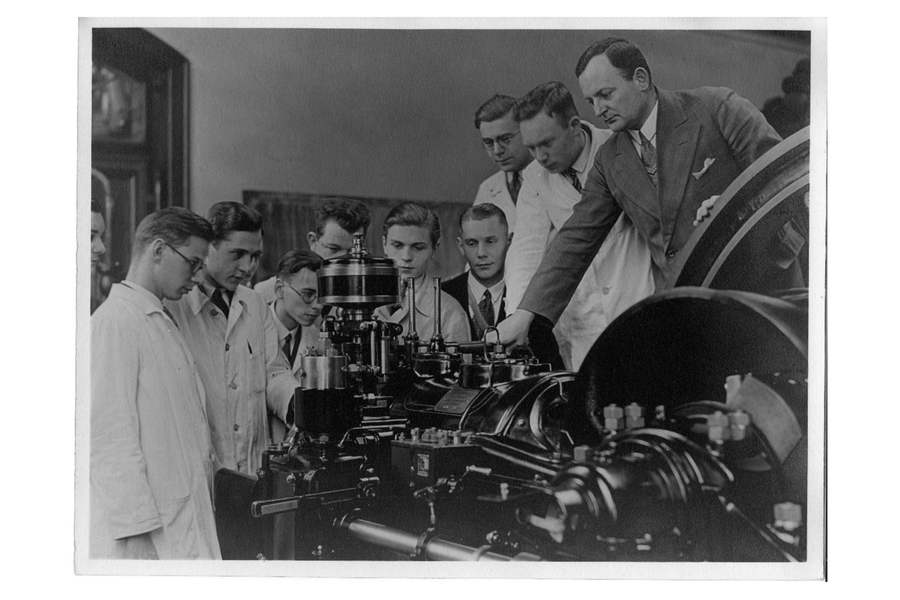
The lessons consisted of the forms of teaching that still exist today, the lecture (now called a lecture as at universities) and exercises (including laboratory exercises). The rooms in the Wächterstraße building had already been designed, laid out and equipped accordingly. However, self-study at home with 42 hours per week was hardly expected.
This educational concept of the Higher Mechanical Engineering School was essentially retained until 1945. The name was changed to "Höhere Technische Lehranstalten" after the trade schools were spun off in 1925 and then to "Ingenieurschule der Reichsmessestadt Leipzig, Fachschule für Maschinenbau und Elektrotechnik, einschließlich Fernmelde- und Hochfrequenztechnik" in 1938. The range of subjects was expanded in the 1930s and reflected new technical developments, but certainly also the needs of a war-orientated economy. As a result of the "Gleichschaltung" of the engineering school during the National Socialist era, which was outwardly reflected in the SA uniform of the teachers and most of the students, teaching was strongly ideologised.
After 1945 | Municipal engineering school becomes a state technical college
After the Second World War, following a short transitional period, the municipal engineering school became a state technical college with changing assignments to specialist ministries and names, initially continuing to focus on mechanical and electrical engineering. From 1965 onwards, the specialisation was limited to electrical engineering and, in particular, the automation technology that gave the school its name. The course, which followed vocational training and several years of professional activity, comprised three years of full-time study. However, distance learning, which was introduced in 1956, dominated.
If you look at the distribution of subjects studied at technical colleges and later at universities in the period between 1950 and 1989, the significantly higher proportion of general education subjects, at over 25 %, is striking. A significant proportion of time was devoted to the study of Marxism-Leninism. In this respect, one must also note a strong ideologisation of studies, which was also reflected in the study objectives set by the state in the GDR. However, there was also another change: the proportion of subjects that could be attributed to a specialisation increased to almost 20 % - a consequence of the specialisation of engineering professions and technical development with a corresponding increase in knowledge. The number of weekly attendance hours decreased slightly, but was still quite high at 36 hours per week. Lectures and tutorials continued to dominate the direct study programme, with self-study playing a subordinate role. This was clearly different for distance learning programmes: here, learning took place predominantly through self-study, often with textbooks.
After 1969 | Technical University and the doctorate in engineering
With the founding of the University of Engineering in 1969, and even more so with the founding of Leipzig University of Technology in 1977, research became a university task. This enabled more research-orientated teaching and learning. The duration of study was extended to eight or nine semesters, the degrees awarded changed their names and increasingly corresponded to a higher level: from technical school engineer to university engineer to graduate engineer. The latter had to complete a diploma thesis, which was categorised as a scientific paper. With the founding of the Technical University, which had the right to award doctorates and habilitations, it also became possible to train the next generation of (in-house) scientists. In the engineering degree programmes, the title of Doctor of Engineering was awarded after successful completion of a doctorate, and the title Doctor scientiae technicarum (Dr. sc. techn.) after a habilitation procedure. This made it possible for graduates to be appointed to professorships and lecturer positions, often after working in industry.
After 1992 | Foundation of HTWK Leipzig as a university of applied sciences without the right to award doctorates
With the political reunification, the university structures changed dramatically as they harmonised with the conditions in the Federal Republic of Germany. From 1992, after the HTWK Leipzig was founded as a university of applied sciences, an eight-semester university of applied sciences degree programme was offered in parallel to the university degree programmes that were being phased out. At that time, a degree from a university of applied sciences was not yet considered an academic qualification. The title Diplom-Ingenieur had to be labelled "(FH)". Many lecturers at the HTWK, who were already working at the TH Leipzig, saw this as a step backwards. Even in the days of the Technical University, they had felt committed to application-orientated teaching, yet studying at the TH Leipzig was formally equivalent to studying at a university.
In the building on Wächterstraße, which was assigned to the Department of Electrical Engineering, the degree programmes in Electrical Engineering and Automation Technology, and later the Electrical Engineering and Information Technology degree programme with various profiles, continued to be offered. However, a Department of Mechanical and Energy Engineering was also established at the HTWK, which offered degree programmes in Mechanical Engineering and Energy, Building and Environmental Engineering. This continued the tradition of the School of Engineering for Energy Management in Markkleeberg, which was incorporated into the TH Leipzig in 1988.
From then on, only a direct study programme was offered, which comprised eight semesters, with the number of weekly attendance hours in the three semesters of basic studies being around 30 hours and slightly less in the subsequent main study programme. More importance was attached to self-study. Whereas at the TH Leipzig, a work placement was required before starting the degree programme and one during the degree programme, which took up a total of six months and was not integrated into the curriculum, a six-month work placement was now an integral component. The scope of general education subjects was significantly reduced and made room for subjects in a chosen specialisation, the proportion of which increased significantly to around 40%. In terms of teaching methods, however, the tried and tested course formats were retained. In contrast to many West German universities of applied sciences, there were still lectures for a large auditorium - the lecture theatres were available and efficiency (the number of lecturers was significantly smaller than at the TH Leipzig) demanded it - and practical exercises, whereby the practical exercises in the newly equipped laboratories became even more important. They form the actual core of the application-oriented degree programme: The theoretical knowledge acquired should also be applied in practice in the laboratories, which are often equipped with industrial technology. Even though the degree of Diplom-Ingenieur (FH) was not formally a scientific degree, it enabled very good graduates to obtain a doctorate at university faculties in cooperative procedures, typically after passing knowledge examinations.
From 2005 | Introduction of Bachelor's and Master's degree programmes
With the implementation of the Bologna reform, which was intended to standardise the European Higher Education Area and make degrees comparable, new courses and degrees were introduced from 2005. The first degree, the Bachelor of Engineering, is awarded after six semesters of study. This can be followed by a four-semester programme leading to a Master of Science or Master of Engineering. With this structure of 6+4 semesters, the degree programmes are based on the typical university model. In formal terms, they are on a par with university degree programmes, making it possible to switch between the two types of university. While the Bachelor's degree already qualifies graduates for a relevant career as an engineer, the Master's degree is aimed at activities with a greater scientific focus, for example in research and development or a managerial role. In this respect, there has been a clear development and profiling in the study objectives compared to the FH diploma. Little has changed in the distribution of subjects, the number of semester weeks and weekly attendance hours, nor in the teaching methods. In terms of content and learning objectives, especially in the Master's programme, there have been major developments in the subjects now called modules. This is also evident in the fact that independent study has become more extensive and project work has gained in importance. Projects, which are typically carried out in teams, teach methodological and social skills that are important for a professional career and which cannot be acquired in lectures and tutorials.
EIT | Electrical Engineering and Information Technology
Electrical engineering and information technology is a very diverse engineering discipline with extremely broad application potential. The use of renewable energy is driving electrification in many areas of industry, mobility and building energy supply. At the same time, we are experiencing digitalisation and increasing networking in the private sphere as well as in business and administration. This is increasing the importance of electrical engineering and information technology. This is what the mission statement of the All Electric Society stands for. Electrical and information technology engineers are involved in the life cycle of a wide range of technical systems - from the initial ideas to development, production, technical sales, commissioning, maintenance and recycling. These systems can be, for example, power electronic converters for feeding renewable energy into the power grid, medical devices for monitoring vital parameters, mobile robots in a warehouse or control systems on a machine tool. All of these systems are characterised by the fact that, in addition to mechanical and electrical hardware, information processing and therefore software is essential for their function.
Due to the variety of tasks and systems, electrical and information technology engineers specialise during their careers and lay the foundations for this during their studies.
Bachelor's degree
In the first three semesters, the Bachelor's degree programme in Electrical Engineering and Information Technology teaches the necessary mathematical and scientific fundamentals, including computer science, as well as the basics of the discipline of electrical engineering and information technology. This foundation course is also designed to ensure that students can be employed in a wide range of fields and familiarise themselves with various professional fields after successfully completing the course. From the fourth semester onwards, students can choose one of four study profiles:
- Autonomous and intelligent systems
- Automation
- Electrical Power Engineering
- Signal Processing and Embedded Systems
The Autonomous and Intelligent Systems profile focuses on highly automated systems, such as autonomous mobile robots, and the methods and technologies required for them. Specific topics include the fundamentals of robotics, automation systems, computer vision and machine learning.
The Automation Technology profile deals with methods and systems that are necessary to automate technical processes, for example measurement and sensor technology, regulation and control technology, industrial data communication as well as automation and process control systems.
The Electrical Power Engineering profile focuses on methods and systems for the transmission and conversion of electrical energy and the integration and utilisation of renewable energy. Topics include power electronics, high-voltage technology, electrical machines and electrical systems as well as planning and project management.
The Signal Processing and Embedded Systems profile deals with analogue and digital circuit technology as a hardware basis and with methods for signal processing and their applications, for example in communication technology and medical technology.
These profiles provide an initial specialisation in a professional field. In addition, compulsory elective modules allow students to explore or specialise in further areas. It is typical of the Bachelor's degree programme that students first become familiar with concepts and methods and then learn to master and apply them through exercises and practical work or project work.
Master's programme
The Master's degree programme in Electrical Engineering and Information Technology is designed to enable graduates to take on challenging tasks, for example in research and development. It is also intended to prepare students for further academic qualifications. By choosing a study profile, the first specialisation from the Bachelor's degree course is to be deepened. There are four profiles to choose from:
- Autonomous and intelligent systems
- Automation
- Electrical Power Engineering
- Signal Processing and Embedded Systems
Furthermore, a large range of compulsory electives allows students to focus on their own areas of interest. Working on projects is typical of the Master's programme. Students acquire new knowledge, research information and develop solutions for practical tasks, which are often related to research and development projects at the faculty.
EGU | Energy, Building and Environmental Technology
The Energy, Building and Environmental Engineering degree programme combines key engineering specialisations: Energy Supply, Technical Building Services and Process Engineering. Originating from mechanical engineering, energy technology has developed into an independent engineering discipline. Progressive climate change is leading to the common issue of moving away from fossil fuels towards the use of sustainable energies. The focus here is on the thermal energy technology processes of energy supply with the three pillars of energy supply, distribution and demand. The tasks range from the decentralised supply of individual buildings and neighbourhoods to complex systems at national and European level. Progressive electrification is increasingly creating overlaps with electrical energy technology. Engineers are faced with the challenge of designing complex systems for energy generation and utilisation that efficiently integrate procedural energy conversion processes. The aim is to solve crucial issues for an efficient, renewable and secure energy supply of the future. This degree programme trains students specifically for these key tasks. The professional fields of application are diverse and range from network operators and energy suppliers to engineering offices for building technology and research and development in energy technology.
Bachelor's degree
The 6-semester Bachelor's degree programme begins with the scientific and engineering fundamentals in the first three semesters. The basic features of the mechanical engineering degree programme are recognisable, whereby the focus in energy technology quickly shifts to thermodynamics and fluid mechanics. Furthermore, a more comprehensive chemistry programme is designed as preparation for the subjects of process engineering. In the fourth and fifth semesters, a broad selection of compulsory electives allows students to deepen their education in the fields of energy engineering, building services engineering or environmental engineering.
Master's programme
The Master's programme, which is divided into four semesters, enables students to further specialise in specialist areas and qualifies them for higher positions in research and development as well as management positions. Scientific training is also at the centre of the Master's degree programme. In addition to other fundamental subjects in numerical mathematics and simulation methods, students can choose from the following profile lines:
Study profile | Renewable Energies
The Renewable Energy profile deals with the provision of energy from sustainable energy from environmental sources. The focus is on the technical design and operation of wind and hydroelectric power plants, the conversion of solar radiation into electrical and thermal energy and the generation of energy from biomass, including biogas technology.
Study profile | Energy Systems Engineering
The Energy Systems Engineering profile deals with energy distribution in energy networks on various scales, from microgrids to gas networks. In addition to the technical aspects, the programme builds a bridge to the energy industry, always with heat as the primary energy source. Methods for network simulation round off the programme and provide training for the current requirements in this specialist area.
Study profile | Building Technology
The Building Technology profile deals with energy demand in buildings and trains students for the integral planning and realisation of complex technical systems in buildings in order to implement energy-efficient and comfortable room concepts. The focus is on digitalisation in building technology and the use of Building Information Modelling (BIM) for efficient planning processes, taking into account current building physics and construction technology.
Students choose one of the three study profiles to specialise their Master's degree. An extensive range of compulsory electives enables the further integration of suitable skills for the comprehensive Master's programme.
MB | Mechanical Engineering
Mechanical engineering is now a very broad field of knowledge. It ranges from the methods for initial development steps to the final manufacture of products, from the initial commissioning of a machine to its complete recycling, from classic manufacturing technologies such as casting or welding to the latest generative processes, from classic analysis and synthesis tools to the latest digital tools for all stages of the product life cycle. The objects of interest in mechanical engineering also cover a wide range. These include precision mechanical movements and the largest wind turbines, state-of-the-art lightweight bicycles and hydrogen-powered motor vehicles, autonomous robots and medical devices, to name but a few. It is therefore hardly possible to offer a mechanical engineering degree programme that covers all areas in sufficient detail. It makes more sense to concentrate on specific product categories (e.g. automotive engineering, medical technology), specific technological process groups (e.g. welding technology, lightweight construction technologies) or methodological specialisations (such as product development, process development, simulation techniques, production engineering).
The Mechanical Engineering degree programme at HTWK Leipzig is primarily oriented towards the development and production of technical systems. Development encompasses all essential processes from the generation of initial concepts to the actual design as a central creative process and the simulation and experimental validation of functional properties. Production refers to all processes from the manufacturing concept to the design of a complete factory for the manufacture of specific products. The development and production methods are basically universally applicable; at the HTWK, the focus is on medical technology applications (e.g. exoskeletons, mechatronic prostheses), transport systems (e.g. bicycles, hydrogen trains, intralogistics) and energy technology (e.g. wind energy, photovoltaics).
Bachelor
The Bachelor's degree programme in Mechanical Engineering is designed as a general engineering education in mechanical engineering and serves to provide a comprehensive picture of mechanical engineering without any further specialisation. It begins by teaching the necessary basic mathematical and scientific knowledge as well as the general fundamentals of mechanical engineering in the first three semesters. This is followed by mechanical engineering-specific modules. In the fourth and fifth semesters, the development or production methodology content can then be deepened with four compulsory elective modules each.
Computer-based work is carried out throughout the entire degree programme using appropriate software (computer algebra, CAD - computer-aided design, CAM - computer-aided manufacturing, FEM - finite element method). The degree programme has a strong practical orientation due to the many project-oriented module contents, an engineering internship and an industry-related final thesis (in the final sixth semester). In the course of digitalisation and Industry 4.0, the content of the courses is constantly being further developed and adapted to the requirements of industry and society.
Master's programme
The four-semester Master's degree programme in Mechanical Engineering, which can be taken up either immediately after the Bachelor's degree programme or after a period of practical work, focuses on training for higher-level activities in research and development, particularly scientific work. It is also possible to choose various specialisations in the Master's degree course in order to continue your education as an engineer in a profile of your choice. There are four specialisations or profile lines to choose from:
Study profile | Mechatronic and cyber-physical systems
The mechatronics specialisation focuses on the design of mechatronic (interdisciplinary) systems. It provides in-depth knowledge at the interface of mechanics, electrical engineering and computer science. The focus is on the design of electromechanical systems, the development and control of robotic systems and the application of electrical actuators and drives. This focus is complemented by pioneering technologies from microsystems engineering, bionics and in-depth control engineering in order to optimise the control of complex, dynamic systems.
Study profile | Digital Product Development
The Digital Product Development profile focusses on the efficient design of complex products in a modern, networked working environment. Core topics include the integration of digital methods and tools as well as product data management (PDM) for the end-to-end organisation of the entire development process. Traditional engineering areas such as the design of machine elements, in particular gear technology, and the innovative use of lightweight materials will be explored in depth. This combination qualifies students to use state-of-the-art, collaborative development tools for digital modelling and simulation in Industry 4.0 environments.
Study profile | Computational Mechanics
The Computational Mechanics profile offers in-depth specialisation in numerical modelling and structural analysis. The focus is on the fundamental theoretical understanding of the finite element method as well as higher technical mechanics and strength of materials. The content includes the treatment of non-linear structural behaviour and material models for the reliable assessment of component load-bearing capacity, from steel to ceramics and fibre composites.
Study profile | Production Engineering
The Production Engineering profile line specialises in the organisation, control and optimisation of manufacturing processes and production facilities in Industry 4.0. The focus is on mastering digitalised production systems for efficient process design. A particular focus is on the simulation of production processes for planning and error analysis as well as the use of innovative manufacturing processes such as additive manufacturing. Basic knowledge of materials testing and diagnostics completes the profile and enables students to design state-of-the-art production environments.
Students choose two of the four specialisations at the start of the Master's degree programme and take all modules within these chosen profiles. These profiles allow students to specialise in their future professional field according to their personal interests, which is supplemented by further electives.
Research continues to gain in importance
While research was not originally part of the remit of a university of applied sciences and thus of its professors, this has changed over time. With the implementation of the Bologna reform and the introduction of the Master's degree programme, the Department of Electrical Engineering in particular has placed great emphasis on research skills when filling its professorships. This led to a (re)revitalisation of research activities with repercussions for the degree programme: current research topics were taken up in teaching, research projects provided topics for final theses and the third-party funding allowed for improved equipment in the laboratories. This example rubbed off on other areas of the HTWK. In the meantime, research has become a statutory task of the type of university now known as universities of applied sciences. And this task is accepted by the professors - with the aforementioned positive effects for the degree programme. The proportion of graduates who, after successfully completing their Master's degree programme, take up employment as academic staff at the faculty or other research institutions has increased significantly. Many of them are also aiming for a doctorate. However, the majority of graduates take up employment in industry after completing their studies. This shows that they are well prepared and quickly become productive in companies. Internships and theses that have already been completed in companies prove to be advantageous in this respect. The quality of the degrees awarded by today's Faculty of Engineering, which emerged from the former departments of Electrical Engineering and Information Technology and Mechanical and Energy Engineering, is confirmed by the annual TOP 10 rankings in the Wirtschaftswoche survey of HR managers from large German companies.
The special features of the reorganisation of the university after the political reunification created a very special situation for the new start and future development of HTWK Leipzig. A technical university, which is organised as a university and still operates as such in practice, is starting a university of applied sciences course at the same time. The fact that not much changed immediately in terms of teaching methods, requirements and ways of thinking is normal, perhaps also the endeavour to retain the original university status or to regain it in the longer term. This special constellation is certainly also the reason why HTWK Leipzig today sees itself as the technical university in the Leipzig-Halle region, which compensates for the lack of a technical university due to its performance and confidently demands a corresponding status with the associated rights and obligations as well as the necessary resources.
Important persons
Chronology of the rectors
1875 - 1922 Leipzig Municipal Trade School
- 1875 - 1893 Prof. Dr. Ludwig Nieper
- 1893 - 1922 Professor Paul Schuster
1922 - 1946 Leipzig Technical College with Higher Mechanical Engineering School and Higher Vocational School
- 1922 - 1938 Head teacher Dipl.-Ing. William Trost
- 1938 - 1945 Senior building inspector Dr. Ing. Johannes Kirst
- 1945 - 1946 Senior teacher Dr. phil. Max Hauptmann
1946 - 1952 Technical school for mechanical and electrical engineering in Leipzig
1952 - 1953 Technical college for mechanical and electrical engineering
1953 - 1956 Technical college for heavy engineering
- 1947 - 1958 Dr.-Ing. Karl Krüger
1956 - 1964 Engineering school for heavy engineering and electrical engineering
- 1959 - 1960 Graduate industrial teacher Alfred Halbfaß (acting director)
- 1960 - 1969 Director of Studies Dipl. Ing. Rolf Scheffler
1964 - 1965 Engineering school for mechanical and electrical engineering
1965 - 1969 School of Engineering for Automation Technology
- 1960 - 1969 Director of Studies Dipl. Ing. Rolf Scheffler
1969 - 1977 Leipzig University of Engineering
- 1969 - 1977 Prof. Dr. sc. techn. Detlev Schmidt
1977 - 1992 Leipzig University of Technology
- 1977 - 1980 Prof. Dr. sc. techn. Kurt Fiedler
- 1980 - 1989 Prof. Dr. sc. techn. Wolfgang Altner
- 1989 - 1990 Prof. Dr. sc. techn. Dietrich Balzer
- 1990 - 1992 Prof. Dr. habil. Rolf Thiele
1992 - 2025 HTWK Leipzig
- 1992 - 2003 Prof. Dr.-Ing. Klaus Steinbock
- 2003 - 2006 Prof. Dr.-Ing. Dr. h. c. Manfred Nietner
- 2006 - 2011 Prof. Dr.-Ing. Hubertus Mielke
- 2011 Prof. Dr.-Ing. Michael Kubessa (acting)
- 2011 - 2013 Prof. Dr. rer. nat Renate Lieckfeldt
- 2013 - 2014 Prof. Dr.-Ing. Markus Krabbes (acting)
- 2014 - 2019 Prof. Dr. p.h. habil. Gesine Grande
- 2019 - 2024 Prof. Dr. rer. Pol. Mark Mietzner
- 2024 - today Prof. Dr.-Ing. Jean Alexander Müller
Chronology of the Deans of the Faculty of Electrical Engineering and Information Technology
- 1992 - 1993 Prof. Dr.-Ing. habil. Bernd R. Oswald (founding dean)
- 1993 - 1996 Prof. Dr.-Ing. habil. Hans-Günter Woschni
- 1996 - 2001 Prof. Dr.-Ing. habil. Günter Stein
- 2001 - 2006 Prof. Dr.-Ing. habil. Detlev Roseburg
- 2006 Prof. Dr.-Ing. Matthias Sturm
- 2006 - 2011 Prof. Dr.-Ing. Markus Krabbes
- 2006 - 2019 Prof. Dr.-Ing. Jens Jäkel
2019 | Merger of the "Mechanical and Energy Engineering" and "Electrical Engineering and Information Technology" faculties to form the Faculty of Engineering (ING)
Chronology of the Deans of the Faculty of Mechanical and Energy Engineering
- 1992 - 1993 Prof. Dr.-Ing. M. Gottschalk (founding dean)
- 1993 -1993 Prof. Dr.-Ing. habil. Klaus Thomas
- 1993 - 1997 Professor Dr.-Ing. Regina Wege
- 1997 - 2000 Prof. Dr.-Ing. Rainer Agsten
- 2000 - 2003 Prof. Dr.-Ing. Fritz Peter Schulze
- 2003 - 2006 Prof. Dr.-Ing. Steffen Winkler
- 2006 - 2009 Prof. Dr.-Ing. Thomas Fischer
- 2009 - 2012 Prof. Dr.-Ing. Detlef Riemer
- 2012 - 2015 Prof. Dr.-Ing. Thomas Fischer (2014/15 managing Prof. Dr.-Ing. Michael Kubessa)
- 2015 - 2019 Prof. Dr.-Ing. Mathias Rudolph
2019 | Merger of the "Mechanical Engineering and Energy Technology" and "Electrical Engineering and Information Technology" faculties to form the Faculty of Engineering (ING)
Chronology of the Deans of the Faculty of Engineering
- 2019 - 2021 Prof. Dr.-Ing. Jens Jäkel (founding dean)
- 2021 - to date Prof. Dr.-Ing. Stephan Schönfelder
Professorships at the Faculty of Engineering
- Prof. Dr.-Ing. Dr. rer. nat. Uwe Bäsel, Chair of Machine Elements and Transmission Technology
- Prof. Dr.-Ing. Gerold Bausch, Chair of Embedded Systems and Signal Processing
- Prof. Dr.-Ing. Cornelius Bode, Chair of Electrical Machines
- Prof. Dr.-Ing. habil. Robert Böhm, Chair of Lightweight Construction with Composite Materials
- Prof. Dr.-Ing. Anke Bucher, Chair of Applied Mechanics
- Prof. Dipl.-Ing. Siegried Bülow, Honorary Professorship of Project and Process Management
- Prof. Dr. rer. nat. Ines Dani, Professorship of Generative Manufacturing Technology (from 2025)
- Prof. Dr.-Ing. Faouzi Derbel, Professorship of Smart Diagnostics and Online Monitoring
- Prof. Dr.-Ing. Mirco Fuchs, Chair of Smart Diagnostics and Online Monitoring
- Prof. Dr. rer. nat. habil. Alfons Geser, Professorship of Applied Computer Science (until 2025)
- Prof. Dr.-Ing. Tobias Göpfert, Chair of Applied Thermodynamics (from 2025)
- Prof. Dr. rer. nat. Martin Gürtler, Chair of Production and Logistics Systems
- Prof. Dr.-Ing. Winfried Hähle, Chair of Electrical Engineering in Mechanical Engineering (until 2024)
- Prof. Dr. rer. nat. Ingo Hartmann, Professorship of Environmental Engineering
- Prof. Dr.-Ing. Thomas Hartmann, Honorary Professorship of Ventilation and Air Conditioning Technology
- Prof. Dr.-Ing. Andreas Hebestreit, Chair of Measurement and Sensor Technology (until 2024)
- Prof. Dr.-Ing. Tilo Heimbold, Professorship of Process Control Engineering and Process Management
- Prof. Dr.-Ing. Robert Huhn, Chair of Gas and Heating Networks
- Prof. Dr.-Ing. Jens Jäkel, Chair of Systems Theory and Mechatronics
- Prof. Dr.-Ing. Uwe Jung, Chair of Power Plant Engineering and Energy Economics
- Prof. Dr.-Ing. Thomas Komma, Chair of Power Electronics and Electrical Drive Systems
- Prof. Dr.-Ing. Ingo Kraft, Chair of Thermodynamics (until 2024)
- Prof. Dr.-Ing. habil. Marco Krondorf, Chair of Communications Engineering
- Prof. Dr.-Ing. Matthias Laukner, Chair of Electromedical Engineering and Fundamentals of Electrical Engineering
- Prof. Dr.-Ing. Carsten Leu, Chair of Electrical Power Supply and High Voltage Engineering
- Prof. Dr. rer. med. habil. Thomas Neumuth, Honorary Professorship of Information Systems in Medical Technology
- Prof. Dipl.-Ing. Winfried Pinninghoff, Honorary Professorship of Coaching and Fundraising in Engineering Education
- Prof. Dr.-Ing. Andreas Pretschner, Professorship of Process Informatics
- Prof. Dr.-Ing. Hendrik Richter, Chair of Control Engineering
- Prof. Dr.-Ing. Detlef Riemer, Chair of Mechatronics in Mechanical Engineering
- Prof. Dr.-Ing. Paul Rosemann, Chair of Materials Engineering
- Prof. Dr.-Ing. Mathias Rudolph, Chair of Industrial Metrology
- Prof. Dr.-Ing. René Sallier, Chair of Electronics and Analogue Circuit Technology
- Prof. Dr.-Ing. Thomas Schmertosch, Honorary Professorship of Components in Automation Technology
- Prof. Dr.-Ing. Jens Schneider, Chair of Networked Energy Systems
- Prof. Dr.-Ing. Stephan Schönfelder, Chair of Simulation of Energy and Technical Systems
- Prof. Dr.-Ing. Eckhard Scholz, Chair of Software Technology, CAD in Mechanical Engineering (until 2025)
- Prof. Dr.-Ing. Fritz Peter Schulze, Chair of Machine Tools and Manufacturing (until 2024)
- Dr.-Ing. Konstantin Weise, Deputy Professorship of Fundamentals of Electrical Engineering
- Prof. Dr.-Ing. habil. Klaus Wozniak, Professorship of Fluid Energy Machines and Renewable Energies (until 2025)
- Prof. Dr.-Ing. Johannes Zentner, Professorship of Construction
Professorships that have not yet been filled or are on hiatus as at 2025:
- Chair of CAD and advanced digital methods in mechanical engineering
- Professorship of Electrical Energy Storage Systems and Fundamentals of Electrical Engineering
- Chair of Building Automation
- Professorship of Information Systems
- Chair of Fluid Mechanics and Fluid Energy Machines
- Chair of Computer Engineering and Real-Time Systems
Electrotechnical laboratory
Tensile tests in mechanical engineering
Experiments in energy technology
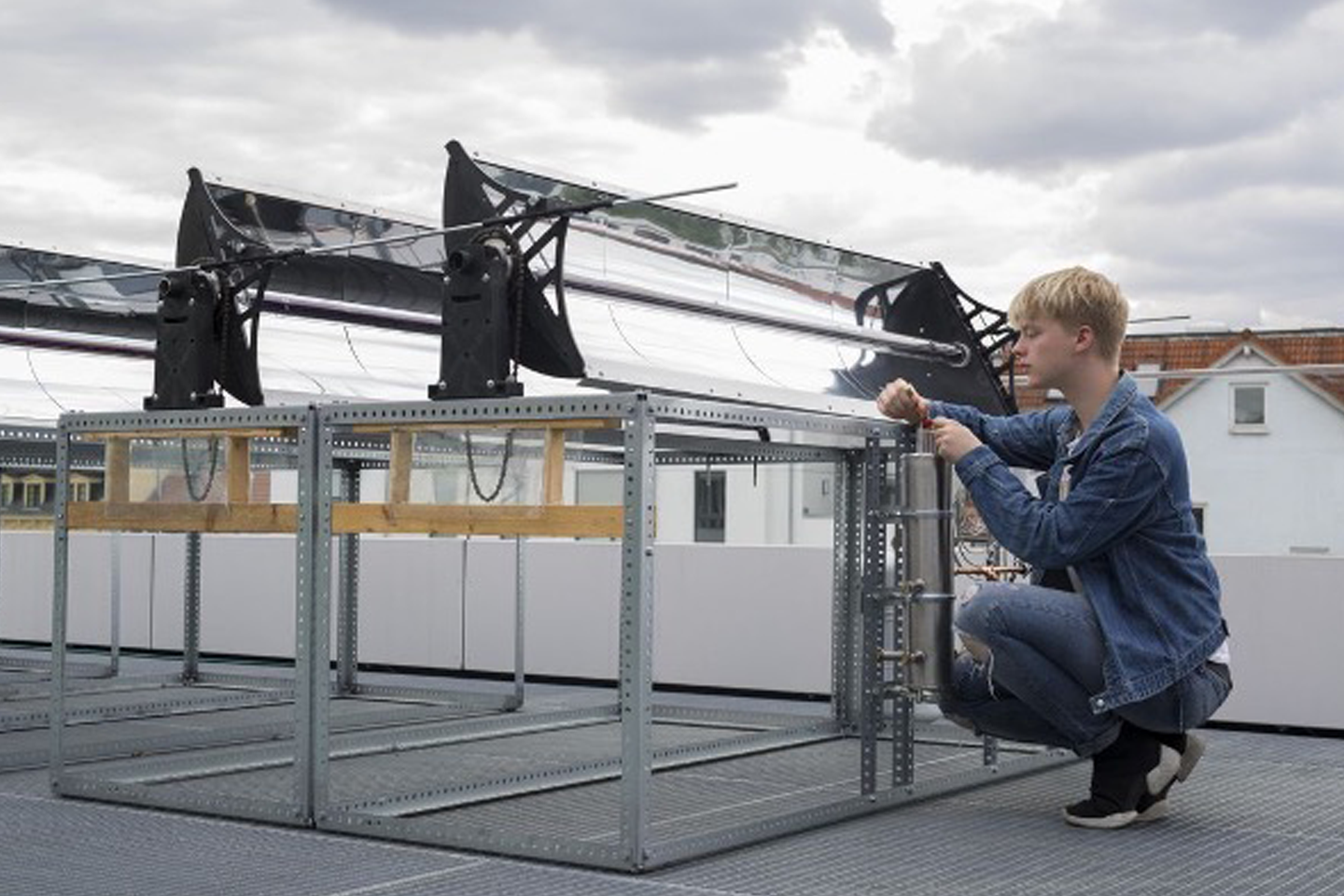
The research profiles of the Faculty of Engineering
The Faculty of Engineering at HTWK Leipzig has a wide-ranging research profile that is dedicated to key future topics and the challenging problems of future technologies. The Faculty's scientists combine their fundamental knowledge with application-oriented development in the Faculty's seven research specialisations and thus make an important contribution to the innovative strength of the economy and society.
Advanced Materials
The Advanced Materials research area focusses on the development, investigation and evaluation of modern materials. Composite and hybrid materials are analysed in terms of their structural integrity, degradation behaviour and service life, with damage mechanisms and material diagnostics playing a central role. Sustainable utilisation is also increasingly coming into focus: Components such as disused rotor blades from wind turbines or alternative materials in the construction industry are being tested for their reusability and integrated into new application contexts. In addition, multifunctional material systems are being researched that can take on additional functions alongside their load-bearing capacity, such as sensory properties for structural health monitoring.
Power & Electronics
The Power & Electronics focus area is dedicated to the entire spectrum of electrical energy and drive technology. The topics range from high-voltage technology and power electronics to semiconductor and circuit technology, which are of central importance for the energy supply and mobility of tomorrow. Innovative approaches to the simulation of magnetic fields, the modelling of complex systems or the coupling of high-frequency energy into materials are pursued, as is the development of power supplies and electrical machines in the high-performance range. With this expertise, the research area makes a significant contribution to the stability and efficiency of future energy systems.
Process Automation & IIoT
The Process Automation & IIoT focus area develops solutions for the digital and networked industry. The work ranges from intelligent sensor technology and industrial communication to robotic assistance systems. The focus is on cyber-physical systems and the Industrial Internet of Things, which are seen as the key to flexible, secure and efficient industrial communication. Topics such as the virtual commissioning of automation systems, simulation-based processes and the development of cooperative robotic systems show how practice-oriented research is paving the way for Industry 4.0 and beyond.
Robotics, Control & AI
The Robotics, Control & AI research focus brings together expertise in control engineering, robotics and artificial intelligence. In addition to classic methods of model predictive control and optimisation, machine learning, embedded AI systems and computer vision play a central role. Applications range from human-robot collaboration in industrial processes and adaptive assistance systems to AI-supported image and video analysis in sport, medicine and health. Projects on automatic motion analysis or non-invasive diagnostics show how scientific methods are transferred into practical solutions for business and society.
Sensors & Signals
The Sensors & Signals focus area concentrates on the acquisition, processing and transmission of data. Embedded systems and IoT solutions form the basis for applications ranging from industrial communication to medical diagnostics and satellite communication. In addition to radio systems and antenna modelling, the focus is on biomedical sensor technology and biosignal processing: methods for robust vital data acquisition, camera-based methods or AI-supported algorithms open up new possibilities in sport, health and everyday life. This is complemented by work on uncertainty and sensitivity analyses of complex systems, which ensure the reliability and robustness of the technologies.
Smart Design & Simulation
In the Smart Design & Simulation research focus area, digital methods are used in product development to make complex systems more efficient and sustainable. Processes such as computer-aided engineering, FEM or CFD simulations and digital twins enable the analysis and optimisation of mechanical, electromechanical and mechatronic designs. Reverse engineering, scanning technologies or applications in exoskeletons and drive systems demonstrate the broad use of these approaches. With circular design and the circular economy, the idea of resource-conserving product development is also consistently taken up.
Smart Energy & Environment
Research in the Smart Energy & Environment focus area addresses the challenges of climate change, energy transition and resource conservation. Renewable energy systems, energy efficiency improvements and smart grids are investigated, as is the development of strategies for energy and environmental monitoring. Life cycle assessment methods help to evaluate the ecological impact of new technologies. A particular focus is on the stability and flexibility of energy systems, for example through the control of decentralised energy cells or the development of intelligent building infrastructures. Practical approaches are being developed that support a reliable supply and at the same time contribute to sustainable development.
Together, these seven research specialisations form the scientific profile of the Faculty of Engineering. They demonstrate the entire spectrum of engineering expertise - from materials, energy and information systems to robotics and artificial intelligence. Close cooperation with companies and research institutions ensures that the results not only have an impact in the academic world, but also in practice. In this way, the faculty contributes to advancing technological innovations in the service of a sustainable, safe and future-proof society.
Celebration of 150 years of the Leipzig Municipal Vocational School
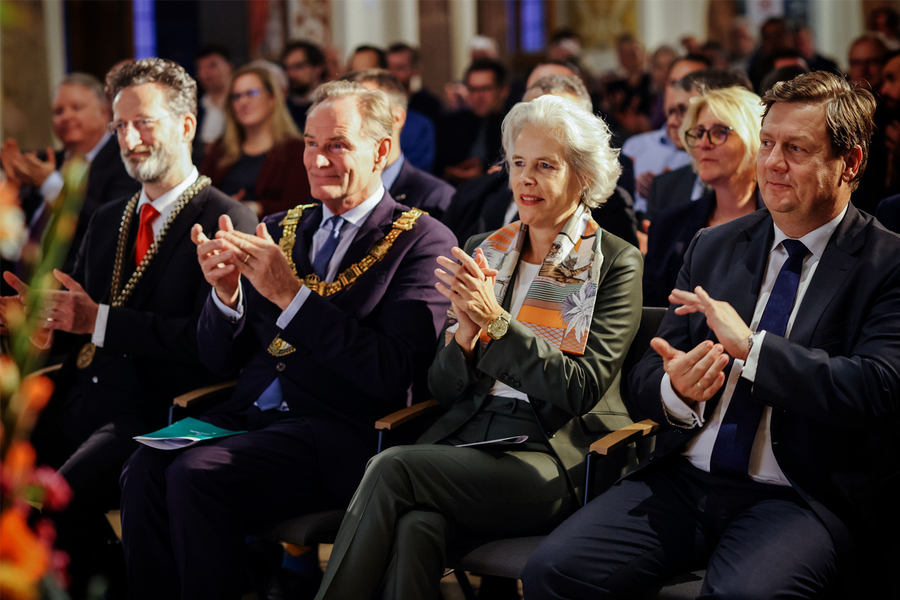
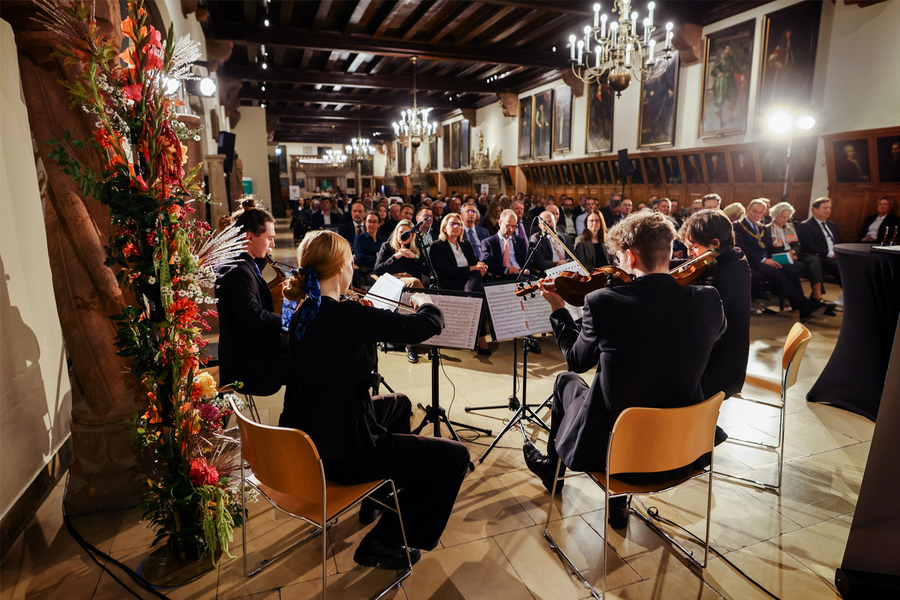
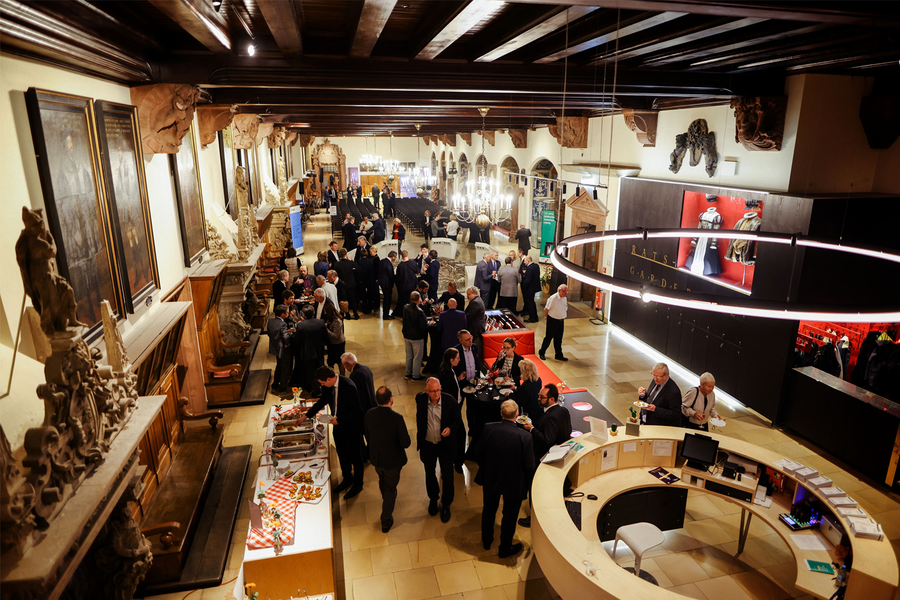
21. October 2025 | Old Town Hall, Festsaal
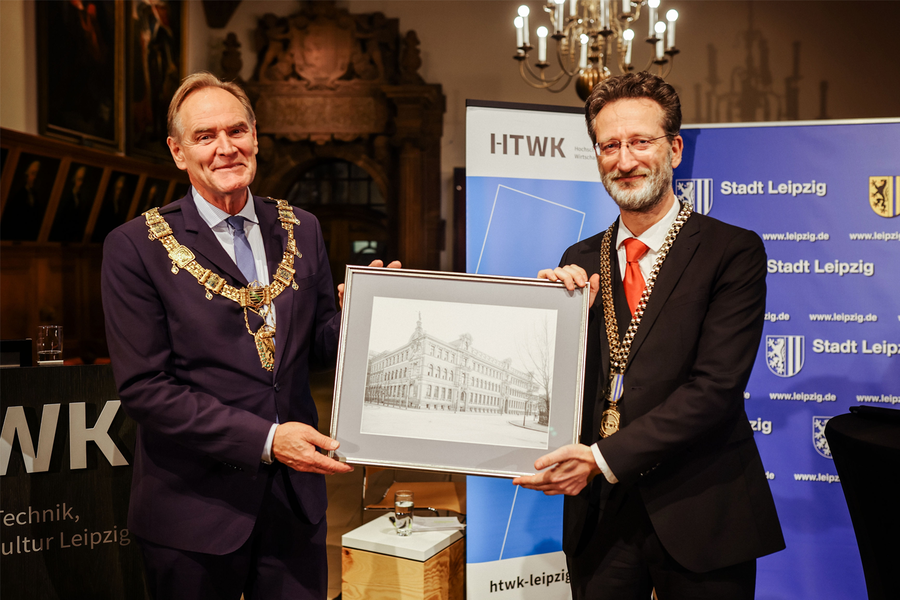
The joint festive event of HTWK Leipzig and the City of Leipzig honours the anniversary of the Leipzig Municipal Vocational School. To mark the occasion, the renewed cooperation agreement between HTWK Leipzig and the City of Leipzig will be signed by Lord Mayor Burkhard Jung and HTWK Rector Prof. Dr.-Ing. Jean-Alexander Müller.
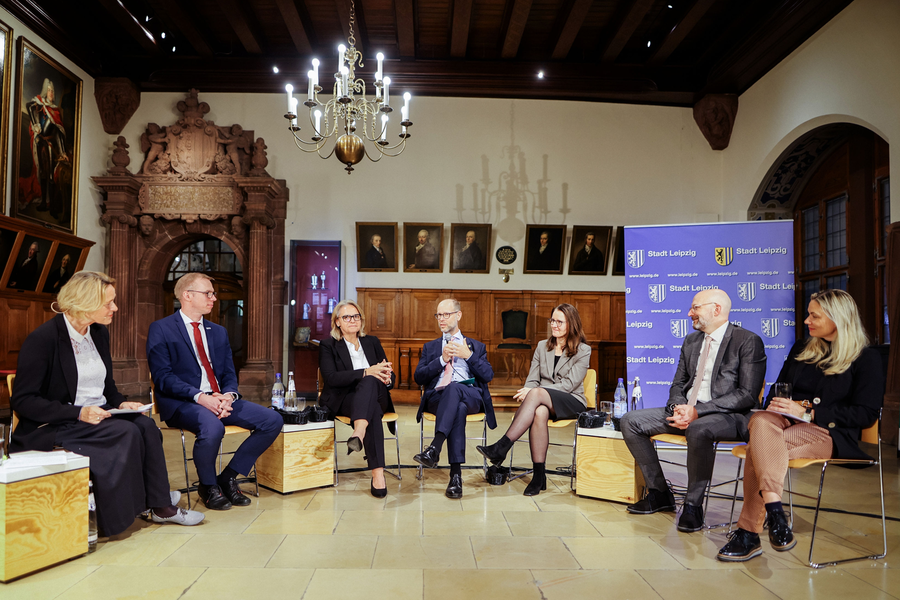
At the same time, HTWK and the city want to take the anniversary as an opportunity to reflect on the transfer of knowledge and innovation between HTWK Leipzig and the business location in the light of current technological and economic developments. This will take place as part of a panel discussion with people from politics, business and the university on the topic of "What is sustainable education? - Challenges for universities and business due to the transformation of job profiles".
Speeches
- Welcoming address | Prof. Dr.-Ing. Stephan Schönfelder, Dean of the Faculty of Engineering HTWK Leipzig
- Keynote speech | Prof. Dr. phil. Dirk Schaal, Honorary Professor of Industrial Culture and Economic Archives, Faculty of Computer Science and Media HTWK Leipzig
- Greeting | Burkhard Jung, Lord Mayor of the City of Leipzig
- Keynote speech | Prof. Dr.-Ing. Jean-Alexander Müller, Rector HTWK Leipzig
Panel discussion
- Prof. Dr. Heike Graßmann (State Secretary SMWK)
- Petra Peterhänsel (BMW Group)
- Mandy Baum (VNG Foundation)
- Mayor Clemens Schülke
- Thomas Kralinski (State Secretary SMWA)
- Prof. Dr.-Ing. Stephan Schönfelder (Dean of the Faculty of Engineering HTWK Leipzig)

Science Colloquium | Current Research at the HTWK Leipzig in the Faculty of Engineering Sciences
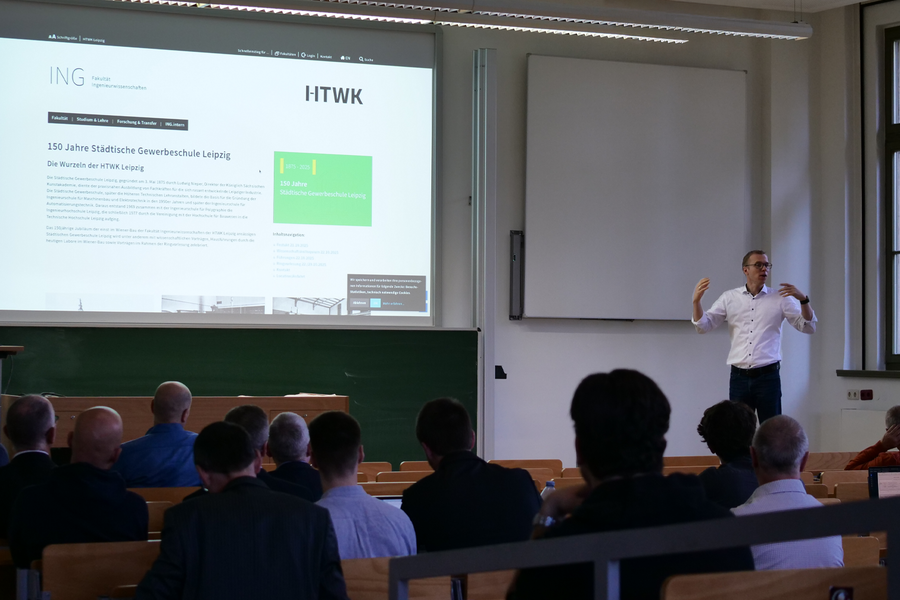
22 October 2025 | Wiener-Bau, Lecture Hall WI201
Programme
Lecture series 1 | 09.00 - 10.30 a.m.
Opening of the colloquium | Prof. Stephan Schönfelder, Dean of the Faculty of Engineering
Process Automation & IIoT
- Measurements on the body to determine lung functions | M.Sc. Moritz Thümmler; Team Prof. Andreas Pretschner
- AS-Interface - red thread of research and development at ASi in our company from 1992 until now | M.Eng. Dipl.-Ing. Tobias Rudloff; Team Prof. Tilo Heimbold
Robotics, Control & AI
- Improving competition analysis in canoe racing with the help of machine learning | M.Sc. Daniel Matthes; Team Prof. Mirco Fuchs
- Use of reinforcement learning for the control of mobile robots in logistics | M.Eng. Eric Elbing; Team Prof. Martin Gürtler
Advanced Materials
- Circular economy with fibre composites - recycling of large structures such as wind turbine rotor blades | M.Eng. M.A. Philipp Johst; Team Prof. Robert Böhm
Lecture series 2 | 11.00 - 12.30 a.m.
Sensors & Signals
- Satellite-based animal tracking using ultra-lightweight tags | Moritz Hündorf and Prof. Marco Krondorf
- Blood pressure measurement using the microphone method under motion conditions | Belá Schroth; Team Prof. Matthias Laukner
- Electrically conductive structures and their influence on the propagation of electromagnetic waves | M.Sc. Jens Voigt; Team Prof. René Sallier, Prof. Tilo Heimbold
Power & Electronics
- Power electronics concept comparison for modular bidirectional high-performance charging columns in the megawatt range | M.Sc. Bela Truschenski; Team Prof. Thomas Komma
- Space charges in high-voltage insulation systems of power electronic components for the utilisation of renewable energy | Pavel Pichugin; Team Prof. Carsten Leu
Lecture series 3 | 1.30 - 3.00 pm
Smart Energy & Environment
- Solar research in application | M.Eng. Ludwig Ostertag/Bruno Schneider/M.Eng. Thomas Wendt; Team Prof. Mathias Rudolph
- Smart Building Research at the Faculty of Engineering | M.Eng. Martin Hafemann; Team Prof. Gero Guzek
- Long-term scenarios of the German electricity market using a Python-based merit order model | M.Sc. Anna Luna Hofmann; Team Prof. Jens Schneider
Smart Design & Simulation
- Fluid mechanical simulations of the disinfection performance of UV-C air disinfectors for common respiratory pathogens | Dr Florian Wallburg; Team Prof. Stephan Schönfelder
- Application of digital reconstruction in mechanical engineering | M.Eng. Christian Döpel/M.Eng. Moritz Leo Neubert; Team Prof. Johannes Zentner

Lecture series on engineering innovation
Public lecture series with subsequent discussion
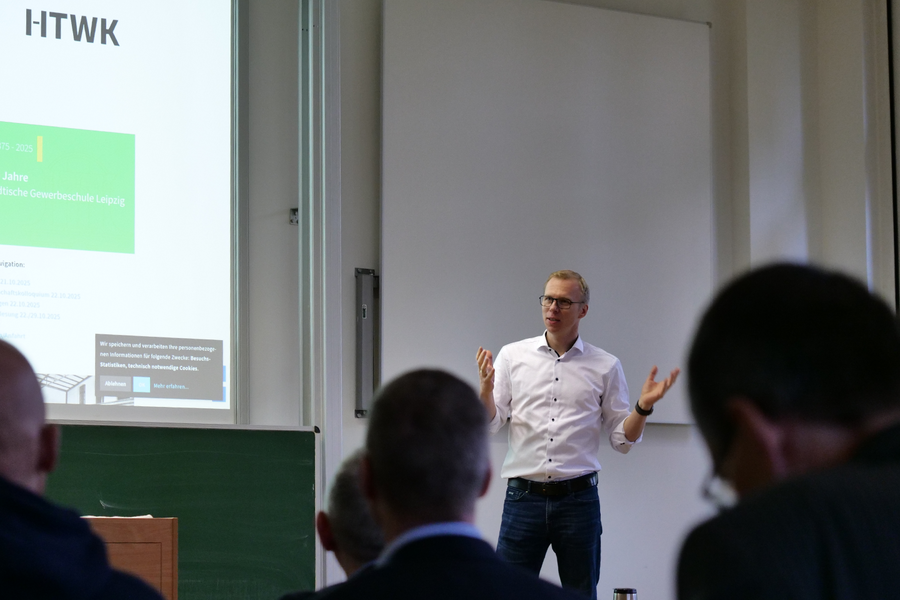
As part of the public lecture series of the Studium generale at HTWK Leipzig, the first two lectures on 22 October 2025 and 29 October 2025 will be dedicated to the Städtische Gewerbeschule Leipzig. The lectures will therefore take place in the historic Wiener-Bau building.
Historical lecture | 22 October 2025
17:15 to 18:45 |From the Municipal Trade School to the Faculty of Engineering at HTWK Leipzig - 150 years of technical education, Prof. Dr Jens Jäkel - Dean of Studies Faculty ING
Historical lecture | 29 October 2025
17:15 to 18:45 | The electrotechnical associations and technical education in Leipzig, Dr Jens Jannasch - VDE Verband Elektrotechnik Elektronik Informationstechnik e.V.
