

Key areas of research and development
Methodology
- Development and use of simulation models for structural mechanics and fluid dynamics (digital twins)
- Simulations of internal processes within solids using the finite element method (FEM) | Deformation, fracture, failure
- Simulations of flowing fluids using the finite volume method (FVM) | Gas flow in processes, indoor air flow
Selected areas of application
- Simulation of manufacturing processes: wire sawing, grinding, additive manufacturing, etc.
- Analysis of fracture and failure in brittle materials (semiconductors, glass, etc.)
- Simulation of indoor air flow/CO₂ concentration in building services engineering
- Biomechanics: Development of service life models for implant-bone interfaces
Prof. Dr.-Ing. Stephan Schönfelder
Chair of Simulation of Energy and Technical Systems
Institute
EMB | Institute for Development-Oriented Mechanical Engineering
Research Profile
Smart Energy & Environment
Telephone: +49 (0)341 3076 4157
Email: stephan(dot)schoenfelder(at)htwk-leipzig.de
TOUCAN Evolution
Development of process and manufacturing techniques for ‘tunnel oxides under contacts on n-type silicon solar cells’, progressing step by step towards industrial production
Sub-project: Numerical simulations of wet-process carrier and glass carrier designs
The aim of the project is to further develop TOPCon (Tunnel Oxide Passivated Contact) technology so that it is internationally competitive in industrial manufacturing, thereby securing the long-term availability of machinery, processes and expertise for high-performance photovoltaic production in Europe. Against the backdrop of ambitious expansion targets in the field of renewable energies, relocating and strengthening value creation in solar cell and module manufacturing is of central importance.
Funding: Federal Ministry for Economic Affairs and Climate Action (BMWK)
Project partners: RENA Technologies GmbH, ISC Konstanz e.V., centrotherm international AG, ISRA Vision GPsolar, TU Bergakademie Freiberg, Institute of Inorganic Chemistry
Project duration: 06/2025 – 05/2028
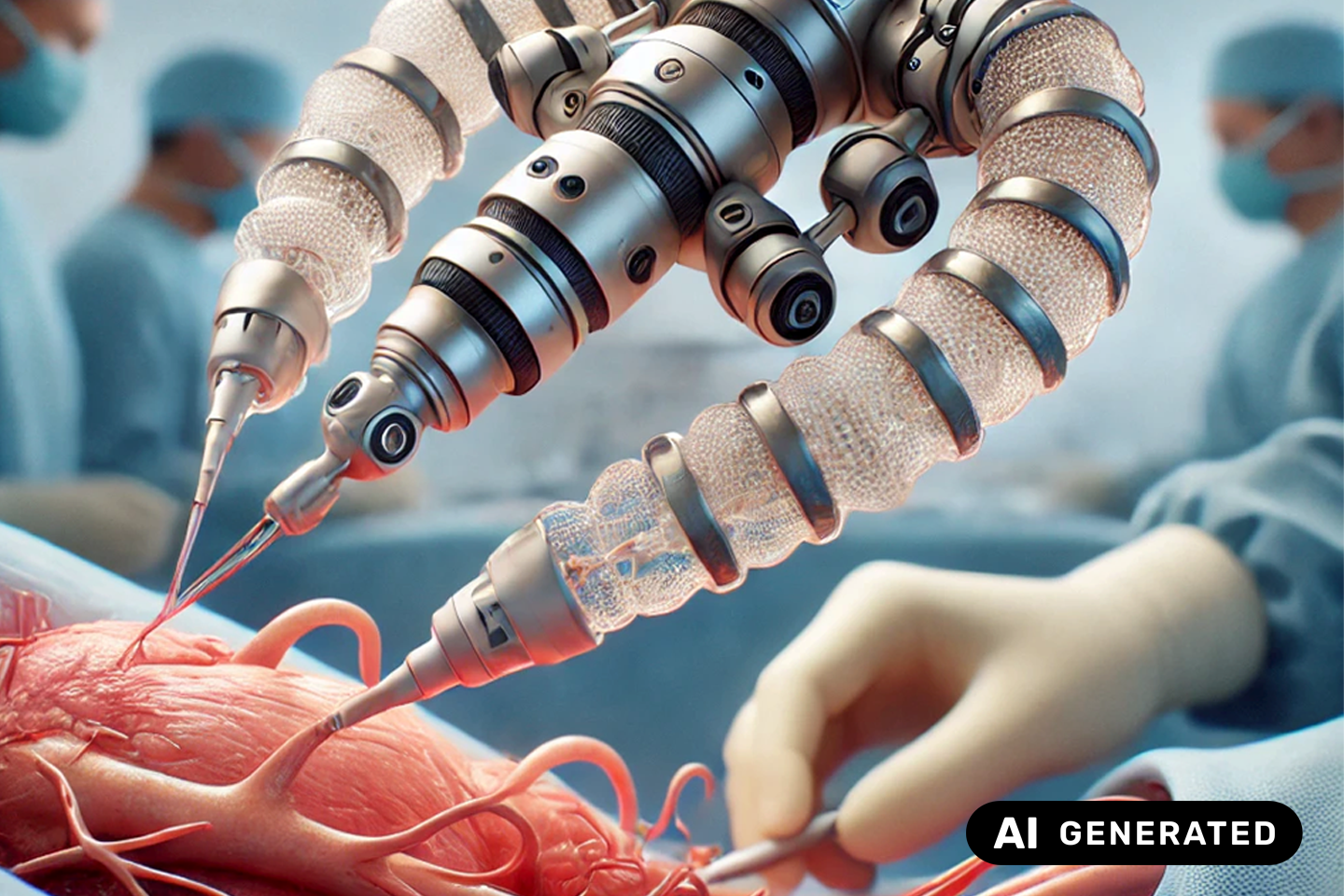
SoKoRoMed
Soft and continuum robotics for medical applications
The project aims to establish defined process chains for the manufacture of patient- or application-specific soft end-effectors. To this end, new materials, suitable calculation methods and a tailored 3D printing technique are being developed. The soft and continuum robots (SKR) will be designed as part of the project and deployed in combination with conventional medical and robotic technology in a comprehensive clinical demonstrator for specific interventions. The definition of standards for system and functional descriptions is intended to facilitate clinical translation.
Funding: Sächsische Aufbaubank – Förderbank (SAB), co-funded by the European Union
Project partner: Innovation Centre for Computer-Assisted Surgery (ICCAS) at the University of Leipzig
Project duration: 09/2024 – 10/2026
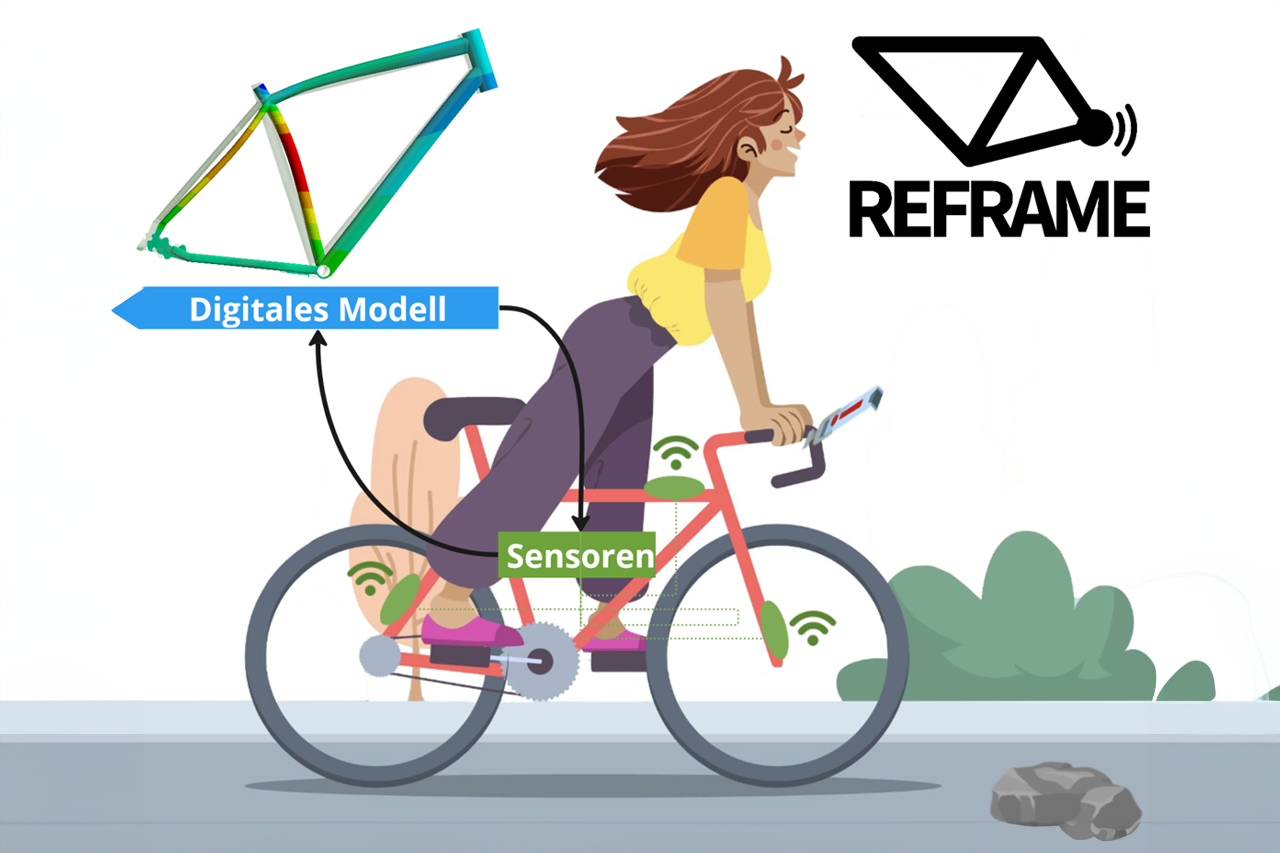
REFRAME
Resource-efficient and safer bicycles designed to meet higher load requirements, achieved through precise digital models and evaluation based on real-world load measurements
The aim of the REFRAME project is to drive forward the digitalisation of bicycle development using measurement-verified digital models, thereby ensuring its long-term viability.
Funding: Saxon State Ministry for Science, the Arts and Tourism (SMWK)
Project duration: 10/2023 – 12/2024
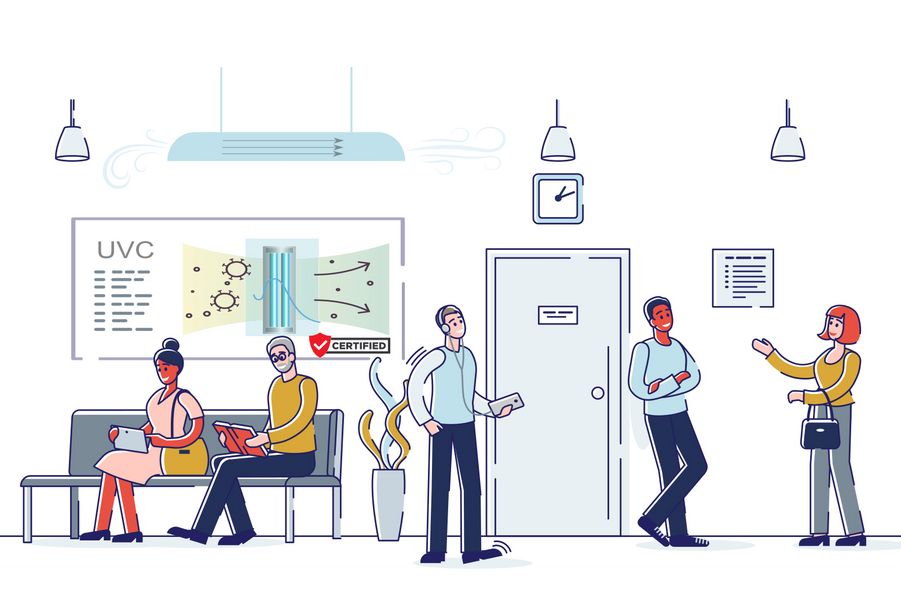
BeCoLe
Preventative hygiene measures: Air disinfection using UVC technology
In the context of the SARS-CoV-2 pandemic, healthcare facilities in particular must remain open even whilst strict protective measures are in place. Innovative hygiene concepts are needed to prevent these venues from contributing to a further rise in infection rates.
Funding: BMBF
Project partners: Dinies Technologies GmbH, Helmholtz Centre for Environmental Research GmbH, Leibniz Institute for Tropospheric Research e.V., NEL Neontechnik, Elektroanlagen Leipzig GmbH, Seiwo Technik GmbH, Institute of Virology, Leipzig University Hospital AöR, Virobuster International GmbH
Project duration: 07/2022 – 06/2025
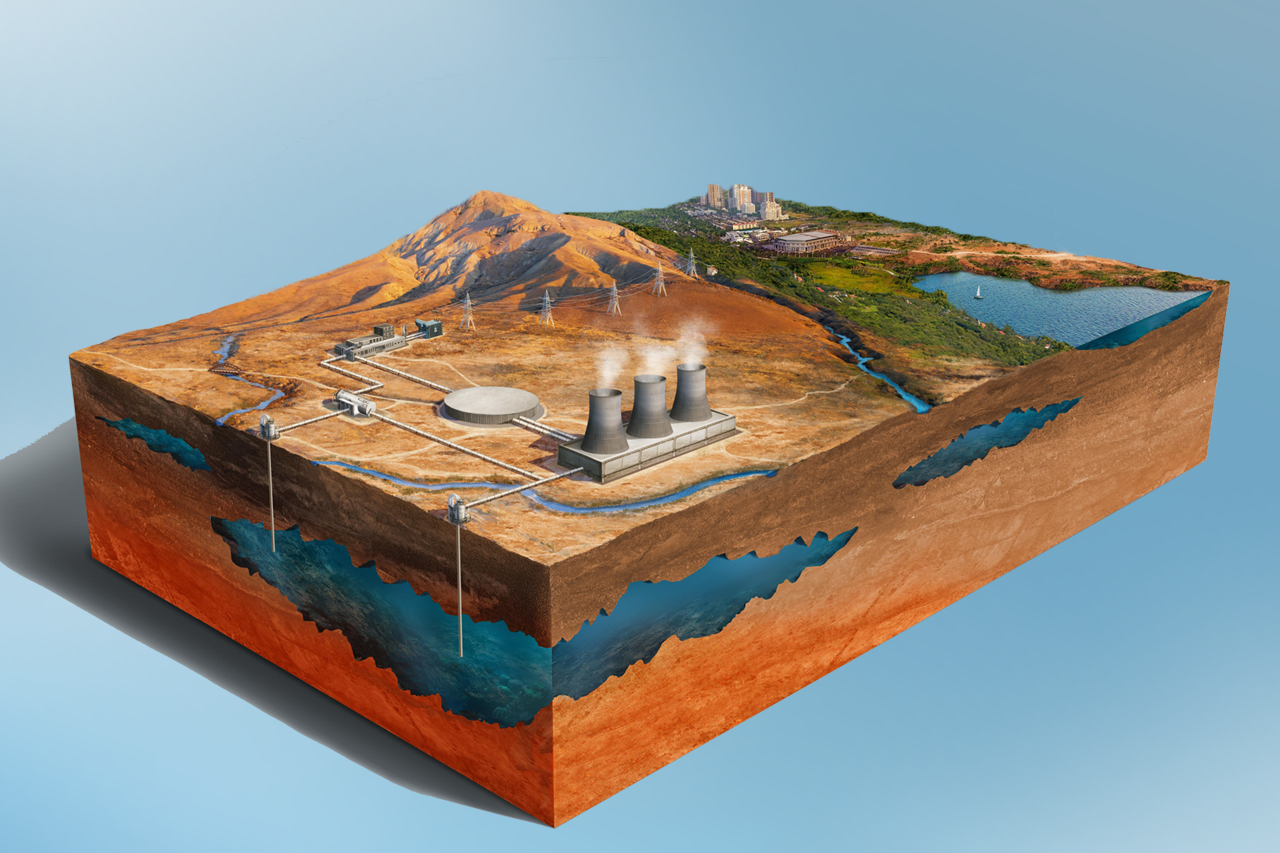
EASyQuart
Energy-efficient design and planning of decentralised supply networks for the heating and cooling of urban neighbourhoods, utilising the near-surface geological space
The aim is to develop a location-based decision-support system for heating and cooling urban areas using near-surface geothermal resources. Based on the expected results, it should be possible to make design procedures, legal frameworks and business models more flexible by formulating recommendations for action.
Funding:BMWi
Project partners: geoENERGIE Konzept GmbH Freiberg, UFZ | Helmholtz Centre for Environmental Research
Project duration: 10/2019 – 03/2023

HTWK Project | Simulation of indoor air flow and air quality
Calculating the risk of infection indoors with pinpoint accuracy
The research group led by Prof. Dr.-Ing. Stephan Schönfelder has developed a simulation model for spatially and temporally resolved virus concentrations caused by air flows in enclosed spaces. These new computational approaches enable a better understanding of the risk of infection for each individual indoors, thereby making an important contribution to the fight against pandemics.
SmartKMU | Smart simulation tools for process digitalisation in small and medium-sized enterprises in the manufacturing sector
Early-Career Research Group | Start: January 2020
The interdisciplinary early-career research group SmartKMU is developing simulation tools for the manufacturing industry that are designed to run on conventional computers. They are using the process of embossing cardboard – which is important for the packaging industry – as an example application.
Funding: Saxony’s Ministry of Science, with funding from the European Social Fund (ESF)
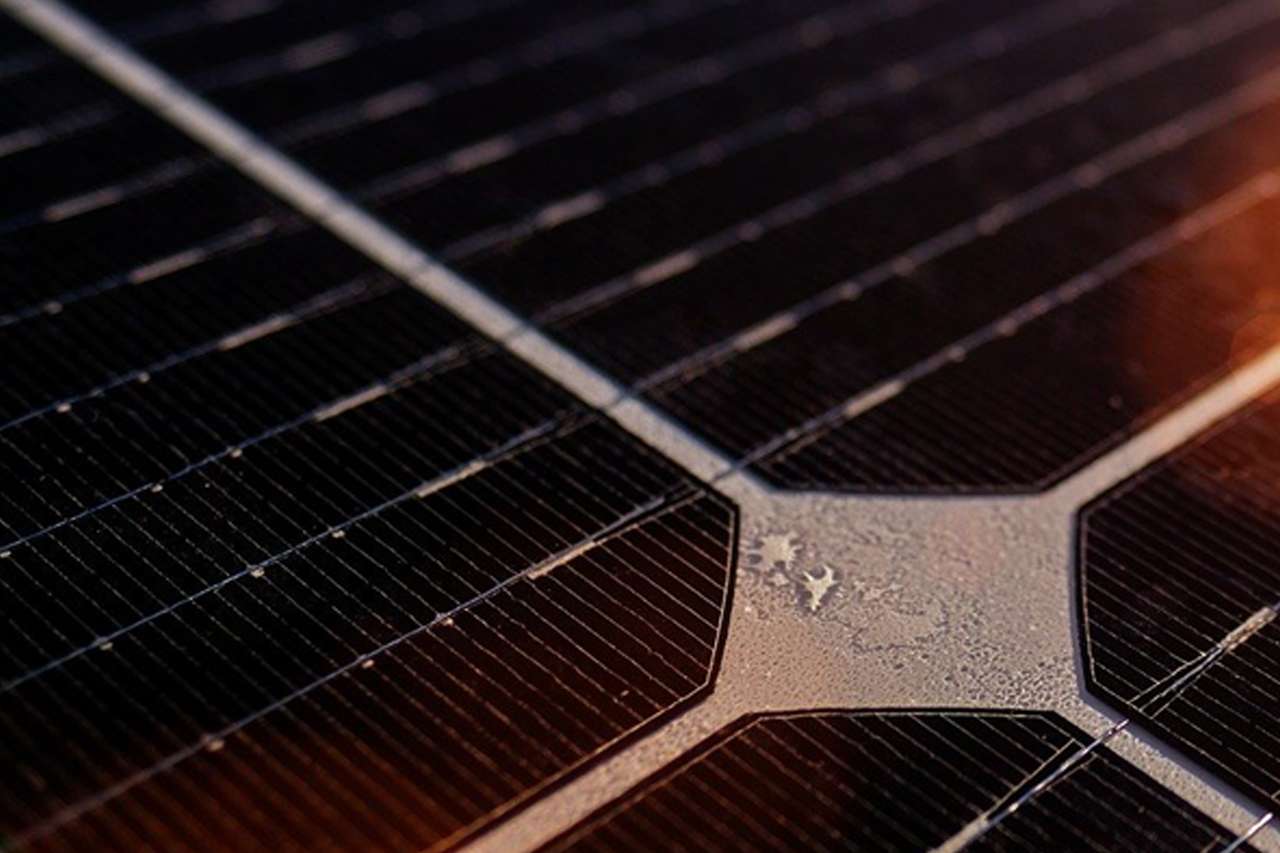
NextTec
Sub-project: Numerical simulation and evaluation of motion sequences in handling processes
As part of the BMWi’s NextTec project “Identification, evaluation and selection of next-generation production technologies with the potential to significantly increase throughput rates in PV production”, the aim is to investigate new, evolutionary and disruptive technological approaches to achieve a significant increase in throughput rates for use in silicon solar cell production.
Funding: BMWi
Project management: Forschungszentrum Jülich GmbH (PT-J.ESE1)
Project duration: May 2019 – April 2022
MagPV
Magnetic-field-based testing of PV systems | Simulation of the magnetic field
The MagPV project aims to develop an innovative magnetic-field-based method, including the relevant measurement technology and data analysis, for testing installed photovoltaic systems. To this end, a lightweight, portable measuring device is being designed, which the inspector moves manually across the surface of the modules.
Funding: ZIM/BMWi
