
Research Projects, Faculty of Engineering
We have compiled a selection of research and development projects from the Faculty of Engineering for you here.
On our institutes’ websites, you will find an overview of current and past projects under the ‘Research’ section.
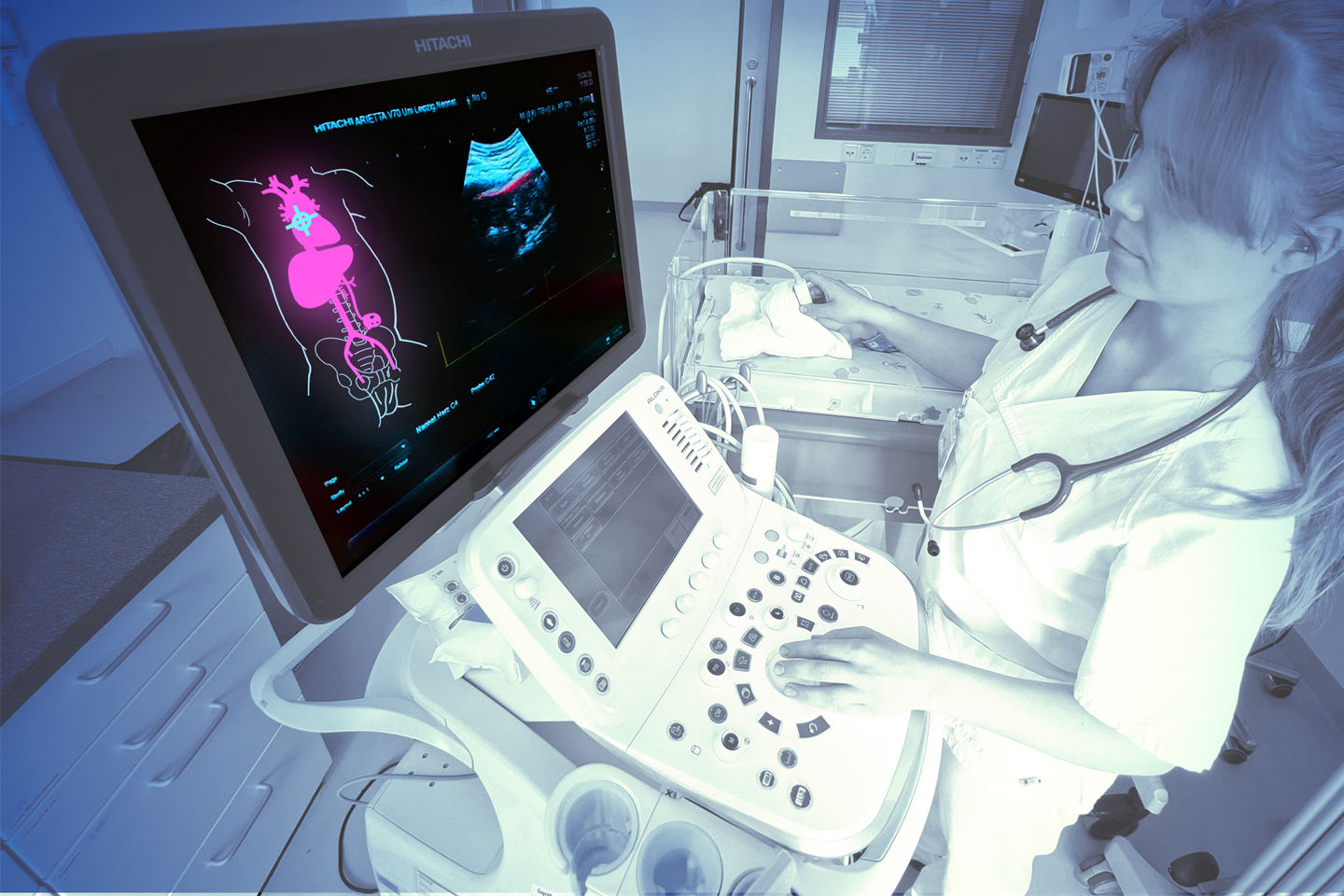
NeoQKat
Innovative quantum photonic measurement technology for neonatal catheter positioning
EEL sub-project: Magnetic-field-coded positioning for quantum-sensor-based catheter navigation
♢ Project | Prof. Dr.-Ing. René Sallier
The aim of the EEL working group’s sub-project is to develop and experimentally validate a novel method for precise catheter localisation in preterm infants. To this end, the necessary physical and technical system parameters, as well as requirements for magnetic field generation, quantum sensor technology, measurement electronics and signal processing, are derived from clinical requirements using simulation.
Funding: BMFTR
Project partners: Leipzig University Medical Centre, Innovation Centre for Computer-Assisted Surgery (ICCAS); Martin Luther University Halle-Wittenberg, Centre for Diagnostic and Interventional Ultrasound; Friedrich Schiller University Jena; Leibniz Institute for Surface Modification e.V.; duotec GmbH; Quantum Technologies GmbH
Project duration: 09/2026 – 08/2029
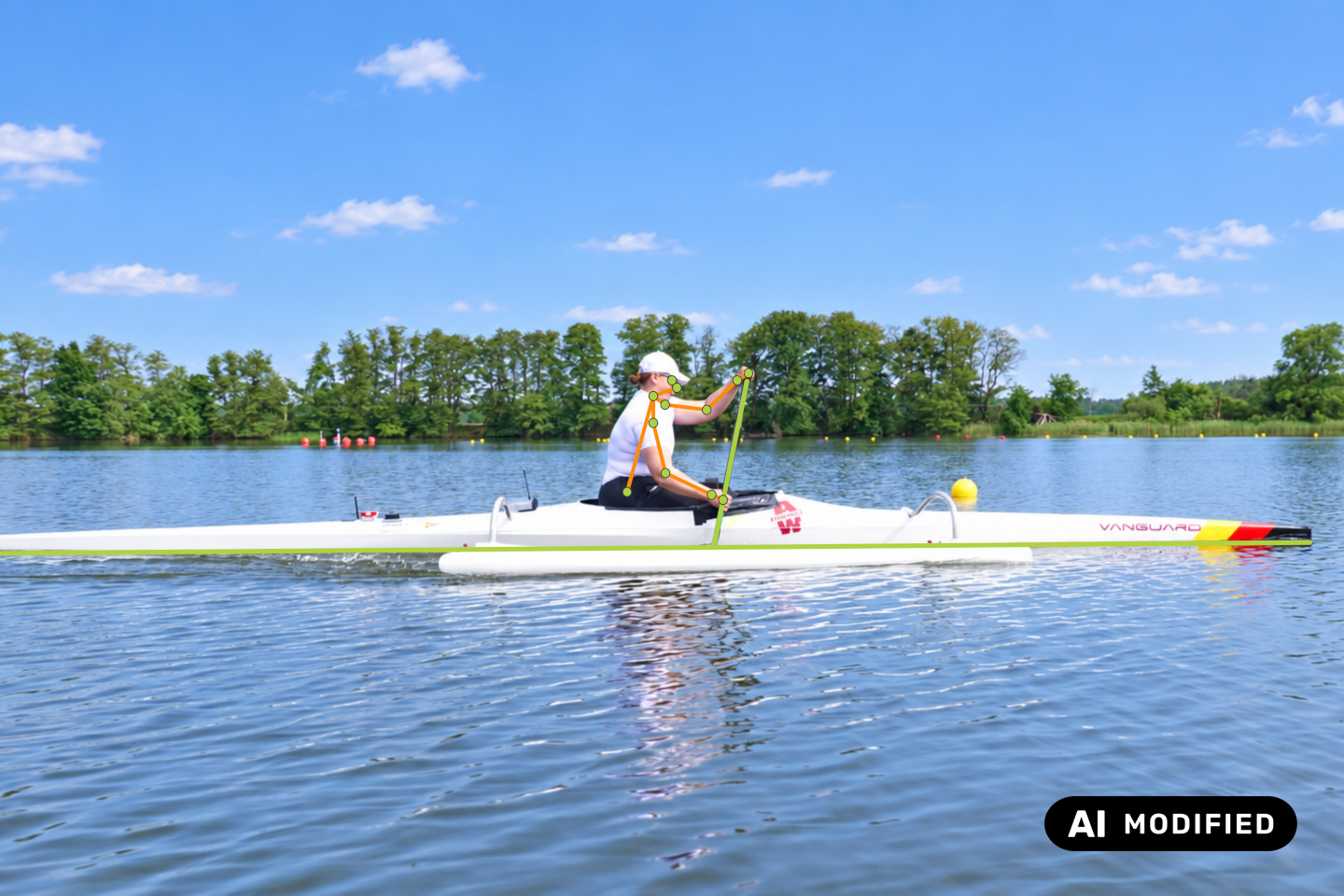
para cAInoe
Automated technical and competition analysis in para-canoeing using video data
♢ Project | Prof. Dr.-Ing. Mirco Fuchs
Software solutions for video-based driving technique analysis (canoe kinematics) and for the evaluation of competition performance and tactics (Canoe Race) in Olympic canoe racing have already been successfully developed at HTWK as part of BISp-funded applied research projects. Within this project, the existing solutions are now being expanded so that their potential can also be fully utilised in paracanoe in future.
Funding: Federal Institute for Sports Science (BISp)
Project partners: German Disabled Sports Association (DBS), Institute for Applied Training Science (IAT) Leipzig, Olympic Training Centre NRW/Rhein-Ruhr (OSP NRW/Rhein-Ruhr)
Project duration: 08/2026 – 07/2027
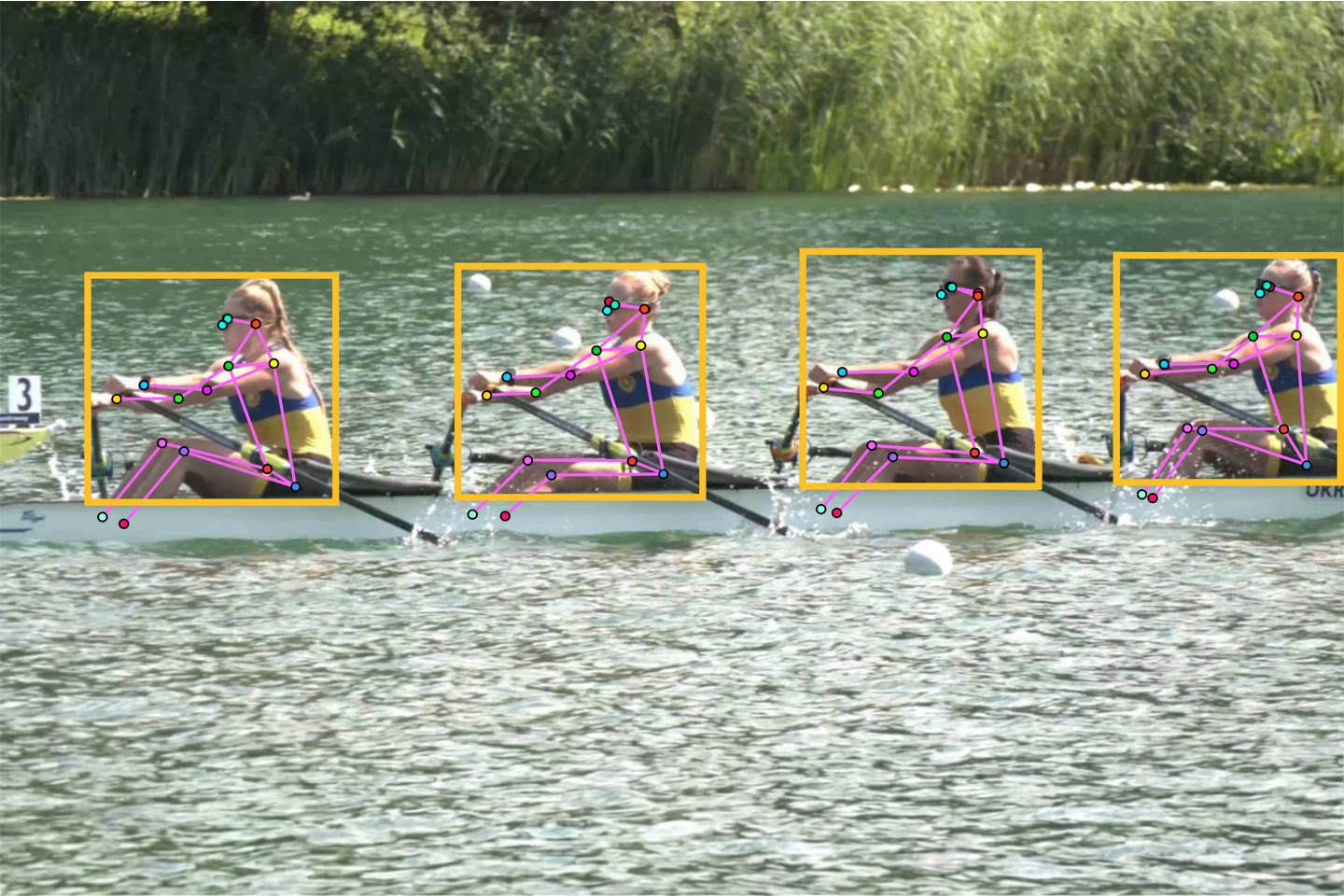
rowAIng kinematics
Video-based automated analysis of partial body movements in rowing
♢ Project | Prof. Dr.-Ing. Mirco Fuchs
The central idea behind the project is to develop algorithms for the computer-aided assessment of rowing technique based on video data. This is intended to expand the technical analysis – which has hitherto relied on sensor data and visual assessment – to include a quantitative evaluation that captures the influence of partial body movements on the boat’s acceleration and speed.
Funding: Federal Institute for Sports Science (BISp)
Project partners: German Rowing Association (DRV), Institute for Research and Development of Sports Equipment (FES)
Project duration: 01/2026 – 12/2027
GetMo
Rapid-calibration gearbox monitoring
♢ Project | Prof. Dr.-Ing. Faouzi Derbel
Title: Development of a rapid-calibration gearbox monitoring system for the precise localisation of faults, for the predictive maintenance of specialised gearboxes using a cascaded, integrated sensor array
Sub-project: Development of wireless, self-contained internal sensor technology and wireless communication between the individual sensor elements within the gearbox, with a connection to the exterior of the gearbox
The aim of the project is to develop a self-calibrating gearbox monitoring system for the precise localisation of damage for the predictive maintenance of specialised gearboxes using a cascaded, integrated sensor array.
Funding: BMWE/AiF
Project/cooperation partner: Getriebebau Nossen GmbH & Co. KG
Project duration: 01/2026 – 08/2028
DUFLOR
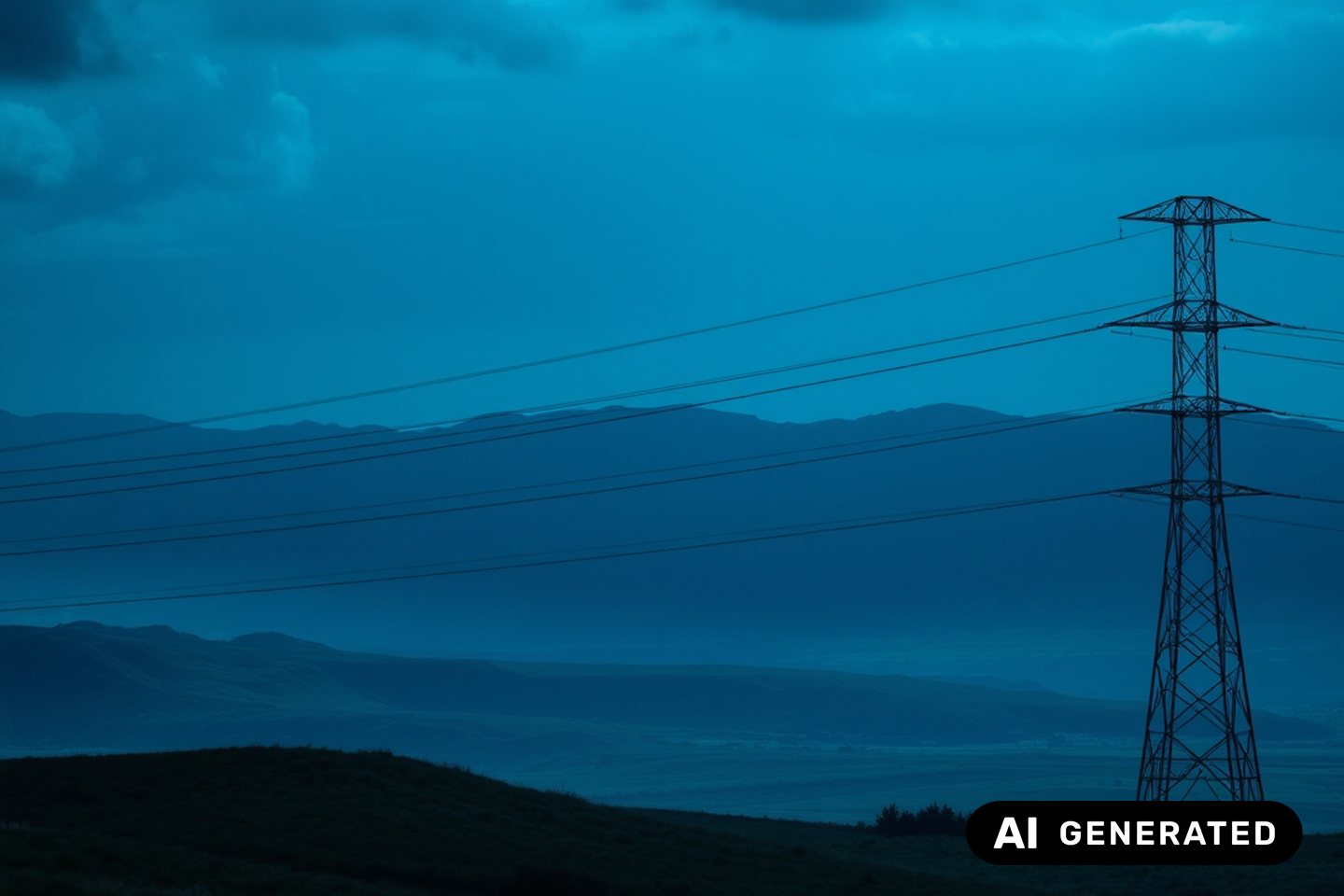
Sagging detection on overhead lines using optical alignment sensors
♢ Project | Prof. Dr.-Ing. Faouzi Derbel
The aim of the DUFLOR project is to develop a measurement method for overhead line monitoring that determines the actual load-bearing capacity of the conductor cables using contactless, direct sag measurement.
Funding: SMEKUL/SAB
Project duration: 05/2025 – 12/2027
ARageriuM
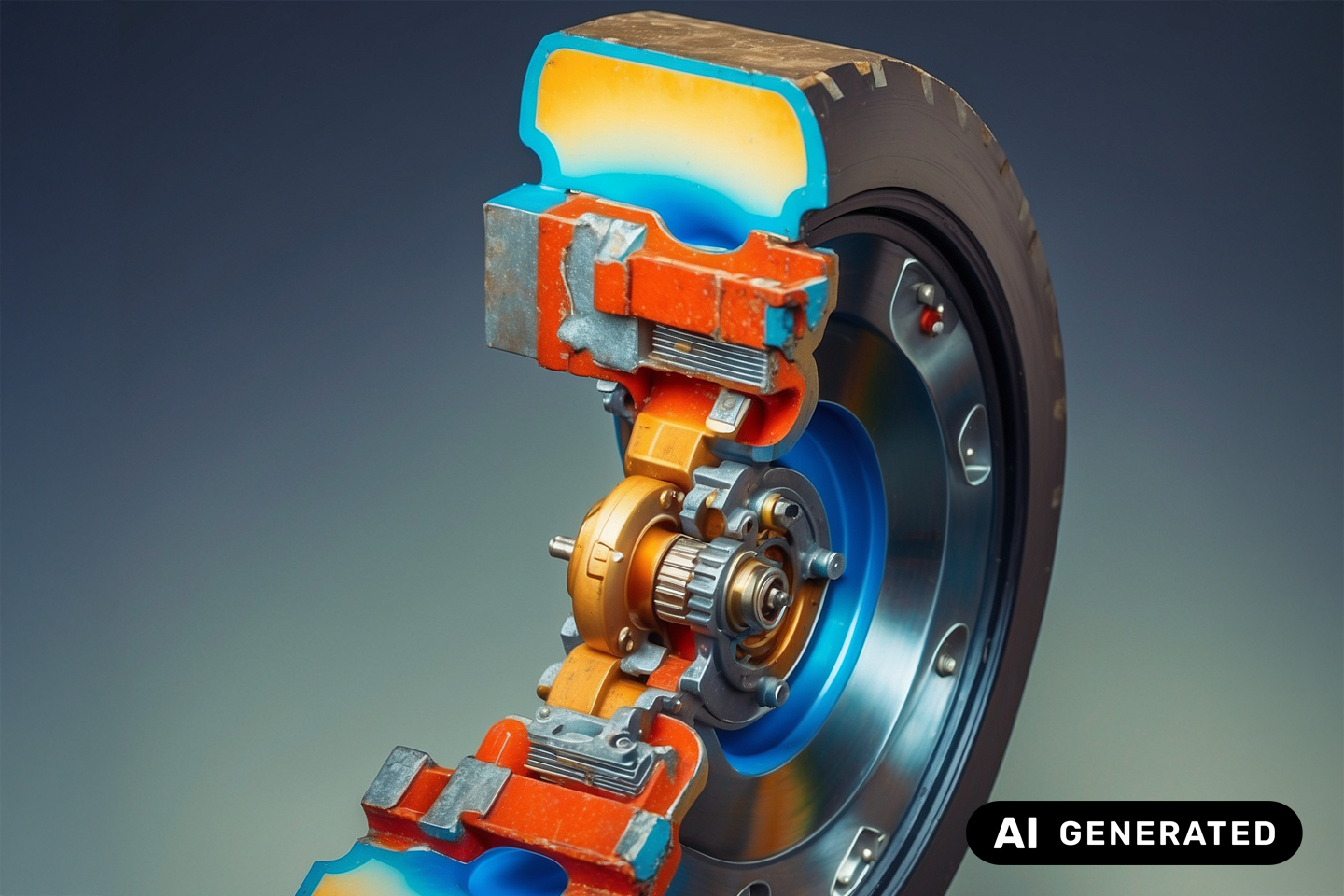
Axial-flow wheel-hub motor with low unsprung mass and an integrated brake for passenger cars and light commercial vehicles
♢ Project | Prof. Dr.-Ing. Cornelius Bode
Electric motors integrated into the wheel – known as electric wheel hub motors – offer great potential. A drawback of wheel hub motors is their high unsprung mass, which has so far prevented this drive technology from being used without restriction in motor vehicles. The ARageriuM project aims to tackle this problem by reducing the unsprung mass. The approach aims to avoid the use of rare-earth magnets in order to minimise system costs and increase independence from non-EU countries.
Funding: BMBF
Collaboration: Cologne University of Applied Sciences; RODING Mobility GmbH
Project duration: 09/2024 – 02/2028

SafeH2Supply
♢ Projekt | Prof. Dr.-Ing. Robert Huhn
SafeH2Supply entwickelt Konzepte für eine sichere, zuverlässige und umweltverträgliche Wasserstoffversorgung. Im Mittelpunkt stehen die Odorierung von Wasserstoff zur Erhöhung der Betriebssicherheit, die Sicherstellung der Gasqualität beim Einsatz bestehender Infrastrukturen sowie die Reduktion von Umweltauswirkungen durch Emissionsmessungen und Ökobilanzierung.
Projektstart: 04/2025 - 12/2027
Förderung: Freistaat Sachsen/SAB
Projektpartner: DBI Gas- und Umwelttechnik GmbH

DES-4-Energy
♢ Projekt | Prof. Dr.-Ing. Jens Schneider
Das Projekt DES-4-Energy zielt darauf ab, eine führende Software für Energiemanagement zu entwickeln, die Betreibern von Energiesystemen eine umfassende und zukunftssichere Lösung für Monitoring, Analyse und Optimierung bietet. Mit selbstlernenden Optimierungslösungen sollen Primärenergieeinsparungen von bis zu 30% erreicht und die Betriebstransparenz erhöht werden.
Projektlaufzeit: 01/2025 - 12/2027
Förderung: Freistaat Sachsen/SAB
Projektpartner: Tilia GmbH, ENDIGY GmbH & Co. KG, ITM Management & Consulting GmbH, treetek custom development GmbH

BLWH2
Verbundvorhaben: EnEff:Wärme: BLWH2 – Erschließung und Versorgung von Bestandsgebäuden und Neubauentwicklungen der Stadt Bad Lauchstädt mit klimaneutraler Wärme
Teilvorhaben: Konzeptentwicklung und Lebenszyklusanalyse für das Versorgungskonzept mit Großelektrolysen
♢ Projekt | Prof. Dr.-Ing. Robert Huhn
BLWH2 untersucht die Nutzung von Abwärme aus der Elektrolyse zur Wärmeversorgung urbaner Räume. Die HTWK Leipzig bewertet im Rahmen einer Lebenszyklusanalyse (LCA) die Umweltauswirkungen verschiedener Versorgungsszenarien – mit besonderem Fokus auf den CO₂-Fußabdruck. Zudem übernimmt die HTWK Leipzig die Einsatzoptimierung und Auslegung zentraler Komponenten der Energieinfrastruktur. Dies erfolgt mittels pythonbasierter Modellierung des betrachteten Energiesystems zur Analyse und Bewertung verschiedener Betriebsstrategien.
Förderung: BMWE
Projektpartner: DBI Gas- und Umwelttechnik GmbH, Mitteldeutsche Netzgesellschaft Gas mbH, envia THERM GmbH, VNG AG
Projektlaufzeit: 11/2024 - 10/2026
EEdeL
Development of lightweight, pressure-applied battery casings for high-performance solid-state batteries
♢ Project | Prof. Dr.-Ing. habil. Robert Böhm
To make short-haul aircraft more eco-efficient and, in the long term, to implement fully electric propulsion systems, the HTWK is developing a lightweight, pressure-applying battery housing for high-performance solid-state batteries, which, due to its mechanical strength, is suitable for direct installation in short-haul aircraft. The aim of EEdeL is to build an understanding of the interplay between pressure and battery performance. Models are being developed for the pressure-dependent electrochemical properties of solid-state batteries.
Funding: BMWE, Aviation Research Programme
Project duration: 05/2026 – 04/2029
ReComCret
Methods for the reuse of end-of-life composite components in the construction industry
♢ Project | Prof. Dr.-Ing. habil. Robert Böhm
Through interdisciplinary collaboration between the fields of wind energy, construction and lightweight construction, ReComCret aims to develop a system-oriented, holistic approach to the production and reuse of end-of-life (EoL) composite components from wind turbine blades (WTB) for applications in the construction industry in the form of glass-fibre-reinforced concrete, and to develop this into a market-ready product. The chosen approach aims to avoid the environmentally harmful disposal methods of incineration and landfill in future, and instead achieve a circular economy approach to the use of fibre-reinforced composites from the wind energy sector.
Funding: SAB/EU
Project duration: 03/2026 – 04/2028
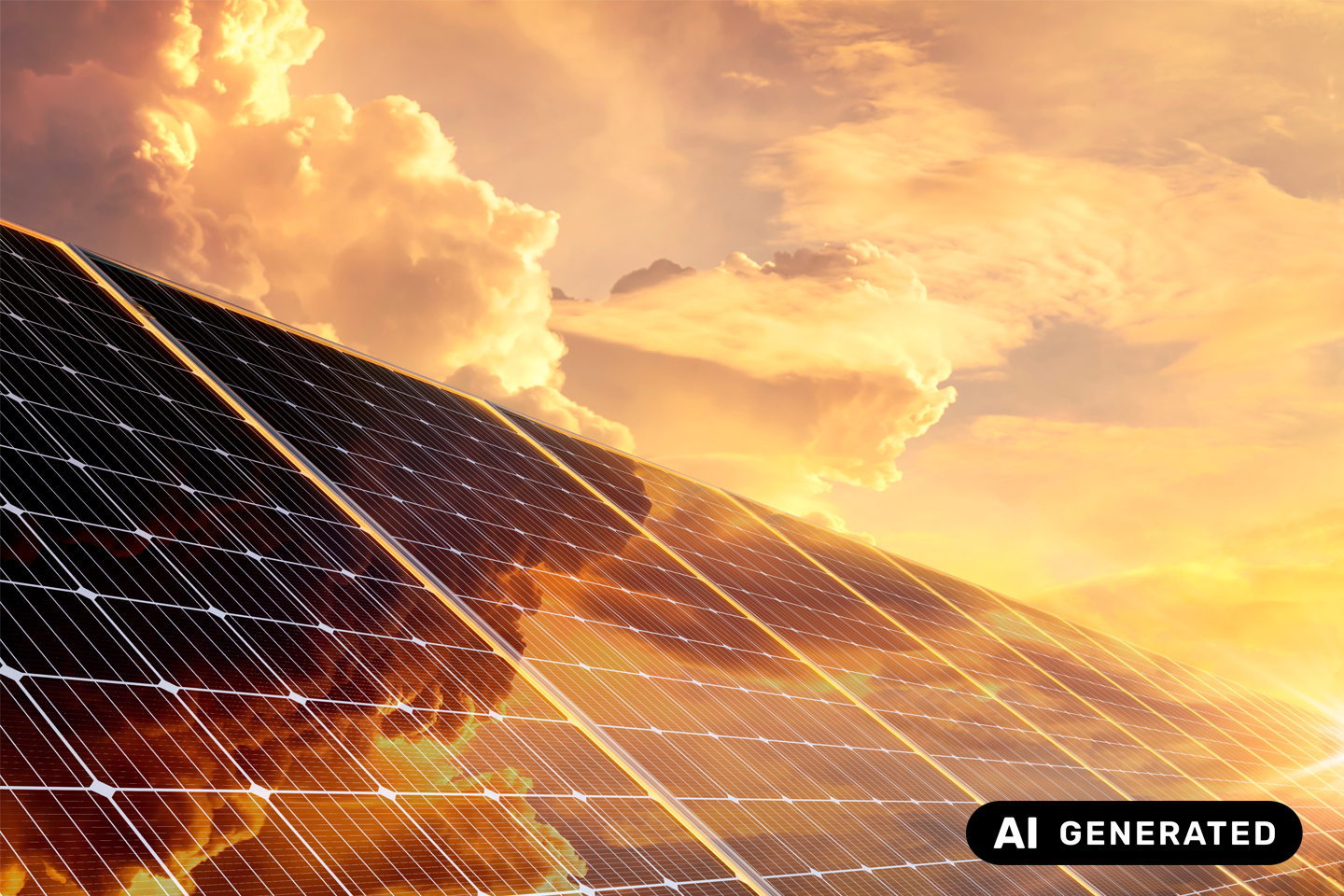
TOUCAN Evolution
Development of process and manufacturing techniques for ‘tunnel oxides under contacts on n-type silicon solar cells’, progressing step by step towards industrial production
Sub-project: Numerical simulations of wet-process carrier and glass carrier designs
♢ Project | Prof. Dr.-Ing. Stephan Schönfelder
The aim of this project is to further develop TOPCon (Tunnel Oxide Passivated Contact) technology so that it is internationally competitive in industrial manufacturing, thereby ensuring that machinery, processes and expertise required for high-performance photovoltaic production in Europe are secured in the long term. Against the backdrop of ambitious expansion targets in the field of renewable energies, relocating and strengthening value creation in solar cell and module manufacturing is of central importance.
Funding: Federal Ministry for Economic Affairs and Climate Action (BMWK)
Project partners: RENA Technologies GmbH, ISC Konstanz e.V., centrotherm international AG, ISRA Vision GPsolar, TU Bergakademie Freiberg, Institute of Inorganic Chemistry
Project duration: 06/2025 – 05/2028
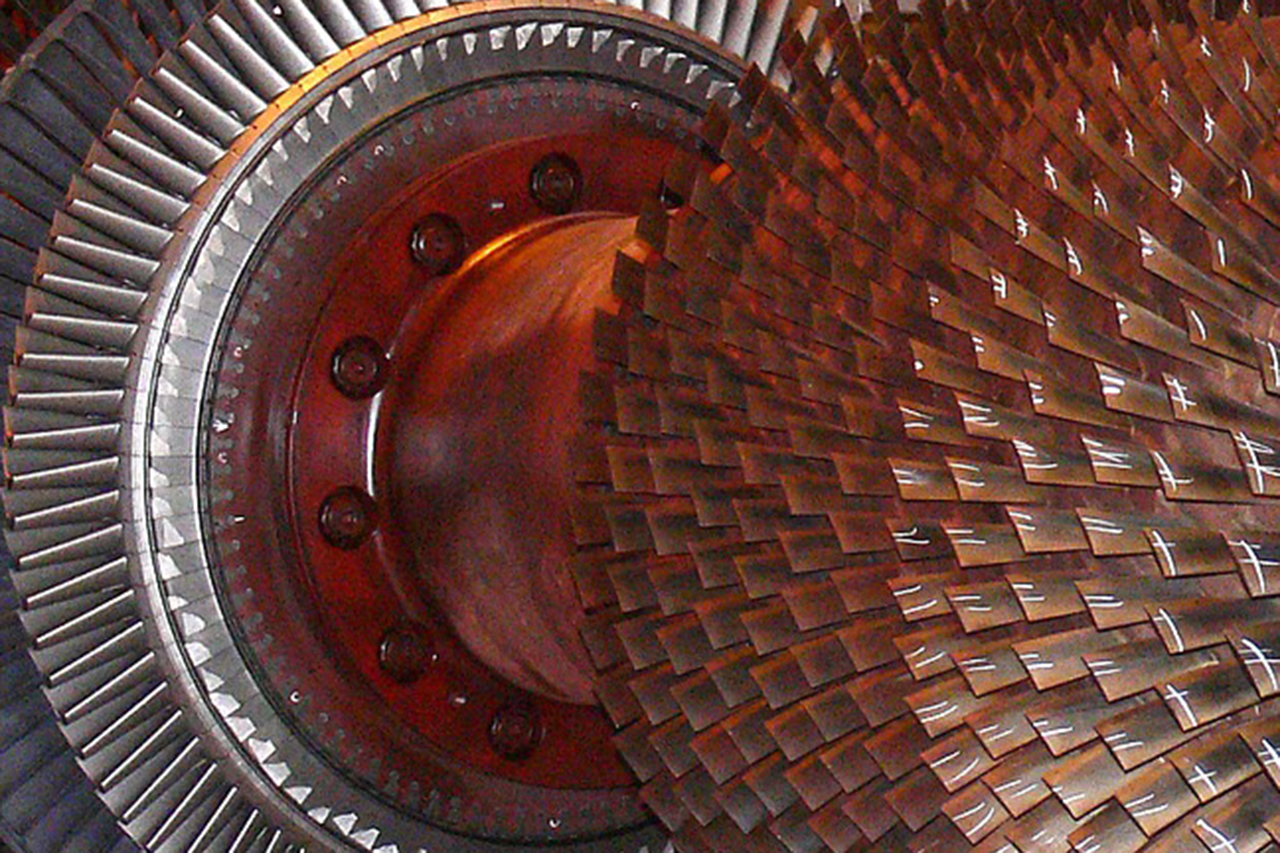
KITurbo
AI-driven technologies for generating semi-supervised and runtime-accelerated digital twins, and for classifying operational and fault states throughout the life cycle of industrial compressor and turbine systems
♢ Project | Prof. Dr.-Ing. Jens Jäkel
The project addresses key challenges facing the process industry, such as increasing complexity, a shortage of skilled workers and the loss of knowledge, by further developing AviComp’s existing Digital Twin (DT) framework. The focus is on the use of AI-supported methods to assist with monitoring, optimisation, fault diagnosis and more efficient modelling of compressor and turbine systems. To this end, the FTZ sub-project is developing hybrid modelling approaches for the semi-automated generation of the DT, accelerated simulation and AI-based classification of fault states.
Funding: Central Innovation Programme for SMEs (ZIM)
Project partner: AviCompControls GmbH
Project duration: 06/2025–01/2028
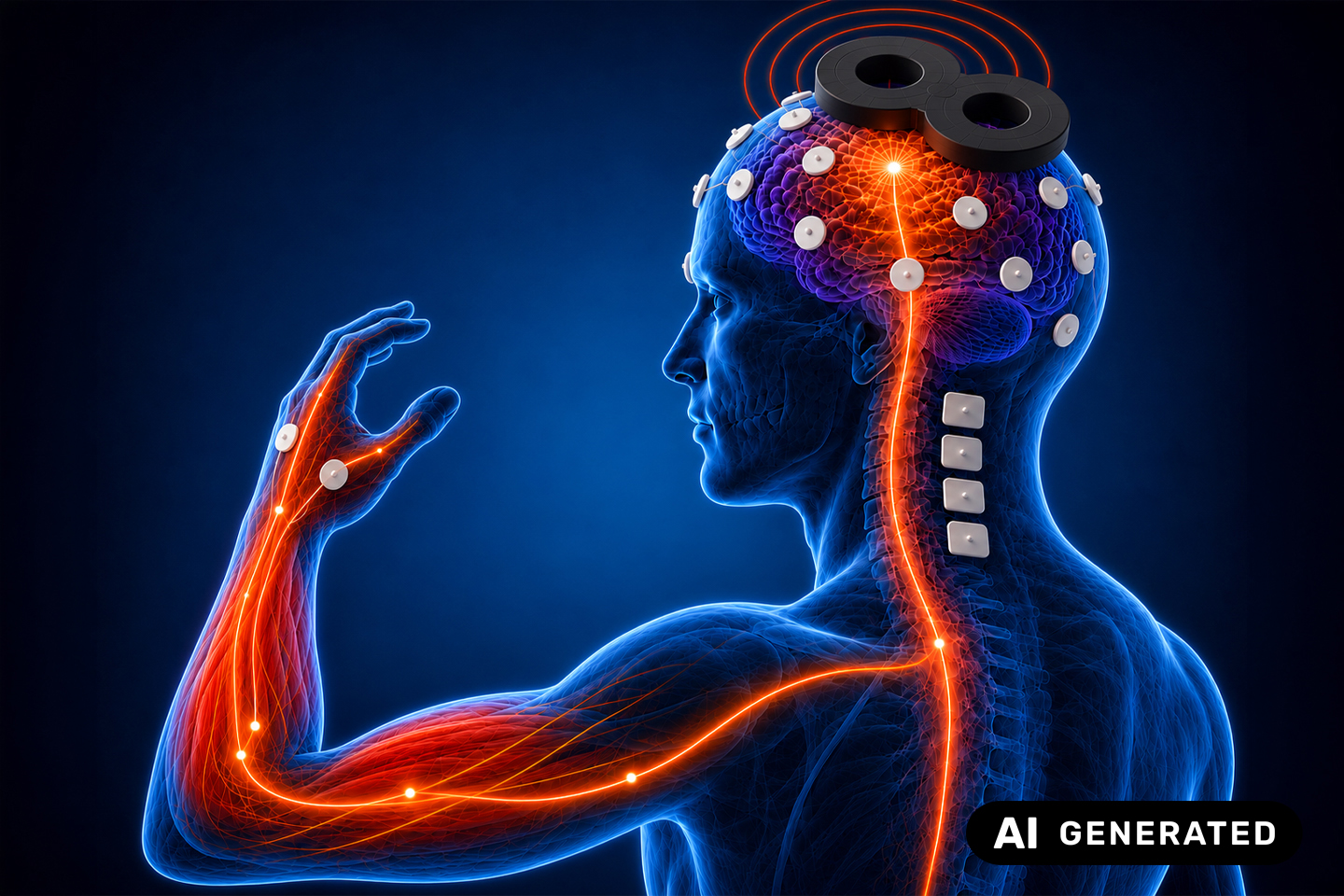
TMSModel
From induction to movement – a detailed biophysical model of motor activation through transcranial magnetic stimulation
♢ Project | Prof. Dr.-Ing. Konstantin Weise
The TMSModel research project investigates the complex chain of effects involved in transcranial magnetic stimulation (TMS), from the induced electrical field in the brain to the measurable response of a muscle. The aim is to develop a comprehensive biophysical model that links the activation of neural networks in the motor cortex, the transmission of nerve signals via the spinal cord and peripheral nerves, and, finally, the generation of motor-evoked potentials in the muscle.
Funding: German Research Foundation (DFG), Weave Lead Agency scheme
Project partners: Max Planck Institute for Cognitive and Neural Sciences, Leipzig; Czech Academy of Sciences, Prague, Complex Networks and Brain Dynamics Group
Project duration: 05/2026 – 04/2029
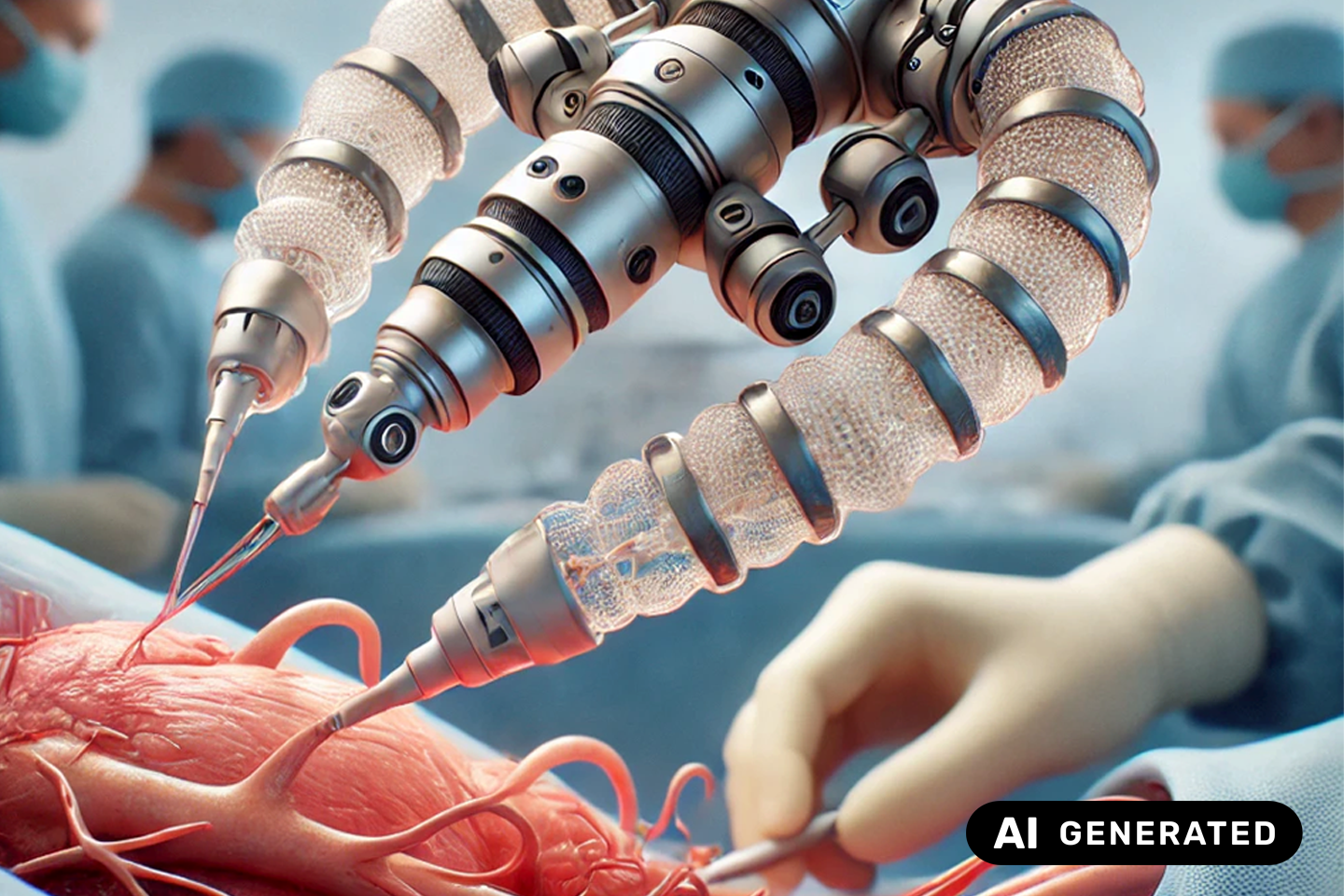
SoKoRoMed
Soft and continuum robotics for medical applications
♢ Project | Prof. Dr.-Ing. Jens Jäkel
The project aims to establish defined process chains for the manufacture of patient- or application-specific soft end-effectors. To this end, new materials, suitable computational methods and adapted 3D printing technology are being developed. The soft and continuum robots (SKR) will be designed as part of the project and deployed in combination with conventional medical and robotic technology in a comprehensive clinical demonstrator for specific interventions. The definition of standards for system and functional description is intended to facilitate clinical translation.
Funding: Sächsische Aufbaubank – Förderbank (SAB), co-funded by the European Union
Project partner: Innovation Centre for Computer-Assisted Surgery (ICCAS) at the University of Leipzig
Project duration: 09/2024 – 10/2026
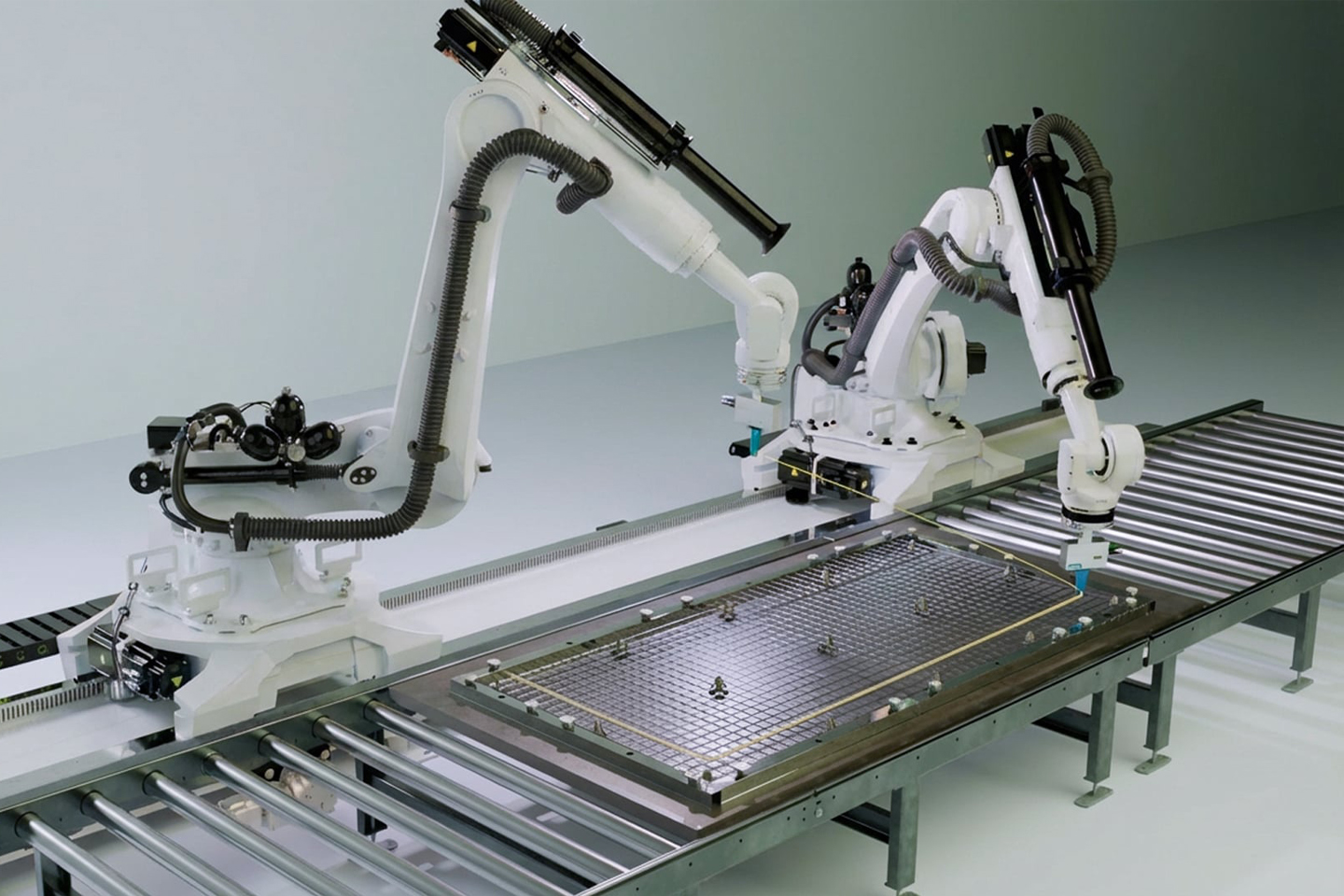
C-Factory
♢ Project | Prof. Dr.-Ing. Tilo Heimbold
The aim is to establish the world’s first carbon concrete plant in Leipzig for the fully automated production of CO₂-storing carbon concrete components for building construction.
Funding: Federal Funding for Industry and Climate Protection (BIK) [Federal Ministry for Economic Affairs and Energy (BMWE)]
Project partners: Kahnt & Tietze GmbH (Leipzig) [Coordinator], FTZ Leipzig e.V., Betonwerk Oschatz GmbH, SCHWENK Zement GmbH & Co. KG (Ulm), Dresden University of Technology, ABS GmbH Storkow, Prilhofer Consulting GmbH & Co. KG (Freilassing)
Project duration: 04/2026 – 12/2029
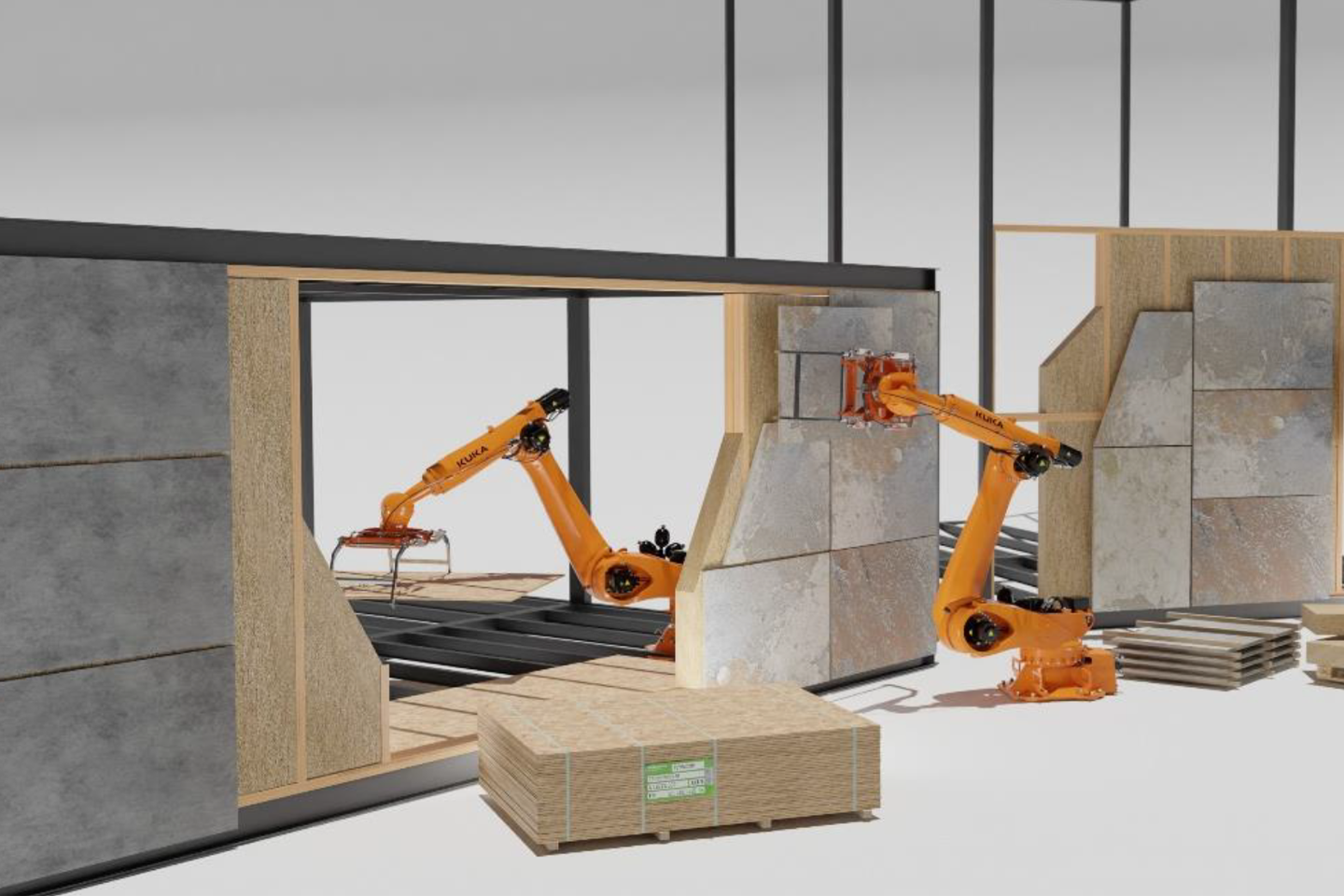
C2C module building
Fully reusable modular buildings (and building technology)
♢ Project | Prof. Dr.-Ing. Tilo Heimbold
In order to meet climate targets, buildings must be climate-neutral across their entire life cycle by 2045. The project aims to minimise the grey energy required during the dismantling and reconstruction of the modules. Furthermore, the aim is to significantly reduce heat demand through the use of innovative building materials, thereby enabling electric heating with minimal energy consumption and the use of renewable energy.
Funding: BMWE Applied Energy Research as part of the 8th Energy Research Programme (PtJ)
Project partners: Bihl+Wiedemann GmbH, Mannheim; KLEUSBERG GmbH & Co. KG, Wissen
Project duration: 11/2025 – 10/2028
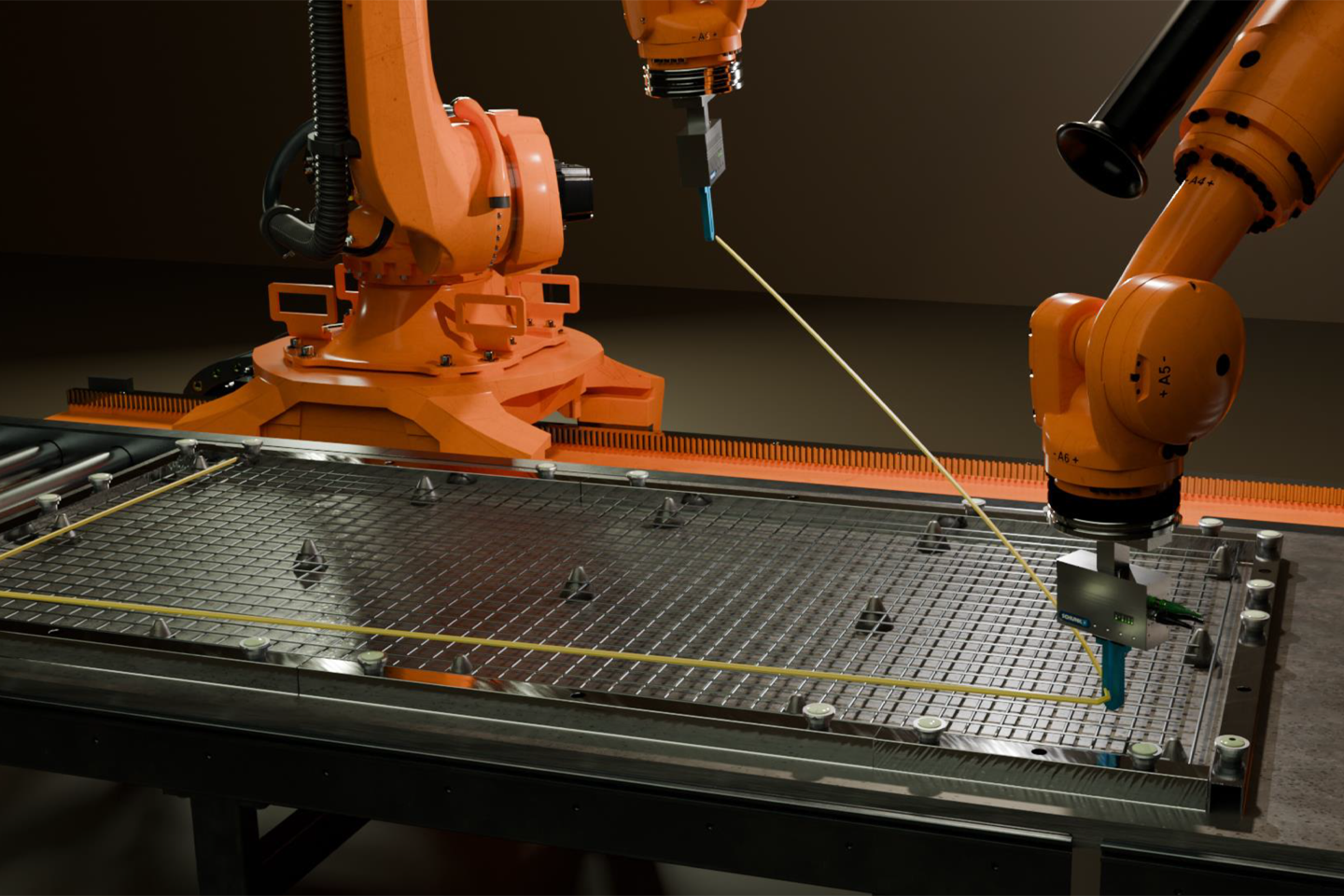
EROKAB
The use of robots for optimised and material-efficient cable laying in the construction industry
♢ Project | Prof. Dr.-Ing. Tilo Heimbold
Building on the results of the WallConnEct project, the infrastructure at the Carbon Concrete Technology Centre (CBT) at HTWK Leipzig is to be specifically expanded in order to develop an innovative technology for robot-assisted cable laying and to transfer it to production in concrete works.
Funding: EFRE InfraProNet (SAB)
Project duration: 10/2025 – 07/2027
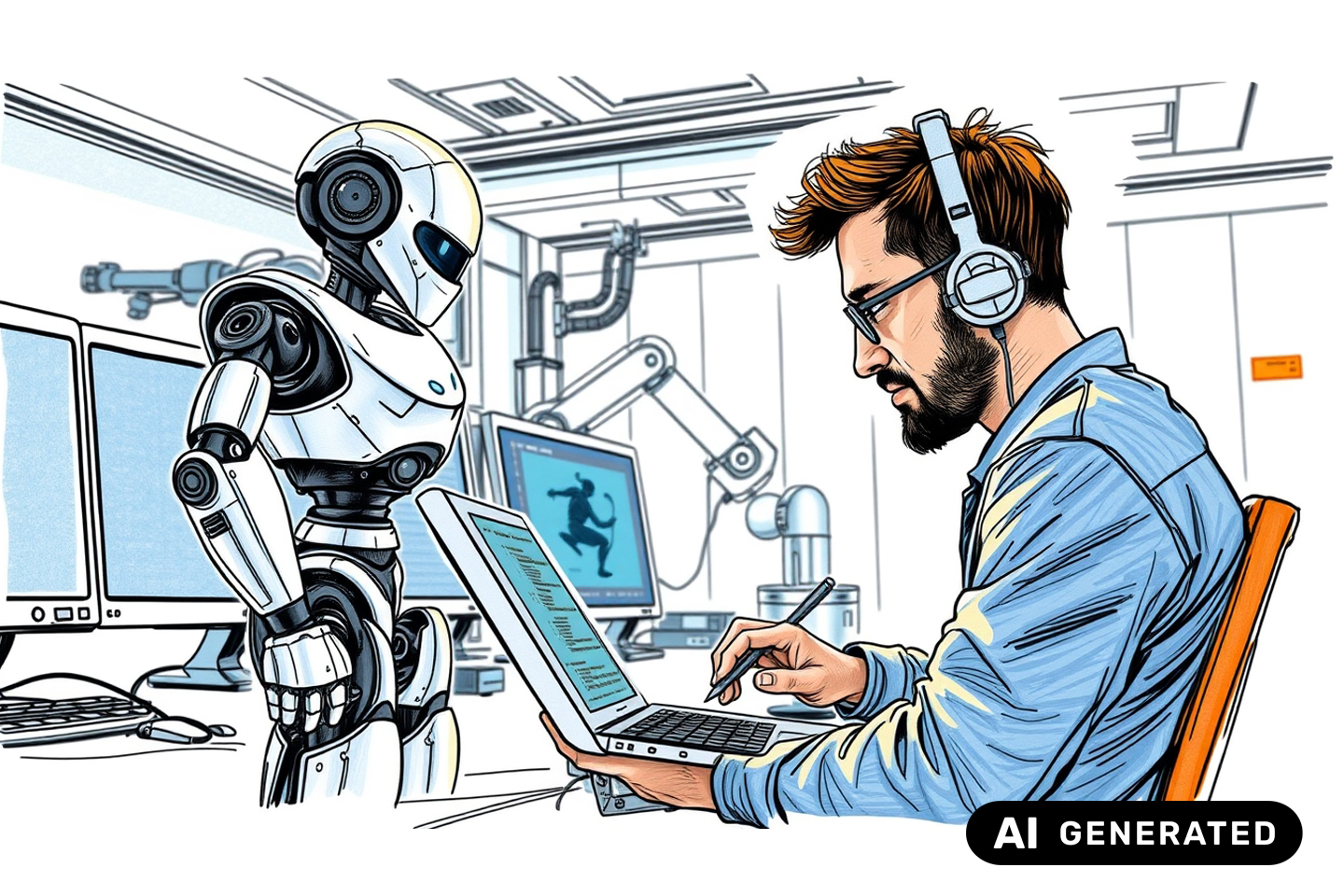
TALOS
Development of a framework for user-friendly control of logistics robots
♢ Project | Prof. Dr. rer. nat. Martin Gürtler
The TALOS project is developing a framework that utilises models trained and developed in a simulator to significantly simplify the control of humanoid robots. These models enable the robots to learn and perform specific tasks independently, without the need for prior human demonstrations. The resulting task-oriented programming allows these systems to be used without in-depth prior knowledge of the underlying concepts.
Funding: ESF-Plus, State Innovation Fund
Cooperation partners: Prof. Dr André Ludwig, University of Leipzig, Faculty
of Economics Contact: M.Sc. Eric Plaß
Project duration: 01/2025 – 12/2029
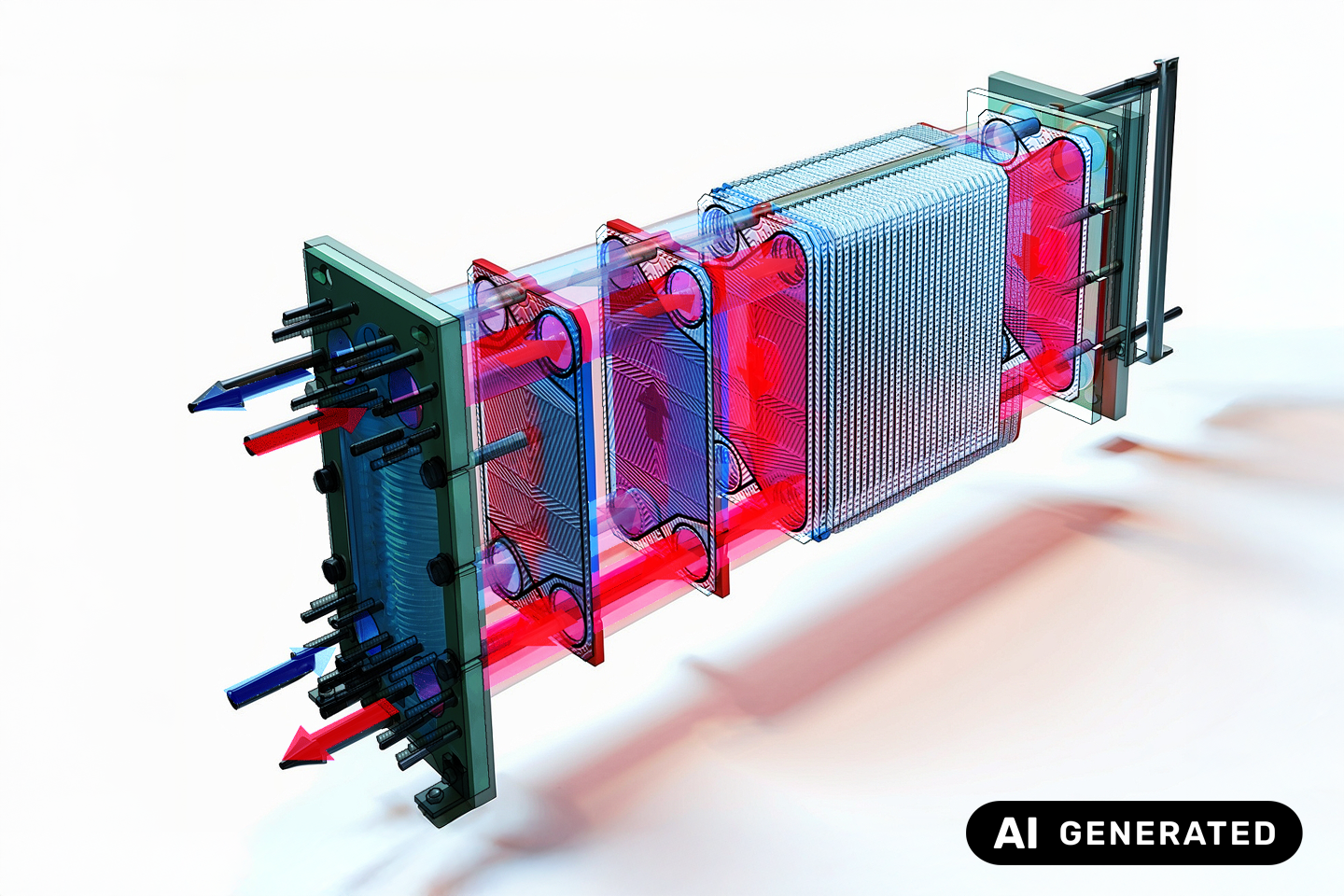
SWAI
System diagnostics for heat exchanger installations to derive a condition-based maintenance strategy with automated recommendations for action
♢ Project | Prof. Dr.-Ing. Mathias Rudolph
The SWAI project will develop a stationary sensor system for the long-term recording of state-descriptive parameters, including automated decision-making, to enable proactive action in the event of any damage that may occur, to ensure that heat exchangers operate as continuously and fault-free as possible, and to optimise maintenance costs.
Funding: Sächsische Aufbaubank – Förderbank (SAB), co-funded by the European Union
. Collaboration partners: bau msr GmbH
. Contact persons: Prof. Mathias Rudolph, M.Sc. Silvio Hund, Lion Ratayczak
Project duration: 06/2025 – 05/2027
IRONHEART
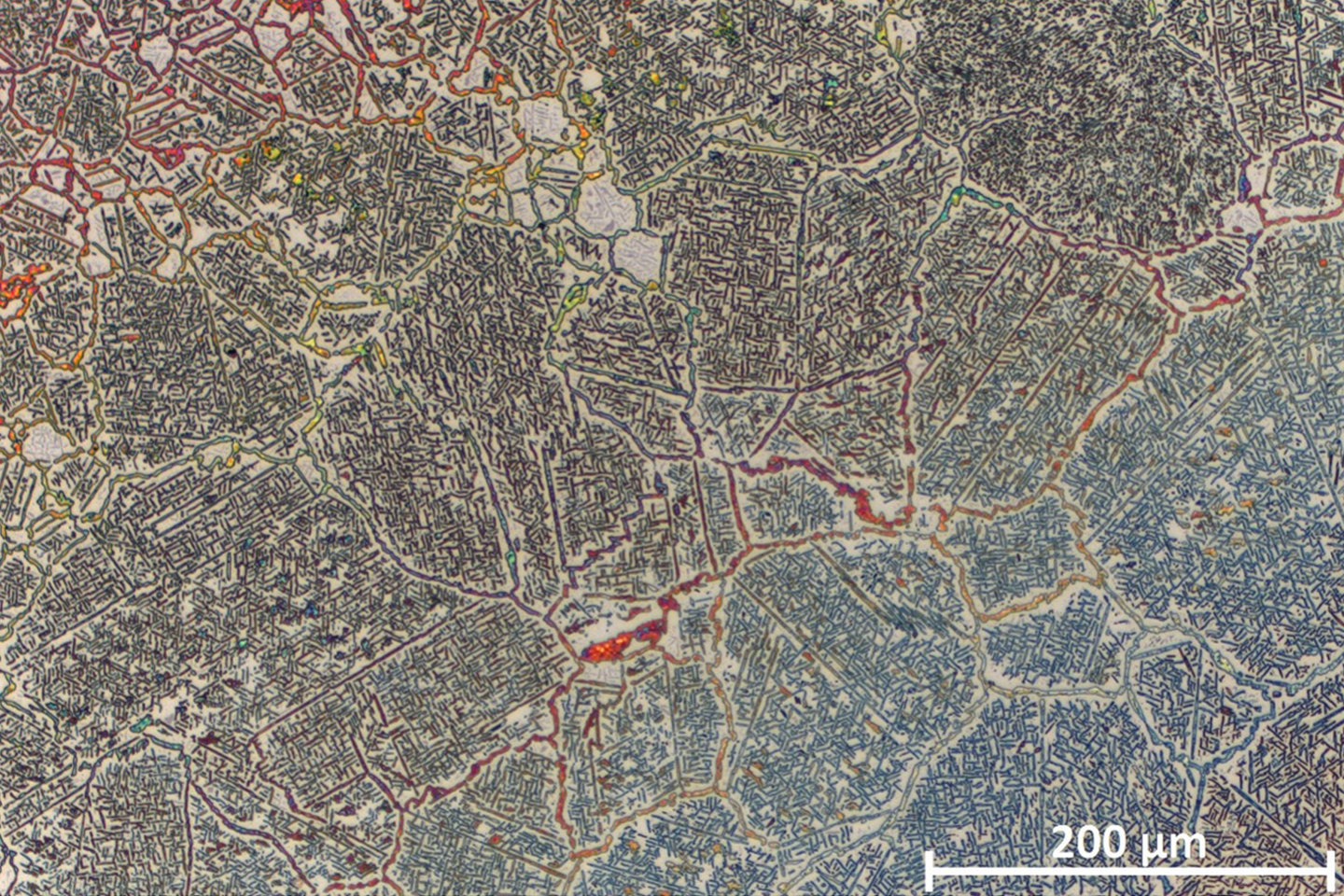
Development and production of a hard-phase-reinforced iron-based alloy
♢ Project | Prof. Dr.-Ing. Paul Rosemann
In view of rising raw material and product prices, as well as the limited availability of the raw materials used for cemented carbides, there is a need for more cost-effective alternative concepts using more readily available raw or starting materials. One promising approach is based on hard-phase-reinforced iron-based alloys with a hard-phase content of over 50 per cent, which is to be achieved through a combination of very high chromium, carbon and, where appropriate, nitrogen contents. In the IRONHEART project, various process routes are being experimentally tested to achieve properties as close as possible to those of commercially available cemented carbides, whilst at the same time realising cost savings.
Funding: Federal-State Programme FH Personal Pro.Motion
Project partner: DeltaSigma Analytics GmbH
Project duration: 04/2025 – 03/2028
