
The effects of climate change are being felt everywhere. As energy production accounts for three-quarters of greenhouse gas emissions, the energy transition must be driven forward as quickly as possible. Large-scale renewable energy capacity is being installed worldwide, and the electrification of the energy sectors is progressing rapidly. To ensure optimal energy use, intelligent systems must be developed that combine energy conversion, distribution and use in an economically and ecologically optimal way – this is Smart Energy.
But it is not only climate change that presents us with challenges: air pollution, species extinction, soil erosion, deforestation, resource scarcity, as well as waste and microplastics are taking their toll on our planet. This raises the question: if we have to put our society on a new energy footing anyway, can’t we get it right from the very start this time? In sustainable harmony with the environment – think about the Environment.
These major challenges present enormous opportunities. The transformation of the energy system is regarded as the largest investment programme worldwide for the foreseeable future. The aim is to expand renewable energy systems and make optimal use of them by increasing energy efficiency. Accurate energy and environmental monitoring is essential for understanding the impacts of the energy transition, and a Systemic Life Cycle Assessment (LCA) is crucial for understanding sustainable development. Understanding the dynamic behaviour of energy systems is crucial to being able to respond flexibly to fluctuating supply and demand. A relevant approach is the division into locally and regionally limited systems, in order to build a new, stable energy system using intelligent controls for energy cells. An important component of this is the optimal, comfortable use of energy in smart buildings.
Within the Smart Energy & Environment research focus, the Faculty of Engineering at HTWK Leipzig, in collaboration with internal and external partners, addresses the sustainable issues of energy supply and environmental protection. In doing so, cost-effective and efficient measures are developed for a smart energy transition and targeted environmental protection.
Renewable energy systems
Climate protection requires us to move away from fossil fuels. Fortunately, the cost of renewable energy – particularly wind and solar – has fallen dramatically in recent decades, meaning that energy can now be supplied at no extra cost. Now the system needs to be rethought and solutions for a renewable energy system developed. These solutions take a holistic view of technical and economic aspects and utilise cheap but fluctuating electrical energy across various sectors to make the most of the potential of storage and flexibility in all areas.
Example projects:
Improving energy efficiency
A drastic reduction in CO2 emissions is essential to achieving climate targets. Alongside the replacement of fossil fuels with renewable energies, a key pillar of this effort is the improvement of energy efficiency across all relevant sectors. The “Smart Energy & Environment” research focus therefore takes an interdisciplinary approach to exploring opportunities and methods for enhancing energy efficiency in a wide variety of processes. Thanks to our extensive and diverse expertise, a broad range of fields can be the subject of our research. For instance, expertise exists in the fields of electric drive technology, photovoltaics, electrical grids and building energy technology. This enables a cross-domain analysis of system efficiencies in particular, allowing global efficiency optimisations to be identified and implemented. The focus is always on researching application-oriented topics with the aim of translating research findings into practice in a timely manner.
Example projects:
Energy and Environmental Monitoring
Our globally interconnected and industrialised world is characterised by high demand for and consumption of energy and material resources, as well as the associated emissions into the environmental compartments of air, water and soil. To avoid or minimise environmental impact, it is therefore essential to record available material and energy resources, measure emissions and balance material and energy flows. The findings must be incorporated into a detailed energy and environmental monitoring system so that the results can be used to identify environmental impacts and, ideally, prevent or reduce them through measures derived from these findings.
Energy and environmental monitoring at HTWK Leipzig within the Smart Energy & Environment competence area includes:
- Recording available material and energy resources
- Balancing material and energy flows
- Describing the properties and quality of energy and environmental systems
- Measurement of environmental impacts (emissions and immissions)
- Source analysis of pollution
- Development of strategies to prevent and reduce pollution.
Extensive efforts are required to maintain the quality of the environmental compartments of air, water and soil, or to improve them sustainably where necessary. Furthermore, material and energy resources must be conserved as far as possible through effectiveness and efficiency, and demand must be met entirely by renewable sources.
Example projects:
Dynamic behaviour of energy systems
Energy systems that utilise renewable energy sources are often subject to significant fluctuations over time. The following aspects are of particular importance for the efficient design and control of these systems:
- Identification of load behaviour: Fluctuations in consumers’ energy demand must be predicted as accurately as possible.
- Controllability of the energy system: Changes in energy generation and demand must be addressed optimally.
- Stability and resilience of the energy system: The energy system must be resilient to external disturbances and, in the event of a disturbance, return to a stable state within a short time.
- Simulation and modelling: Suitable simulation models must be developed to enable accurate prediction and optimisation of the energy system’s behaviour.
Systemic Life Cycle Assessment (LCA)
A sustainable energy supply in the future requires both the integration of renewable energy sources and the establishment of environmentally sound transport and supply chains, as well as storage options. The “Smart Energy & Environment” research focus takes into account the energy, material and environmental impacts of the respective infrastructure technologies in accordance with the standardised and recognised Life Cycle Assessment (LCA) method as per DIN EN ISO 14040 and 14044. For the sectors of natural gas, hydrogen, green gases, electricity grids and building energy systems, this leads to evidence-based environmental recommendations for a future energy supply system that makes sense from an economic and environmental perspective.
Smart control of energy cells
Fluctuating energy supply from renewable sources such as wind and solar power increases the challenges for a stable, secure energy supply. The VDE proposes a cellular energy system [link: https://www.vde.com/de/etg/arbeitsgebiete/zellulare-energiesysteme] in which energy flows are first balanced regionally within cells across sectors, and only remaining energy supply or demand is balanced at a supra-regional level. The primary aim of these cells is to ensure reliability and thus security of supply for the entire energy system. If individual cells fail, this is compensated for by other cells. Furthermore, the individual cells are capable of black start where possible and can therefore establish an energy system independently.
Ideally, generic and agnostic methods must be developed for the control of such energy cells, which are capable of intelligently controlling or regulating energy flows within and between the cells at various hierarchical levels. The HTWK is developing such methods and strategies with partners using concrete examples.
Example projects:
Smart Buildings
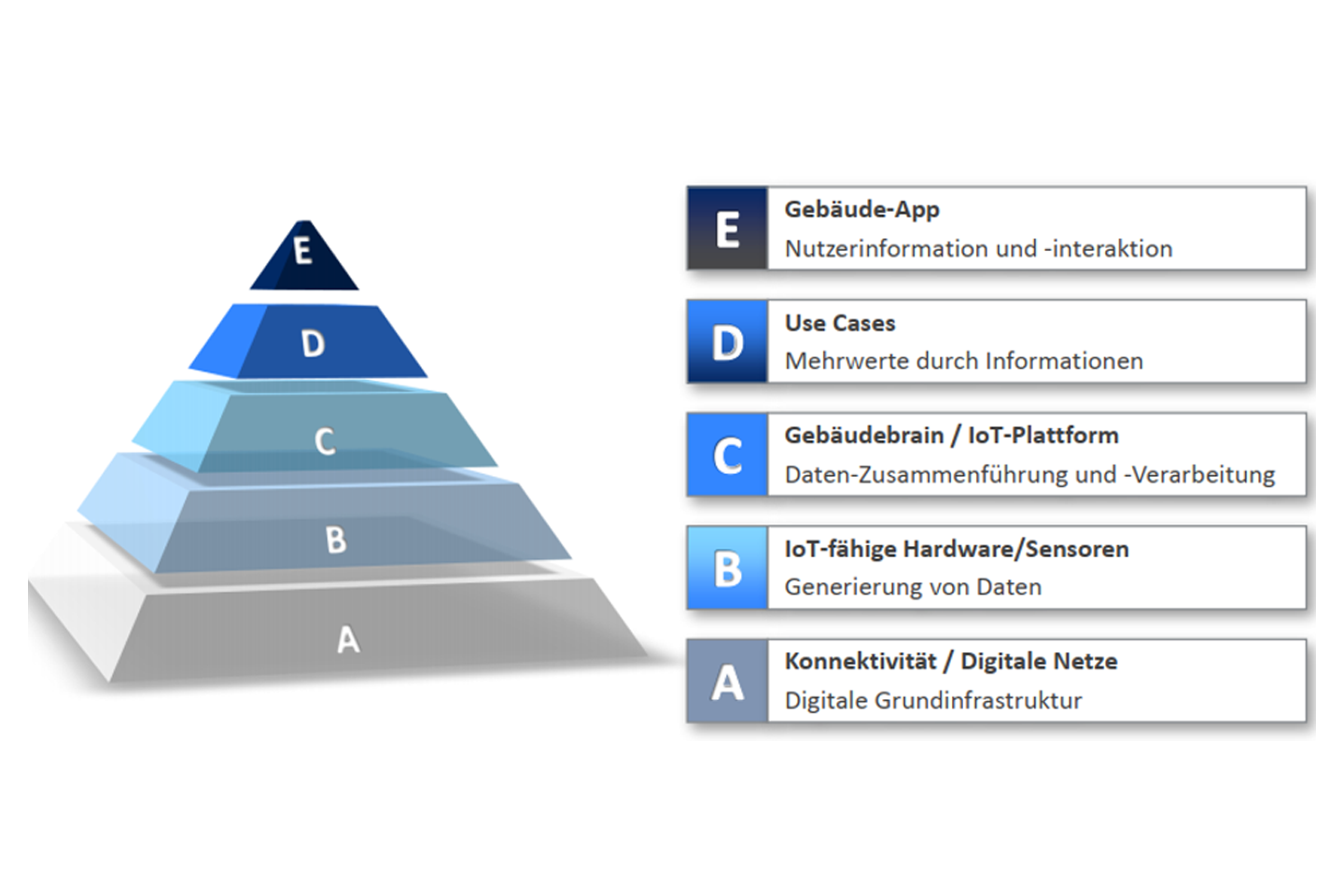
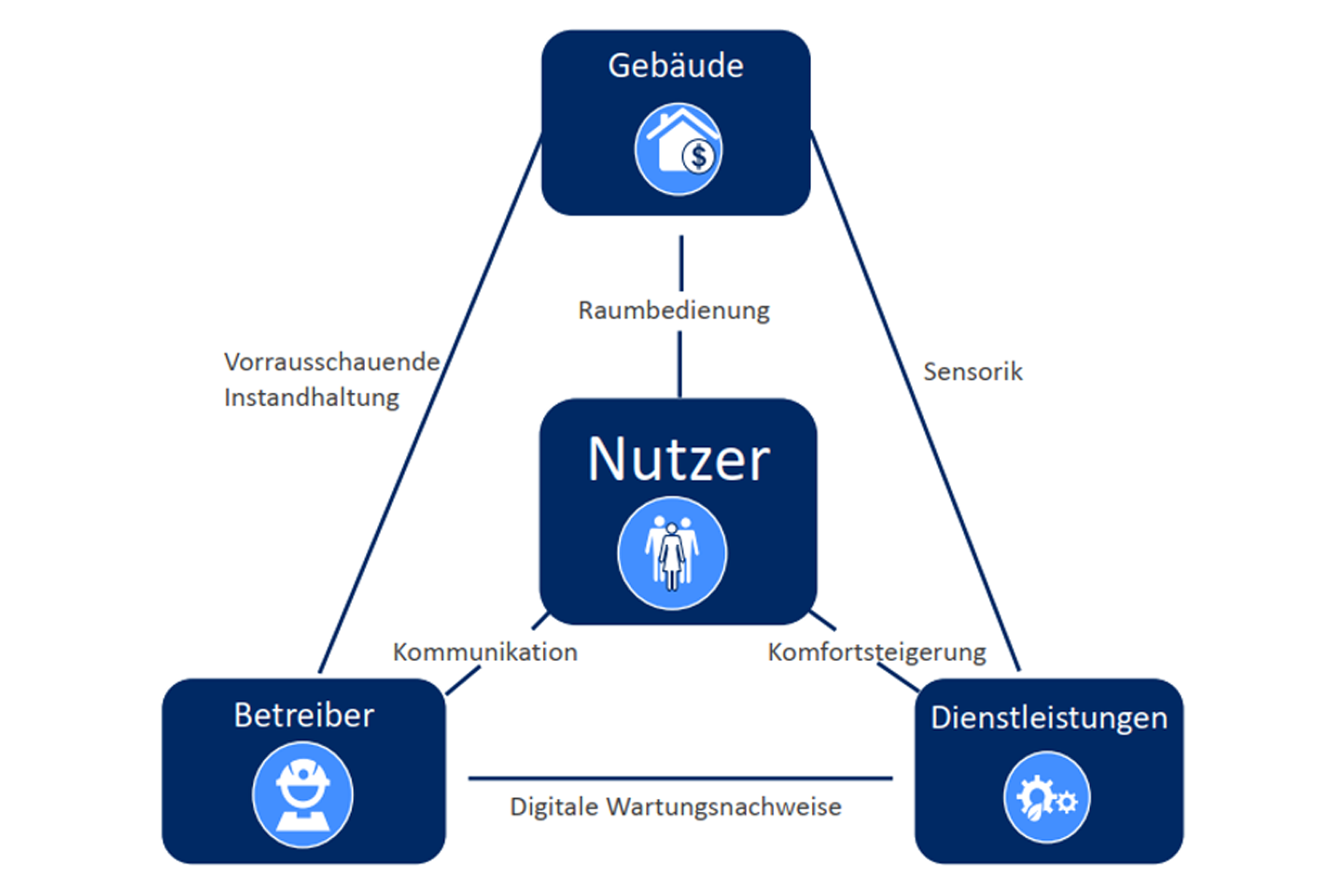
To date, systems, buildings and users have each achieved significant successes in energy saving in their own right. However, further potential – whilst maintaining thermal comfort – lies largely in the interaction between these components. Digitalisation will also have a further impact on the interaction between building services systems, buildings and users. Ideally, smart building technology should be able to recognise the user’s requirements and preferences in any location and respond quickly.
Smart buildings should leverage the potential of digitalisation to deliver tangible added value. Such potential may include, amongst other things:
- Energy savings
- Process optimisation
- Increased efficiency
- Ensuring comfort standards
- Competitive advantages
- Business transformation
- Business innovation and future-proofing
- Increasing the value of the property
- Environmental protection
- Data collection and analysis.
Smart buildings form a key research focus within the Smart Energy & Environment cluster. As part of the EuK project “Energy monitoring in heating and sanitary engineering to improve energy efficiency”, data streams are recorded and analysed, starting with heating technology and drinking water hygiene, and recommendations for action are provided based on the interaction between the building, the system and the user. The next step is to create a networked laboratory extending beyond the physical boundaries of the Faculty of Engineering at HTWK Leipzig.
Environment
- Analysis of measurement data in the fields of the environment and energy | Prof. Mathias Rudolph
- Research into catalysis | Prof. Ingo Hartmann
- Measurement uncertainties in on-site analysis | Prof. Mathias Rudolph
- Reduction of air pollutants | Prof. Ingo Hartmann
- Ecological analysis of the hydrogen value chain | Prof. Robert Huhn
- Pollutant analysis in water, air and soil | Prof. Ingo Hartmann
- Status analysis in the fields of environment and energy | Prof. Mathias Rudolph
Heat
- Development of combustion processes | Prof. Ingo Hartmann
- Design of heat supply concepts | Prof. Robert Huhn
- Hydraulic integration and optimisation of heat storage systems | Prof. Robert Huhn
- Modelling and simulation of gas and heating networks | Prof. Robert Huhn
- Shallow geothermal energy, in particular using geothermal probes | Prof. Anke Bucher
- Simulation of the integration of geothermal energy and building services | Prof. Anke Bucher; Prof. Stephan Schönfelder
- Simulation of thermal and hydraulic processes in the subsurface | Prof. Anke Bucher
- Thermal building simulation | Prof. Stephan Schönfelder
- Uncertainty analysis in near-surface geothermal energy | Prof. Anke Bucher
Electricity supply
- Determining the sag of overhead lines | Prof. Faouzi Derbel
- Coupling and Interaction in Overhead Line Systems | Prof. Faouzi Derbel
- Machine Diagnostics and Asset Management | Prof. Faouzi Derbel
- Measurement methods for earth fault currents in electrical networks | Prof. Faouzi Derbel
- PV yield measurement and simulation | Prof. Jens Schneider
- PV Applications (Agri-PV, Solar Cells) | Prof. Mathias Rudolph

Drive technology
- Electromagnetic and Thermal Design of Electrical Machines | Prof. Cornelius Bode
- Modelling, simulation and optimisation of electric drive systems | Prof. Cornelius Bode

Buildings & Neighbourhoods
- Dielectric Heating | Prof. René Sallier
- Improving efficiency through energy monitoring and user behaviour in in-house laboratories | Prof. Gero Guzek
- Development of smart building apps | Prof. Gero Guzek
- HF circuit simulation and development | Prof. René Sallier
- Integrated energy planning based on demand and consumption data | Prof. Gero Guzek
- Ensuring drinking water hygiene through hydraulic balancing | Prof. Gero Guzek
- Thermal energy storage | Prof. René Sallier
- Thermal building simulation | Prof. Stephan Schönfelder
Networked systems
- Self-powered, wireless sensor networks | Prof. Cornelius Bode
- Energy system analysis and development using our own Python framework, PYPSA, and Energyplan | Prof. Jens Schneider
- Development of market-driven control concepts for integrated energy systems | Prof. Jens Schneider
- Economic optimisation of dynamic operating modes for sector-coupled energy systems | Prof. Jens Schneider
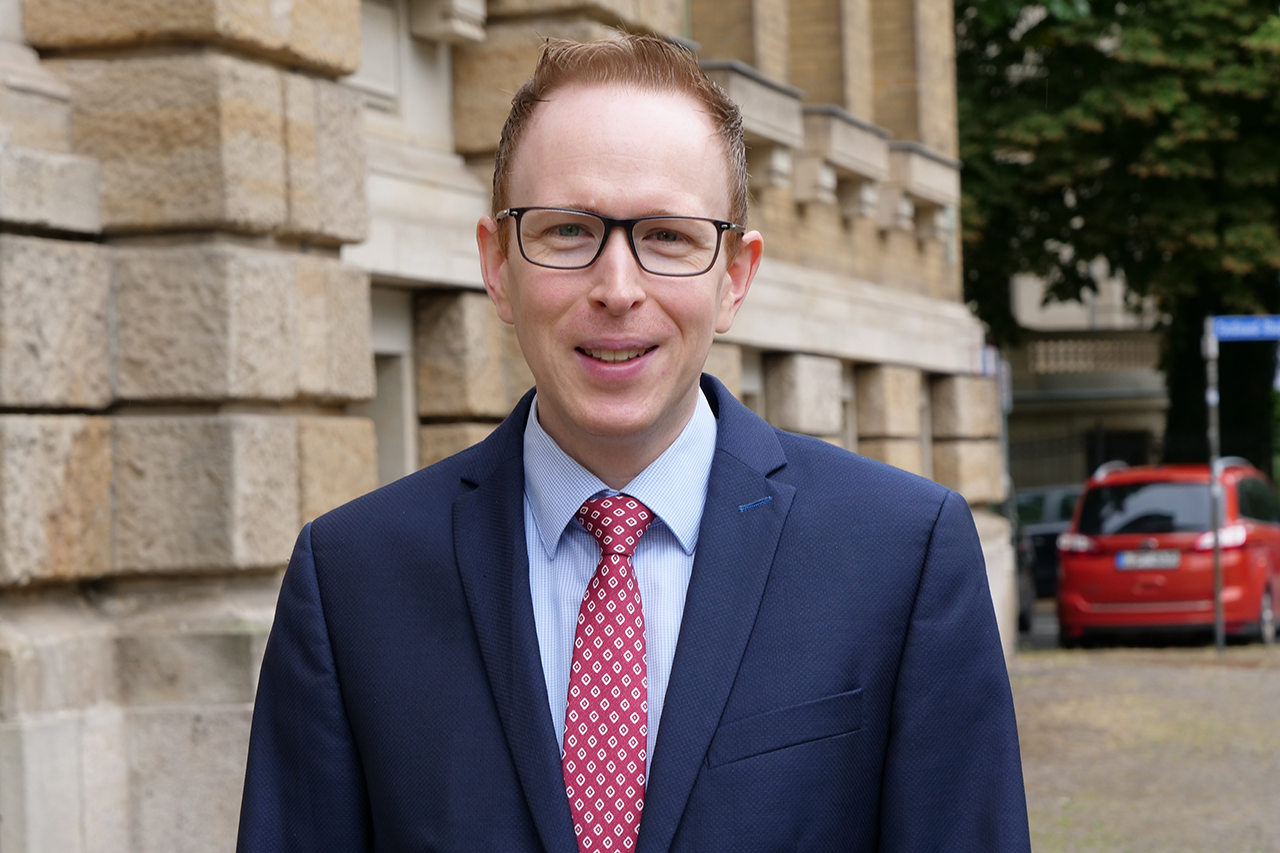
Prof. Dr.-Ing. Cornelius Bode
Electrical Machines
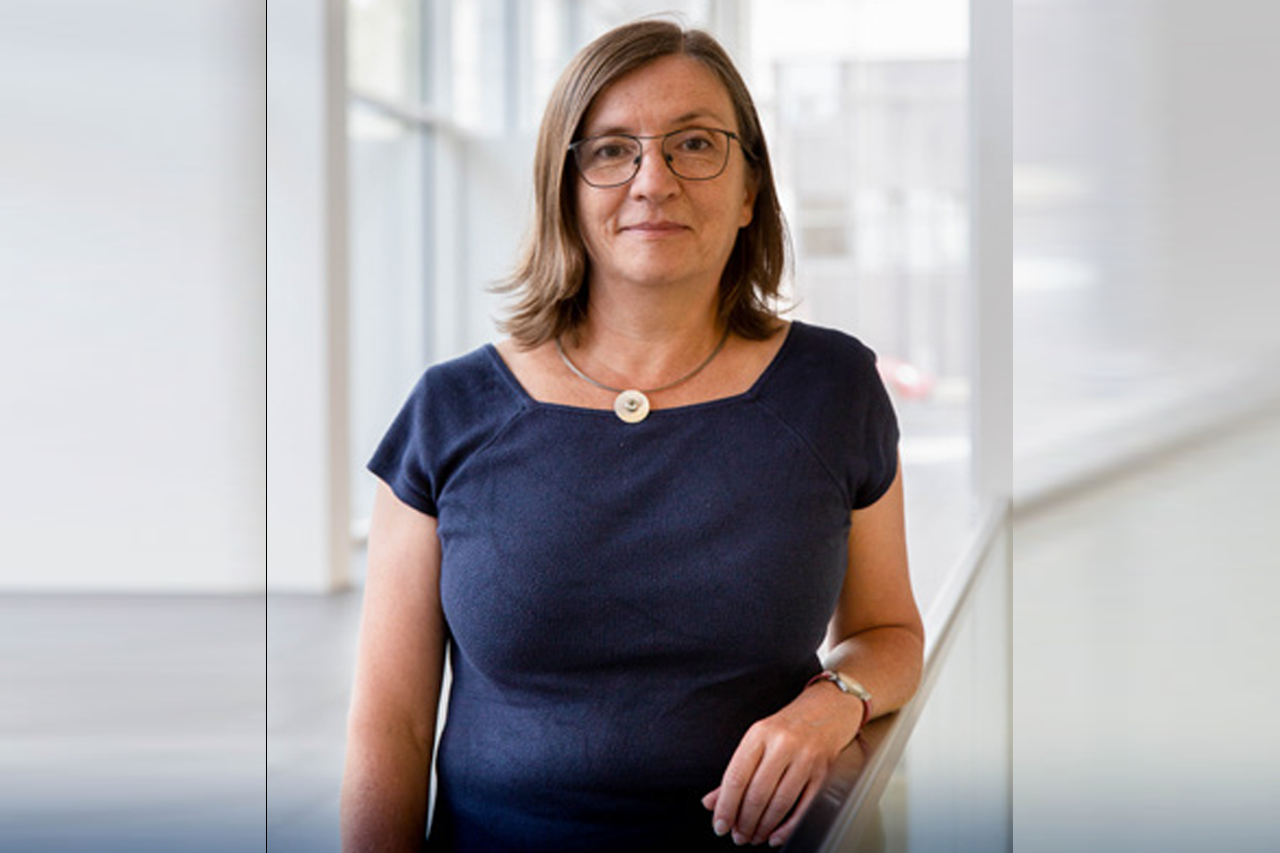
Prof. Dr.-Ing. Anke Bucher
Applied Mechanics
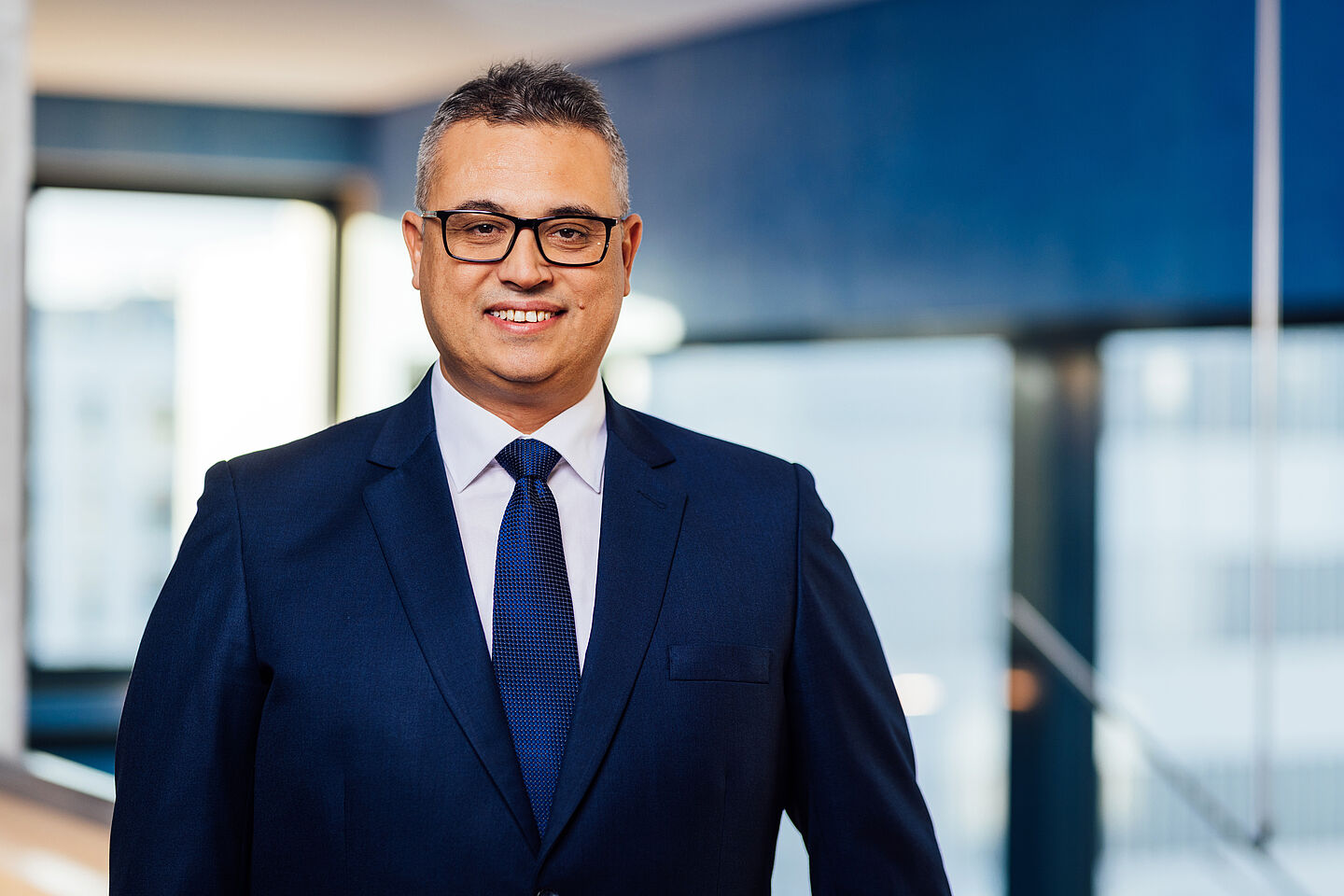
Prof. Dr.-Ing. Faouzi Derbel
Smart Diagnostics and Online Monitoring
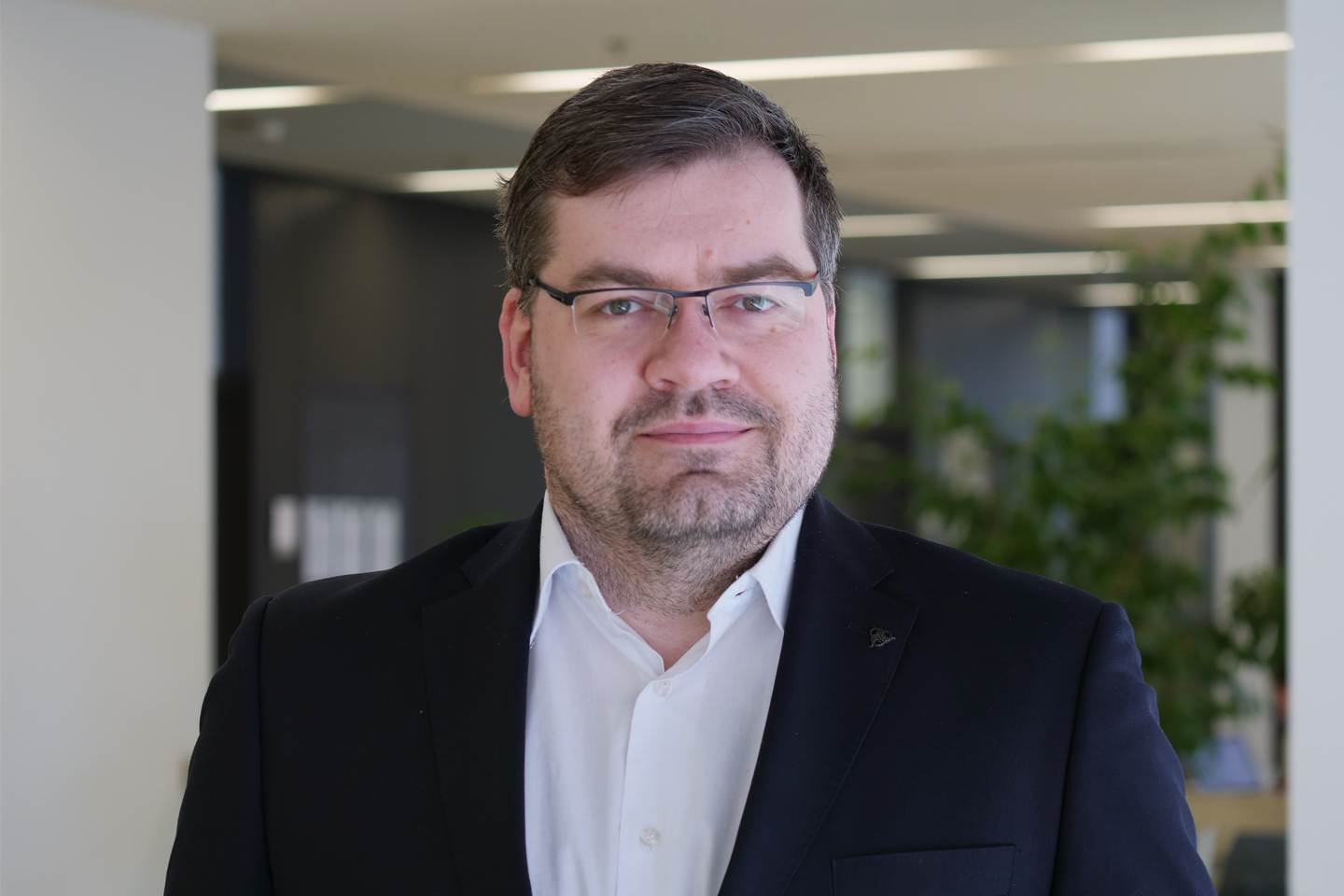
Prof. Dr.-Ing. Tobias Göpfert
Applied Thermodynamics
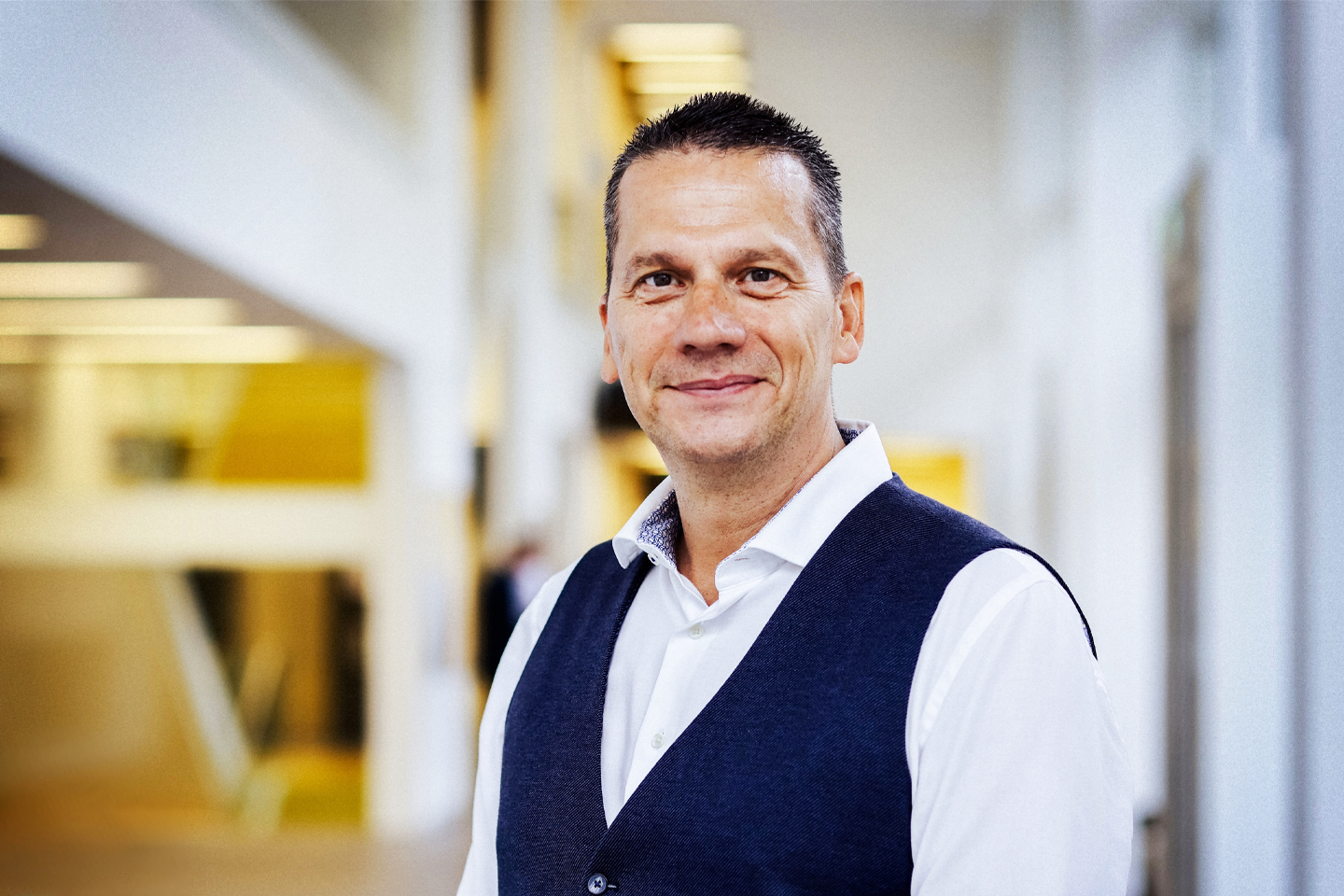
Prof. Dr.-Ing. Gero Guzek
Building Energy Technology
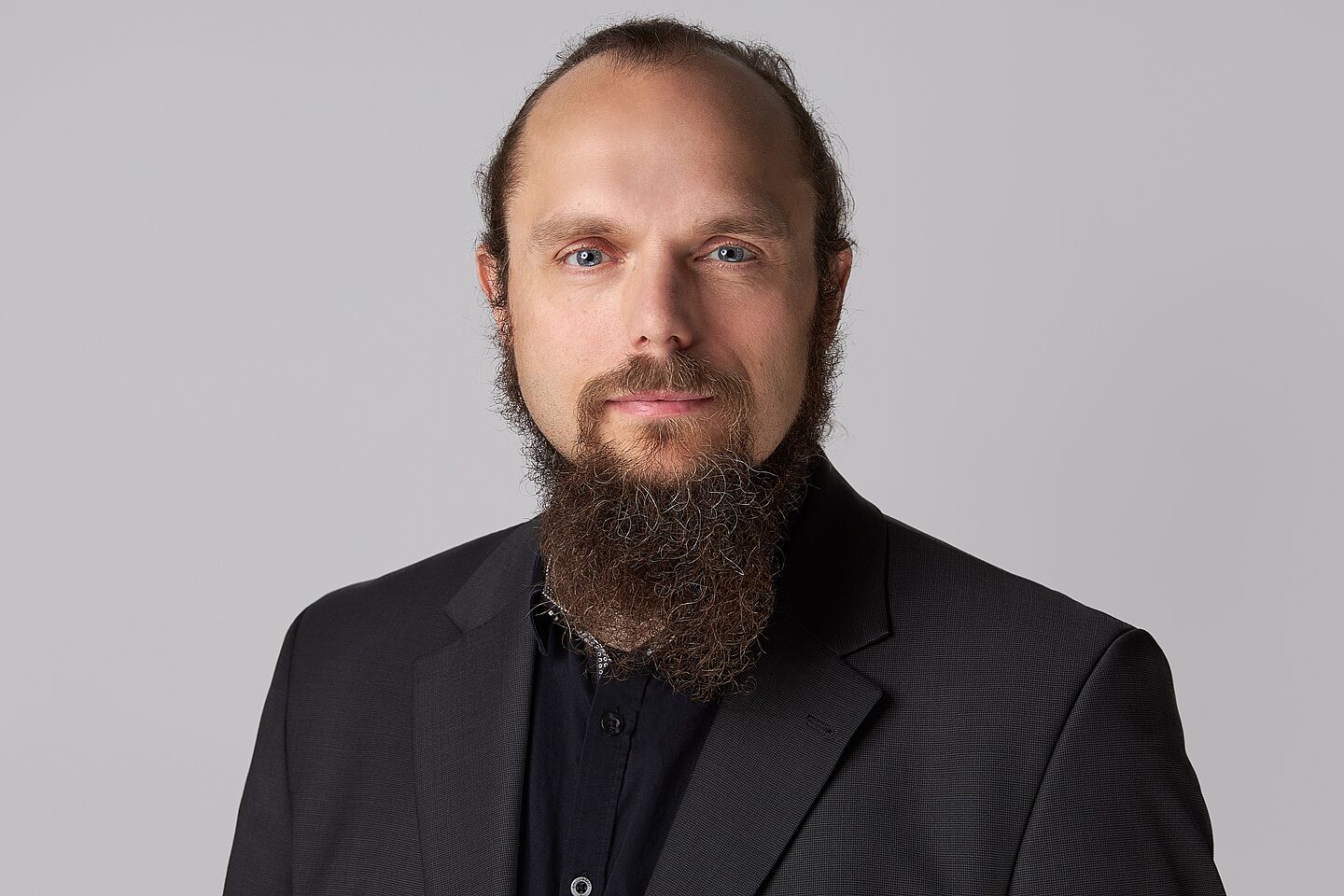
Prof. Dr. rer. nat. Ingo Hartmann
Environmental Technology
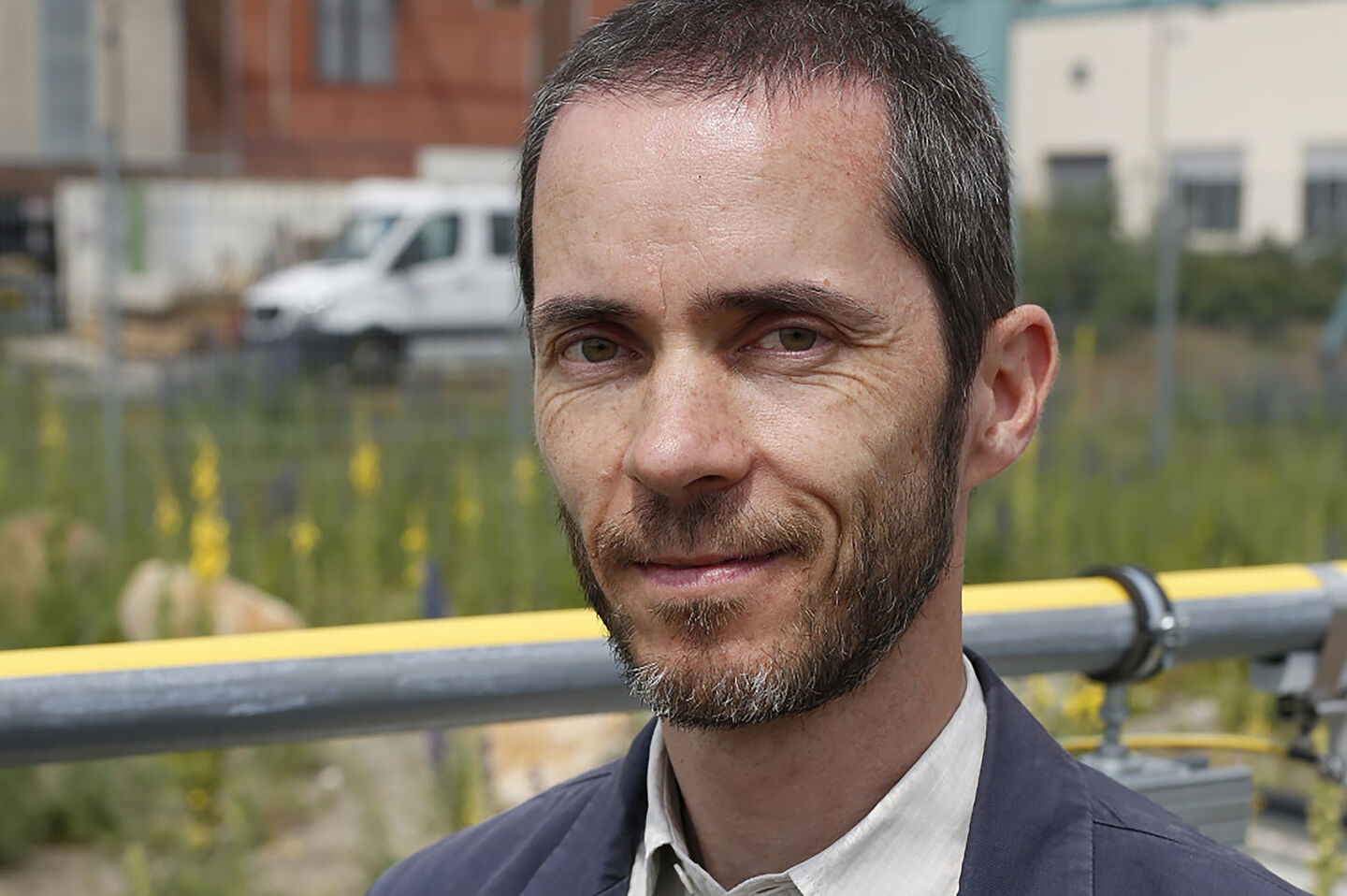
Prof. Dr.-Ing. Robert Huhn
Gas and Heating Networks
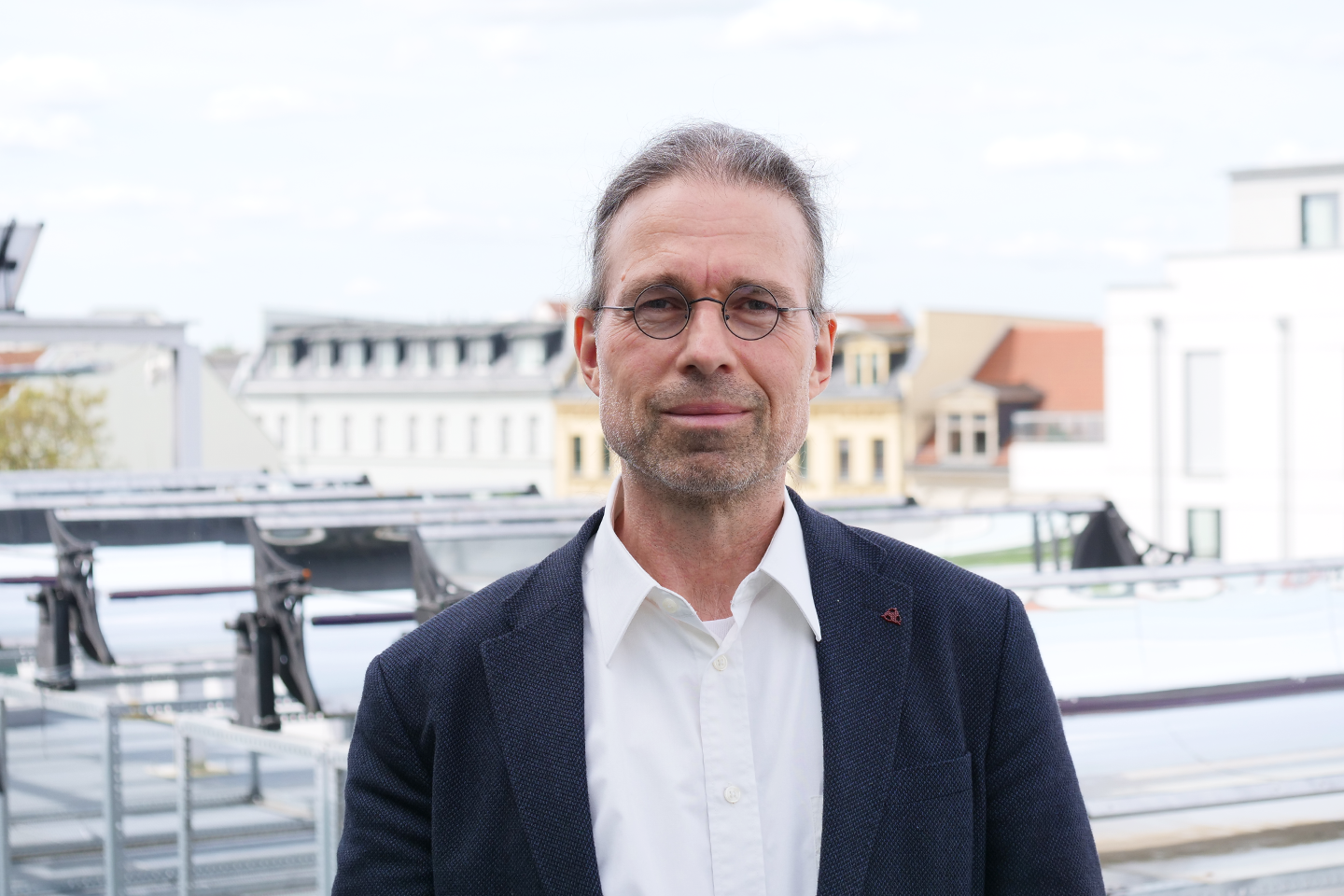
Prof. Dr.-Ing. Uwe Jung
Power Plant Engineering and Energy Economics
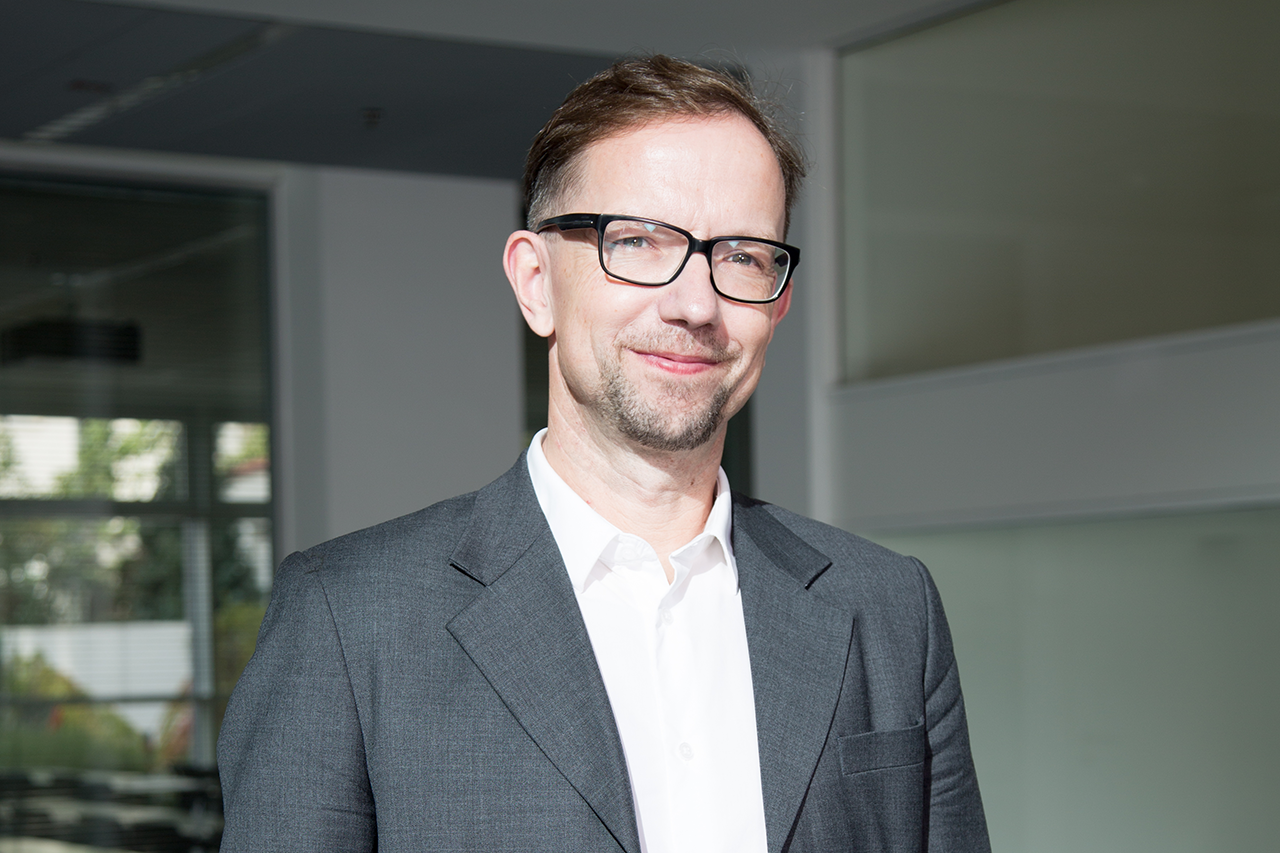
Prof. Dr.-Ing. Mathias Rudolph
Industrial Metrology
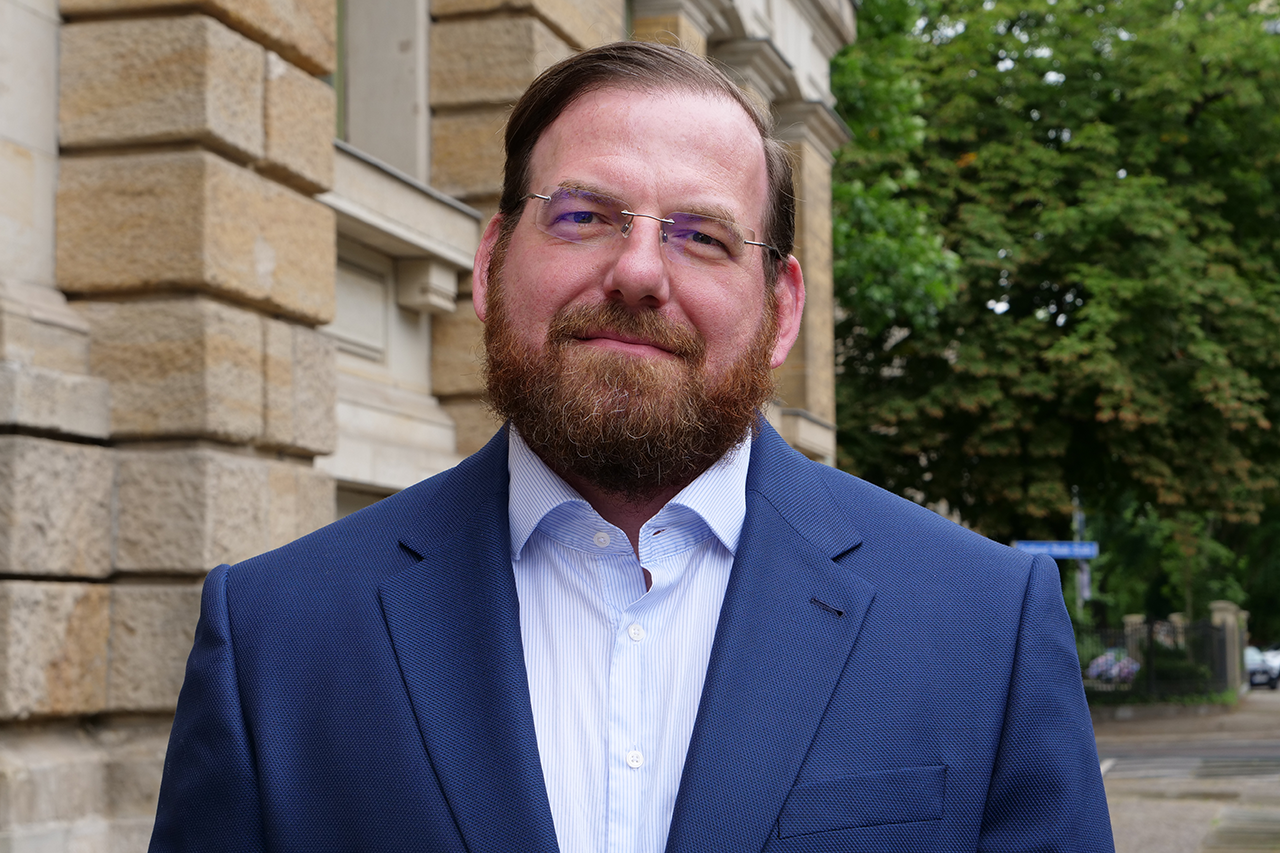
Prof. Dr.-Ing. René Sallier
Electronics and Analogue Circuit Technology

Prof. Dr.-Ing. Jens Schneider
Interconnected Energy Systems
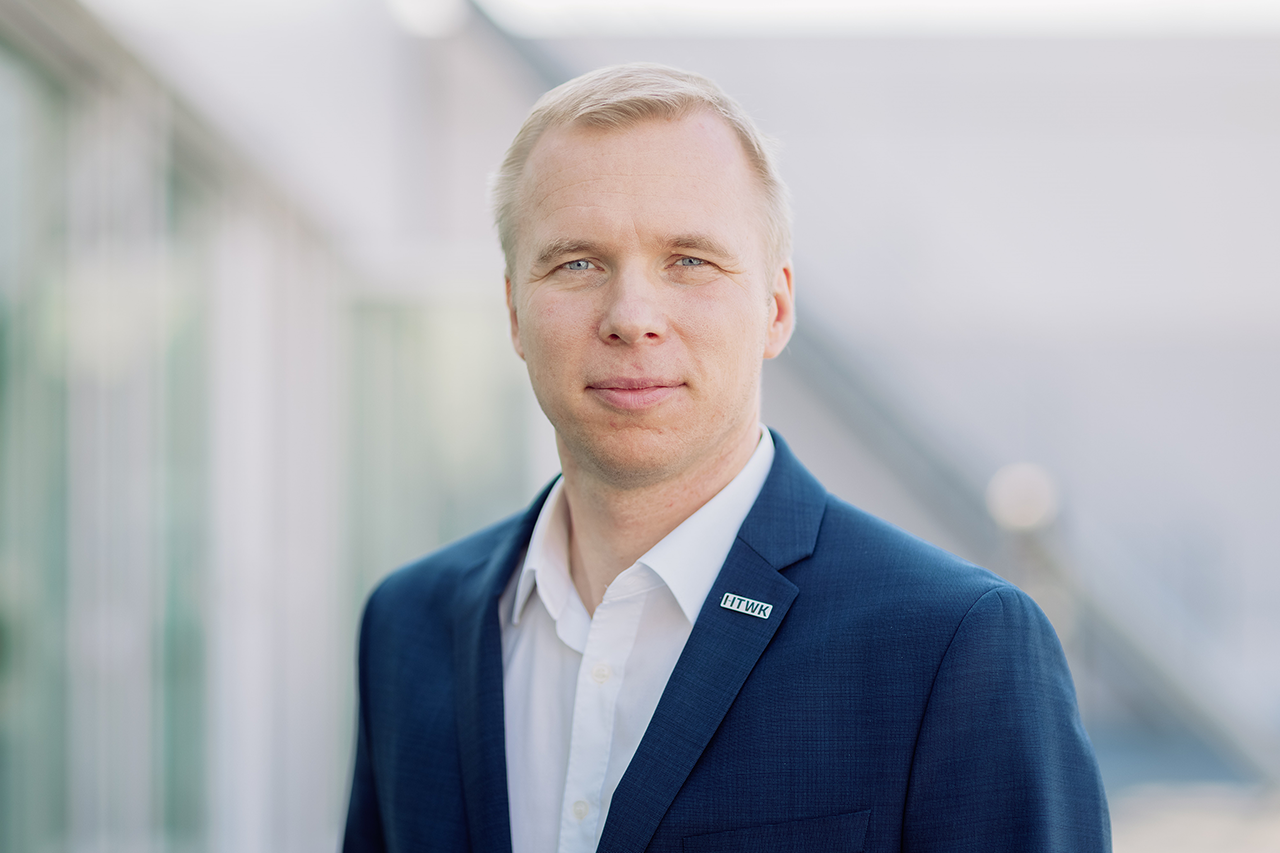
Prof. Dr.-Ing. Stephan Schönfelder
Simulation of Energy and Technical Systems
