

Key areas of research and development
- Lightweight construction technologies
- Fibre- and textile-reinforced composites
- Carbon fibre development
- Material models for composite materials
- Experimental diagnostics of composites and structural health monitoring
- Multifunctional lightweight construction applications
Team CCL
Composite Circularity Lab
- M.Eng. Jan Bürgener
- M.Eng. Andrej Fehler
- Anton Götze
- Dr.-Ing. Philipp Johst (Teamleader)
- B.Eng. Paul Kilian Kanzler
- Hendrik Kluge
- B.Eng. Jannick Schneider
- M.Eng. Dimitrij Seibert
- B.Eng. Marten Tschatschanidse
- Dr. phil. Pamela Voigt
AMSL Team
Advanced Materials and Structures Lab
- B.Eng. Livia M. Doß
- M.Sc. Davood Peyrow Hedayati (Group Leader)
- Dipl.-Ing. Peter Jakob
- M.Eng. Gregor Jesse
- Dr.-Ing. Dmytro Rassokhin
- M.Eng. Rafael Schelkow
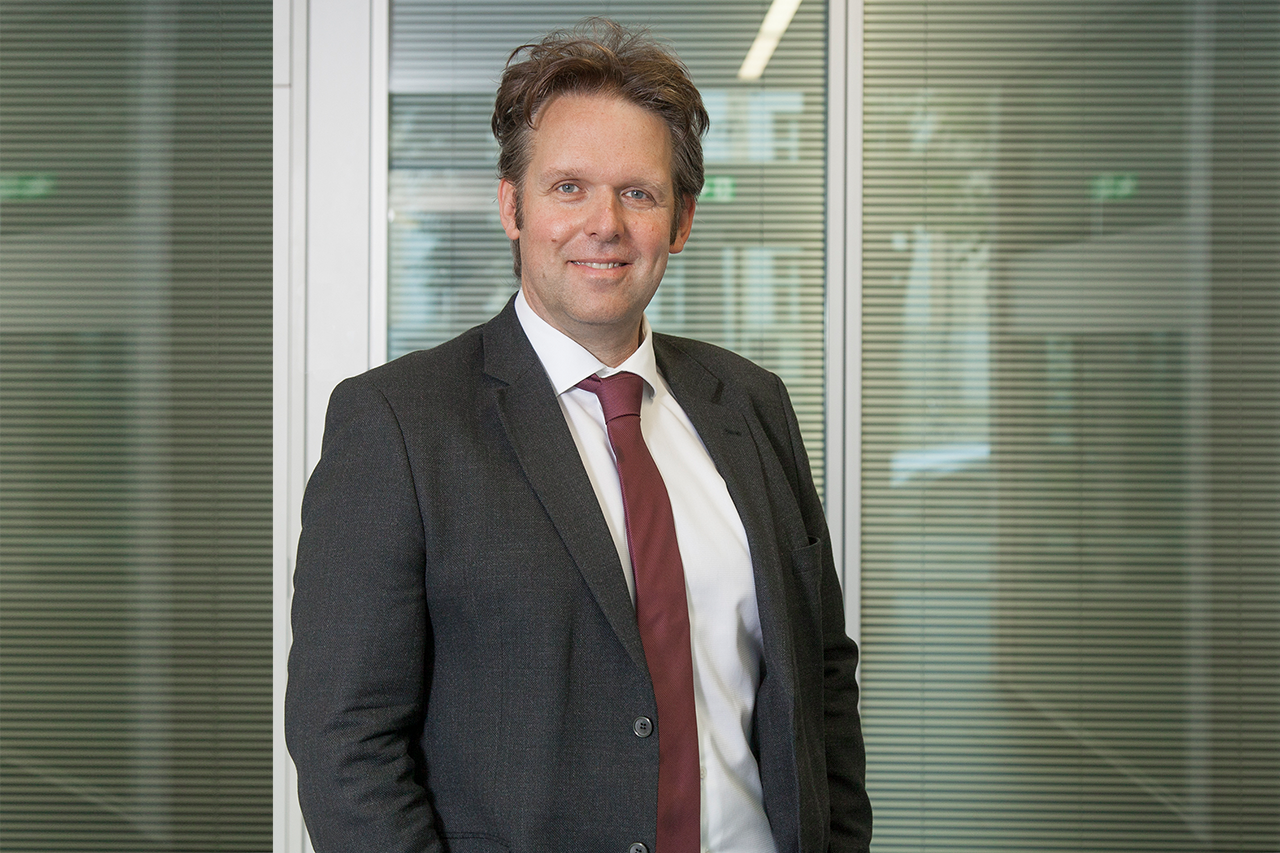
Prof. Dr.-Ing. habil. Robert Böhm
Chair of Composite Lightweight Engineering
Institute
EMB | Institute for Development-Oriented Mechanical Engineering
TPMB | Institute for Technology and Production in Mechanical Engineering
Research Profile
Advanced Materials
Telephone: +49 (0)341 3076 4177
Email: robert(dot)boehm.1(at)htwk-leipzig.de
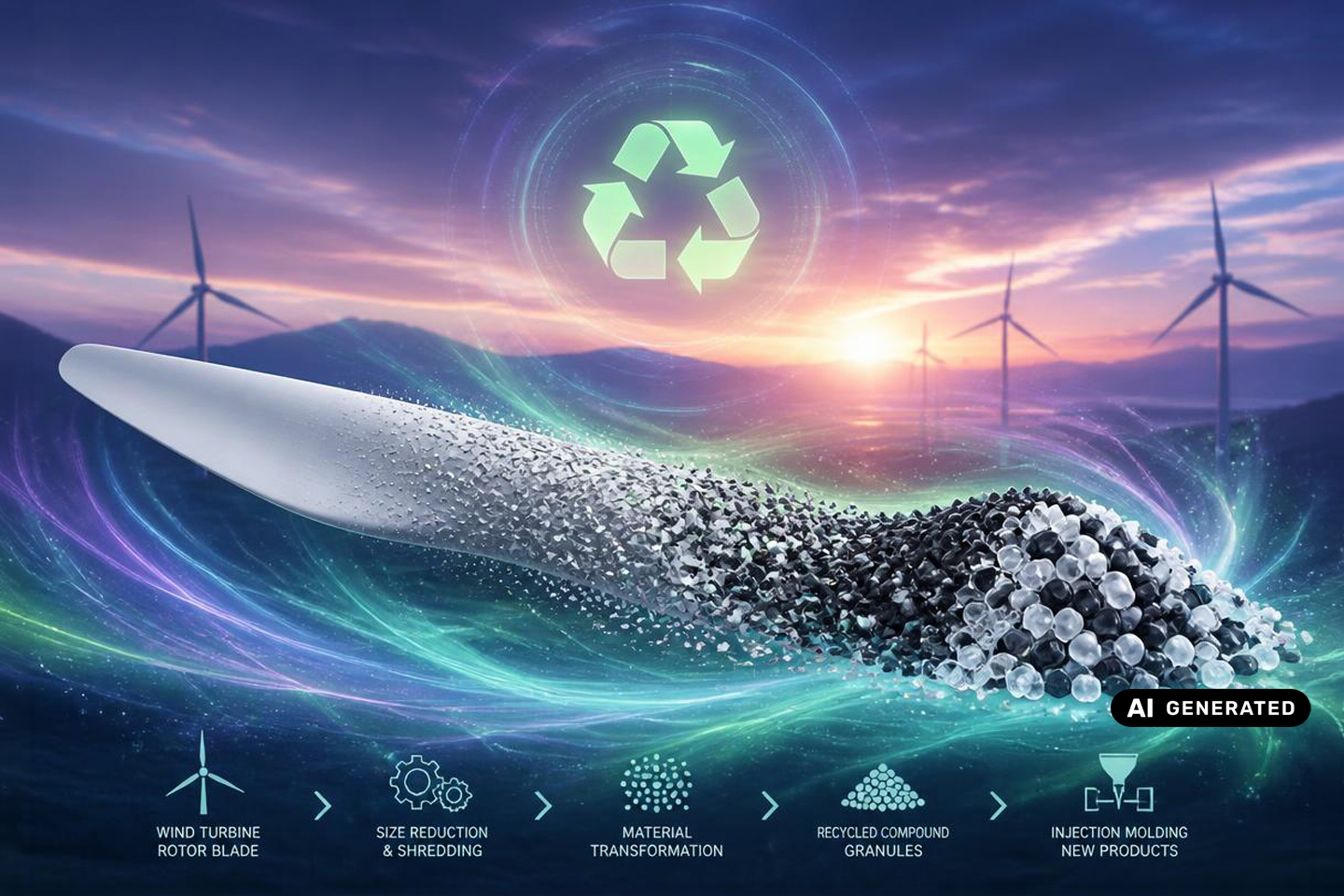
Blade2Poly
Development of an energy-efficient recycling process for wind turbine rotor blades to produce high-performance PCR polymers
The aim of the Blade2Poly project is to develop an energy-efficient recycling process for end-of-life wind turbine rotor blades. Through intelligent material characterisation and sorting, as well as targeted mechanical processing, glass fibres are to be recovered and utilised for the production of high-performance post-consumer recycled plastics (PCR) for injection moulding applications.
Funding: ZIM
Project duration: 06/2026 – 01/2029
EEdeL
Development of lightweight, pressure-applied battery casings for high-performance solid-state batteries
To make short-haul aircraft more eco-efficient and, in the long term, to enable the use of fully electric propulsion systems, HTWK is developing a lightweight, pressure-applying battery casing for high-performance solid-state batteries, which, thanks to its mechanical strength, is suitable for direct installation in short-haul aircraft. The aim of EEdeL is to build an understanding of the interplay between pressure and battery performance. Models are being developed for the pressure-dependent electrochemical properties of solid-state batteries.
Funding: BMWE, Aviation Research Programme
Project duration: 05/2026 – 04/2029
CirConnect
Development of circular economy-compatible fasteners for precast concrete elements using recycled composite materials derived from end-of-life wind turbine rotor blades
The aim of the project is to develop fasteners suitable for a circular economy for precast concrete elements, using recycled composite materials derived from end-of-life wind turbine rotor blades. By replacing conventional bolted connections with linear fasteners made from GRP, the project improves the load-bearing capacity, building performance and installation efficiency of lightweight façade elements.
Funding: ZIM International
Project partners: Wingbeam (Sweden), Kahnt & Tietze GmbH (Germany)
Project duration: 05/2026 – 04/2028
Kaskawi
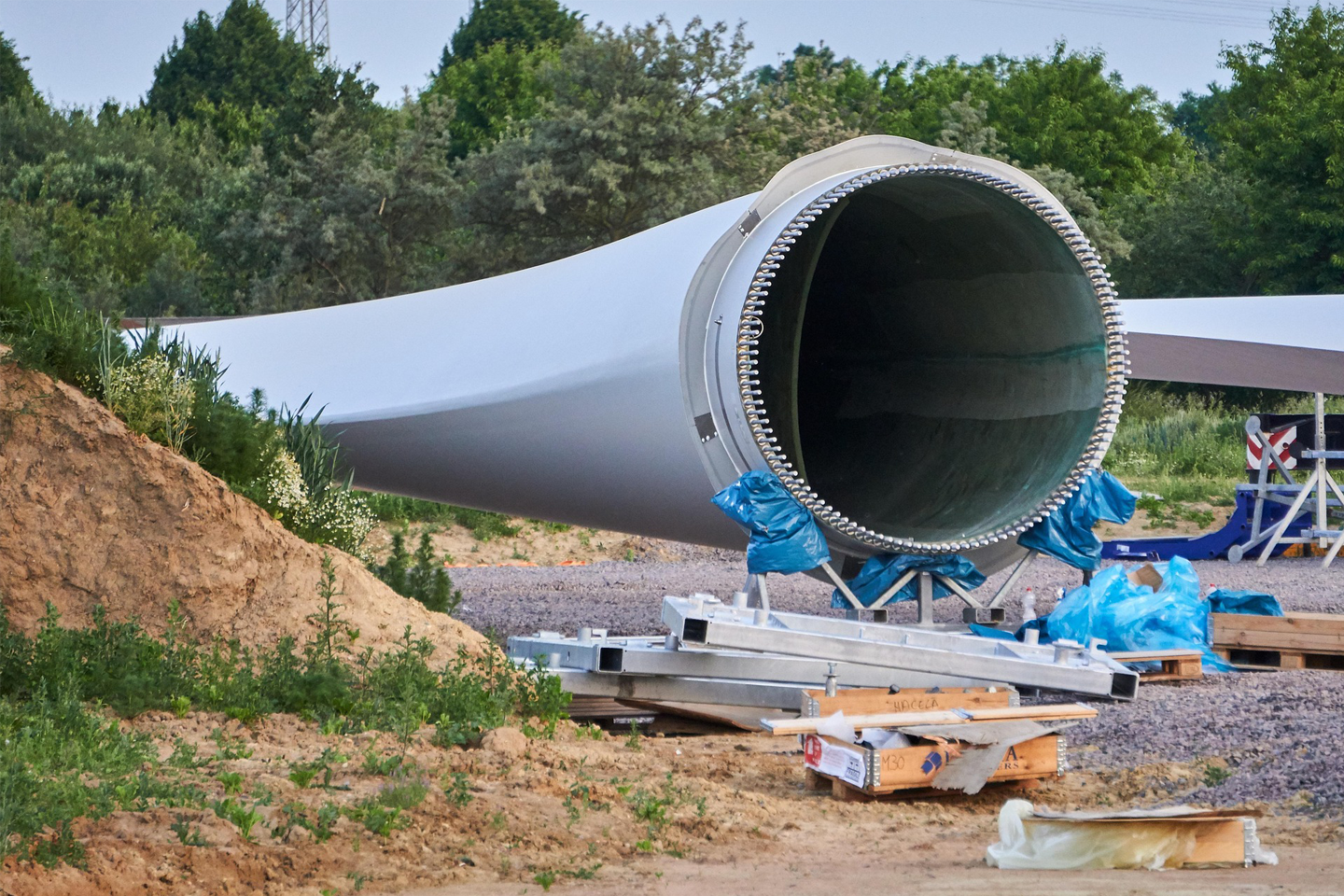
Reuse of end-of-life rotor blade materials from the wind energy sector
The project focuses on developing a circular material cycle for the reuse of end-of-life (EoL) rotor blade materials from the wind energy sector. By closely linking the dismantling, classification and integration of end-of-life components into new products, an efficient reuse cascade model is being developed. Digital solutions such as the Digital Product Passport play a central role in this process, ensuring precise classification and traceability of the materials throughout their entire life cycle.
Funding: BMFTR
Project duration: 03/2026 – 08/2028
ReComCret
Methods for the reuse of end-of-life composite components in the construction industry
Through interdisciplinary collaboration between the fields of wind energy, construction and lightweight construction, ReComCret aims to develop a system-oriented, holistic approach to the production and reuse of end-of-life (EoL) composite components from wind turbine blades (WTB) for applications in the construction industry in the form of glass fibre-reinforced concrete, and to develop this into a market-ready product. The chosen approach aims to avoid the environmentally harmful disposal methods of incineration and landfill in future and, instead, to achieve a circular economy approach to the use of fibre-reinforced composites from the wind energy sector.
Funding: SAB/EU
Project duration: 03/2026 – 04/2028
RecyRotor
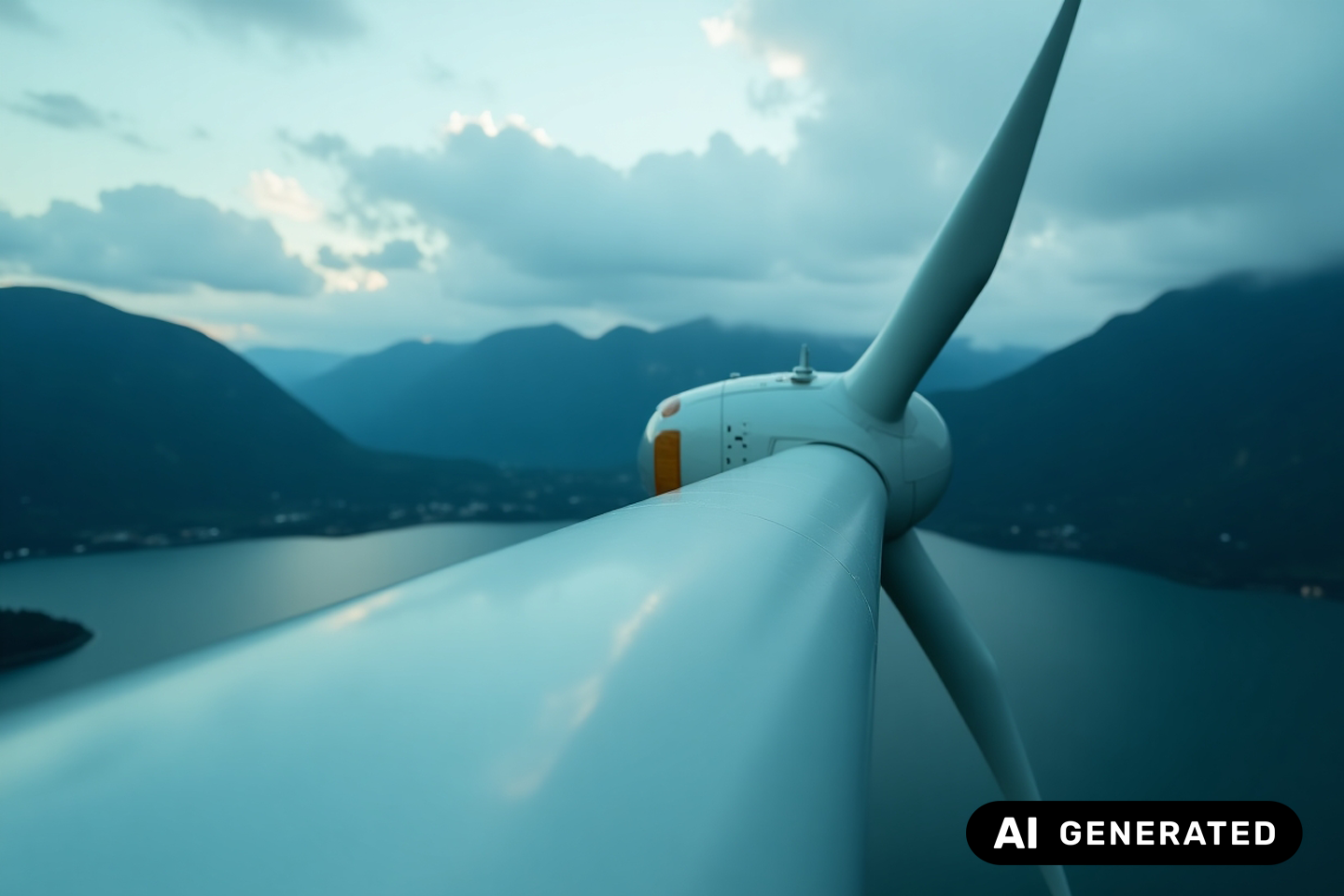
Development of a scanning and separation process for the recycling of wind turbine rotor blade structures through repurposing
The aim of the RecyRotor project is to develop mobile analytical equipment and a process chain for the secondary recycling of rotor blades from wind turbines once their primary service life has ended. To this end, HTWK will investigate damage patterns in end-of-life (EoL) rotor blades in relation to the load history of the components, using mechanical and optical methods.
Funding: ZIM
Project duration: 01/2025 – 06/2027
SoKoRoMed
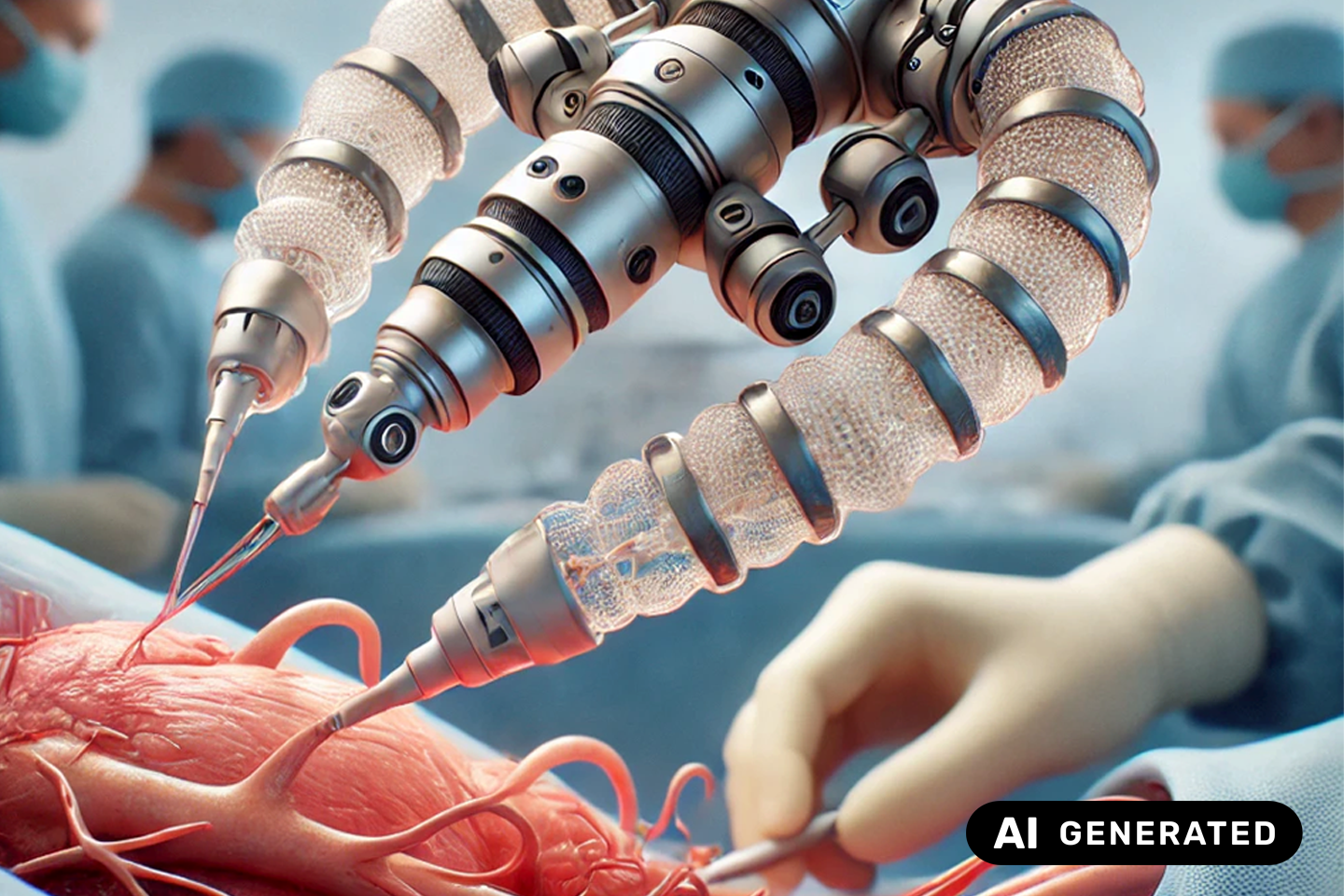
Soft and continuum robotics for medical applications
The project aims to establish defined process chains for the manufacture of patient- or application-specific soft end-effectors. To this end, new materials, suitable calculation methods and a tailored 3D printing technique are being developed. The soft and continuum robots (SKR) will be designed as part of the project and deployed in combination with conventional medical and robotic technology in a comprehensive clinical demonstrator for specific interventions. The definition of standards for system and functional descriptions is intended to facilitate clinical translation.
Funding: Sächsische Aufbaubank – Förderbank (SAB), co-funded by the European Union
Project partner: Innovation Centre for Computer-Assisted Surgery (ICCAS) at the University of Leipzig
Project duration: 09/2024–10/2026
Multidimensional and cross-scale materials research
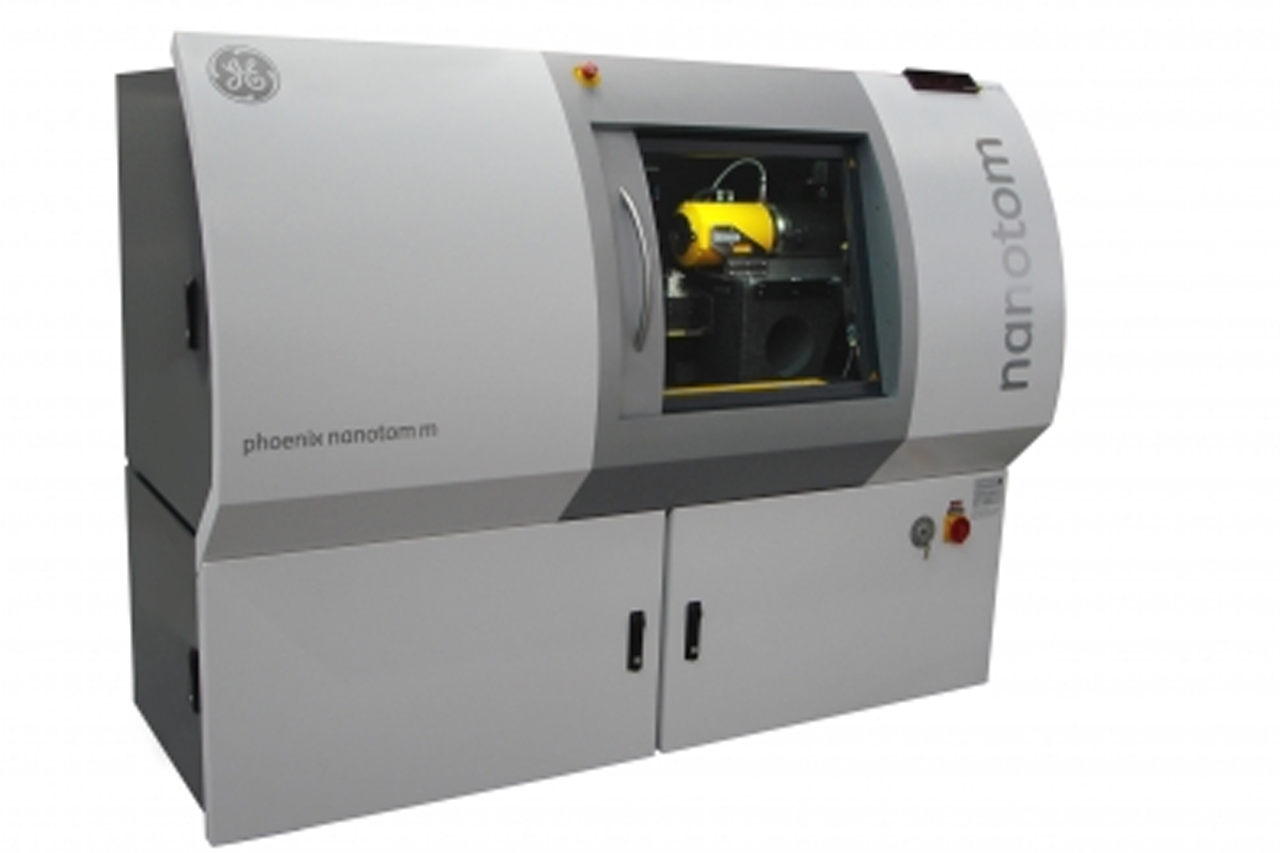
As part of the German Research Foundation’s (DFG) funding scheme for large-scale equipment, HTWK Leipzig will receive around one million euros from January 2022. This funding will be used, amongst other things, to purchase a scanning electron microscope and a computed tomography scanner. These large-scale instruments will expand the scope of the Centre of Excellence for Materials Research at HTWK, which was established in 2021, and enable knowledge-driven research projects in the field of materials science. The SEM will be used to investigate the interactions between microstructure, microstructure and the technically relevant properties of construction materials, metals and fibre composites. The CT enables three-dimensional microstructural analyses with resolutions down to the submicrometre range and will be equipped with two in-situ testing devices.
Funding: DFG
Project duration: 01/2022 – 12/2026
Project page: Multidimensional and cross-scale materials research
