
Whether it is sustainable mobility, digital transformation, the energy transition or modern medical technology – innovative materials are the key to tackling the major challenges of our time. They form the basis for technological breakthroughs, ensure the competitiveness of our industry and play a decisive role in maintaining quality of life and prosperity. Already today, around 70 per cent of all product innovations are based on new material properties. Without high-performance materials, there would be no modern cars or aeroplanes, no efficient batteries, no quantum computers, no bespoke implants from 3D printers, and no reliable supply of clean drinking water.
Advanced materials are indispensable for a greenhouse gas-neutral economy and more resilient societies. According to the OECD definition, these are entirely new or further developed materials with specifically engineered advantageous structural or functional properties. Advanced materials help to substitute critical raw materials, increase energy and resource efficiency, and implement circular economy concepts. Furthermore, methods such as computer-aided modelling, digital materials databases and AI-supported simulation are giving rise to entirely new approaches to the development, processing and application of materials.
Research into advanced materials at HTWK Leipzig therefore brings together different disciplines and technologies: from materials development itself (such as fibre-reinforced composites or bio-inspired implant materials), through the multifunctionalisation of materials (e.g. by integrating sensor networks or implementing energy storage functions in materials), to digital materials research (such as computer-aided modelling methods or digital twins) and modern manufacturing processes (e.g. additive manufacturing).
Additive Manufacturing Processes for Advanced Materials
The Faculty of Engineering develops tailored manufacturing solutions for the additive manufacturing of various material groups. These include metals, polymers and fibre-reinforced composites.
Research projects:
Advanced Materials for Medical Technology
The Faculty of Engineering develops bespoke materials for medical technology products, such as soft robotic structures, implants and orthoses. Materials such as elastomers, nanocomposites and bio-hybrid materials are used in this work.
Research projects:
Digital Materials Research & Diagnostics
The Faculty of Engineering develops and validates calculation and simulation methods for advanced materials, as well as components and parts made from these materials. These include brittle materials such as semiconductor materials, glass or thermoset composites, and ductile materials such as polymers, fibre-reinforced thermoplastics and soft robotics elastomers.
Research projects:
Integrated Sensor Networks
The Faculty of Engineering is conducting research into the development of modules for wireless sensor networks that can be integrated into Advanced Materials and used for structural monitoring of systems. Various circuit variants are being developed for this purpose.
Research projects:
Circular Economy with Fibre Composites
The Composite Circularity Lab (CCL) develops new concepts to enable the fibre composites industry to transition to a circular economy. Specifically, circular strategies comprising the elements of reuse, repair, refurbishment, remanufacturing, repurposing and recycling are implemented in demonstrator solutions.
Research projects:
Structural Batteries and Structural Supercapacitors
In 2025, the World Economic Forum named structural batteries as one of the ten breakthrough technologies of the year. These are materials that can simultaneously bear high mechanical loads and store energy like a battery. The Advanced Materials & Structures Lab (AMSL) is conducting research into computational and simulation methods for these innovative multifunctional materials.
Research projects:
Materials for Zero-Emission Buildings
In collaboration with the Faculty of Civil Engineering, the CCL is developing materials for nearly zero-energy buildings. These include carbon concrete and concrete-based sandwich materials with ultra-high heat storage properties.
Research projects:
- Additive Manufacturing | Prof. Ines Dani, Prof. Robert Böhm
- Advanced Materials for Medical Technology | Prof. Thomas Neumuth, Prof. Stephan Schönfelder, Prof. Robert Böhm
- Calculation of Advanced Materials | Prof. Stephan Schönfelder, Prof. Robert Böhm
- Circularity & R6 Strategies | Prof. Robert Böhm
- Digitalisation in Materials Research | Prof. Stephan Schönfelder
- Fibre-reinforced composites | Prof. Robert Böhm
- Multifunctional Materials | Prof. Robert Böhm, Prof. Faouzi Derbel
- Sensor Networks & Monitoring | Prof. Faouzi Derbel
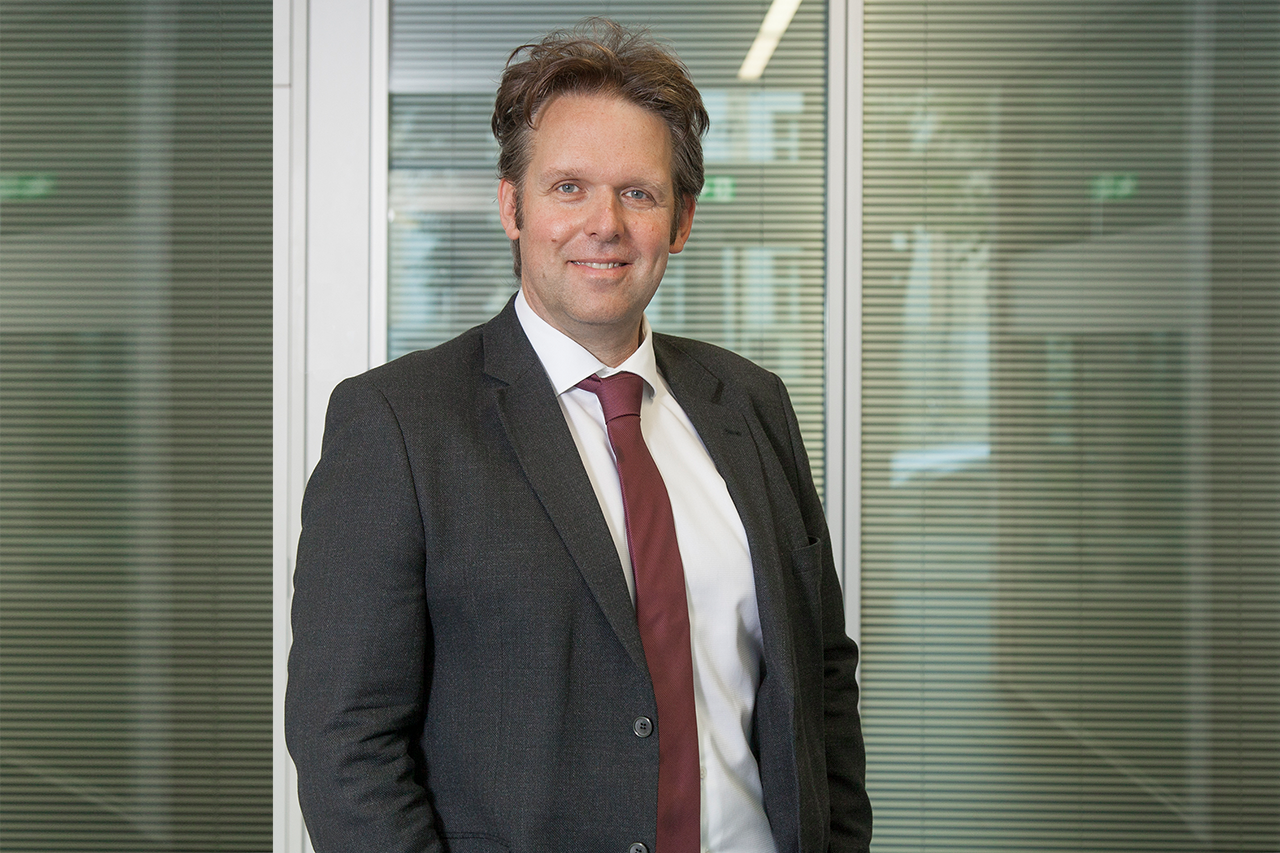
Prof. Dr.-Ing. habil. Robert Böhm
Composite Lightweight Engineering
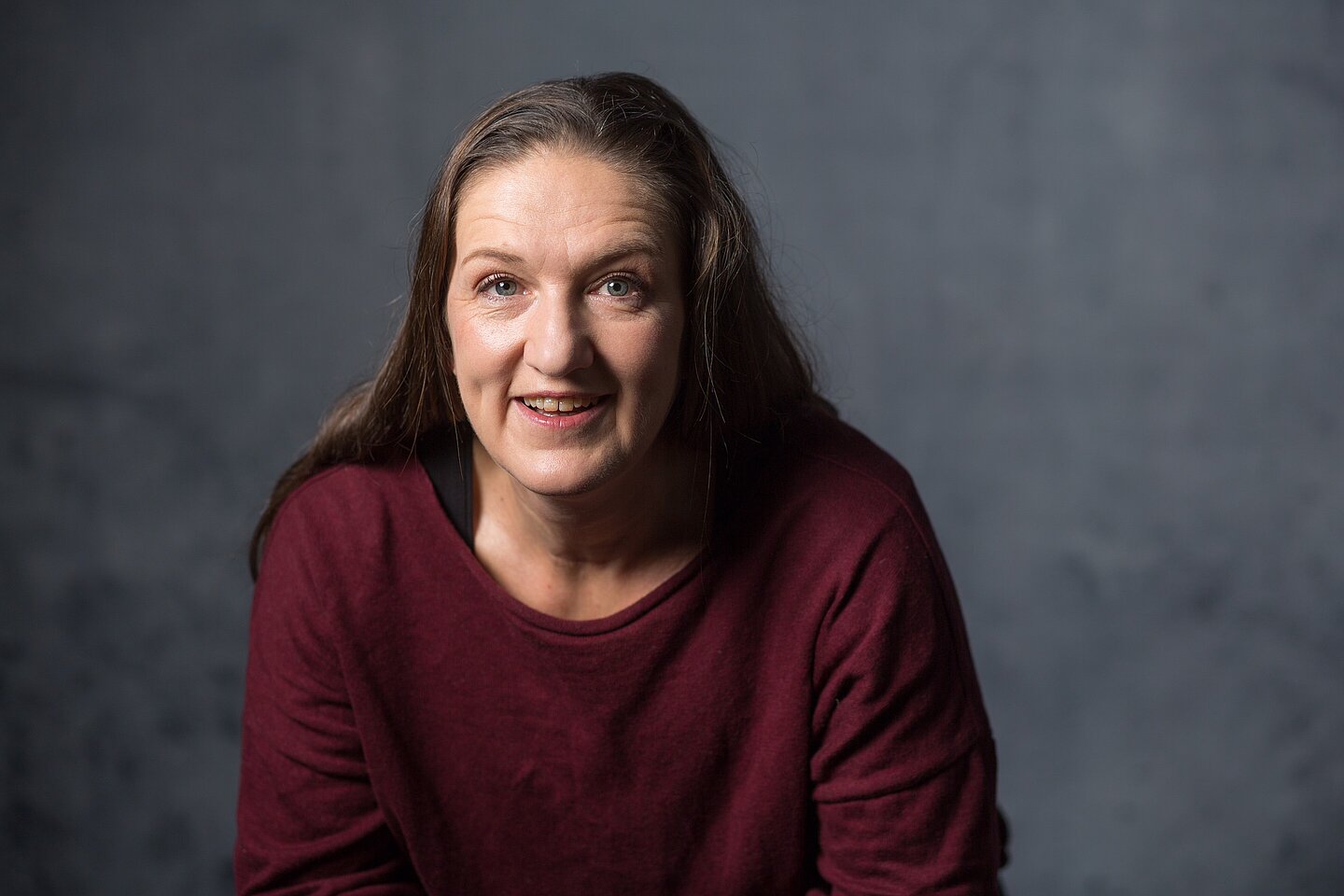
Prof. Dr. rer. nat. Ines Dani
Generative Manufacturing Technology
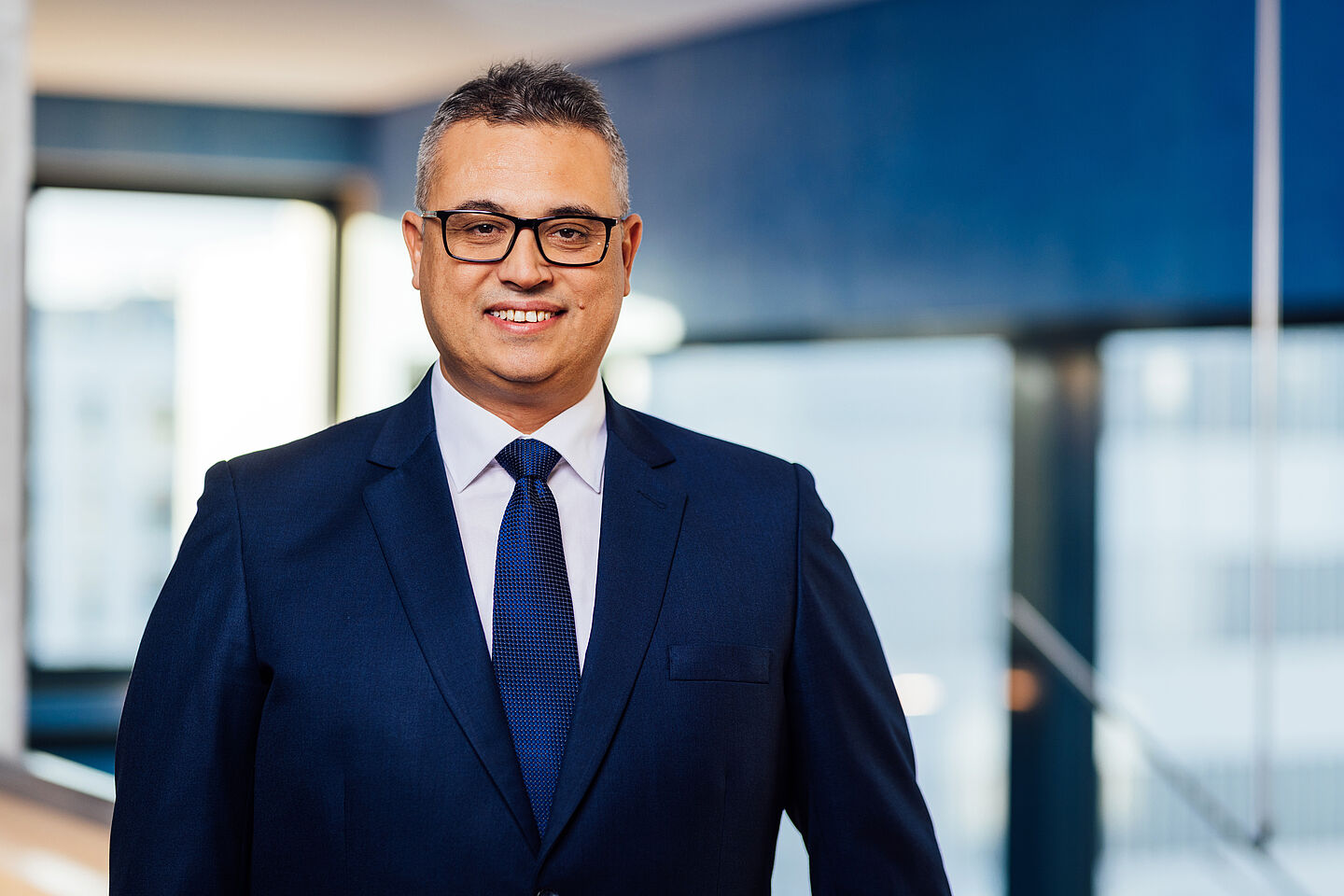
Prof. Dr.-Ing. Faouzi Derbel
Smart Diagnostics and Online Monitoring
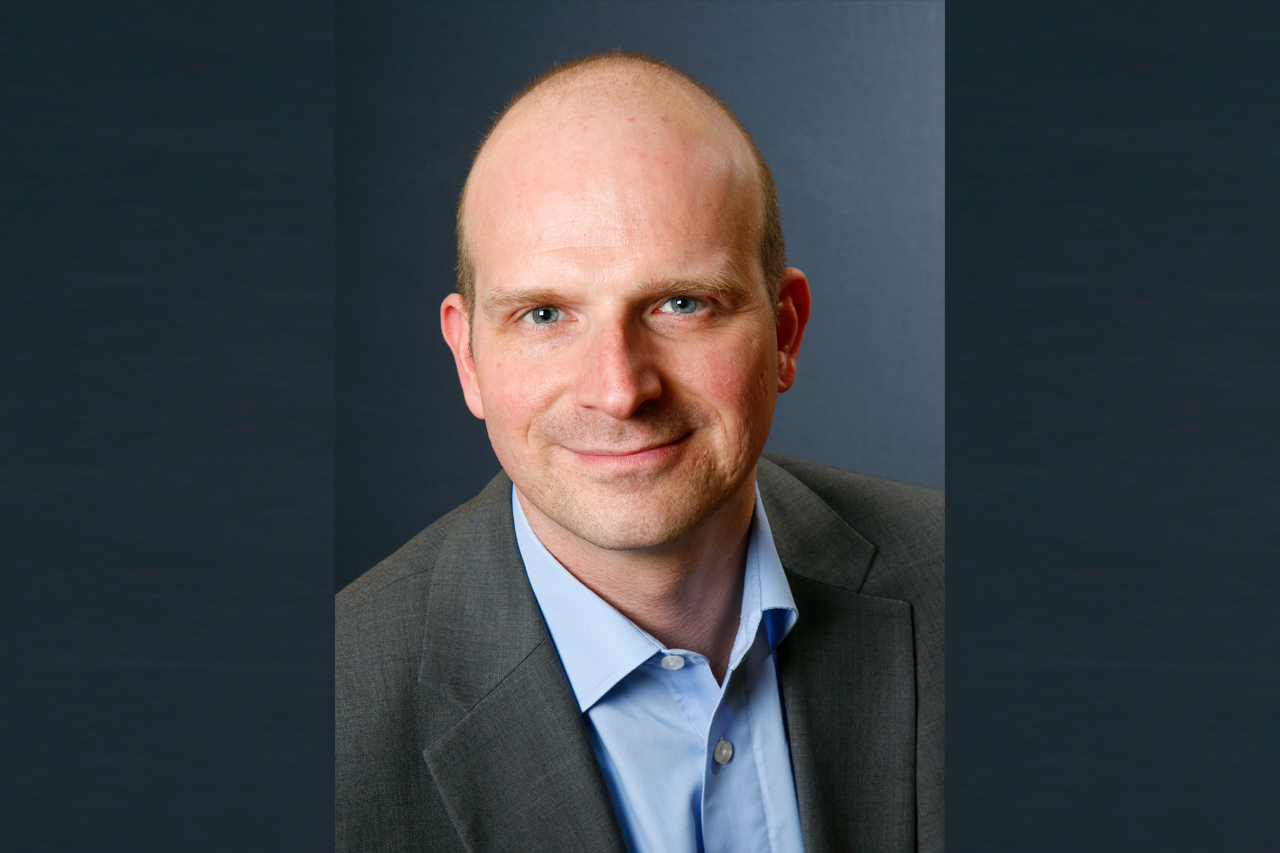
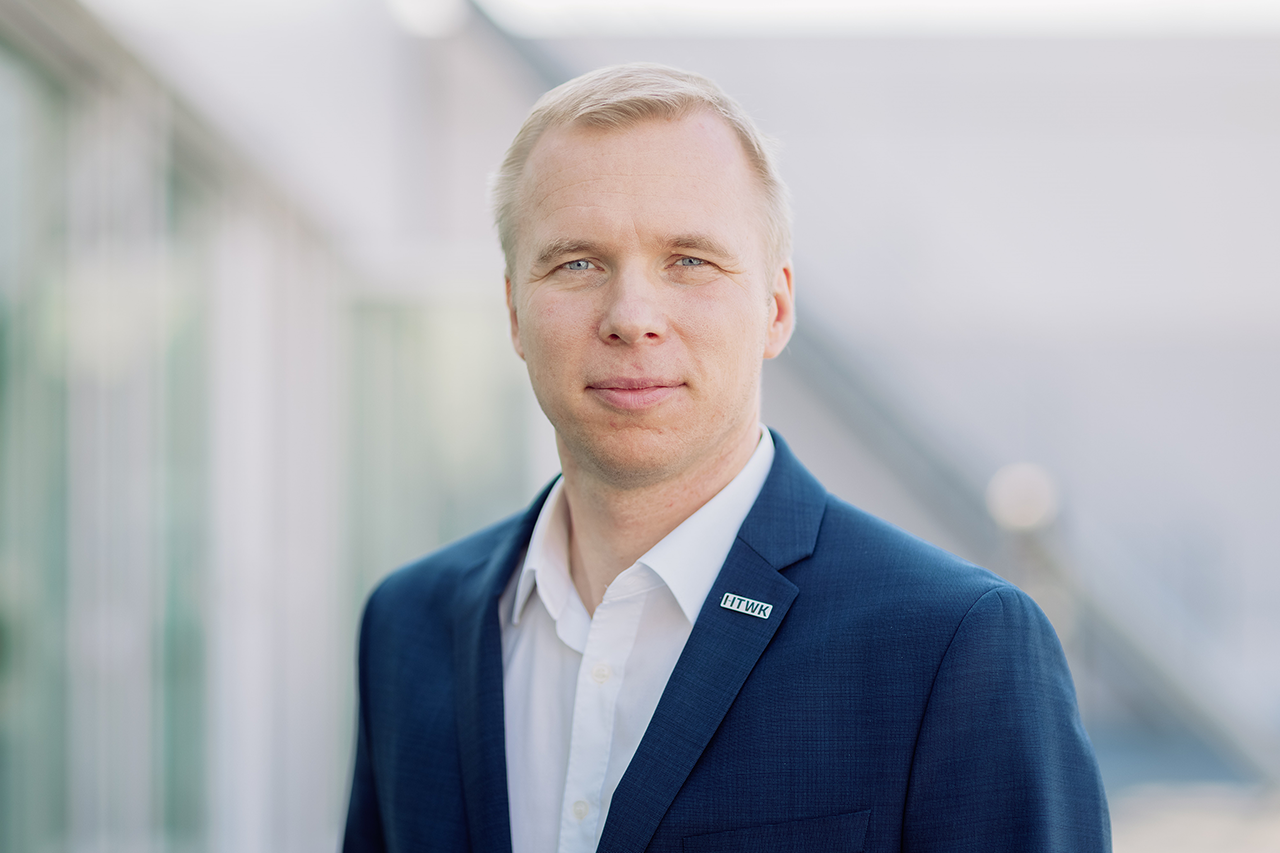
Prof. Dr.-Ing. Stephan Schönfelder
Simulation of Energy and Technical Systems
