
Key areas of research and development
- Targeted application of NC-controlled manufacturing for milled, turned and mill-turned workpieces in the fields of research, development and industry
- The use of additive manufacturing processes in medical technology, such as 3D printing of biomaterials for the development of novel bone replacement materials
- Development of lightweight products using additive manufacturing methods
- Use of 3D measurement techniques for reverse engineering processes
For example, we are working on the processing of biodegradable plastics and biopolymers, the implementation of innovative solutions in foundry technology, and in the field of 3D scanning. We use the standard CAD systems CATIA and Inventor to carry out our work.
Tissue engineering is one of the working group’s key areas of focus. Our aim here is to artificially produce biological tissue through targeted cell cultivation, with a view to replacing or fully regenerating areas of tissue. Complex clinical conditions present challenges, for example when the recovery process extends over a very long period. Strategies that have proven effective to date must be re-evaluated and further developed.
Implantable materials, such as biopolymers (e.g. polycaprolactone; PCL) and hydrogels, are biocompatible and can be degraded in a controlled manner within the human body over an extended period. Such implants are mechanically stable immediately after insertion and, as they degrade within the body, do not need to be removed via follow-up surgery at the end of their service life.
To transform promising biomaterials into geometrically defined complex structures, the research group utilises additive manufacturing processes. We have made modifications to standard 3D printers to bring us a little closer to the dream of 3D-printed implants. Along the way, we are sure to encounter a number of challenges that need to be overcome.
Prof. Dr.-Ing. Fritz Peter Schulze (Emeritus)
Chair of Machine Tools and Manufacturing
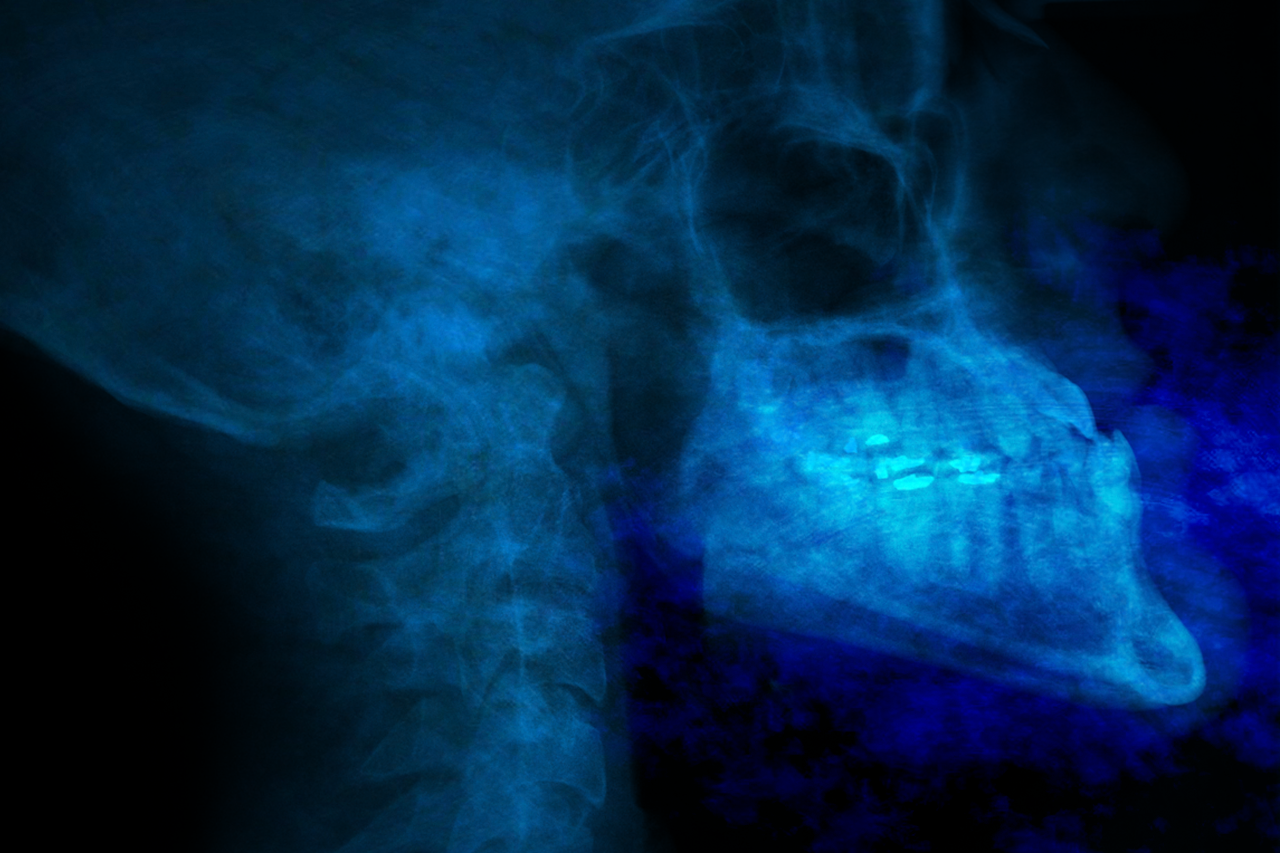
ZEREPRO – Orthosurg
Development of a system for planning and osteosynthesis in orthognathic surgery based on anatomically preformed osteosynthesis plates and planning software
As part of the project, a system is being developed for comprehensive planning, simulation and surgical treatment in orthognathic surgery. A key component of this are three-dimensionally pre-formed osteosynthesis plates for every area of application in orthognathic surgery of the human upper and lower jaw and the chin region, which enable the simple and reliable intraoperative implementation of the surgical plan.
Funding: ZIM programme of the BMWi (project management: VDI)
Project partners: Prof. Martin Gürtler (HTWK Leipzig), Anton HIPP GmbH
Project duration: 10/2020 – 06/2022
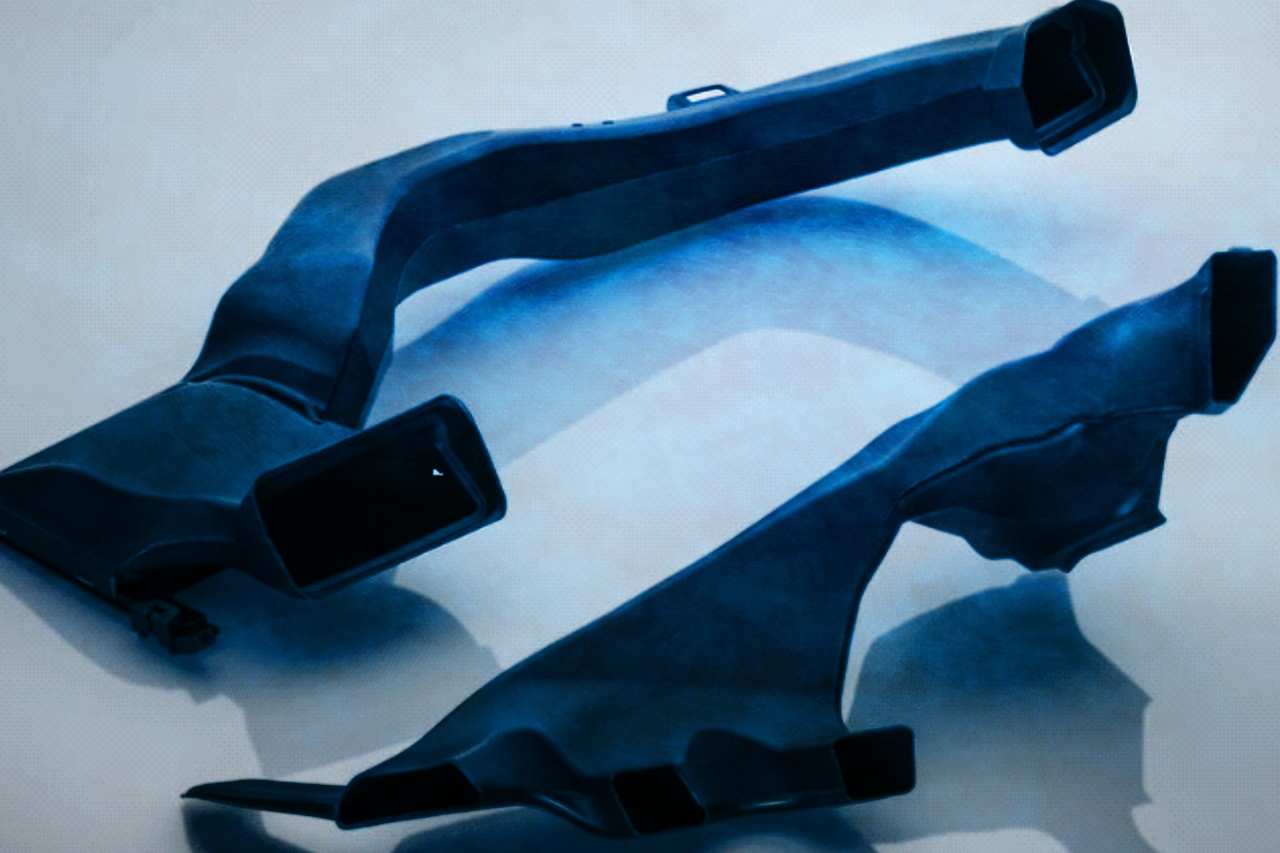
Additive manufacturing
Development and validation of additive manufacturing strategies for the implementation of effective absorber structures in conduit and housing components whilst preserving their function and geometry
The project is developing structures and manufacturing strategies that enable the additive manufacturing of components with an integrated sound-damping function. This results in physically robust components whose damping properties are reproducible and predictable.
Funding: ZIM programme of the BMWi (project management agency: AiF)
Project partner: Gesellschaft für Akustikforschung Dresden mbH
Project duration: 04/2020 – 10/2022

BioKomp
Investigation of the biocompatibility of additively manufactured components
As part of the biocompatibility testing, this project will investigate the cytotoxicity of various typical materials used in additive manufacturing, drawn from a range of processes.
Project partner: Fraunhofer Institute for Cell Therapy and Immunology e.V.
Project duration: December 2020 – December 2021
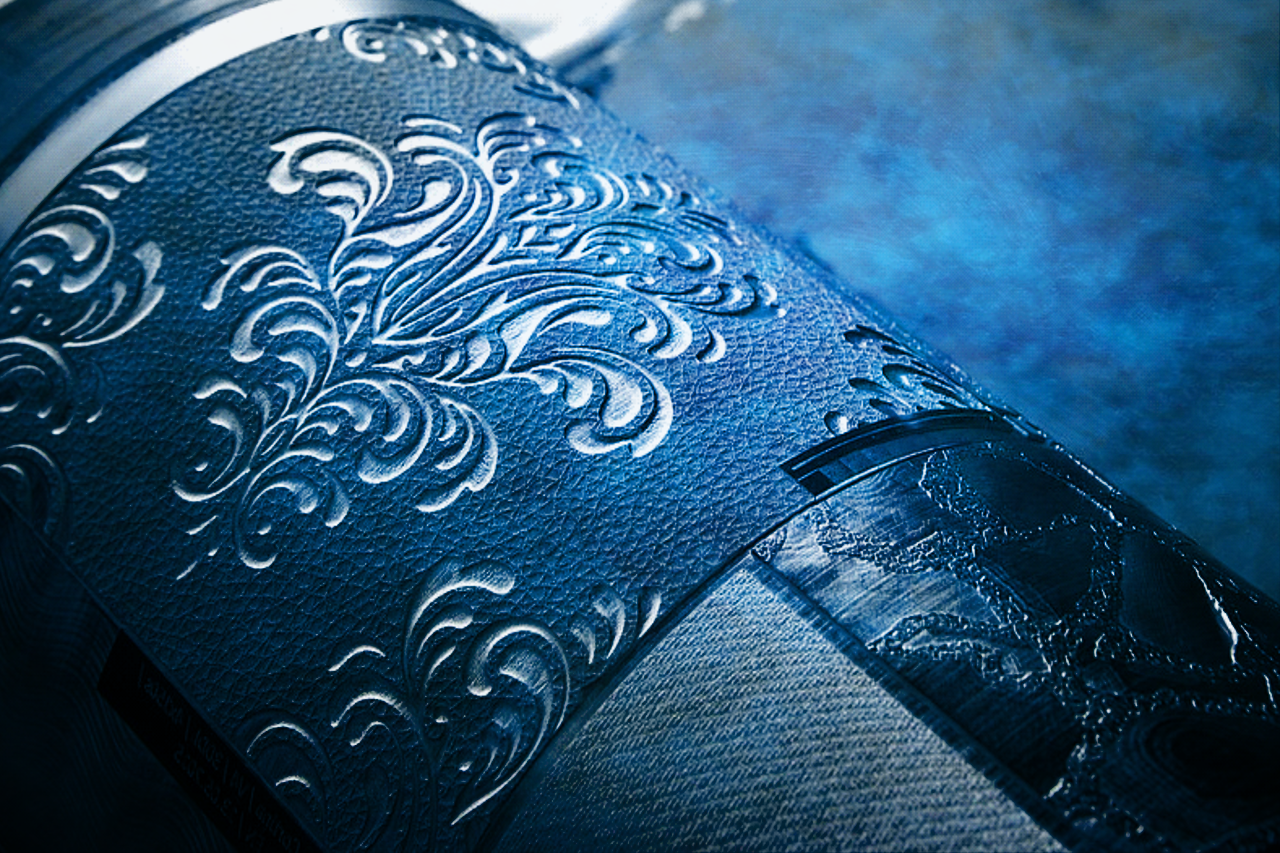
4D embossing
Novel embossing dies with intrinsic, multidimensional property gradients
The aim is to develop innovative embossing dies that, for the first time, can be produced using a combination of additive manufacturing processes and subtractive laser engraving. Additive manufacturing opens up entirely new possibilities for equipping the die with 3D embossing structures that are highly variable in geometry and optimised for moulding, and for specifically influencing the die’s embossing properties.
Funding: ZIM programme of the BMWi (project management: VDI)
Project partner: SWG – Sächsische Walzengravur GmbH
Project duration: 06/2019 – 12/2021
Beat2020
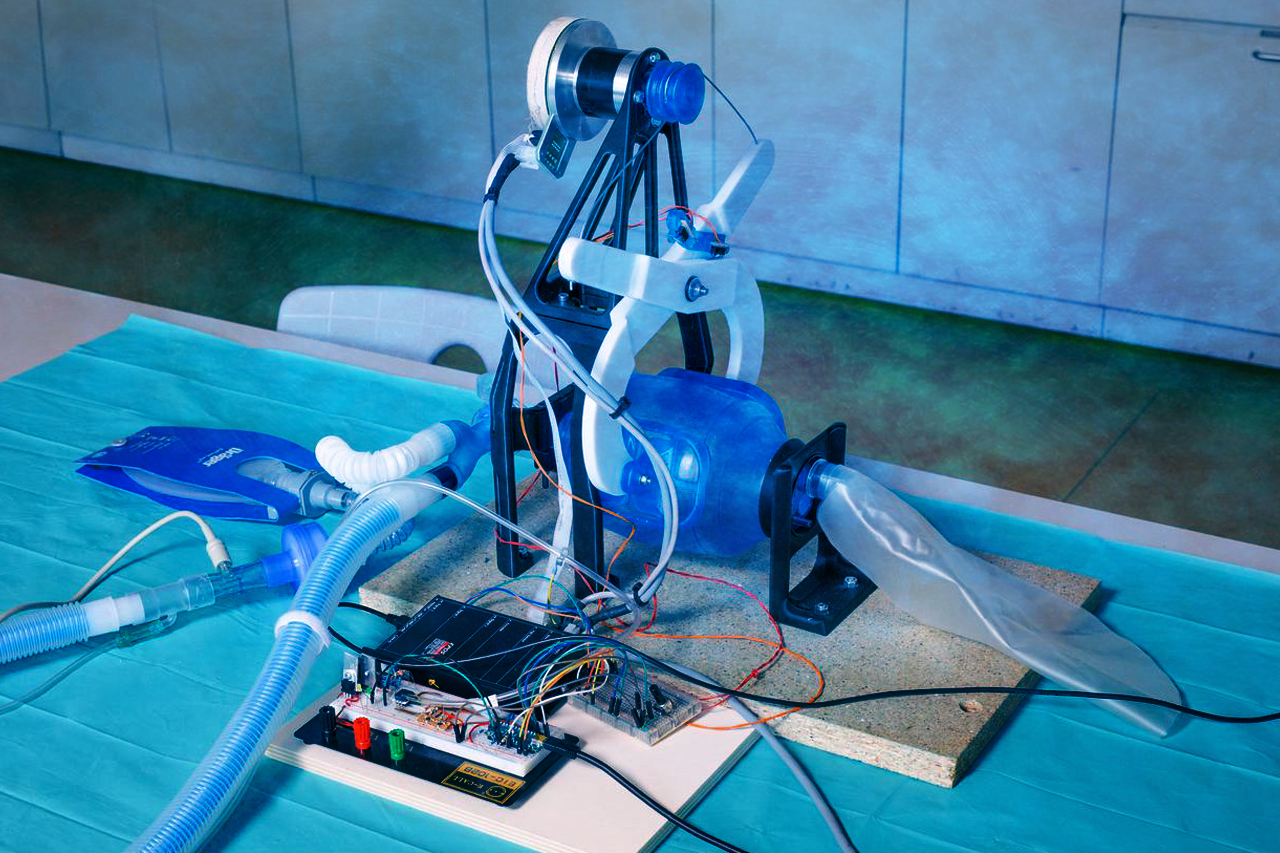
Development of an emergency ventilator to provide support during the Covid-19 pandemic
An emergency ventilator has been developed using medical technology components available during the pandemic at the time, as well as freely available third-party components and parts produced using additive manufacturing. The aim was to enable life-saving care for COVID-19 intensive care patients in the event of intensive care units becoming overcrowded and the resulting shortage of professional equipment.
Project by an internally formed working group, without funding, in collaboration with a company
. Project duration: 04/2020 – 06/2020
formplus – generaSpriNetz
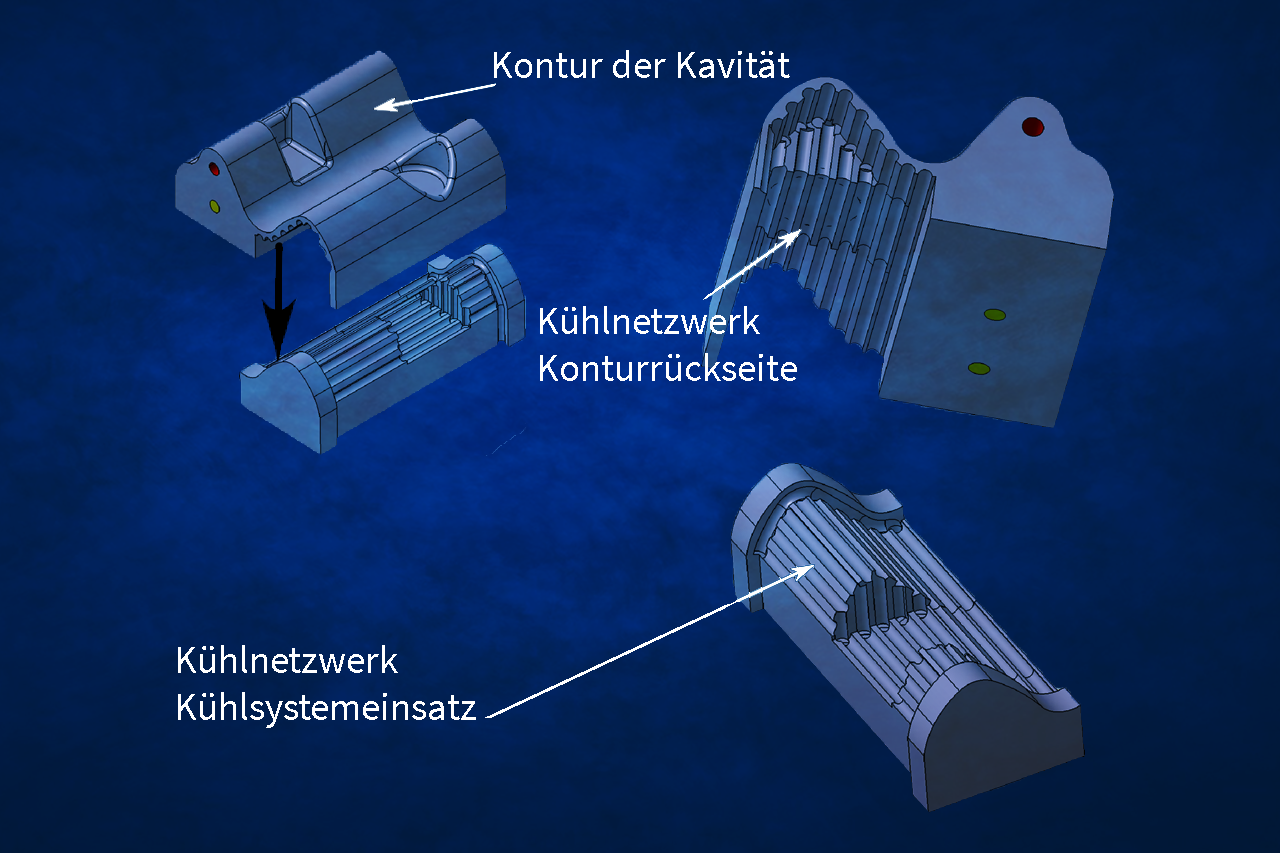
Process parameters and design sequence for injection moulding cooling networks that closely follow the contour
As part of the project, new cooling systems for plastic injection-moulded parts were developed. By utilising 3D-printed inserts to achieve extensive, contour-following cooling, greater flexibility was achieved in terms of shot time stability and mould design.
Funding: ZIM programme of the BMWi (project management: VDI)
Project partner: TriWeFo – Tridelta Werkzeug- und Formenbau GmbH, Hermsdorf
Project duration: May 2018 – November 2020
Multi-channel tubes
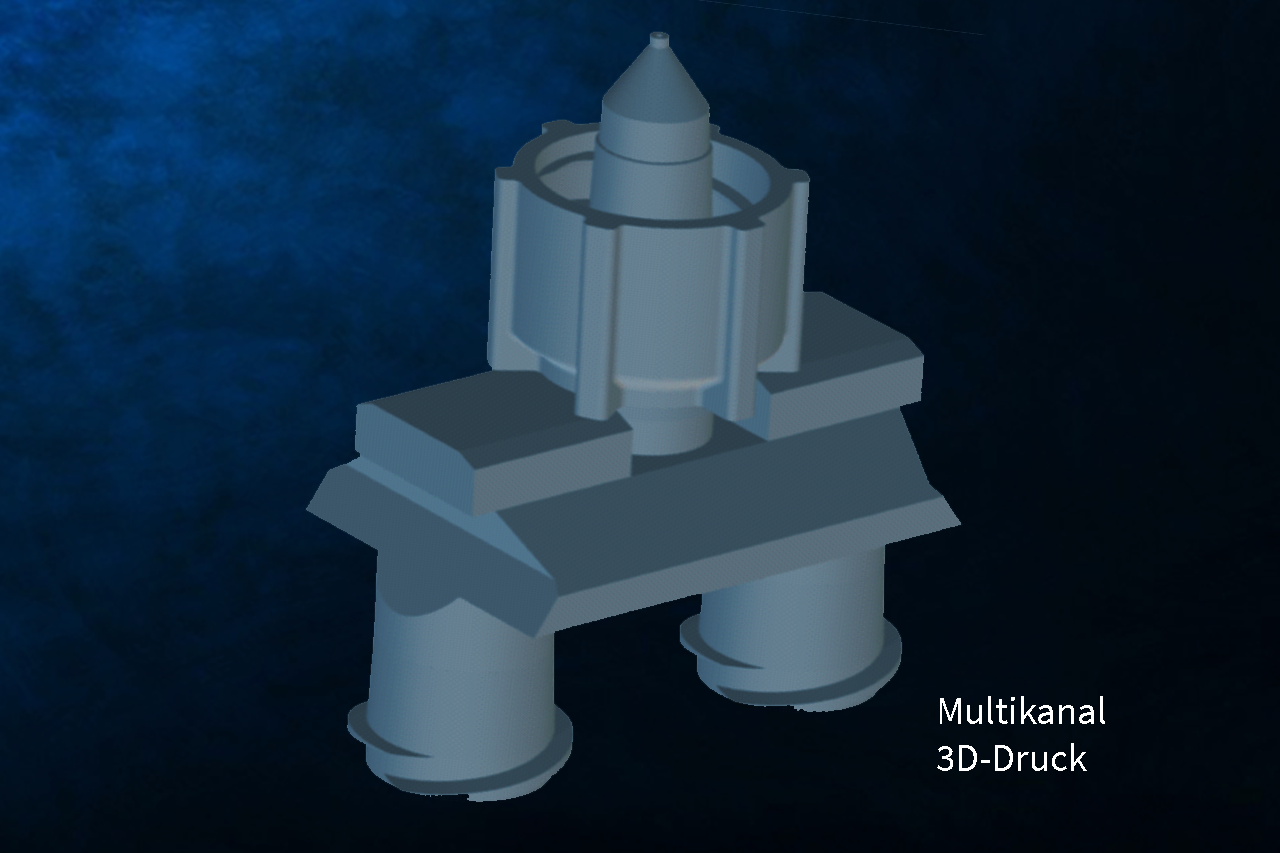
Additive manufacturing of multi-channel tubes for peripheral nerve regeneration
To date, the treatment of defects in the peripheral nervous system has met with only limited success due to the complex anatomical structure of nerves. The ‘Multichannel Tubules’ project aims to break new ground in the manufacture of an implant using a new hydrogel material and additive manufacturing techniques, designed to support the body’s own regeneration of nerve defects in a targeted and more effective manner.
Funding: ZIM programme of the BMWi (project management: VDI)
Project partners: Chair of Pharmaceutical Technology/Institute of Pharmacy/Faculty of Medicine/University of Leipzig, axiss GmbH
Project duration: 11/2016 – 03/2019
Publication: Extrusion-Printing of Multi-Channeled Two-Component Hydrogel Constructs from Gelatinous Peptides and Anhydride-Containing Oligomers
DOI: 10.3390/biomedicines9040370
pdf via NCBI
formplus – KomposiForm
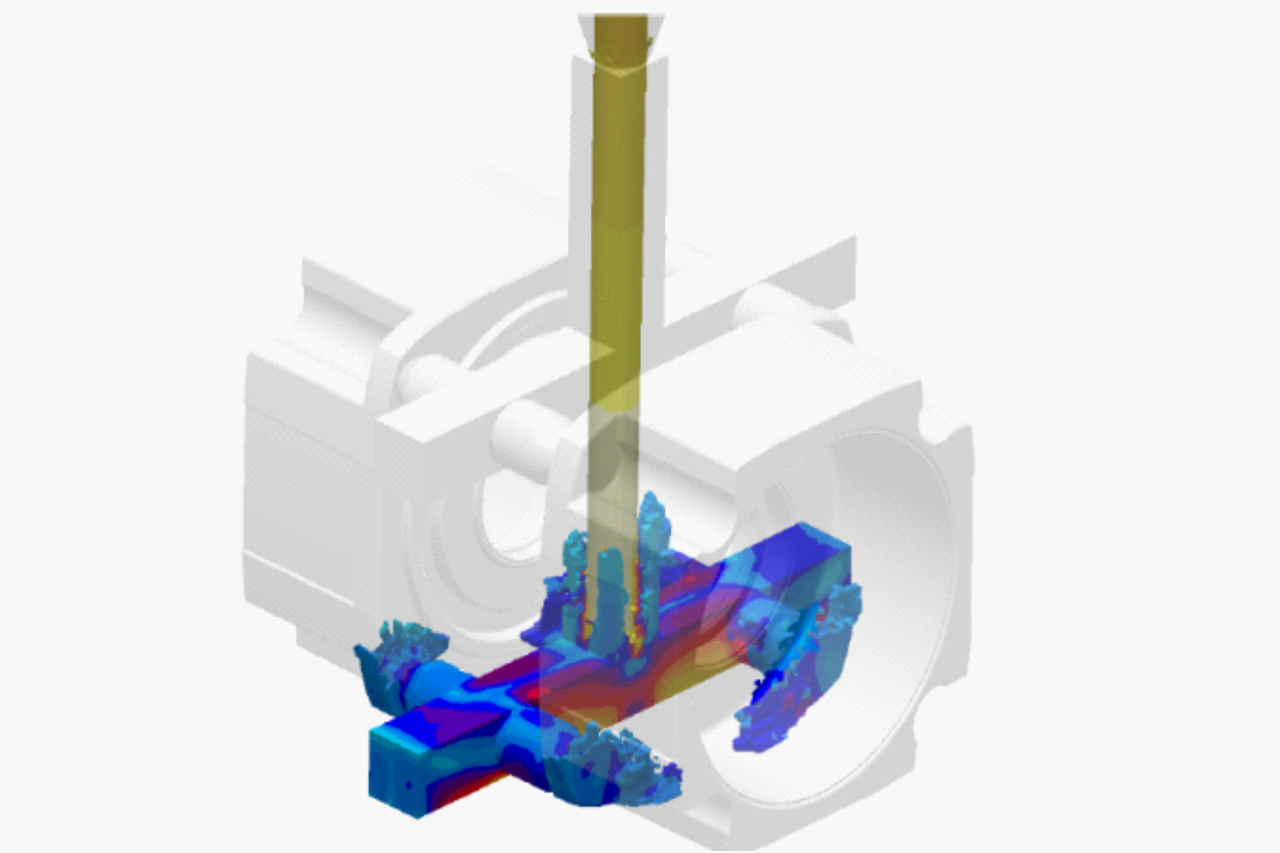
Simulations of cooling behaviour when using alternative moulding materials
Development of cooling systems for casting moulds to externally influence the solidification behaviour during metal casting, utilising vacuum-compatible moulding materials with poor thermal conductivity. The aim of the project was to control the cooling of precision-cast metal components by modifying the moulding material and/or using cooling elements, so that their quality approximates that of a component produced by die-casting.
Funding: ZIM programme of the BMWi (project management: VDI)
Project partners: Prof. Henning Rambow/Faculty of AS/HTWK Leipzig, Portec GmbH
Project duration: 06/2017 – 05/2018
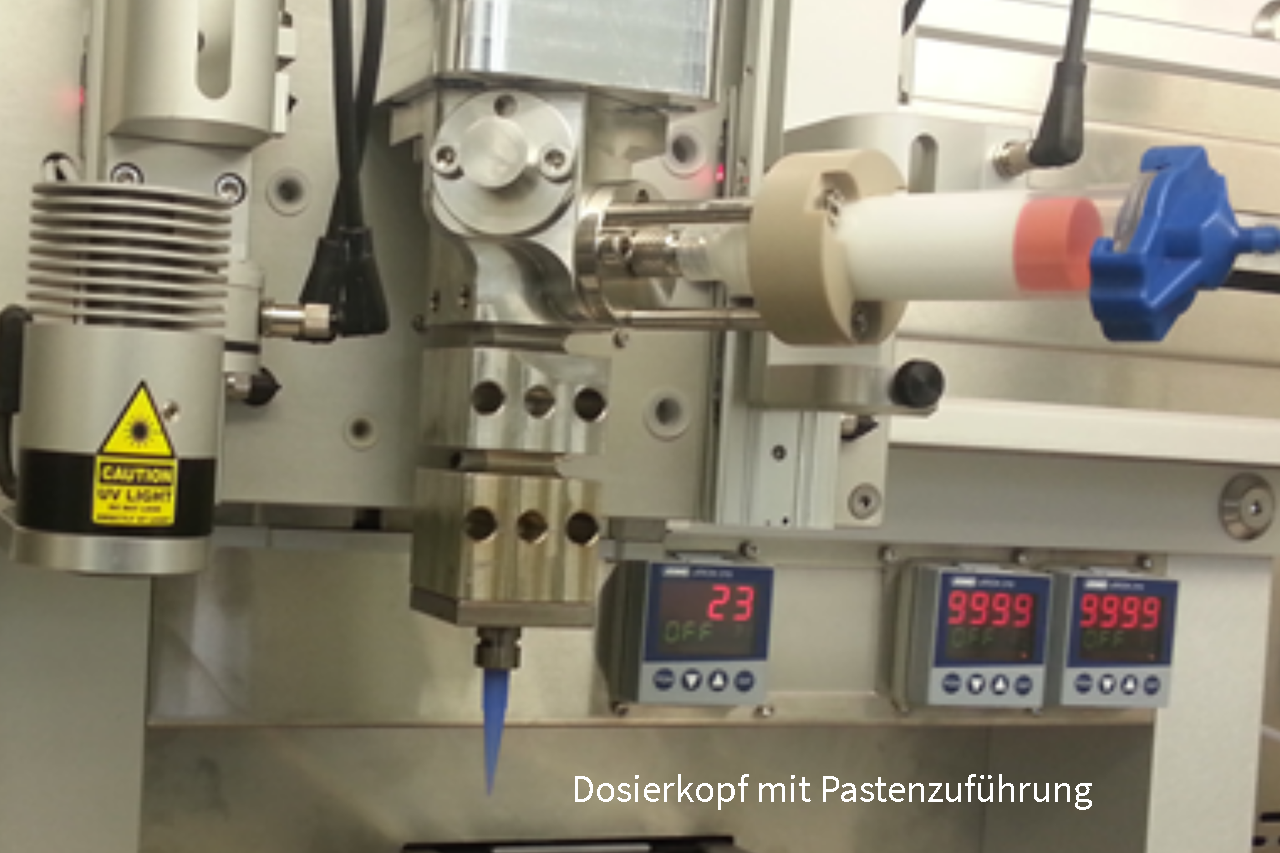
Bone regeneration using 3D-printed siRNA-releasing ceramic implants
Using a dispensing head in the FDM (Fused Deposition Modelling) 3D printing process, bone cement pastes containing active ingredients are shaped into three-dimensional structures. To this end, the plant technology is being further developed to meet the requirements for processing paste-like materials at room temperature, with the addition of powders integrated into the process. The aim is to further develop bone substitute materials.
Funding: SMWK
Project partners: Chair of Pharmaceutical Technology/Institute of Pharmacy/Faculty of Medicine/University of Leipzig, Clinical Pharmacology/Faculty of Medicine/University of Leipzig
Project duration: 09/2015 – 12/2017
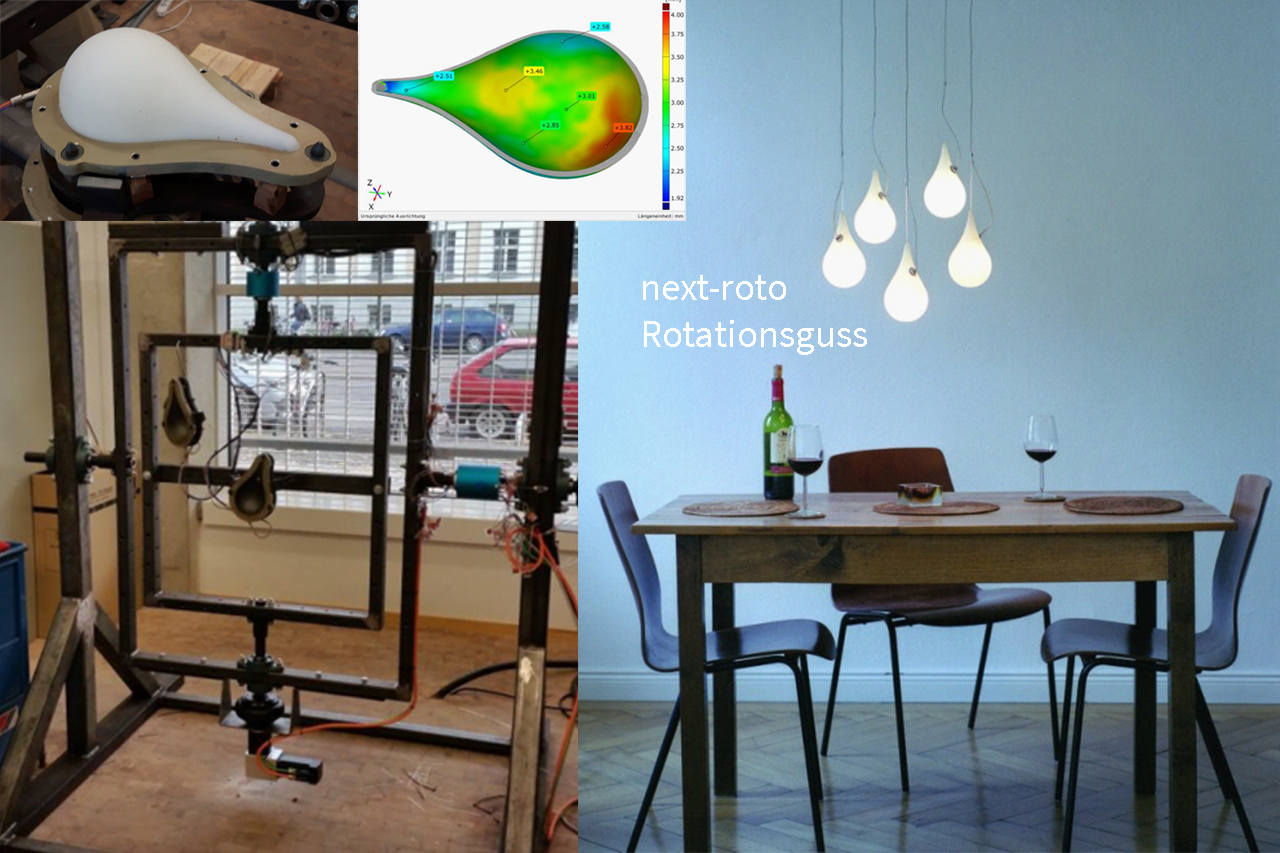
next-roto | Rotational moulding
Development of new process engineering systems for innovative, directly heated rotary moulds
The primary aim of the project is to develop and produce prototypes of innovative, directly heated rotational moulds, as well as an associated rotational moulding machine, for the manufacture of complex plastic components. The innovation objectives are: new materials and manufacturing processes for the moulds, shortening of the production cycle, energy savings, energy recovery, reduction in space requirements, simplification of operation, significant improvement in product quality and reduction in waste during rotational moulding.
Funding: ZIM programme of the Federal Ministry for Economic Affairs and Energy (BMWi)
Project partners: next home collection e.K. (industry partner), RWTH Aachen University
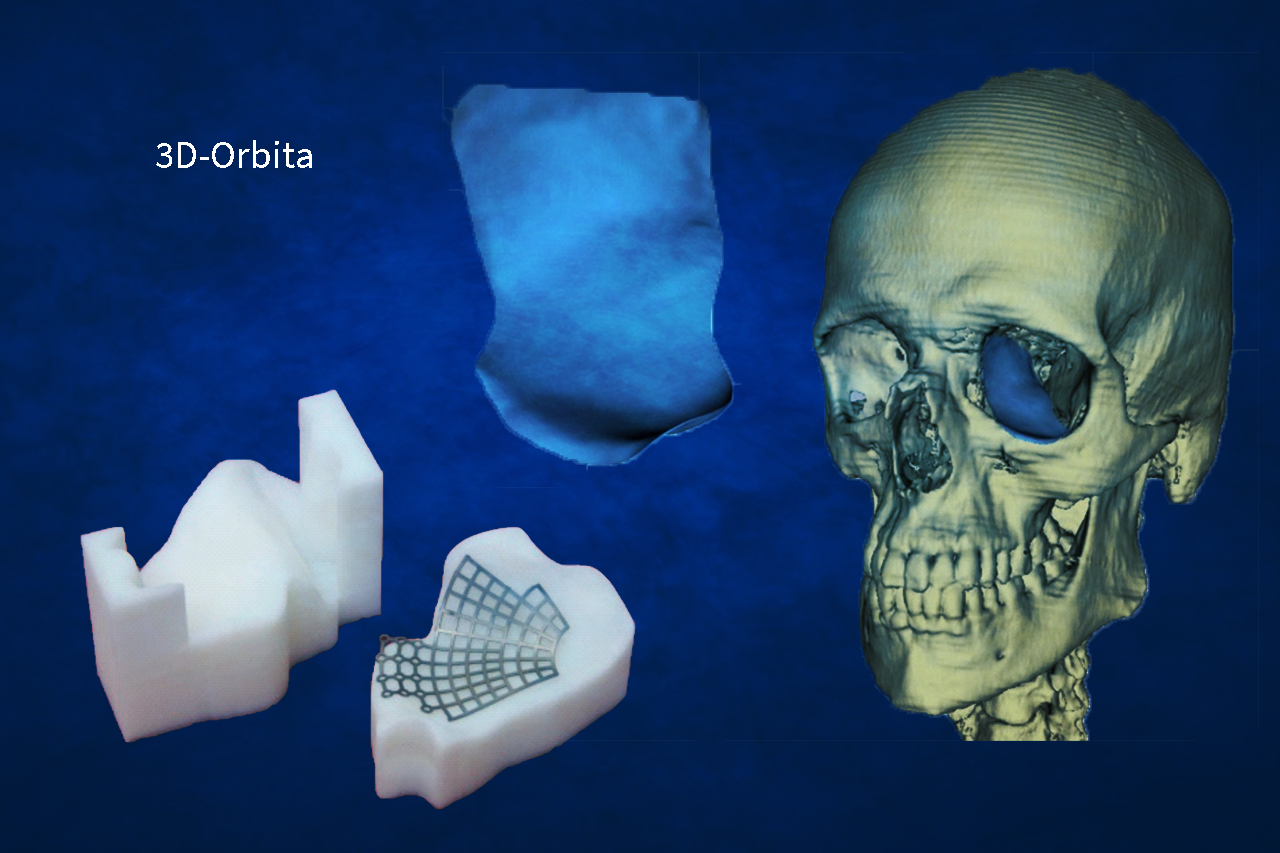
3D Orbit
Development of a bending aid for the treatment of orbital wall fractures
The aim of the project was to develop a process chain for the manufacture of optimised, patient-specific facial and cranial (craniomaxillofacial) implants.
Funding: ZIM programme of the BMWi (AiF)
Project partner: Deufel GmbH (clinical partner), Department of Oral and Maxillofacial Surgery/Faculty of Medicine/University of Leipzig
Publication: Template-Based Orbital Wall Fracture Treatment Using Statistical Shape Analysis.
DOI: 10.1016/j.joms.2017.03.048
pdf via NCBI
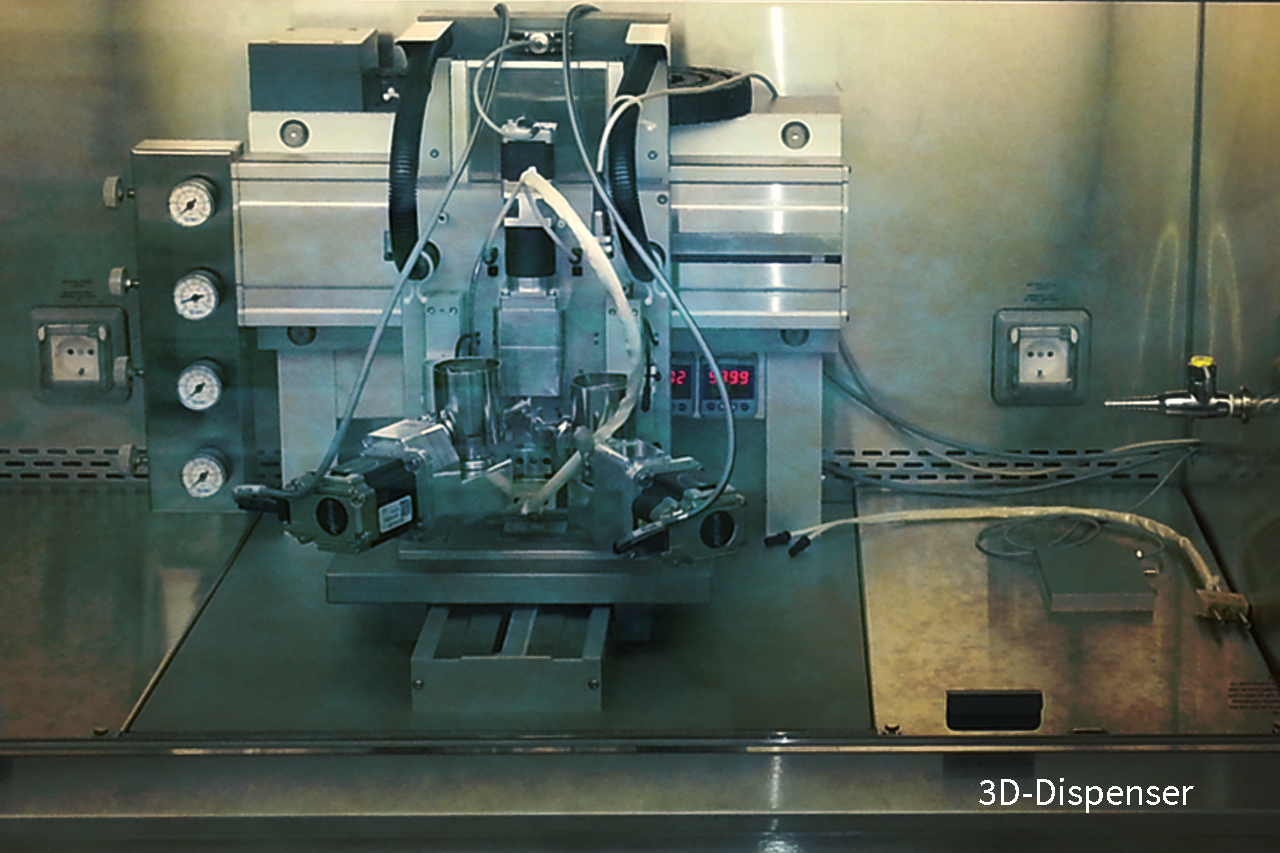
Application of 3D prototyping techniques for the micro-dosing of pharmaceutically active substances through homogeneous embedding in a bioplastic matrix
"Application of 3D prototyping methods for the microdosing of pharmaceutically active substances through homogeneous embedding in a bioplastic matrix." The research funding project laid the groundwork for submitting proposals for new projects in the field of medical technology. The focus was on the additive manufacturing of biocompatible plastics using the FDM (fused deposition modelling) rapid prototyping process.
Funding: SMWK
Project duration: 08/2013 – 12/2013
Nucleotide-based drug implants for regenerative applications in bone
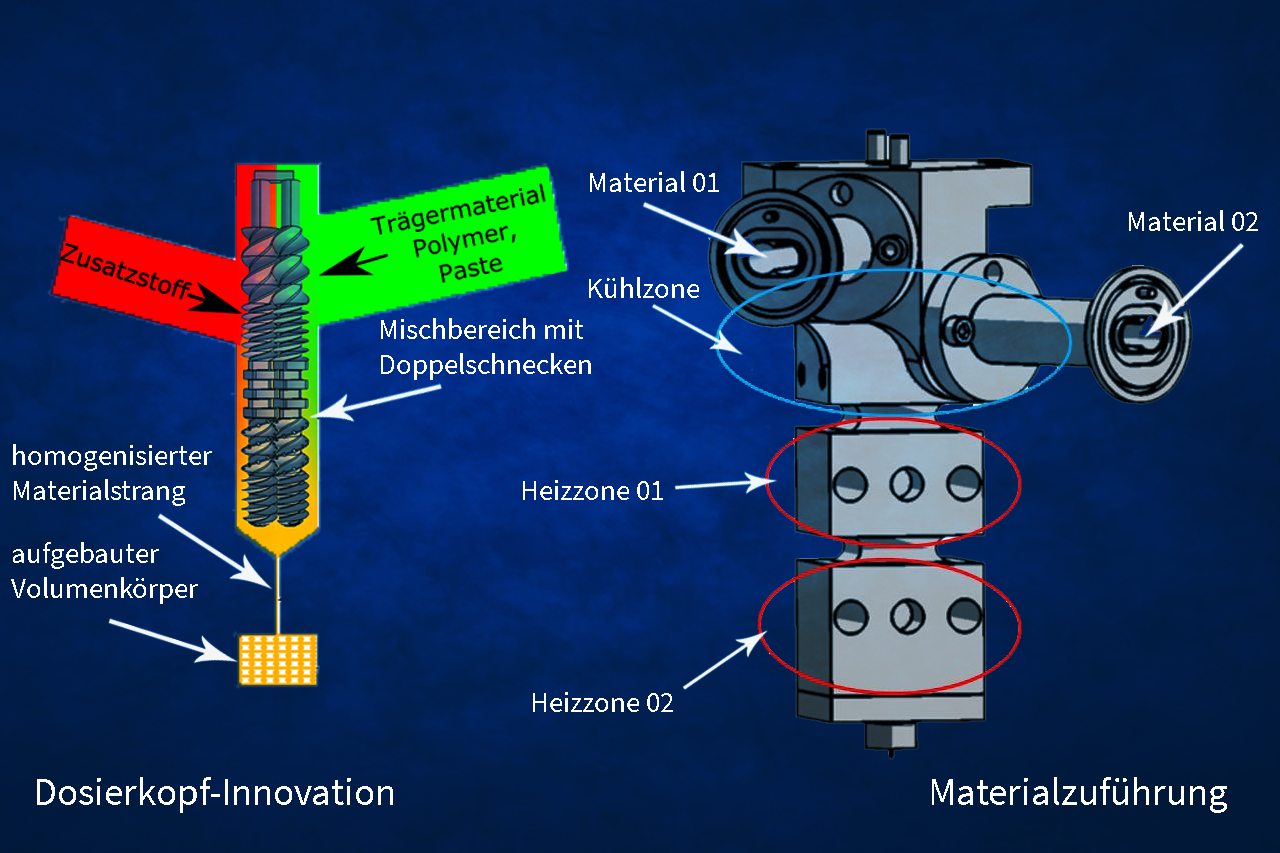
Development of a dosing head with a twin-screw extruder
Development of a dispensing head (FDM process) for additive manufacturing with an integrated twin-screw extruder. This makes it possible to mix several materials during the 3D printing process. Furthermore, the processing temperature can be significantly reduced compared with conventional technologies, and complex material mixtures can be processed. The aim is the three-dimensional fabrication of bone substitute materials.
Funding: SMWK
Project partners: Chair of Pharmaceutical Technology/Institute of Pharmacy/Faculty of Medicine/University of Leipzig, Clinical Pharmacology/Faculty of Medicine/University of Leipzig
Project duration: 05/2013 – 12/2014
Publication: A twin-screw extruder for material dosing in a rapid prototyping process
in: Stelzer, Ralph, ed., 2016. Design, Develop, Experience 2016 – Contributions to virtual product development and design engineering: Dresden, 30 June – 1 July 2016. Dresden: TUDpress – Verlag der Wissenschaften GmbH. pp. 419–428. ISBN 978-3-95908-062-0
HySiBone
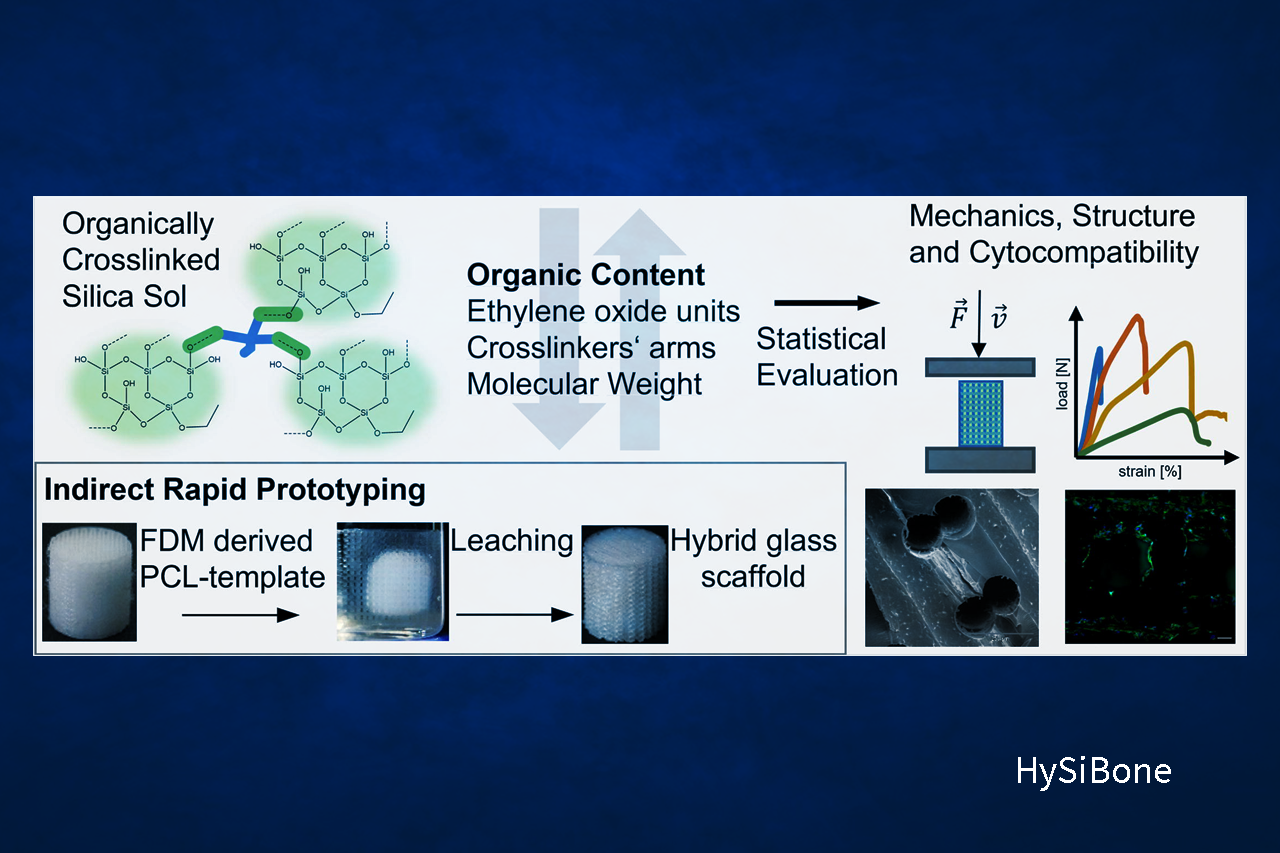
Development of a novel porous hybrid silicate bone substitute material
Use of the generative process known as Fused Deposition Modelling (FDM) to produce moulded parts. These serve as lost moulds for the indirect structuring of hybrid silicate materials as bone substitute materials.
Funding: ZIM programme of the Federal Ministry for Economic Affairs and Energy (BMWi) (AiF)
Project partners: Chair of Pharmaceutical Technology/Institute of Pharmacy/Faculty of Medicine/University of Leipzig, Bubbles and beyond GmbH, DMG-Chemie GmbH
Project duration: 05/2011 – 07/2013
Patent: DE102014224654A1 | Macroporous, biodegradable, organically cross-linked silicate hybrid materials for implantation
Publications:
Indirect rapid prototyping of sol–gel hybrid glass scaffolds for bone regeneration – effects of organic crosslinker valence, content and molecular weight on mechanical properties
DOI: 10.1016/j.actbio.2016.02.038
Effects of curing and organic content on bioactivity and mechanical properties of hybrid sol–gel glass scaffolds made by indirect rapid prototyping
DOI: 10.1007/s10971-017-4395-y
Biodegradable and adjustable sol-gel glass-based hybrid scaffolds from multi-armed oligomeric building blocks
DOI: 10.1016/j.actbio.2017.09.024
Sustained calcium(II) release to impart bioactivity in hybrid glass scaffolds for bone tissue engineering
DOI: 10.3390/pharmaceutics12121192
