Prof. Dr.-Ing. Andreas Pretschner
Chair of Process Informatics
Institute
PAES | Institute for Process Automation and Embedded Systems
Research Profile
Process Automation & IIoT
Project Leader
RoboCreators
Telephone: +49 (0)341 3076 1135
Email: andreas(dot)pretschner(at)htwk-leipzig.de
Charging infrastructure
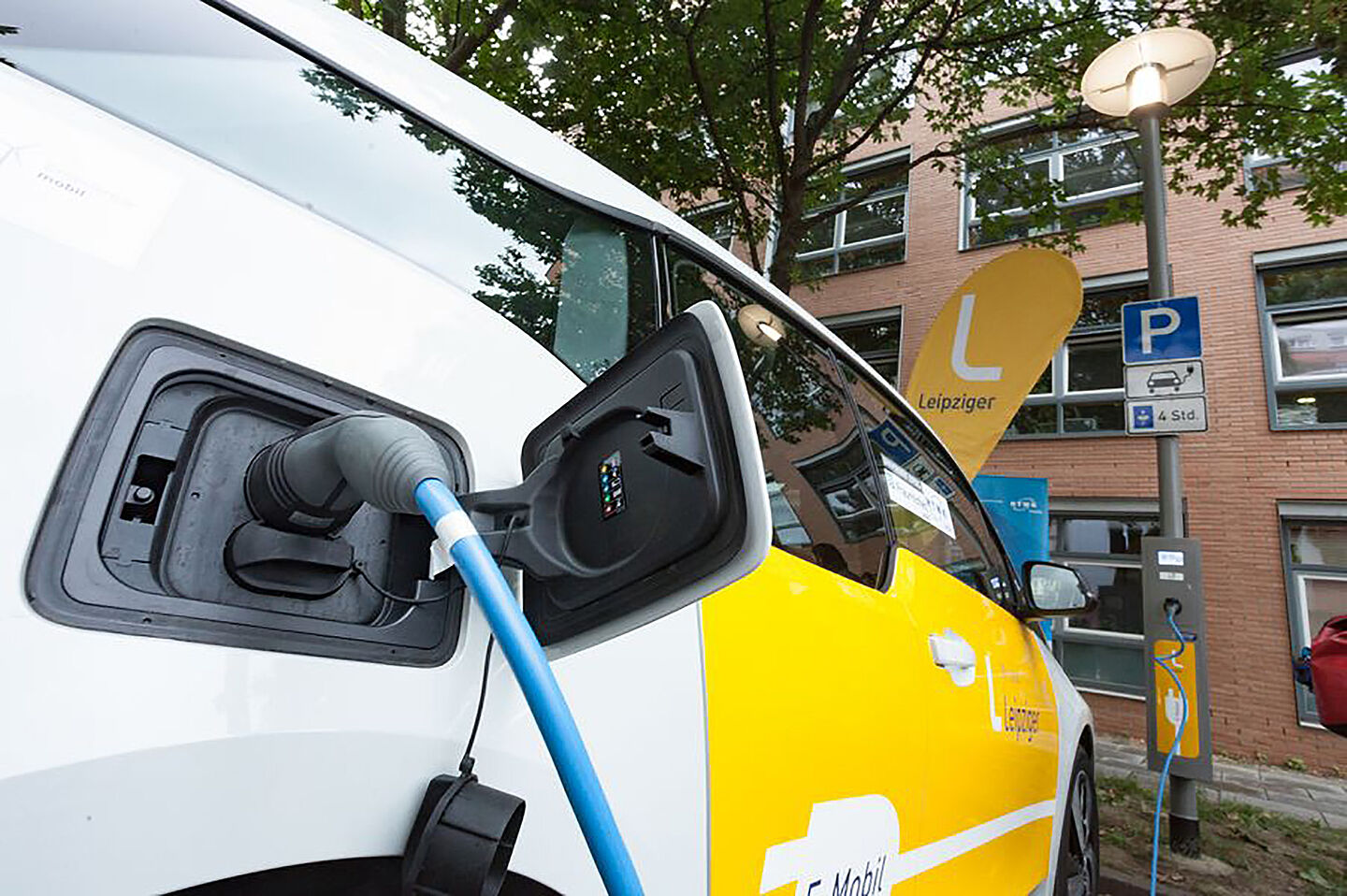
InStraNet | Innovation in the street lighting network
Interoperable modular and network connection unit for energy-efficient, smart cities: Street lights are the ideal location for electric vehicle charging infrastructure in cities and local authorities. This potential can be harnessed and expanded through the smart control and management of lighting. By using the street lamp as a ‘communication point’, cost-effective internet access can be provided via the ‘LESS Cloud’. Connected devices within the lighting control system can be regarded as ‘IoT devices’ and managed by different operators.
Funding: BMWi (Funding Code: 16KN078928)
Project duration: 2021–2023
Prediction of the remaining service life of complex, distributed plant assets
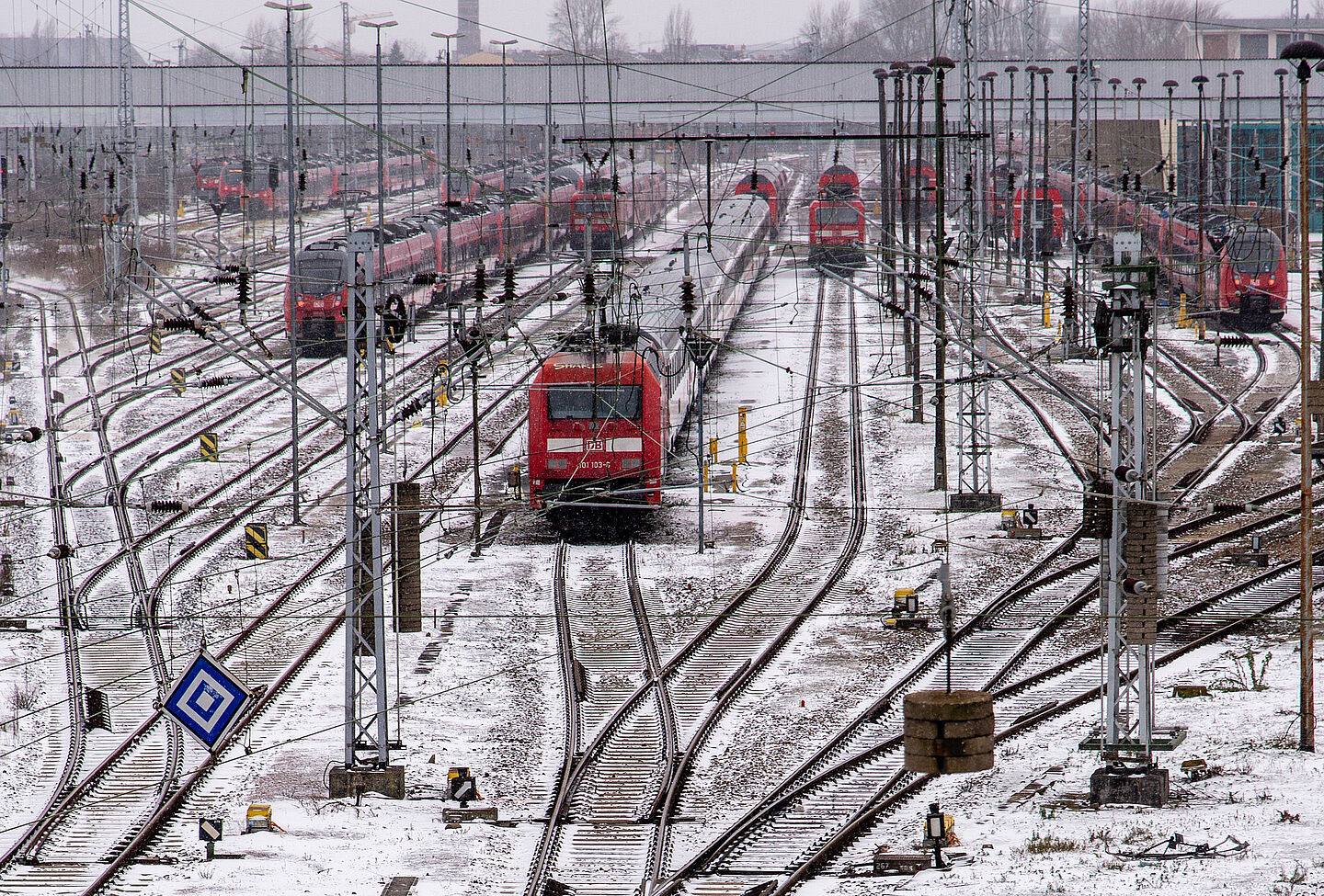
The use of AI methods to improve the reliability of rail operations
The aim of this project is to reliably predict the remaining service life of points heating systems. This is to be achieved through the use of modern AI methods in the field of the Internet of Things (IoT). For the analysis, data pre-processing and design of the machine learning algorithm, a digital twin of the points heating system is to be developed that can simulate the system’s ageing behaviour.
Funding: BMWi
Project duration: 2021–2023
Project partner:Prof. Faouzi Derbel

Distribution network-oriented energy management of smart charging infrastructure via smart meter gateways
The aim of this project is to develop a control loop, embodied by the EMS, within the HAN (Home Area Network) in order to implement the control signals from the FNN control box without significantly affecting the needs of consumers. Users will be empowered to adapt their own needs to the grid situation. This will make it possible to create current and future consumption profiles for end users and make these available for the distribution network operator’s forecasts.
Funding: BMBF
Project duration: 2021–2023
SDC-VAS
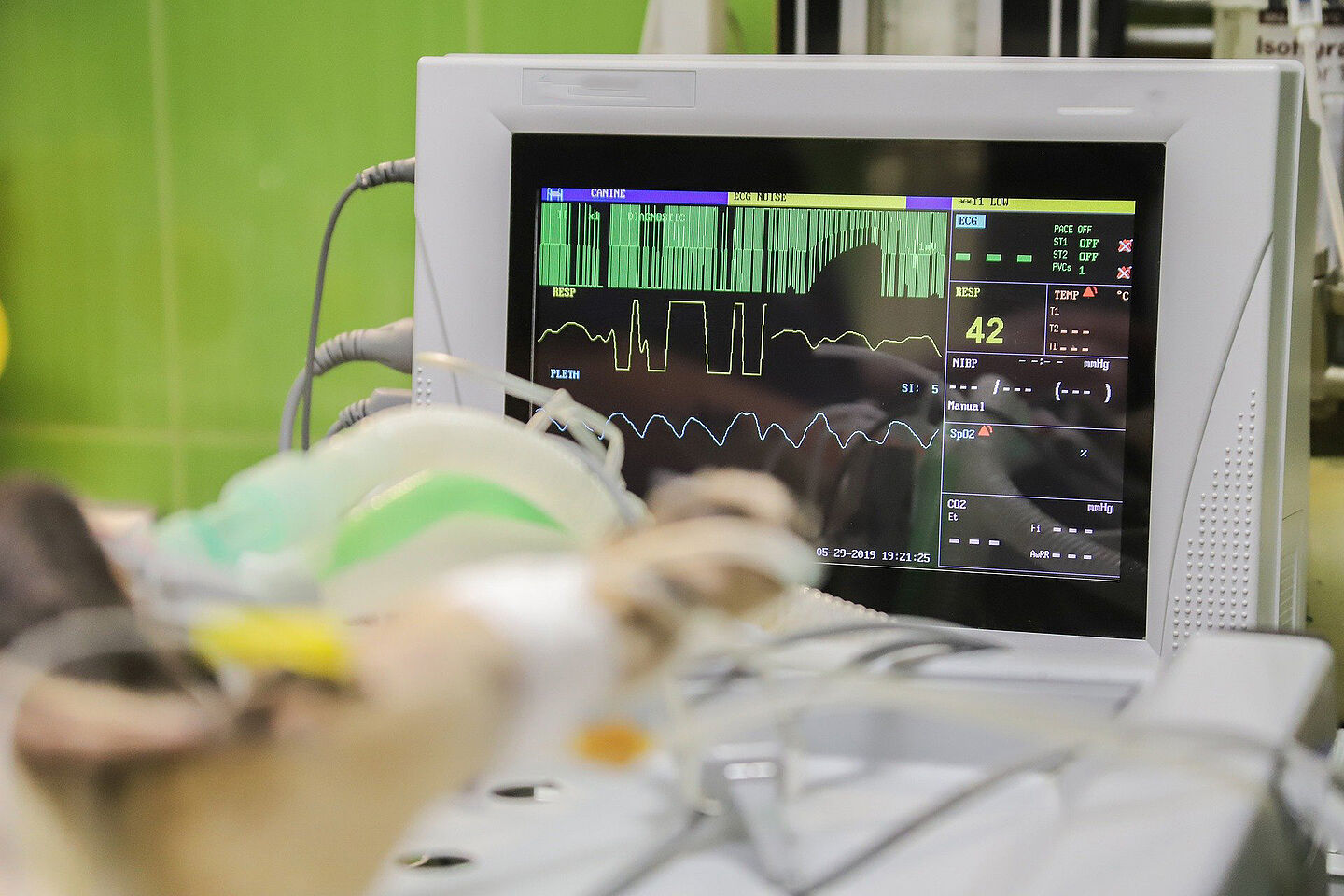
Service-Oriented Device Connectivity – Distributed Alarm System
Development of concepts and methods for sensor integration and data fusion: As part of this research project, the aim is to develop an intelligent system that enables automatic, personalised and prioritised alarm processing in intensive care units and intermediate care units. The aim is to significantly reduce the current uncontrolled flood of alarms faced by nursing staff and patients. Alarms – triggered by individual medical devices – will no longer be sounded at the device itself and thus at the patient’s bedside, as has been the case to date. A centralised system (SDCDAS) for intelligent, distributed alerting is to handle alerts from devices from any manufacturer and transmit them to locations away from the patient’s bed.
Funding: BMWi
Project duration: 08/2021 – 07/2024
Project partners:University of Leipzig

VITALS
The aim of the project is to develop a mobile EITEKG combined system, the non-invasive monitoring of respiratory activity and heart rate provided by which can be used for short- or long-term monitoring of the patient’s respiratory status and cardiac activity. This development will provide users with a patient monitoring solution that clearly displays relevant vital parameters – such as lung activity, regionally resolved ventilation visualisation, relative tidal volume, respiratory rate and heart rate – without the need for invasive methods, even in patients in a state of shock.
Funding: BMWi (Grant No.: ZF4364411CR9)
Project duration: 2021–2023
Project partners: University of Leipzig

CODICES
Condition Diagnosis of Earthing Systems
Integrated condition monitoring of distributed earthing systems: The aim is to develop an active electrical measurement method that enables the progression of corrosion – and thus the condition of the earth electrode – to be assessed. Building on this measurement method, a measurement system is to be developed to handle data pre-processing and transmission. To enable the generic use of this new approach, a specialised IoT device (Industry 4.0 component) will be developed and tested as a prototype.
Funding: BMBF (Project Code: 13FH131PX8)
Project duration: 2020–2022
Project partner: Prof. Faouzi Derbel

SUSIC
Smart Utilities and Sustainable Infrastructure Transformation
Digitalisation project: The overall project is divided into sub-projects carried out by the University of Leipzig and HTWK Leipzig. The sub-project at the University of Leipzig focuses primarily on the economic modelling of the overall system, whilst the project at HTWK Leipzig is dedicated in particular to the microgrid modelling of selected prototype system variants and, as an interface to the University of Leipzig’s sub-project, provides real-world data points on sector coupling. As a result of this coupling, concrete solution strategies for municipal energy supply systems and recommendations for their operation can be provided.
Funding: SMWK, SAB (FKZ: 100377548)
Project duration: 2020–2022
Project partners: University of Leipzig

Co-creation Lab 4 | Connected Mobility
Future personal mobility will be characterised by the multimodal integration of transport modes, complementary mobility services from the sharing economy, and the gradual market penetration of zero-emission vehicles. The drivers of this development are the digitalisation of service and business models, as well as market-ready technologies for electric mobility and autonomous driving. The CCL Connected Mobility centre will bring together and utilise the centre’s strong expertise and research infrastructure in electrical and information technology and automotive engineering, thereby serving as a real-world laboratory.
Funding: SMWK (Project code: 03IHS055H)
Project duration: 2019–2022
CCL Connected Mobility
EVALIA
The electric vehicle as a controllable load
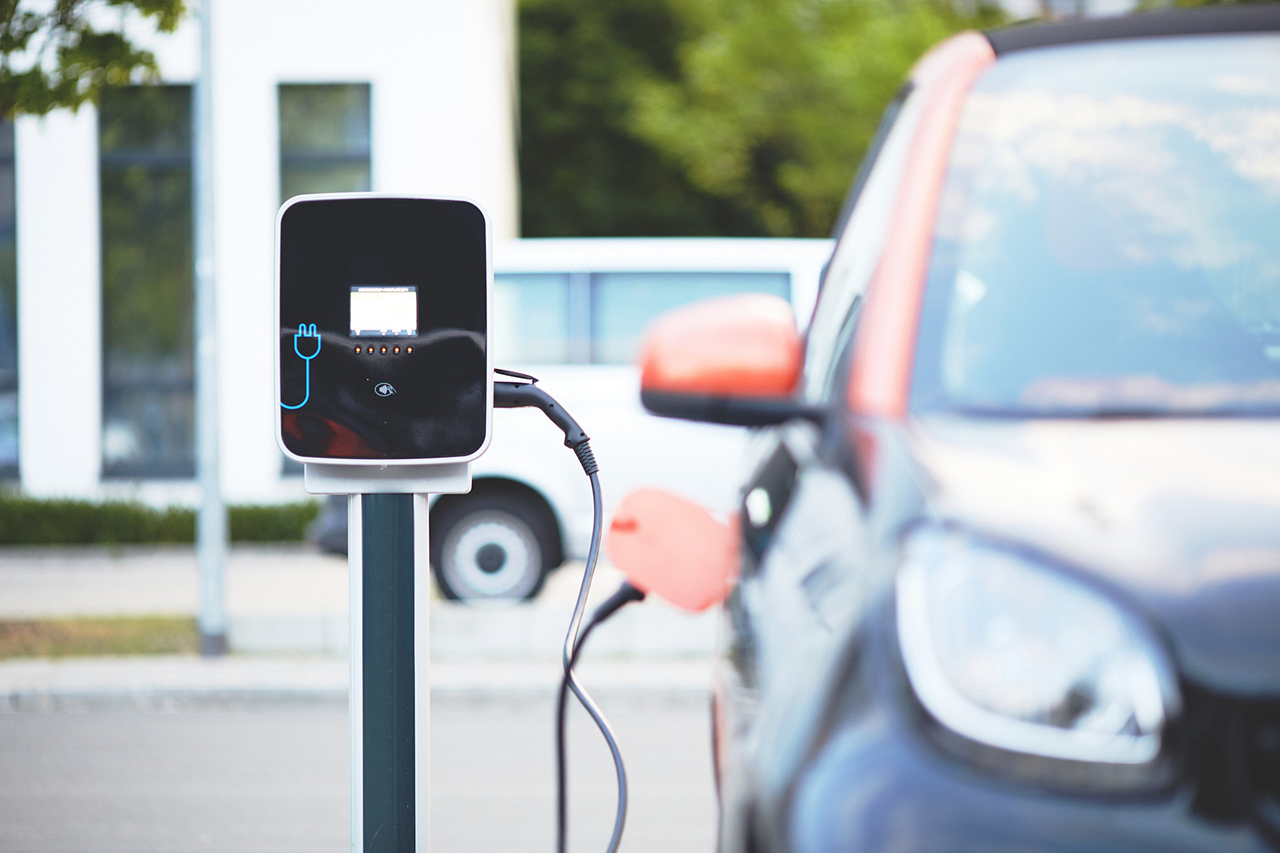
The energy transition requires a modern electricity grid: as part of the EVALIA project, Prof. Pretschner is working with several research institutions and companies from Germany and Finland to put this into practice. Electric mobility is to be integrated into the energy grid with the help of a smart charging model. There is no need to retrofit electric cars – the innovation lies in the charging points, which handle communication with the electricity grid.
Funding: BMWi (Project No.: 03ETE010A)
Project duration: 2018–2020

IMPACT
Mobile system for the emergency medical diagnosis and monitoring of pneumothorax
The aim of the IMPACT collaborative project is to develop a mobile diagnostic method to reliably detect the severity, location and type of pneumothorax and to treat it effectively. Reliable pneumothorax diagnoses ensure that therapeutic measures can be tailored efficiently to the specific patient’s condition. IMPACT will therefore make a significant contribution to improving the care of emergency patients.
Funding: BMBF (Grant No.: 13GW0179D)
Project duration: 2018–2020

iFacts
Intelligent, functional and decentralised plant monitoring for efficient process automation
‘Intelligent Facts’ (iFacts) refer to integrated process information that intelligently supplements and expands sensor data. They have low power consumption and are particularly relevant at the lower level of the process control hierarchy; they can be used, amongst other things, for the monitoring and diagnosis of plant processes.
Funding: BMBF (Grant No.: 13FH025PX2)
Project duration: 2018–2020
Project leader: Prof. Faouzi Derbel