

Key areas of research and development
- Camera-based data collection and automatic analysis in sports science applications
- Camera-based recording of vital signs and health data
- Determination of vital parameters based on physiological signals using machine learning methods
- Automatic camera-based recording of parameters in work processes
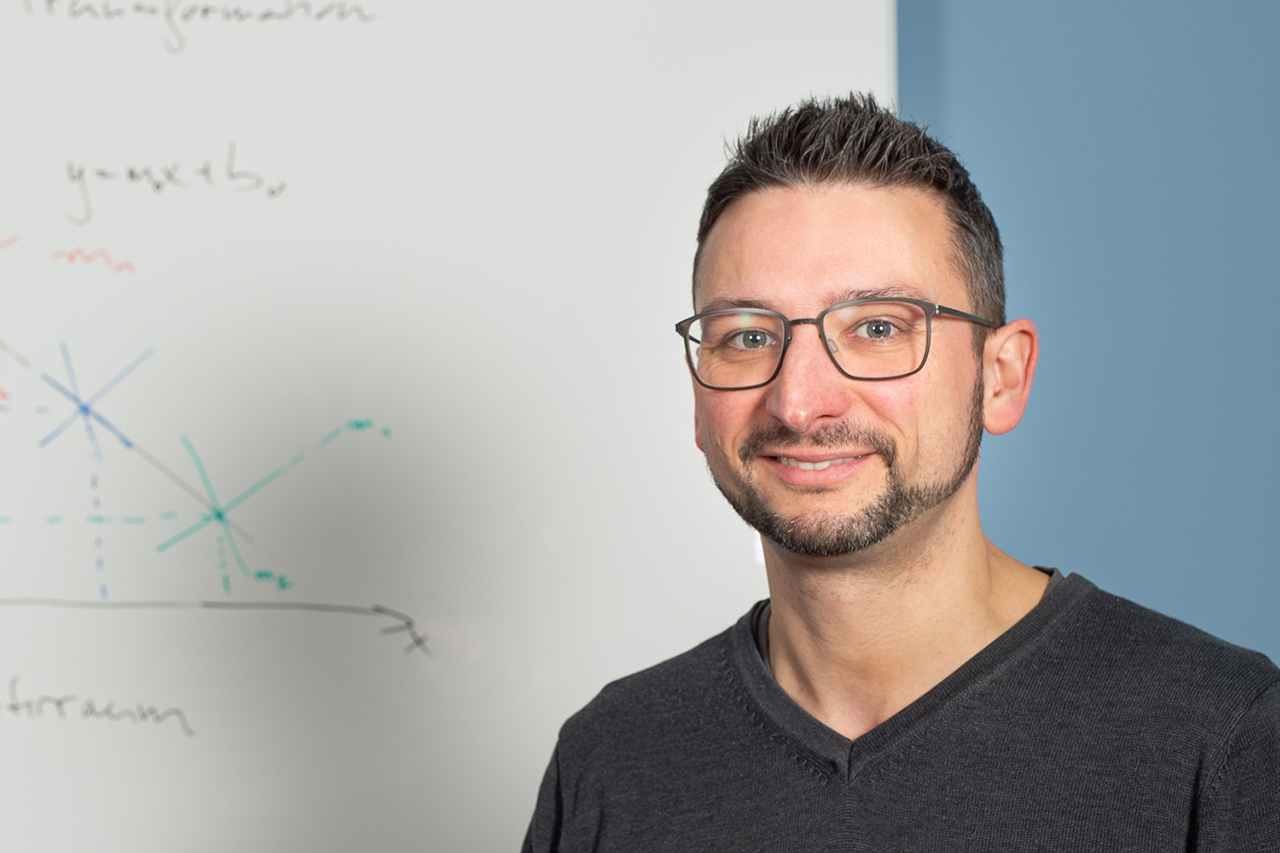
Prof. Dr.-Ing. Mirco Fuchs
Chair of Computer Vision and Machine Learning
Institute
EBIT | Institute of Electronics and Biomedical Information Technology
Research Profiles
Robotics, Control & AI
Sensors & Signals
Telephone: +49 (0)341 3076 3104
Email: mirco(dot)fuchs(at)htwk-leipzig.de
Team
- Patrick Frenzel (MA)
- Daniel Matthes (MA)
- Jannik Sobisch (PhD student/MA)
- Julian Ziegler (MSc)
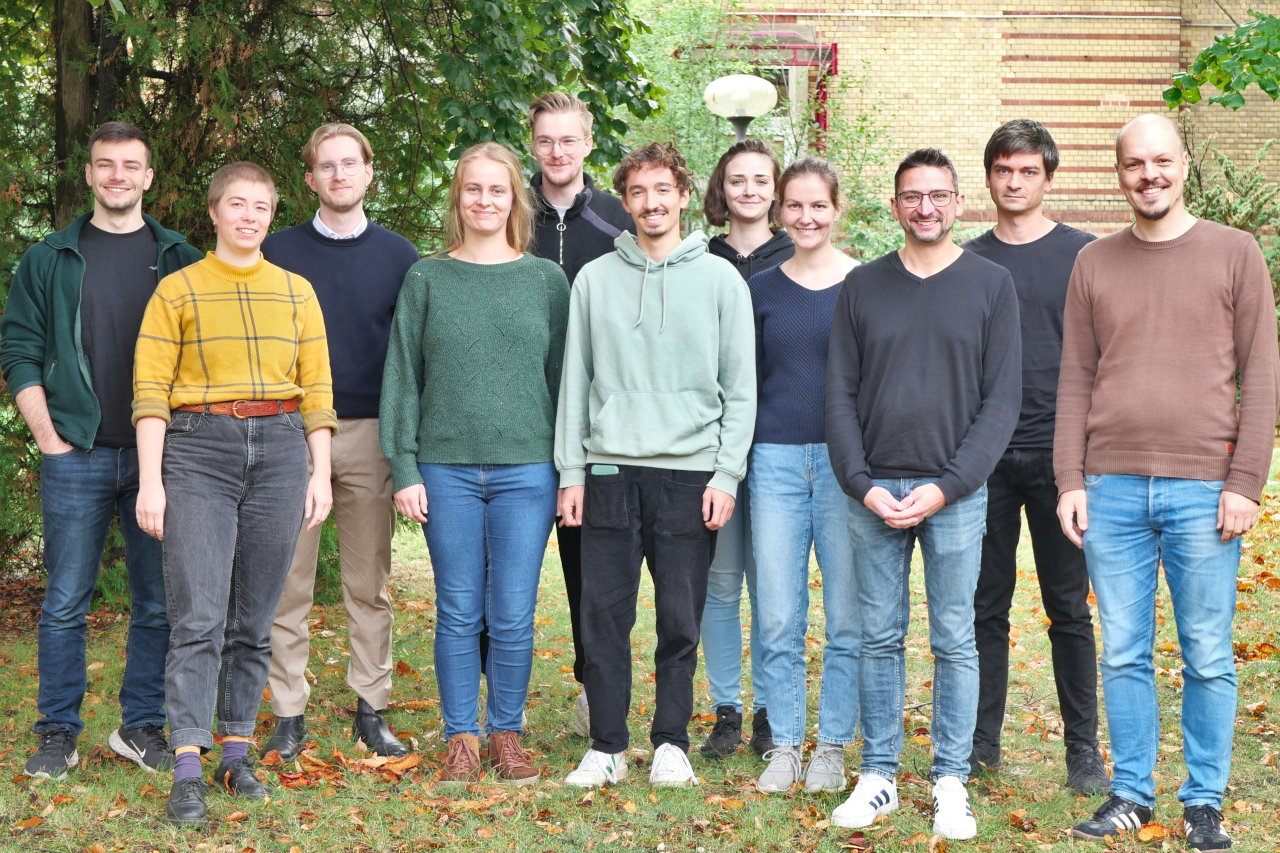
Research group and participating students: “Laboratory for Biosignal Processing”
rowAIng kinematics
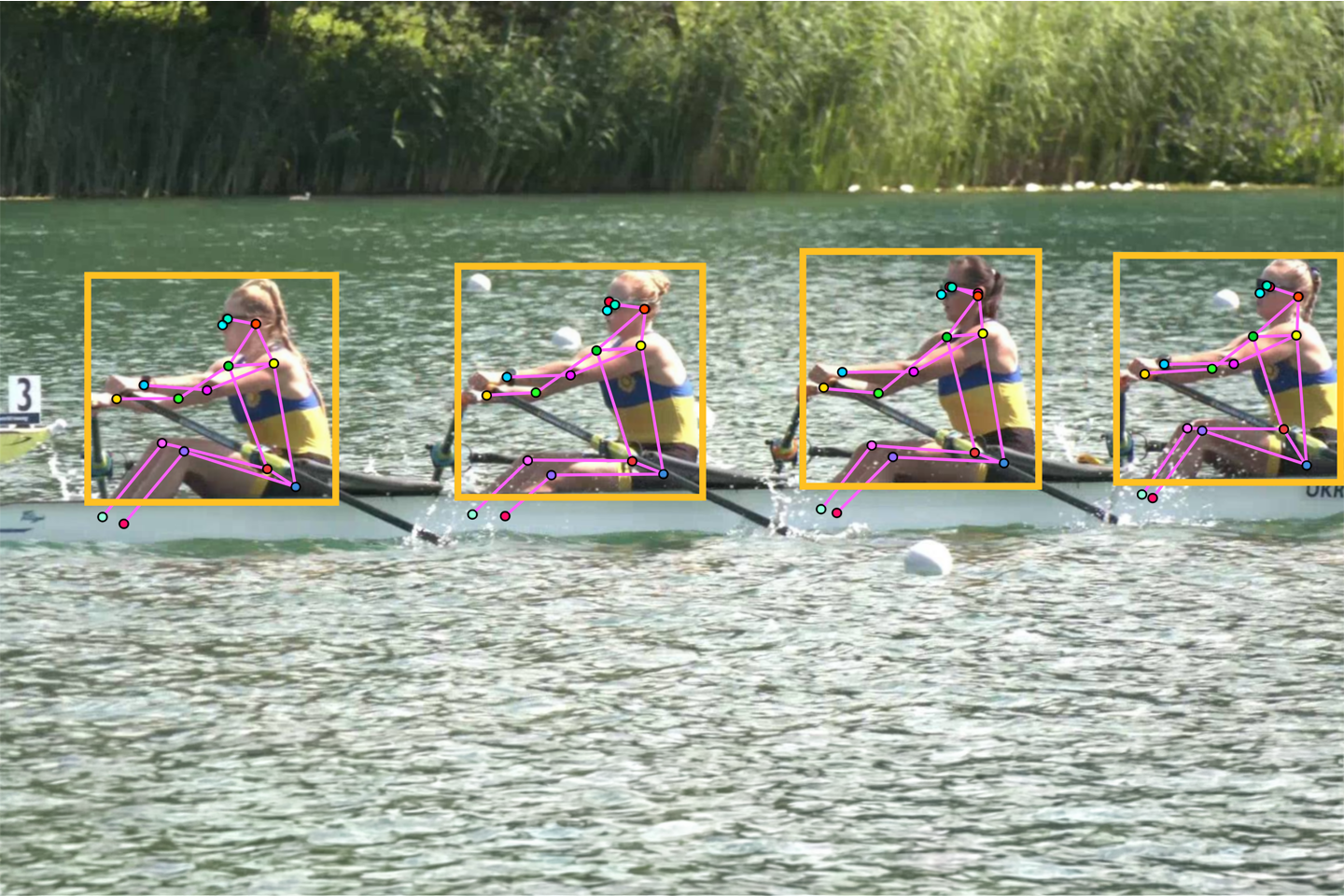
Video-based automated analysis of partial body movements in rowing
The central aim of the project is to develop algorithms for the computer-assisted assessment of rowing technique based on video data. This aims to expand the technical analysis, which has hitherto relied on sensor data and visual assessment, to include a quantitative evaluation that captures the influence of partial body movements on boat acceleration and speed.
Funding: Federal Institute for Sports Science (BISp)
Project partners: German Rowing Association (DRV), Institute for Research and Development of Sports Equipment (FES)
Project duration: 01/2026 – 12/2027
video KIte
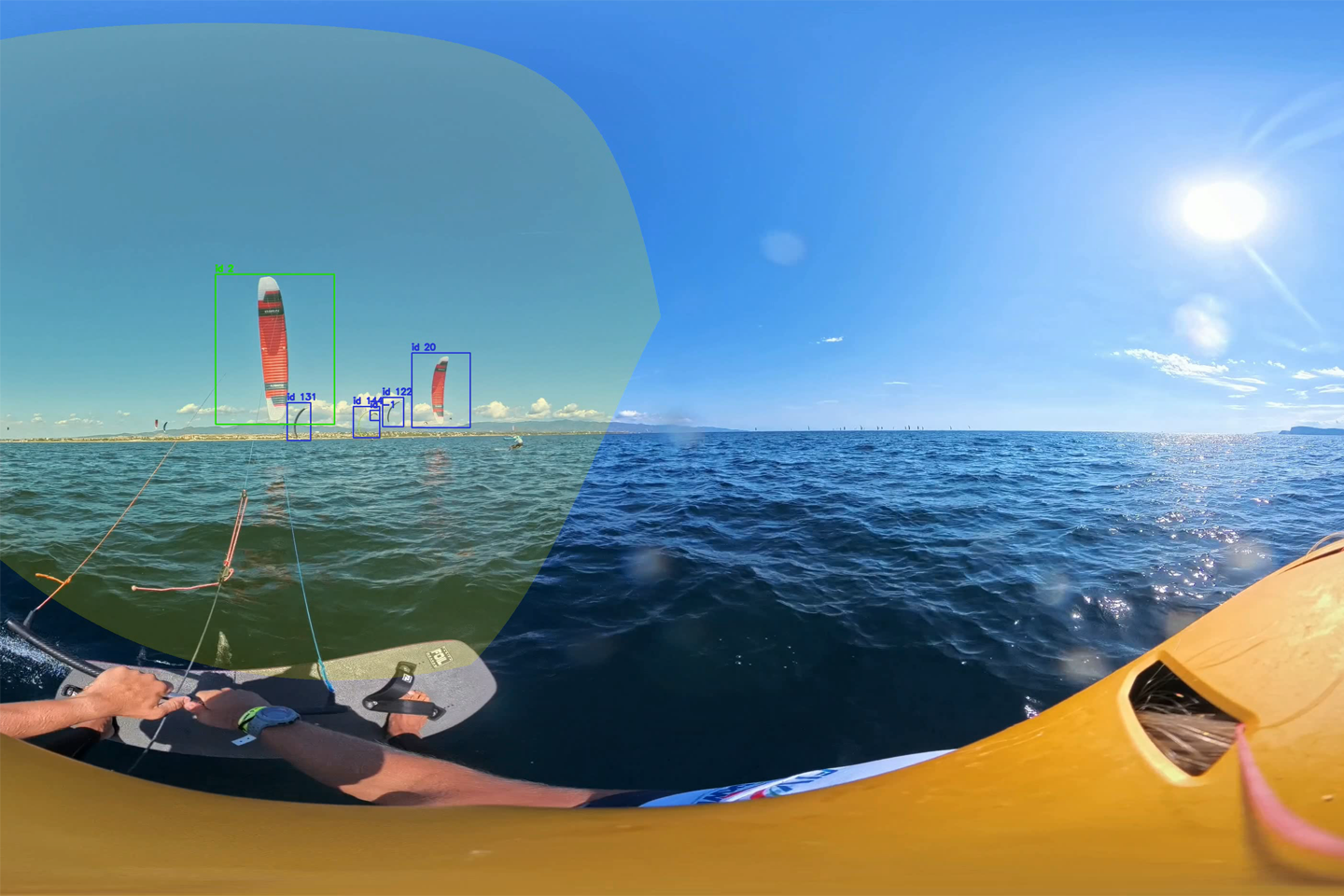
Development and evaluation of algorithms for determining kite characteristics in kitesurfing
The central idea behind the project is to develop algorithms for the computer-assisted assessment of kite handling based on video data recorded by a 360° camera attached to the athlete’s helmet. This is intended to enable, for the first time, the continuous evaluation of entire kitesurfing training sessions.
Funding: Federal Institute for Sports Science (BISp)
Project partners: German Sailing Association (DSeV), Hamburg-Schleswig-Holstein Olympic Training Centre (OSP HH-SH)
Project duration: 01/2026 – 12/2026
cAInoe talents
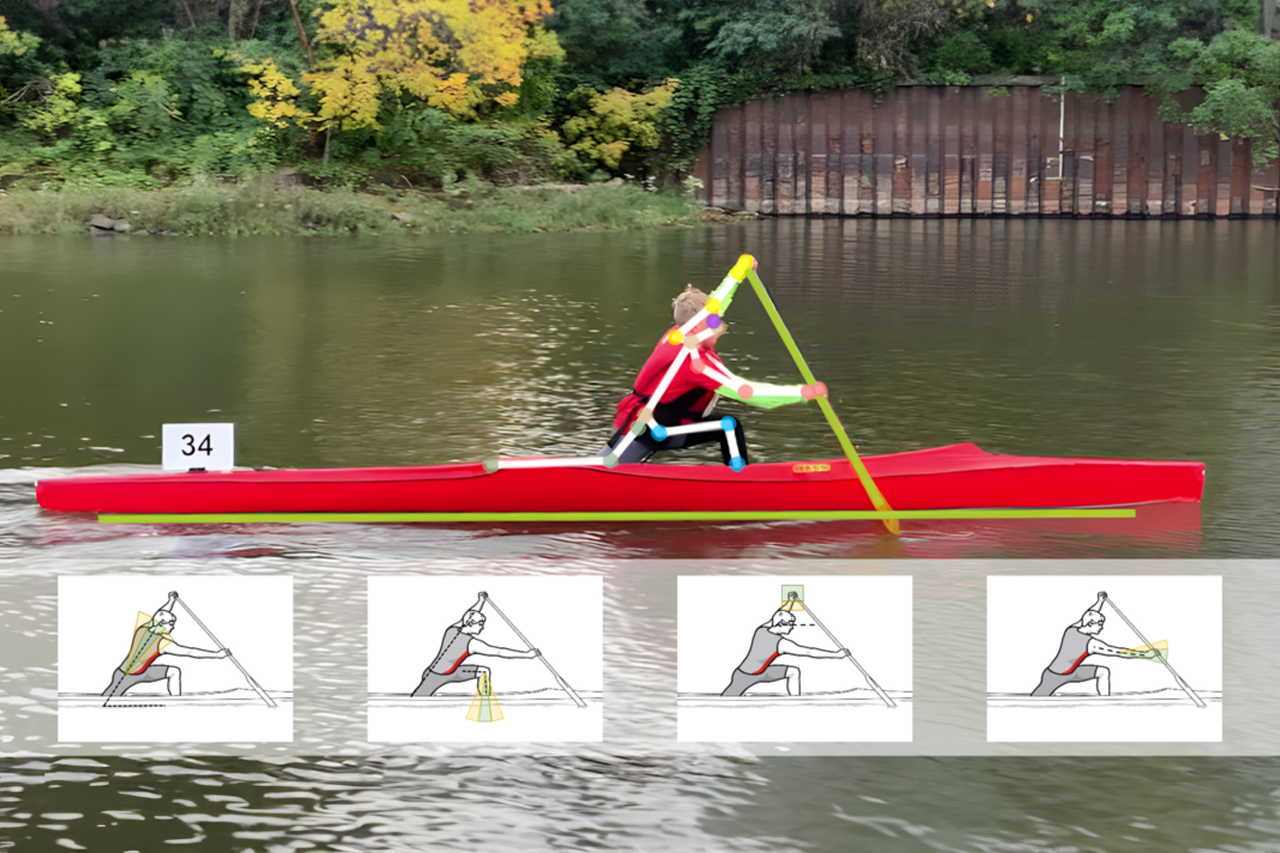
Software for the automatic assessment of paddling technique as part of standardised national squad trials in canoe sprint
The project builds on the software already developed for automated, video-based technical analysis in elite sport, which was created as part of the KInematikKanu application project funded by the BISp. As part of this project, this solution is being adapted for use in the nationwide state squad selection tests.
Funding: Federal Institute for Sports Science (BISp)
Project partners: German Canoe Federation (Deutscher Kanu-Verband e.V.), Institute for Applied Training Sciences, Leipzig
Project duration: 04/2024 – 12/2024
TimberWallDesAIgn
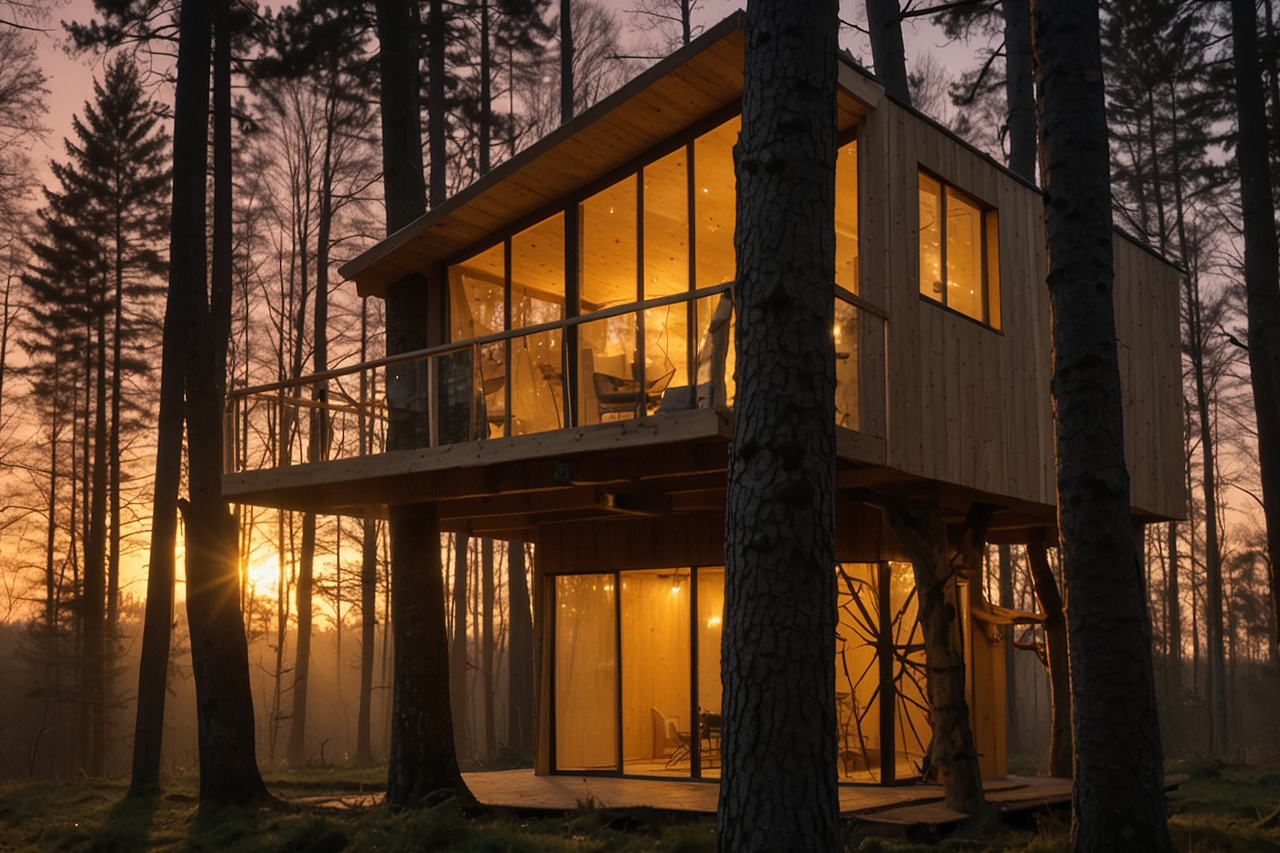
Resource-efficient timber construction using single-material wall elements that can be manufactured automatically, based on a fully digital design and production methodology
This research project focuses on innovative, resource-efficient timber construction in the form of single-material wall elements that can be manufactured using automated processes.
Funding: Federal Ministry for Economic Affairs and Climate Action (BMWK)
Project partners: Hüls Ingenieure GmbH, RAIMUND BECK GmbH, NT GmbH, Brüninghoff GmbH, SFK Planungsgesellschaft, Holzbau Kompetenz Sachsen
Project duration: 03/2024 – 07/2026
canoe rAIce
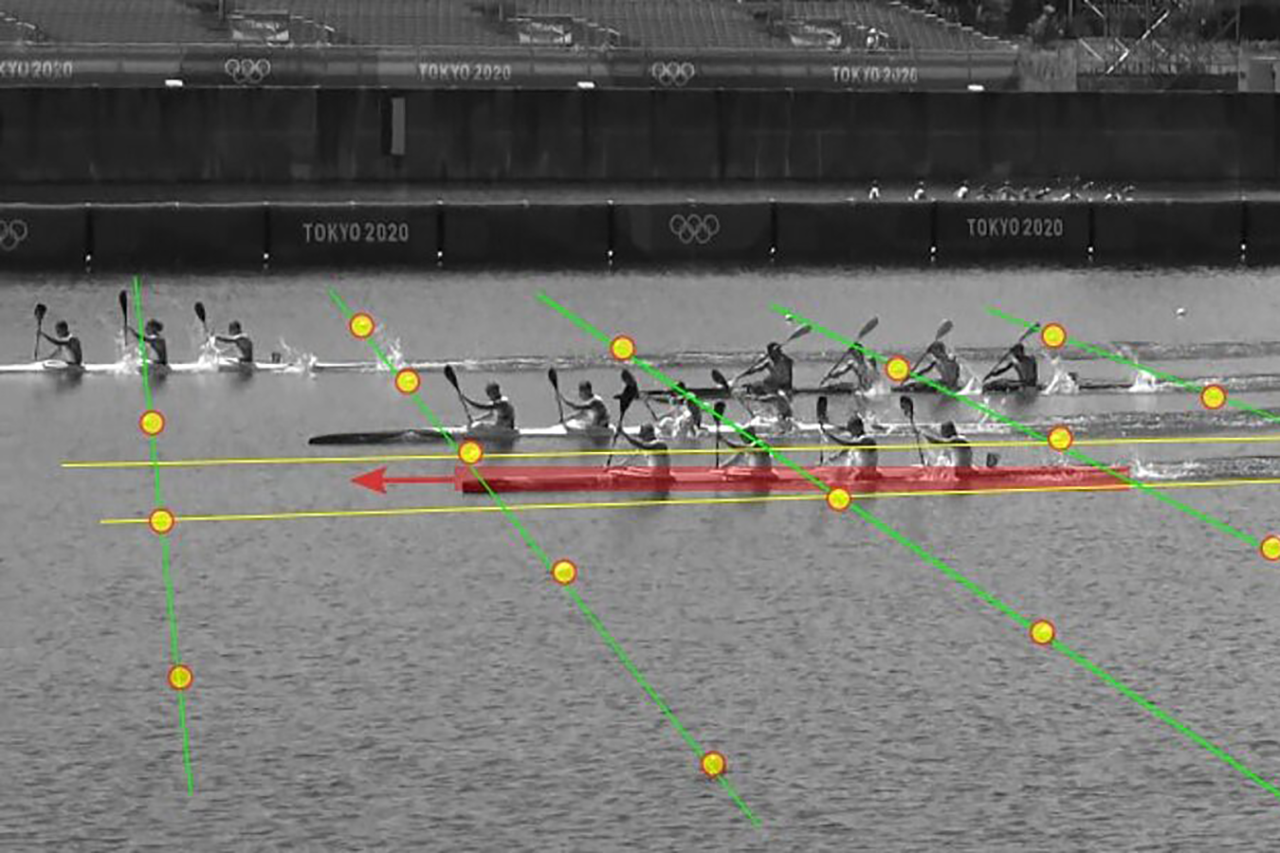
Video-based automated ad hoc competition analysis in canoe racing
The new analytical techniques developed as part of the project are intended to be used in future international competitions and to help improve the chances of German athletes achieving top placings in the disciplines of kayaking and canoeing, in both single and team boats.
Funding: Federal Institute for Sports Science (BISp)
Project partners: German Canoe Federation (Deutscher Kanu-Verband e.V.), Institute for Applied Training Sciences, Leipzig
Project duration: 01/2023 – 12/2024
KInematikKanu
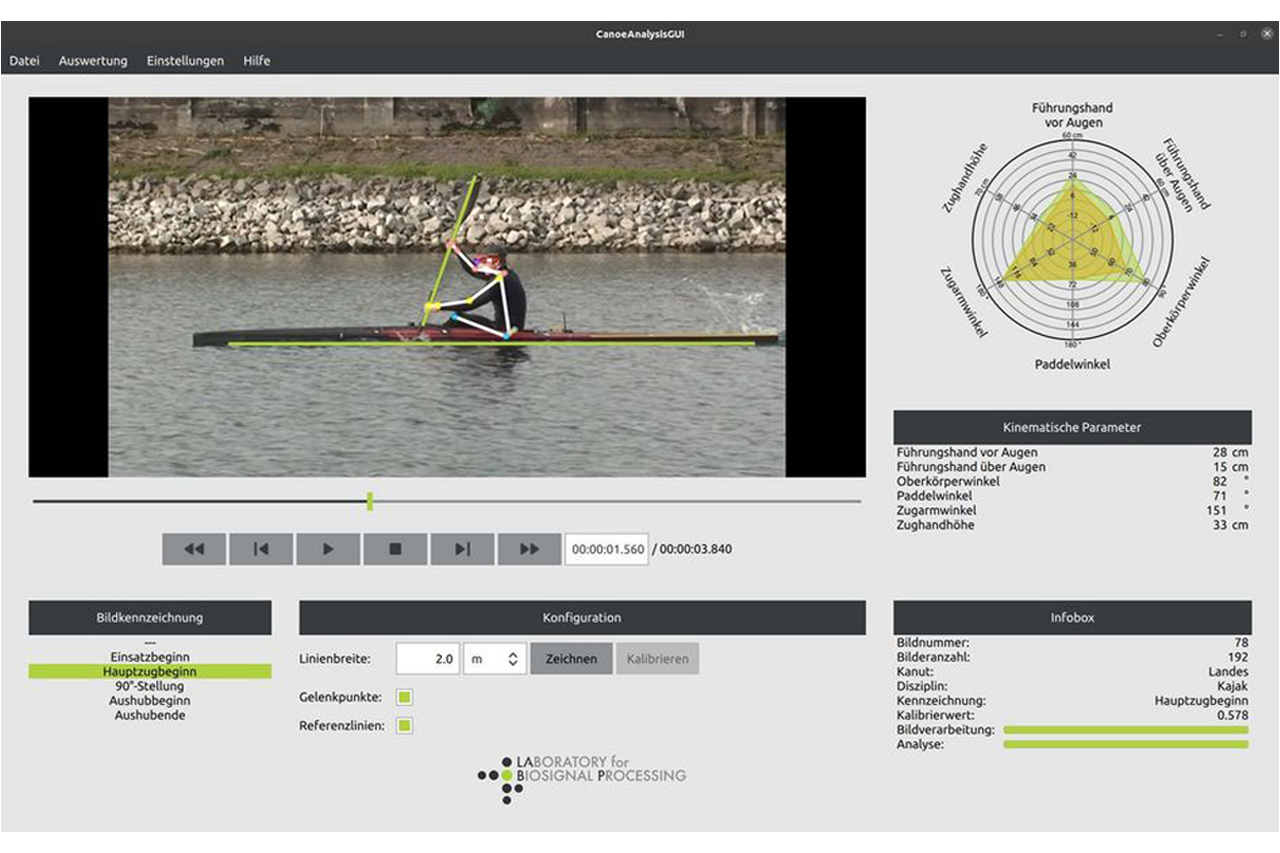
Using artificial intelligence to improve training and analysis methods in elite sport
The aim is to make the best possible use of athletes’ individual potential to achieve optimal technique. To this end, video recordings are made in open water from a motorboat travelling alongside the athlete at a 90° angle, followed by a technical analysis of defined kinematic parameters (distances, angles).
Funding: Federal Institute for Sports Science (BISp)
Project partners: German Canoe Federation (Deutscher Kanu-Verband e.V.), Institute for Applied Training Sciences, Leipzig
Project duration: 04/2021 – 03/2023
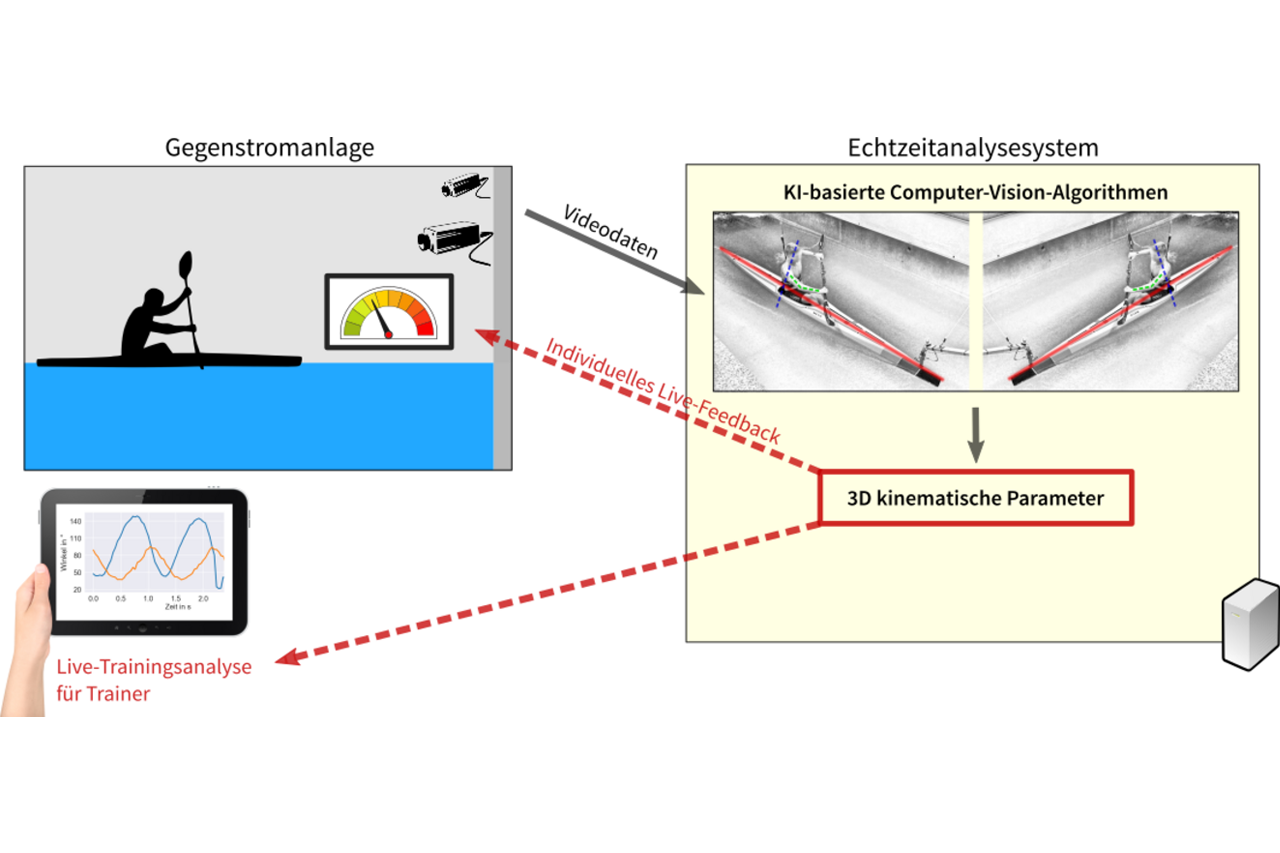
Live Feedback
Optimising high-performance training in elite sport through visual feedback
The aim is to make the best possible use of athletes’ individual potential to achieve optimal technique. This is most effectively achieved in high-performance training through technique training with immediate feedback. Athletes receive visual feedback in sync with their movements.
Funding: Federal Institute for Sports Science (BISp)
Project partners: German Canoe Federation (Deutscher Kanu-Verband e.V.), Institute for Applied Training Sciences Leipzig, Brandenburg
Olympic Training Centre Project duration: 01/2022 – 12/2022
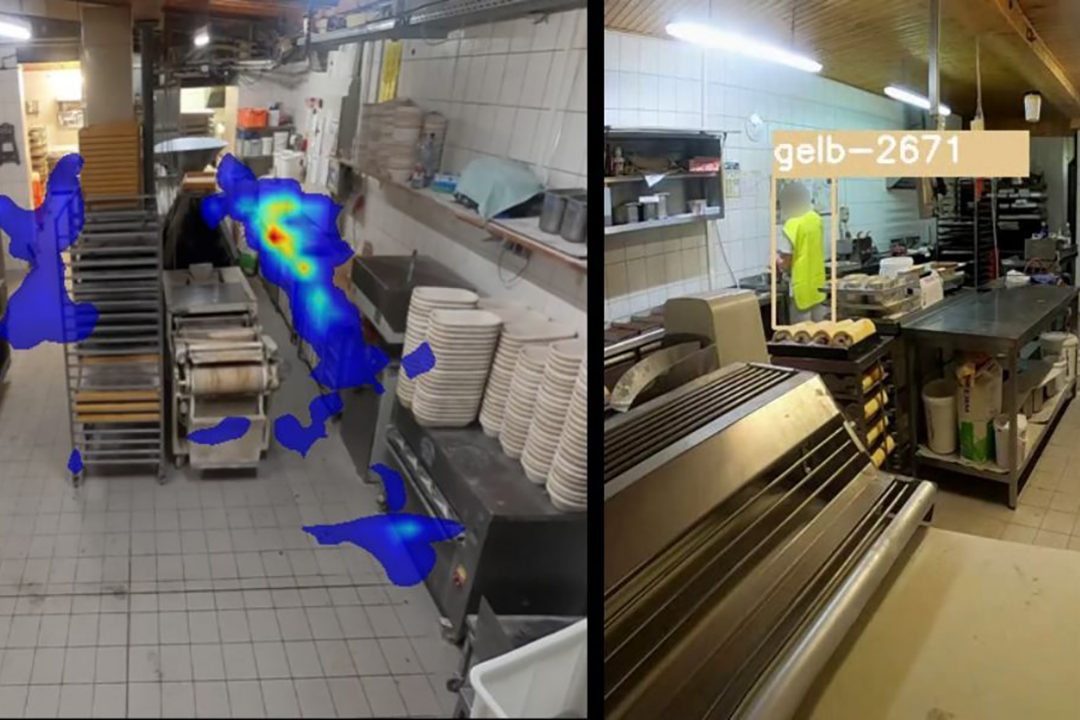
Craft Process
Development of AI-based algorithms for automating the analysis of work processes in the skilled trades using video data
The collaborative project “WIR! InnoHandwerk – Analysis and Optimisation of Craft Manufacturing Processes in the Bakery Trade” is designing, implementing and testing a service concept for economically promising process optimisation in the craft sector, based on technology available on the market.
Funding: Federal Ministry of Education and Research | WIR!
Project partners: CONOSCOPE GmbH, University of Leipzig, SEPT Competence Centre
Project duration: 01/2021 – 06/2022
