Biomedical Measurement Technology and Biosignal Processing
Development of sensors and electronic systems for low-noise measurement and transmission of electrical and non-electrical biosignals, as well as the development of digital signal processing algorithms, including machine learning methods, for the extraction of diagnostically significant features, including camera-based methods.
Specific topics include:
- Determination of the electrical conductivity and permittivity of healthy and tumourous brain tissue through intracranial measurements in patients
- Robust non-invasive blood pressure measurement under ergometric conditions
- Robust non-invasive determination of muscle fatigue under ergometric conditions
- Digital methods for measuring very small flows using the ultrasonic time-of-flight difference method
- Low-interference measurement of vital parameters in subjects in motion
- Real-time ECG measurement in swimmers
- Camera-based recording of vital parameters
- Deep learning methods for determining blood pressure using photoplethysmographic signals
Publications: “Biomedical Measurement and Biosignal Processing”
Embedded systems and the (Industrial) Internet of Things (IIoT)
Embedded systems are specialised computer systems that are integrated into larger devices or machines to perform specific tasks, such as control and monitoring. These are often based on microcontrollers or FPGAs, which are optimised for efficiency, reliability and low energy consumption. The (Industrial) Internet of Things describes the networking of such systems with the internet, enabling data exchange and automated processes.
Data Acquisition, Analysis, Processing and Transmission
With the aid of embedded systems, a wide range of information can be continuously collected via sensors. By integrating intelligent processing and analysis methods, new insights can be gained from often heterogeneous data sets. Advanced algorithms such as machine learning and artificial intelligence are used for this purpose. Various communication methods offer secure transmission over short or even very long distances.
Publications: “Data acquisition, analysis, processing and transmission”
Radio Systems and Antenna Modelling
Development and analysis of radio systems for terrestrial and satellite-based digital data transmission. Digital modulation techniques are utilised and adapted to specific applications, whilst simultaneously taking into account the distortion caused by electronic components in the transmitter and receiver. Furthermore, the transmitting and receiving antennas are modelled in terms of their directional characteristics. The antenna modelling also encompasses phased-array antennas for adaptive beamforming, direction finding and null steering.
Uncertainty and Sensitivity Analysis
Uncertainty and sensitivity analysis of complex systems examines how uncertainties in a model’s input data influence the results. This involves analysing which factors contribute most significantly to the variability of the model outputs. The aim is to improve the robustness of predictions and to gain a better understanding of which parameters have critical effects on the system.
- Design and development of analogue and digital circuits
- Design and testing of digital signal processing algorithms, e.g. for ultrasonic time-of-flight measurement
- Programming of microcontrollers and Field-Programmable Gate Arrays (FPGAs)
- Simulation and stochastic analysis of radio systems; development and testing of algorithms for IQ baseband signal processing with regard to real-time requirements and computational complexity
- Sensor development and characterisation, e.g. for bioimpedance measurement probes, capacitive electrodes and photoelectric sensors
- Development of signal analysis methods based on machine learning techniques
- Hardware and software design for systems for real-time acquisition and processing of biosignals, e.g. for real-time ECG measurement in swimmers, capacitive ECG measurement through textiles, etc.
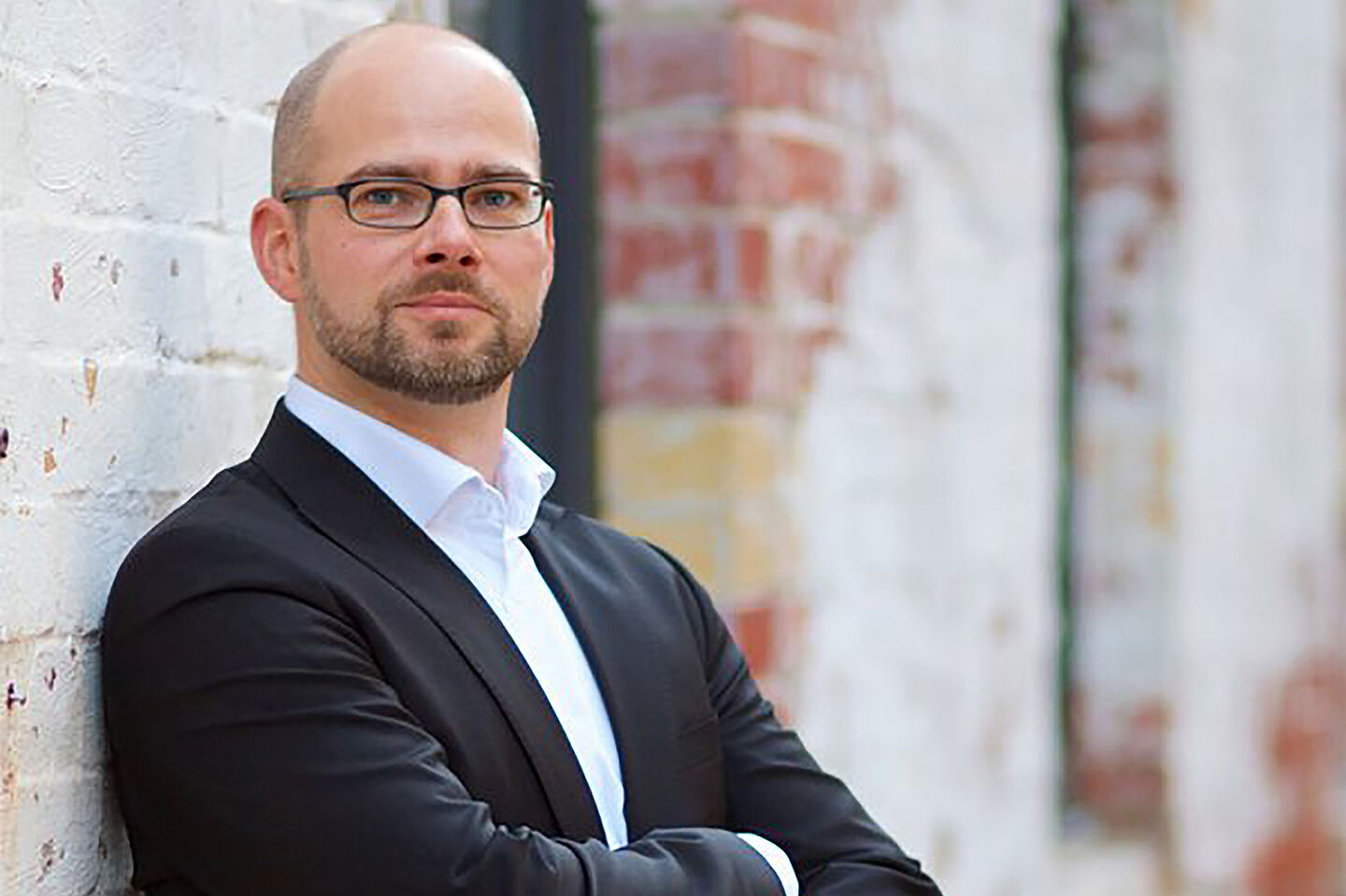
Prof. Dr.-Ing. Gerold Bausch
Embedded Systems and Signal Processing
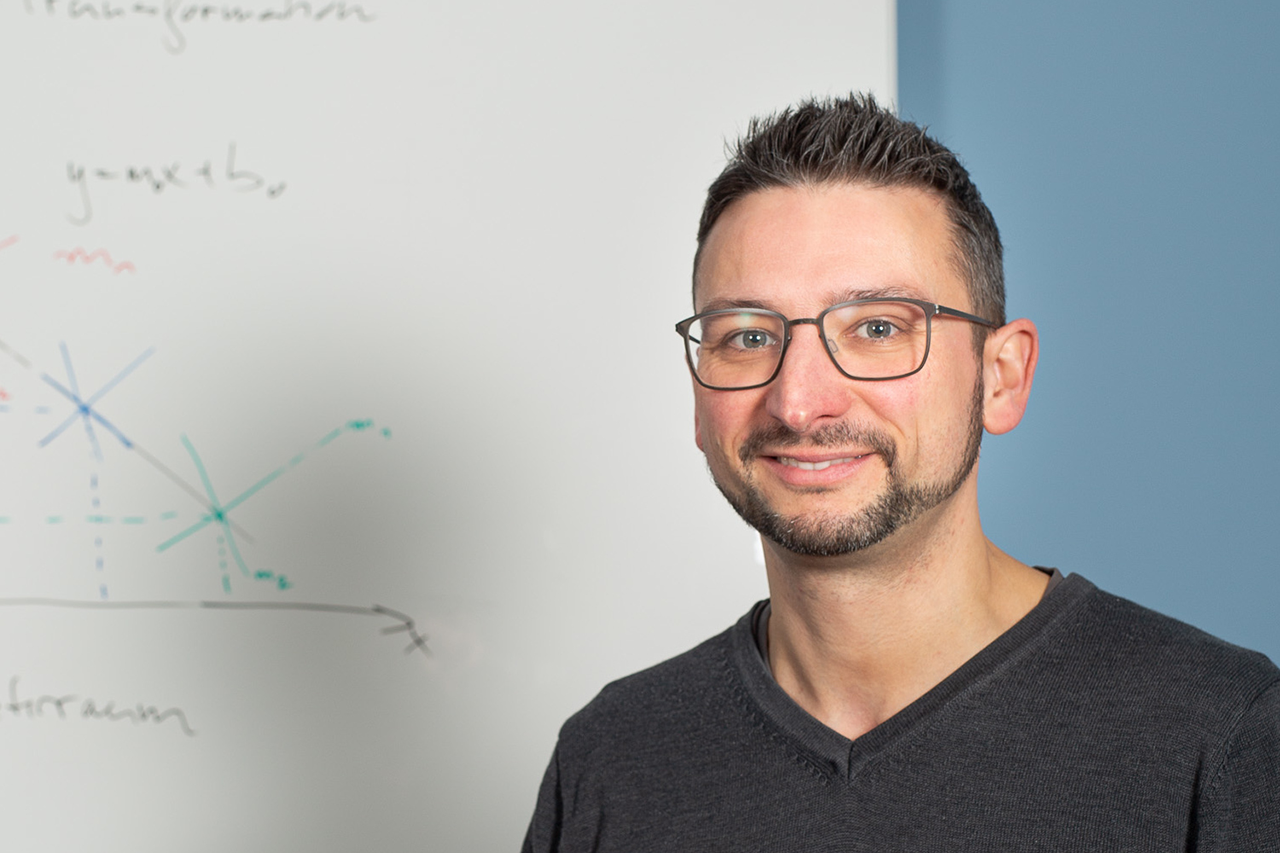
Prof. Dr.-Ing. Mirco Fuchs
Computer Vision and Machine Learning
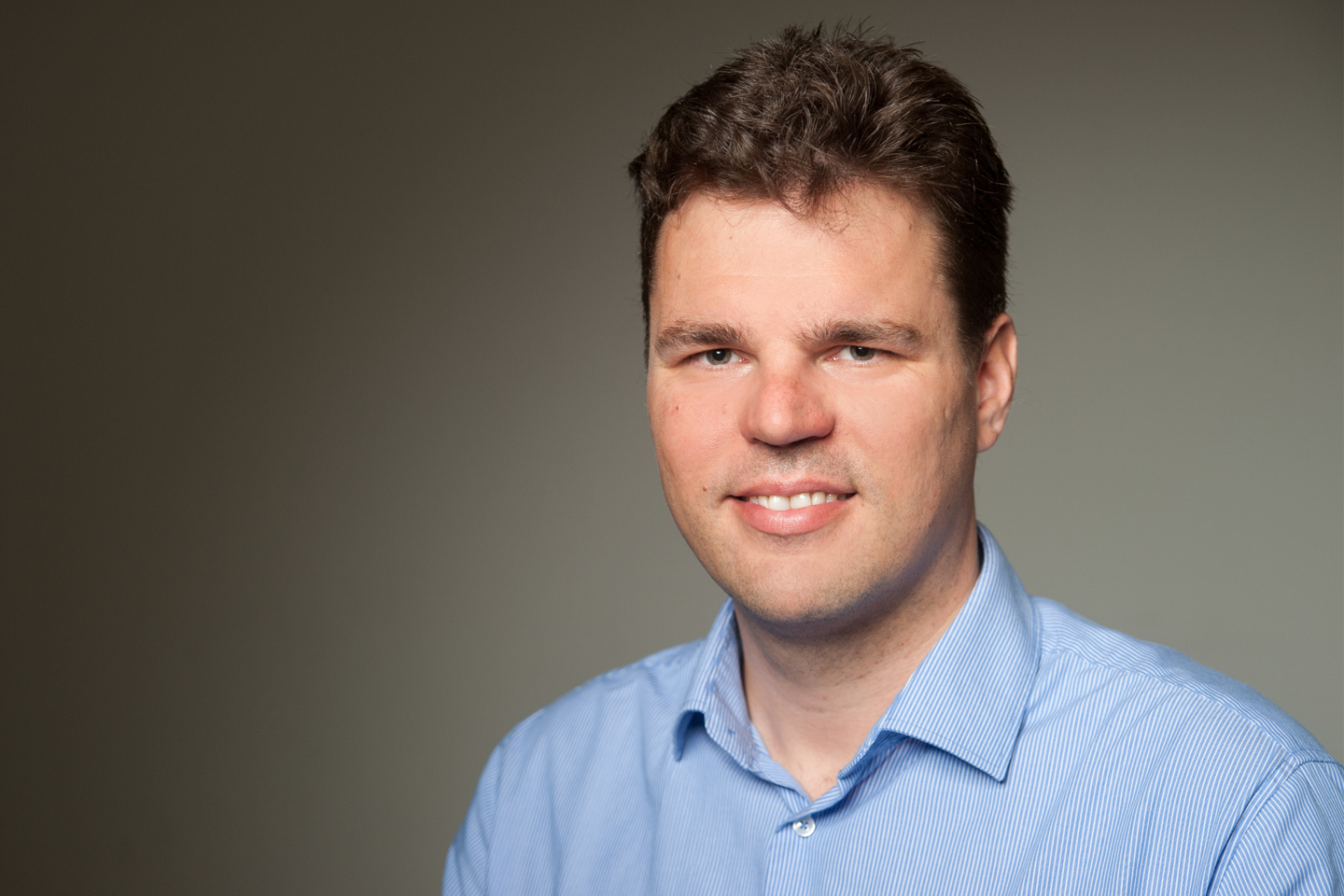
Prof. Dr. rer. nat. Jörn Hoffmann
Computer Engineering and Real-Time Systems
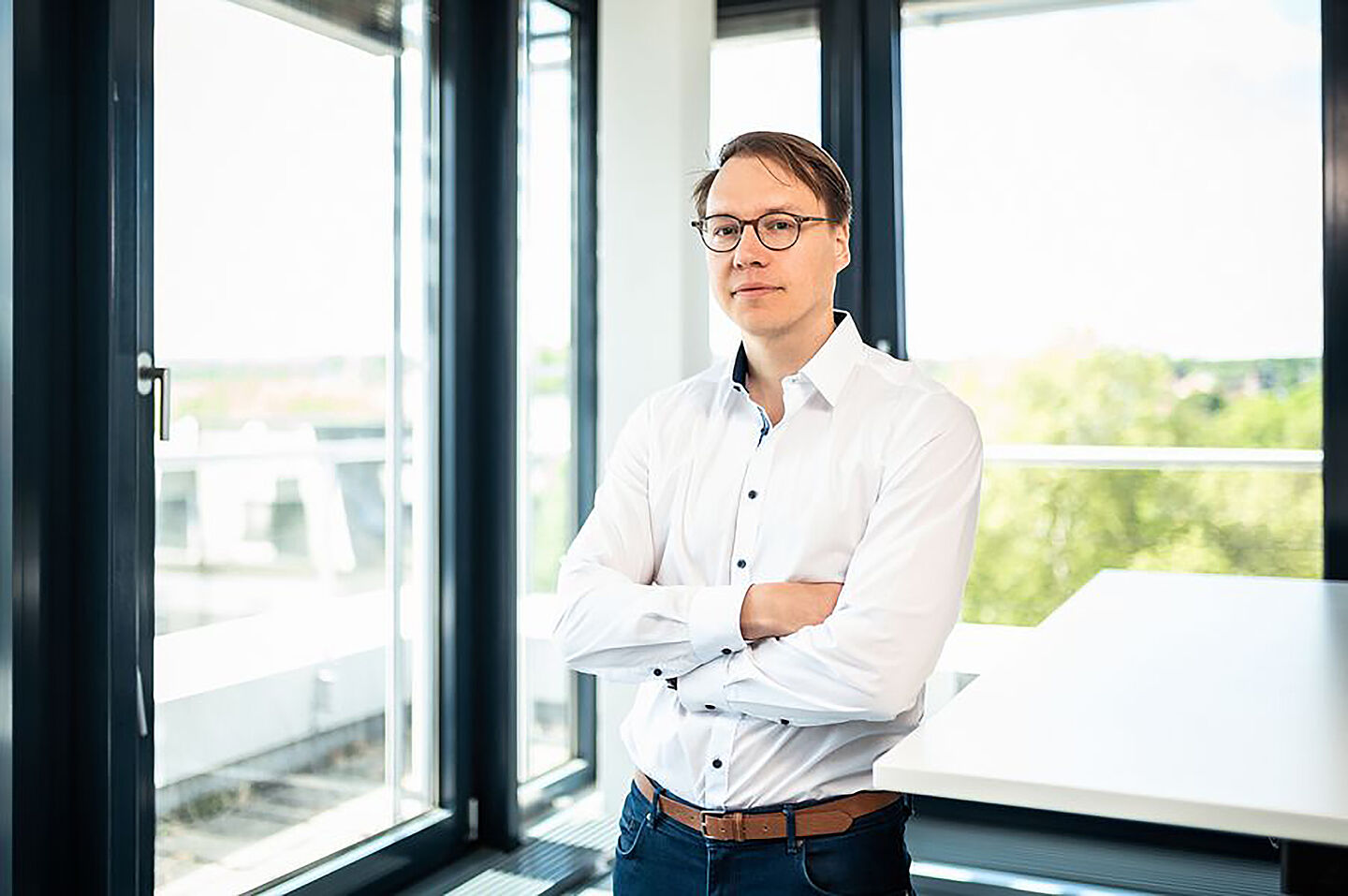
Prof. Dr.-Ing. habil. Marco Krondorf
Communications Engineering
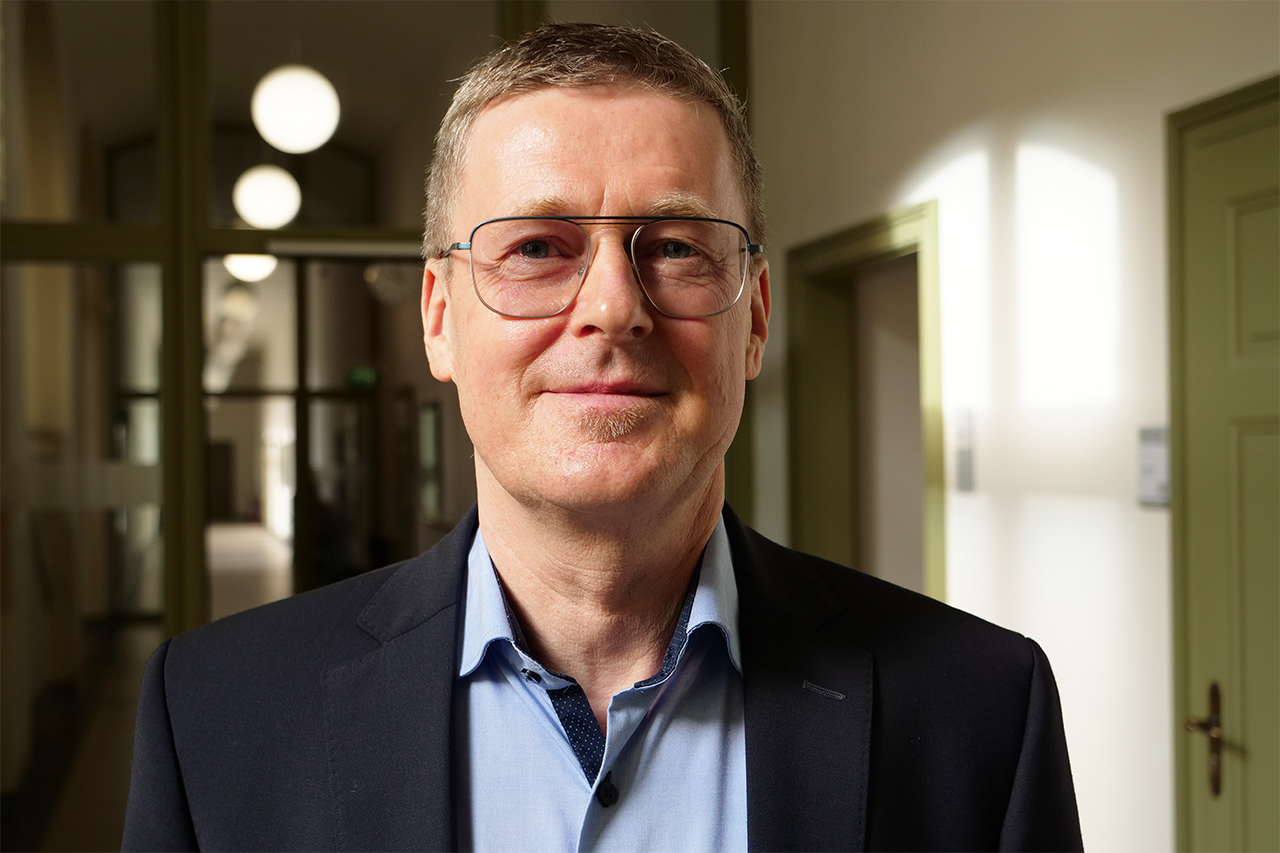
Prof. Dr.-Ing. Matthias Laukner
Electromedical Engineering & Fundamentals of Electrical Engineering
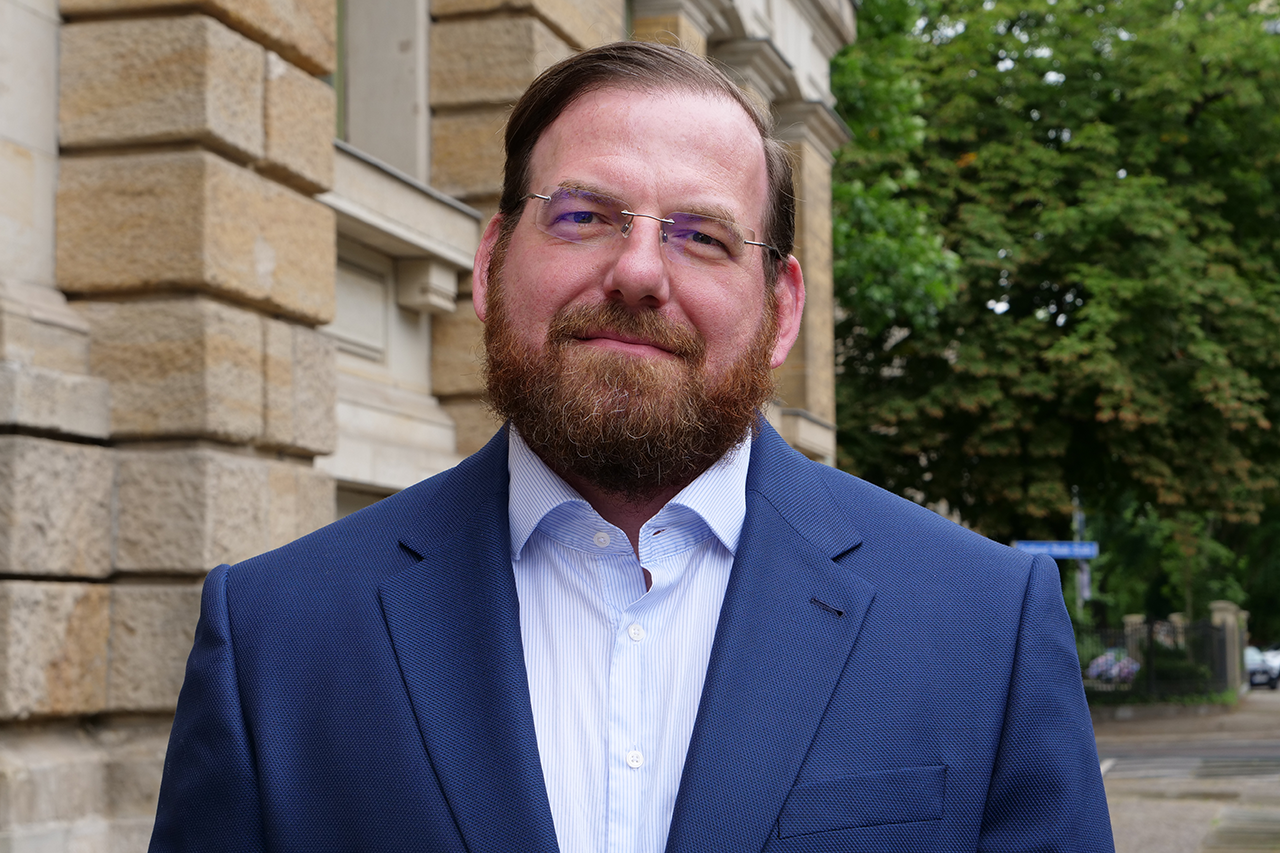
Prof. Dr.-Ing. René Sallier
Electronics and Analogue Circuit Technology