

Key areas of research and development
- Metallurgy and Heat Treatment
- Mechanical Materials Testing
- Non-destructive materials testing
- Corrosion and corrosion protection
- Metallography and damage analysis
- Stainless steels
Team
- Dipl.-Ing. Peter Jakob | Laboratory Engineer
- M.Sc. Lukas Hanisch | Research Assistant and PhD student
- M.Eng. Luca Kukuk | Research Assistant
- B.Eng. Hanna Schulz | Research Assistant
- Lion Prince Emanuel Clement | Student aAssistant
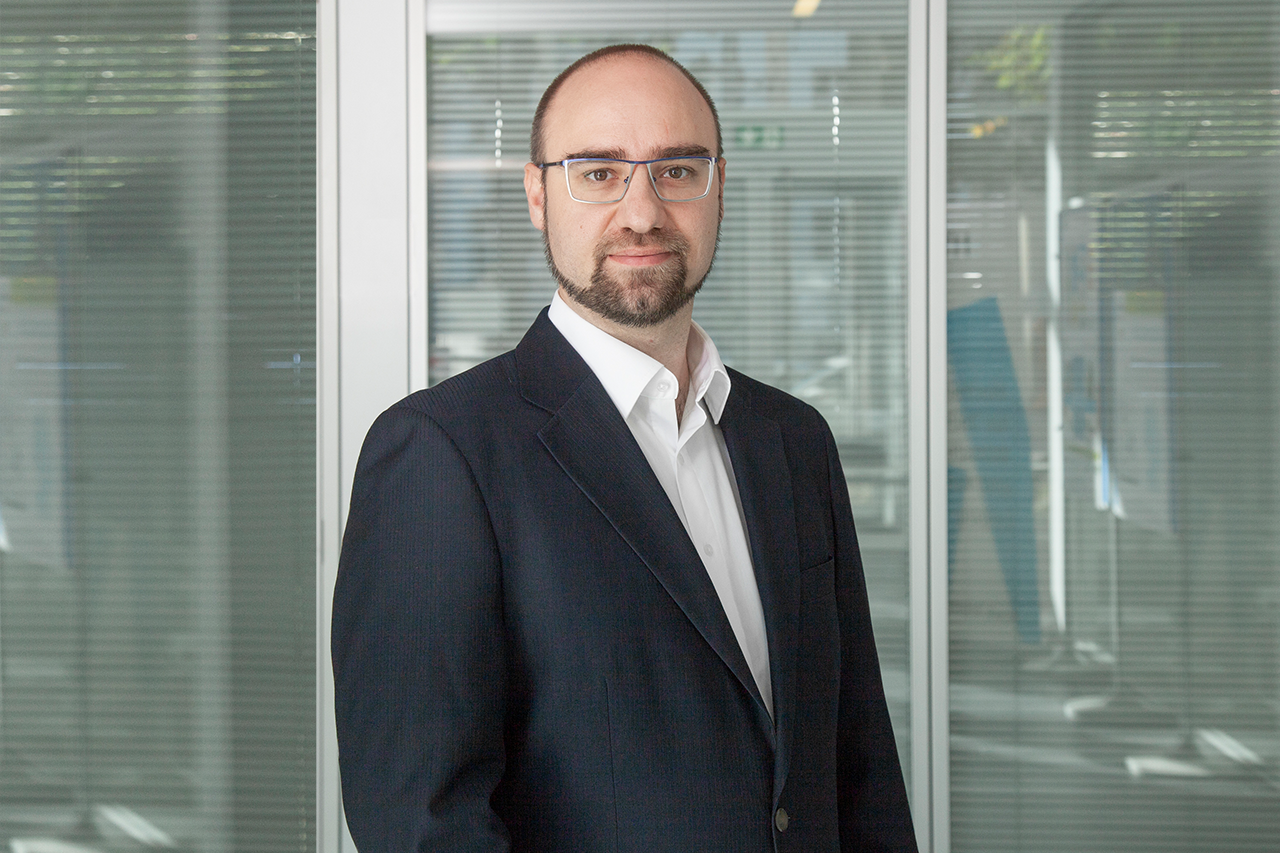
Prof. Dr.-Ing. Paul Rosemann
Chair of Materials Engineering
TPMBInstitute
| Institute for Technology and Production in Mechanical Engineering
Telephone: +49 (0)341 3076 4119
Email: paul(dot)rosemann(at)htwk-leipzig.de
IRONHEART
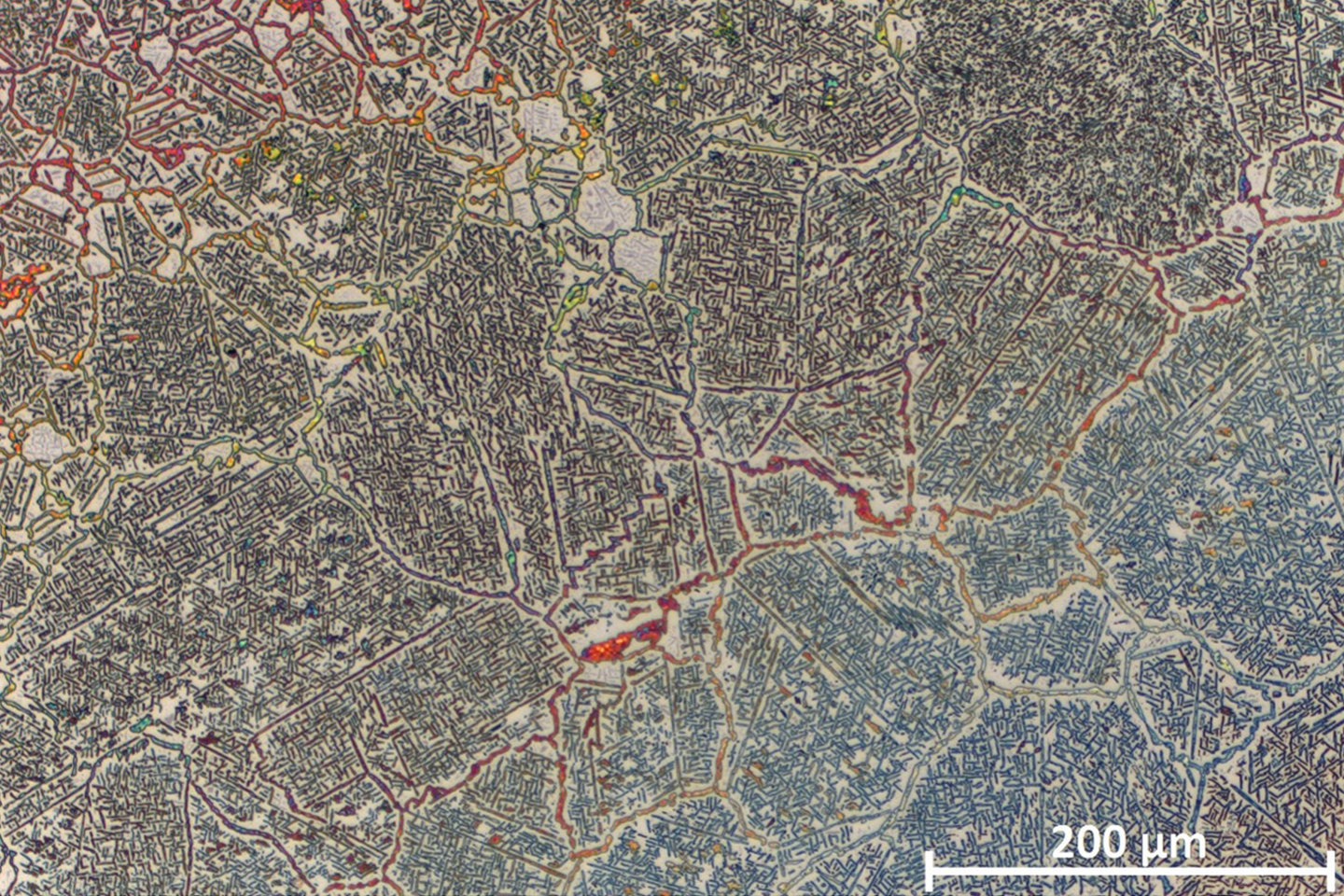
Development and production of a hard-phase-reinforced iron-based alloy
In view of rising raw material and product prices, as well as the limited availability of the raw materials used for cemented carbides, there is a need for more cost-effective alternative concepts using more readily available raw or starting materials. One promising approach is based on hard-phase-reinforced iron-based alloys with a hard-phase content of over 50 per cent, which is to be achieved through a combination of very high chromium, carbon and, where appropriate, nitrogen contents. In the IRONHEART project, various process routes are being experimentally tested to achieve properties as close as possible to those of commercially available cemented carbides, whilst at the same time realising cost savings.
Funding: Federal-State Programme FH Personal Pro.Motion
Project partner: DeltaSigma Analytics GmbH
Project duration: 04/2025 – 03/2028

AGS
Expanding the scope of applications for additively manufactured steel
The AGS project aims to develop concepts for new applications of 3D-printed high-performance metallic steels, so that these can be produced locally in Saxony as innovative products and marketed nationally.
Funding: Sächsische Aufbaubank – Förderbank (SAB), co-financed by the European Union
Project duration: 01/2026 – 12/2027

WeKoDia
Materials development and corrosion diagnostics
New technical applications, manufacturing processes such as additive manufacturing, economic considerations and a focus on durability and reliability all call for the continuous refinement – or even the development from scratch – of materials and testing methods. Of all possible material properties, however, corrosion resistance is often underestimated and only examined far too late. The WeKoDia project addresses this gap by integrating corrosion diagnostics into the early stages of materials development. Electrochemical methods allow property characteristics such as corrosion resistance and corrosion rate to be determined very quickly and efficiently, and to be linked to the material’s behaviour in service. The aim of the project is to establish this combination of expertise within the HTWK’s materials science research focus.
Funding: SMWK
Project duration: 2023–2024

ProMatFuture
Strengthening materials research in mechanical engineering
The ProMatFuture project aims to further consolidate materials research at the HTWK in line with the Free State of Saxony’s innovation strategy. The strategic plan is to prepare and submit a total of two application-oriented research projects during the project period. In addition, the profile of the Centre of Excellence for Materials Research is to be specifically strengthened through further measures.
Funding: SMWK
Project duration: 2022
Multidimensional and cross-scale materials research
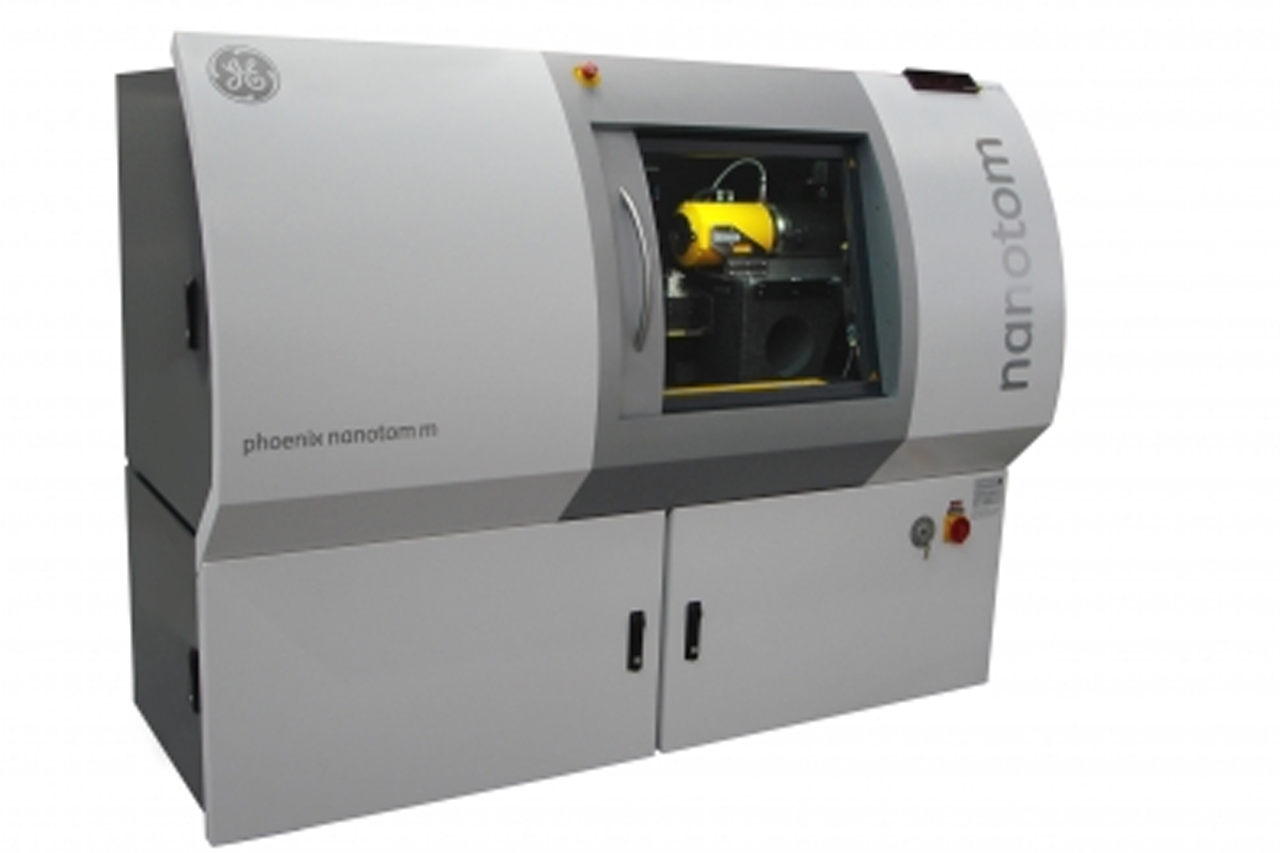
As part of the German Research Foundation’s (DFG) funding scheme for large-scale equipment, HTWK Leipzig will receive around one million euros from January 2022. This funding will be used, amongst other things, to purchase a scanning electron microscope and a computed tomography scanner. These large-scale instruments will expand the scope of the Centre of Excellence for Materials Research at HTWK, which was established in 2021, and enable knowledge-driven research projects in the field of materials science. The SEM will be used to investigate the interactions between microstructure, microstructure and the technically relevant properties of construction materials, metals and fibre composites. The CT enables three-dimensional microstructural analyses with resolutions down to the submicrometre range and will be equipped with two in-situ testing devices.
Funding: DFG
Project duration: 01/2022 – 12/2026
Multidimensional and cross-scale materials research project page
