Key areas of research and development
- Industrial data communication (specifically AS-Interface)
- Automation of biotechnology laboratory systems
- New transmission technologies in the construction industry
Team
- M.Sc. Tobias Haft
- B.Eng. Than Pham Quang
- M.Eng. Tobias Rudloff
- B.Eng. Kaya Laetitia Schieback
- Dipl.-Ing. Dietmar Telschow
- M.Sc. Felix Tröger
- M.Sc. Jens Voigt
- M.Eng. Felix Zakner
Prof. Dr.-Ing. Tilo Heimbold
Process Control Engineering and Process Management
Institute
PAES | Institute for Process Automation and Embedded Systems
Research
Process Automation & IIoT
Telephone: +49 (0)341 3076 1178
Email: tilo.heimbold(at)htwk-leipzig.de
C-Factory
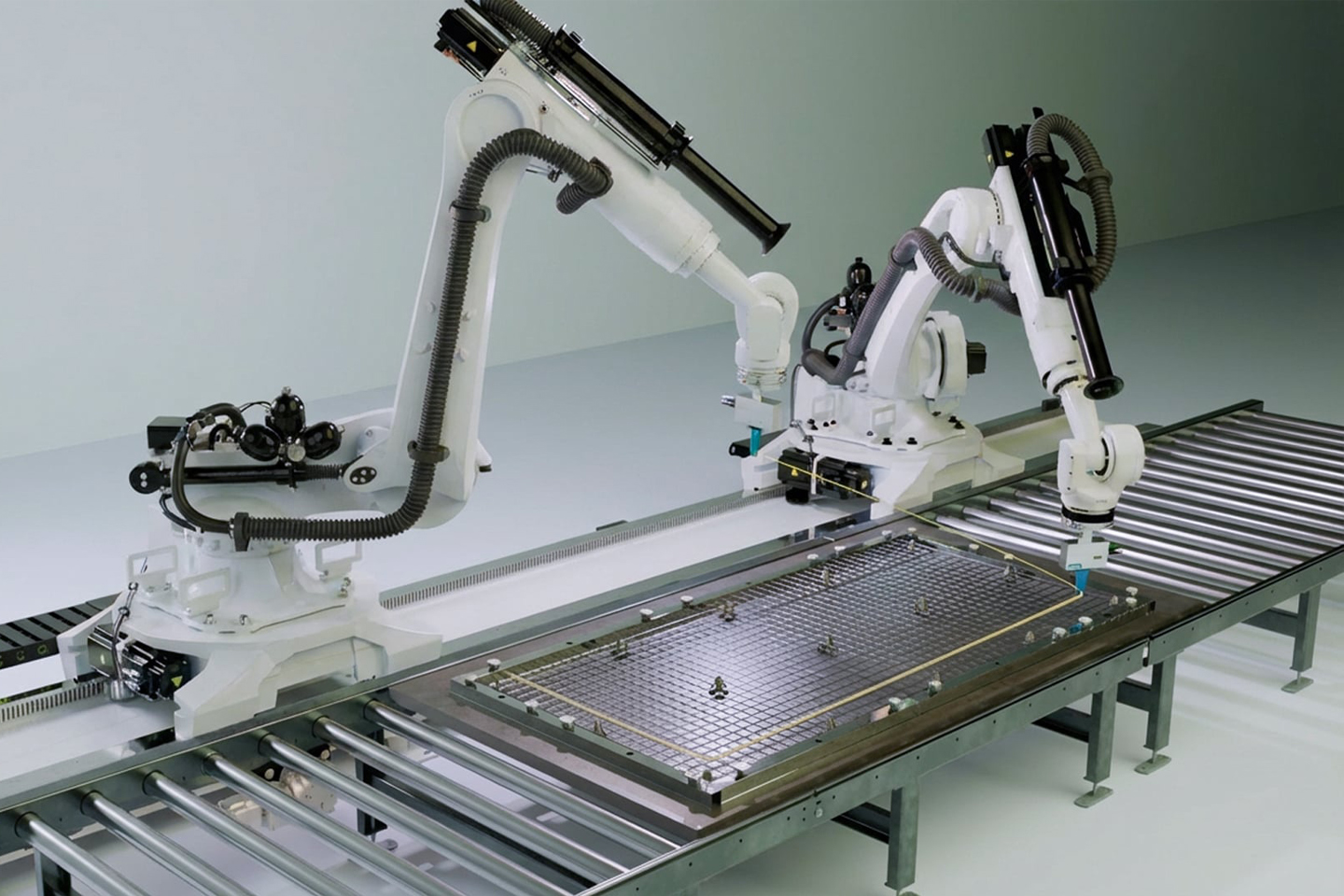
Ziel ist der Aufbau des weltweit ersten Carbonbetonwerks zur vollautomatisierten Herstellung CO₂-speichernder Carbonbeton-Bauteile für den Hochbau in Leipzig.
Förderung: Bundesförderung Industrie und Klimaschutz (BIK) [Bundesministerium für Wirtschaft und Energie (BMWE)]
Projektpartner: Kahnt & Tietze GmbH (Leipzig) [Koordinator], FTZ Leipzig e.V., Betonwerk Oschatz GmbH, SCHWENK Zement GmbH & Co. KG (Ulm), Technische Universität Dresden, ABS GmbH Storkow, Prilhofer Consulting GmbH & Co. KG (Freilassing)
Projektlaufzeit: 04/2026 - 12/2029
C2C module building
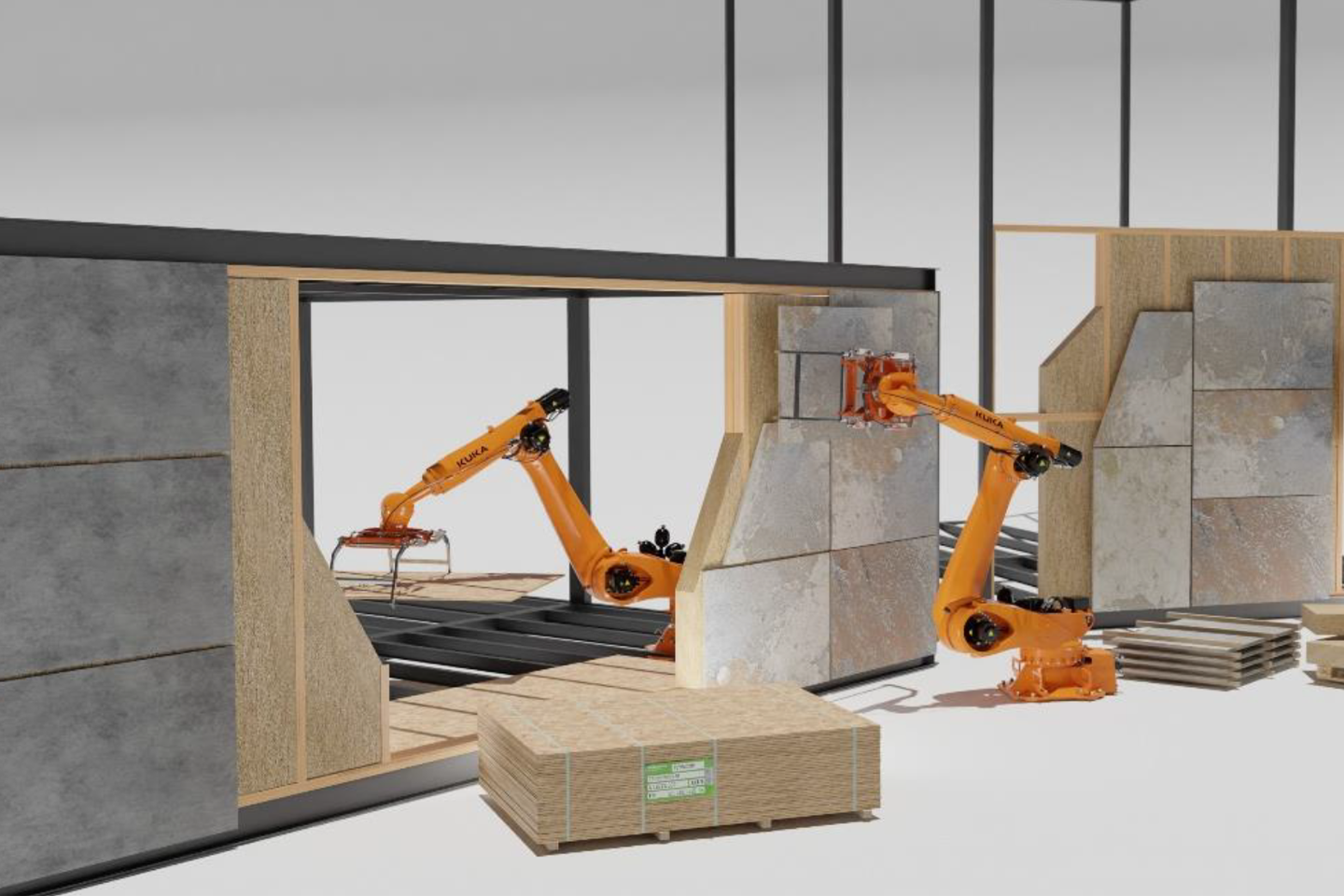
Fully reusable modular buildings (and technology)
In order to meet climate targets, buildings must be climate-neutral throughout their entire life cycle by 2045. The project aims to minimise the grey energy required during the dismantling and reconstruction of the modules. Furthermore, the aim is to significantly reduce heat demand through the use of innovative building materials, thereby enabling electric heating to be powered by minimal amounts of renewable energy.
Funding: BMWE Applied Energy Research as part of the 8th Energy Research Programme (PtJ)
Project partners: Bihl+Wiedemann GmbH, Mannheim; KLEUSBERG GmbH & Co. KG, Wissen
Project duration: 11/2025 – 10/2028
EROKAB
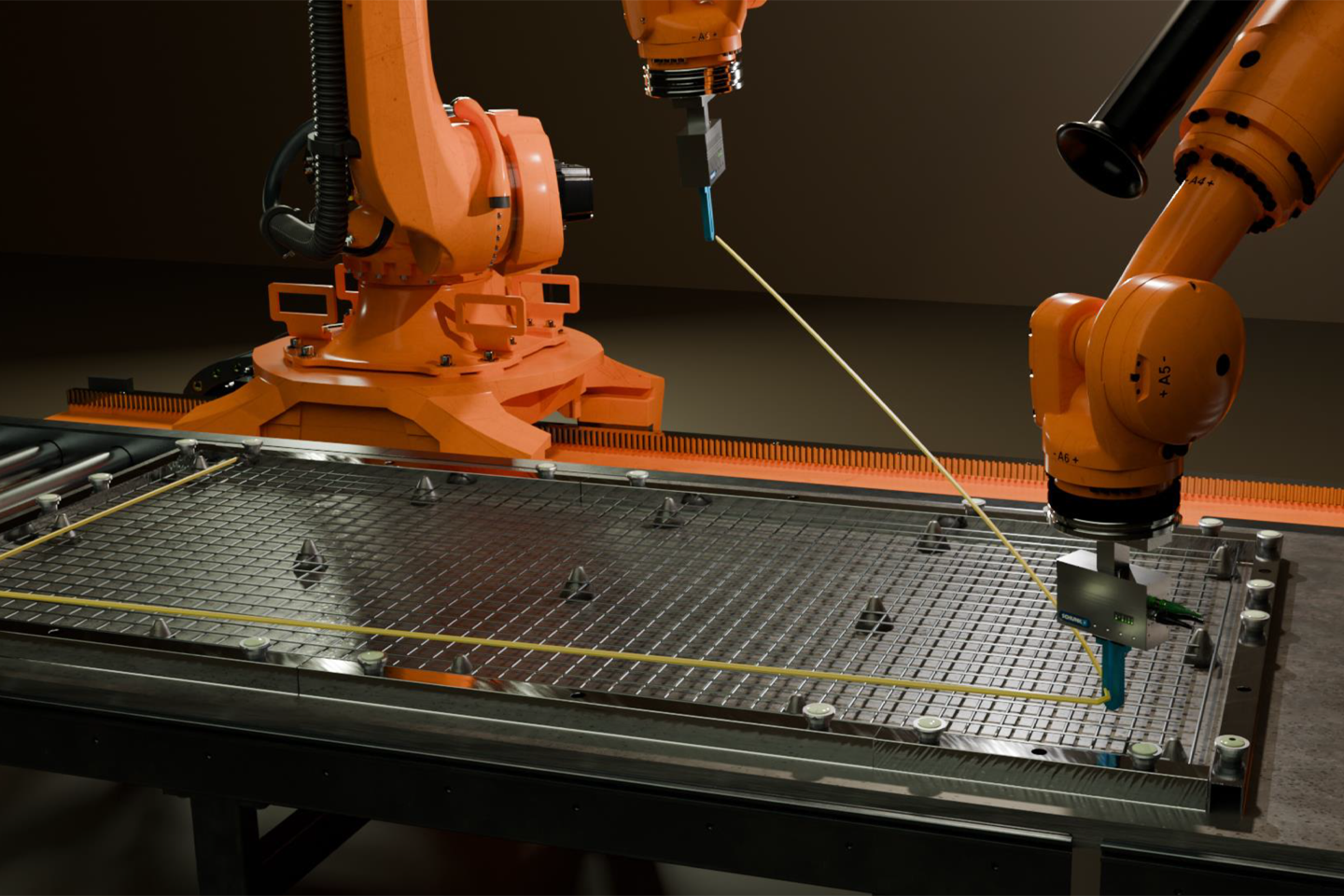
The use of robots for optimised and material-saving cable laying in the construction industry
Building on the results of the WallConnEct project, the infrastructure at the Carbon Concrete Technology Centre (CBT) at HTWK Leipzig is to be specifically expanded in order to develop an innovative technology for robot-assisted cable laying and to transfer it to production in concrete plants.
Funding: ERDF InfraProNet (SAB)
Project duration: 10/2025 – 07/2027
ProQWasser
Automated, AI-supported monitoring process for drinking water to ensure quality and predict undesirable contamination
Sub-project 3: Development of a modular instrument-based measurement system for automated, sensor-based drinking water analysis
The aim of the project is to develop an automated water analysis method supported by machine learning techniques, in order to monitor drinking water quality, predict the growth of various types of microorganisms and prevent harmful contamination at the earliest possible stage.
Funding: BMWE/ZIM (VDI | VDE | IT) – EMITI Network
Project partners: BioCheck GmbH, Leipzig; Kapelan Bio-Imaging GmbH, Leipzig
Project duration: 08/2025 – 01/2028
CoReMoSense
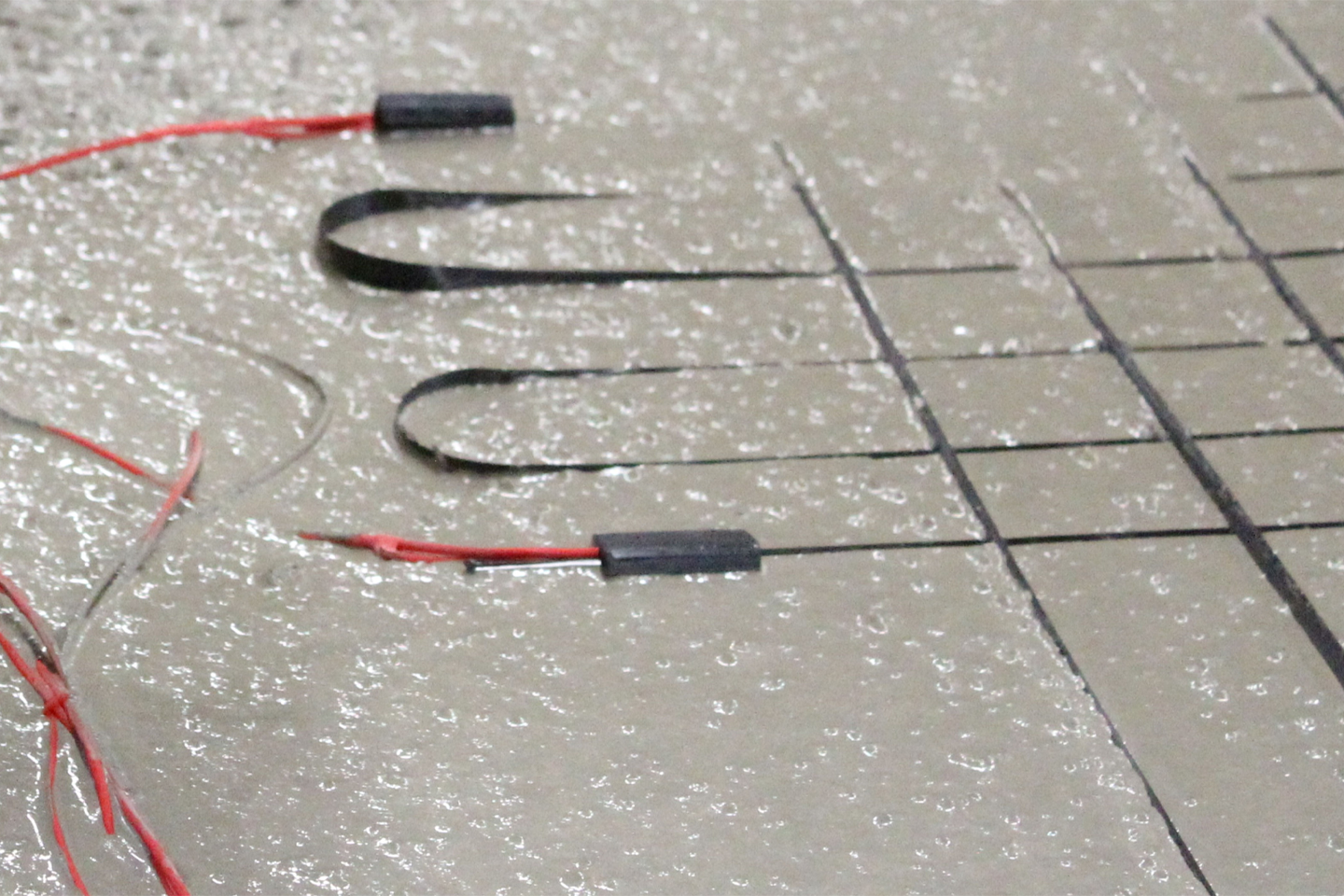
Concrete residual moisture sensor – Development of a method for determining residual moisture in concrete elements based on a capacitive carbon fibre structure
Sub-project 4: Development of highly dynamic and highly sensitive sensor electronics for measuring the residual moisture content of concrete elements using capacitive embedded carbon roving structures
The project aims to use a carbon fibre roving for the first time as a capacitive sensor element embedded directly into the concrete for moisture monitoring. The CoReMoSense system is designed to continuously monitor the progress of hydration in concrete components, not only to check the quality of the building material once installed, but also to enable optimised monitoring of the manufacturing process.
Funding: BMWE (ZIM AIF)
Project partners: Cavertitzer Elektromontage GmbH, Cavertitz; B. Lütkenhaus GmbH, Dülmen
Project duration: 08/2025 – 07/2027
Precast Zero
Carbon-neutral precast concrete elements
The PRECAST ZERO project is pursuing a novel research approach that goes beyond CO₂-neutral concrete. The project aims to develop a concrete material capable of permanently sequestering CO₂, thereby serving as a store for emissions. Given the widespread use of concrete, this technology offers considerable potential for scaling up. The aim is to lay the initial foundations for a concrete-based CO₂ storage technology. Implementation requires an interdisciplinary consortium: planning and design (Kahnt & Tietze GmbH), binder development (Oliment GmbH), processing (Betonwerk Oschatz GmbH) and scientific research and automation (FTZ Leipzig).
Funding: SAB
Project partners: Kahnt & Tietze GmbH, Oliment GmbH, Betonwerk Oschatz GmbH
Project duration: 08/2025 – 03/2028

μQuant
Development of an AI-assisted, image-based system for the quantitative analysis of microbial contamination
The aim is to conduct research into and develop a prototype robot-assisted, image-based analysis system for the automated assessment of various microbial contaminations. The combined approach consists of the development of prototype equipment for the automated macroscopic imaging (digitisation) of samples, AI-based image analysis and the integration of these into laboratory testing processes.
Funding: ERDF
Project partners: Kapelan Bio-Imaging GmbH (coordinator), Institut für Angewandte Informatik e.V., Limbach Analytics GmbH and Sondermaschinenbau Engelsdorf GmbH
Project duration: 01/2025 – 12/2026
Tex2Fab
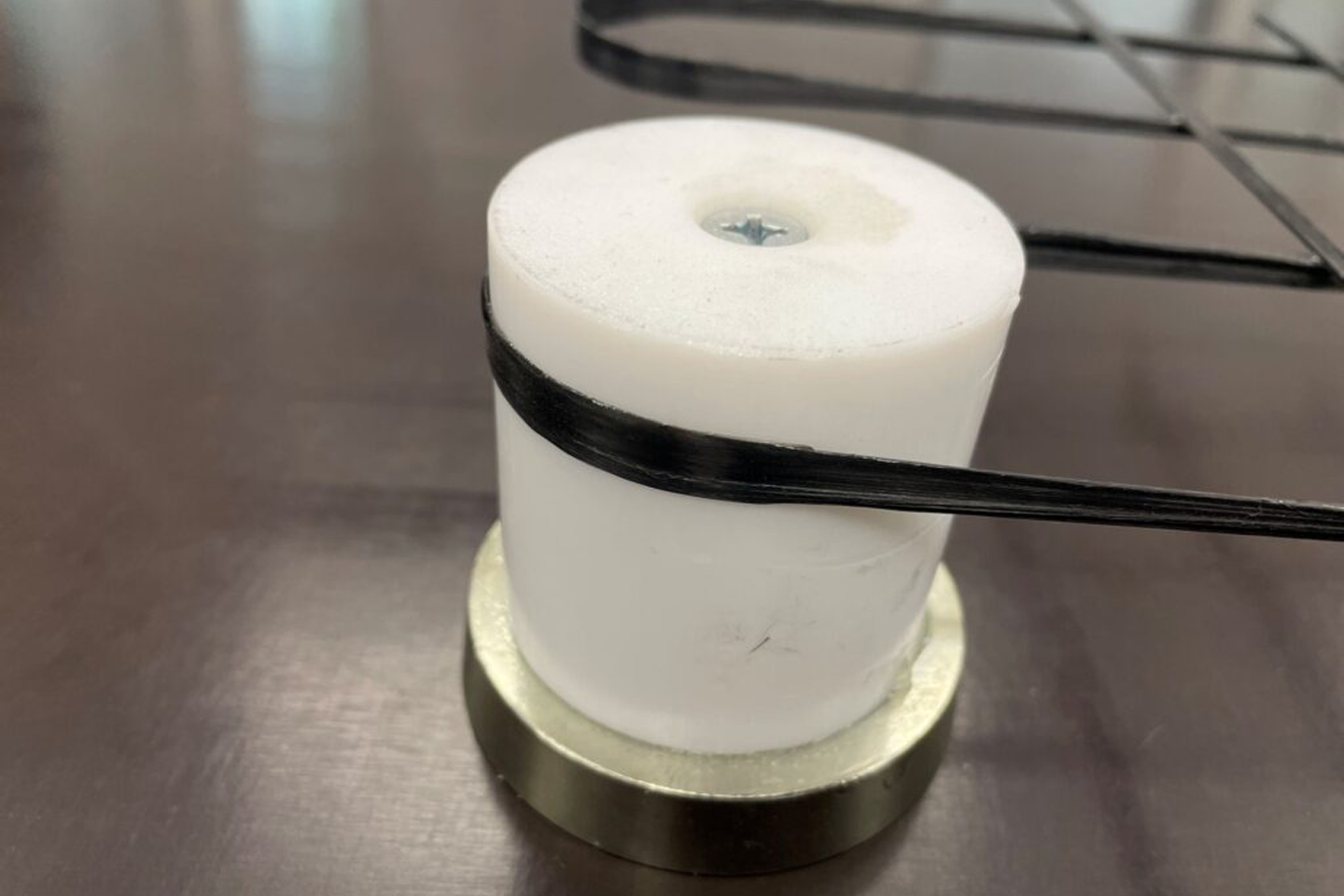
Validation of automated manufacturing processes for carbon fibre reinforcement
The aim of the project is to validate a newly developed, robot-assisted manufacturing technology that enables the fully automated and factory-integrated production of multi-axial carbon fibre reinforcements for use in the construction industry. These carbon fibre reinforcements represent a forward-looking alternative to traditional steel reinforcement and contribute to the development of resource-efficient, durable and flexible concrete components.
Funding: SAB
Project duration: 01/2025 – 06/2026

CarboCapSense
Development of a capacitive sensor based on a functional carbon fibre structure in concrete
Sub-project 3: “Development of capacitive sensor structures based on embedded carbon rovings in concrete and the associated signal processing electronics”
Sub-project 4: “Development of carbon-reinforced concrete components with integrated capacitive sensor structures, including suitable concrete matrices, structural designs and variants for automated manufacturing processes”
Funding: BMWK
Project partners: Betonwerk Oschatz GmbH (Oschatz), Cavertitzer Elektromontage GmbH, FTZ Leipzig e.V., Faculty of Civil Engineering, HTWK Leipzig
Project duration: 06/2022 – 05/2024
RUBIN-ISC
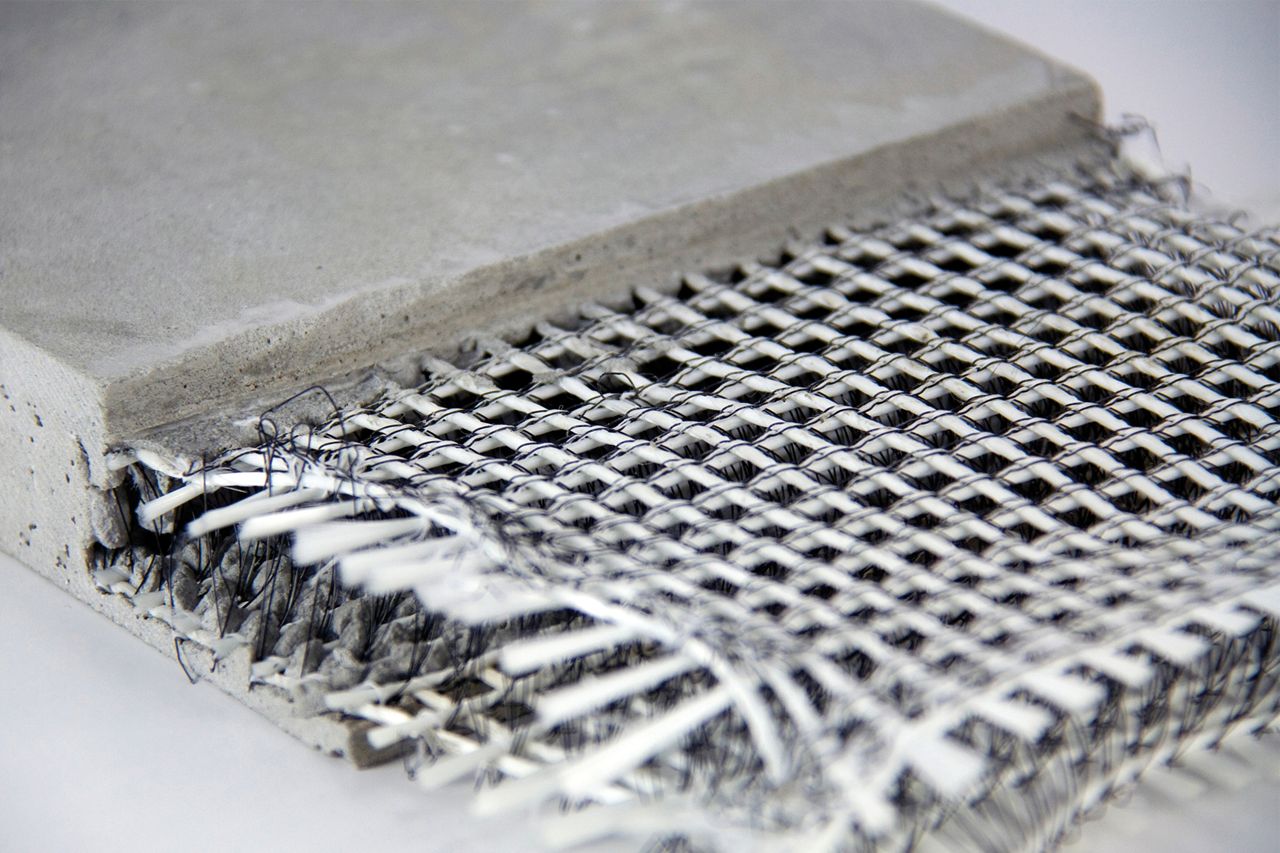
Industry-standard carbon concrete
Sub-project (FTZ Leipzig): RUBIN-ISC-VII – Process and technology development for the standardised transfer to production of multifunctional carbon structures (VeProMuCs)
The aim of this project is to develop processes and technologies for the standardised transition to production of multifunctional carbon structures.
Funding: BMBF – ‘Regional Entrepreneurial Alliances for Innovation’ (RUBIN)
programme Project partners: CARBOCON GMBH, Kahnt & Tietze GmbH, TU Dresden, Betonwerk Oschatz GmbH, B.T. innovation GmbH, DENKweit GmbH, GfL – Gesellschaft für Luftverkehrsforschung mbH, HFB Engineering GmbH, informbeton GmbH, Johne & Groß GmbH, phase10 Ingenieur- und Planungsgesellschaft mbH, Qpoint Composite GmbH, SFP Planungsgesellschaft mbH, STL Böden+Design GmbH
Project duration: 01/2022 – 12/2024
WallConnEct
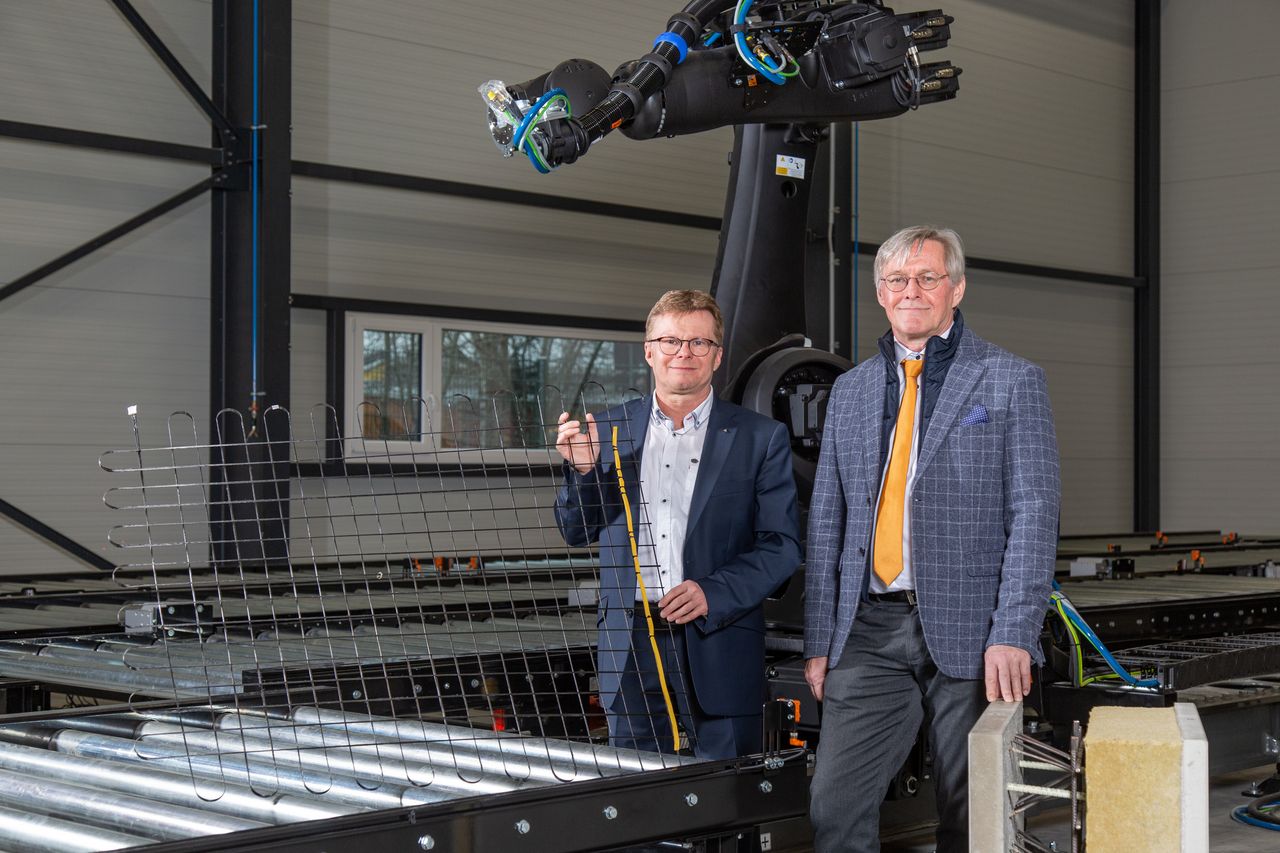
Development of resource-efficient wall constructions with integrated electrical and data technology based on AS-Interface 5
Sub-project: Development of wall sensor technology, planning and calculation tools, and wall fabrication
Objective: To make the integration of electrical installations into precast construction using carbon concrete – a composite material that conserves resources – competitive by developing fully automated modular manufacturing processes for precast concrete plants. These processes are intended to enable the integration of intelligent and resource-efficient electrical installation technology into the wall elements to be manufactured, already during the production process.
Funding: BMWK (via Projektträger Jülich)
Project partners: Bihl+Wiedemann GmbH, Sondermaschinenbau Engelsdorf GmbH
Project duration: 10/2021 – 03/2024
EMEK 3D
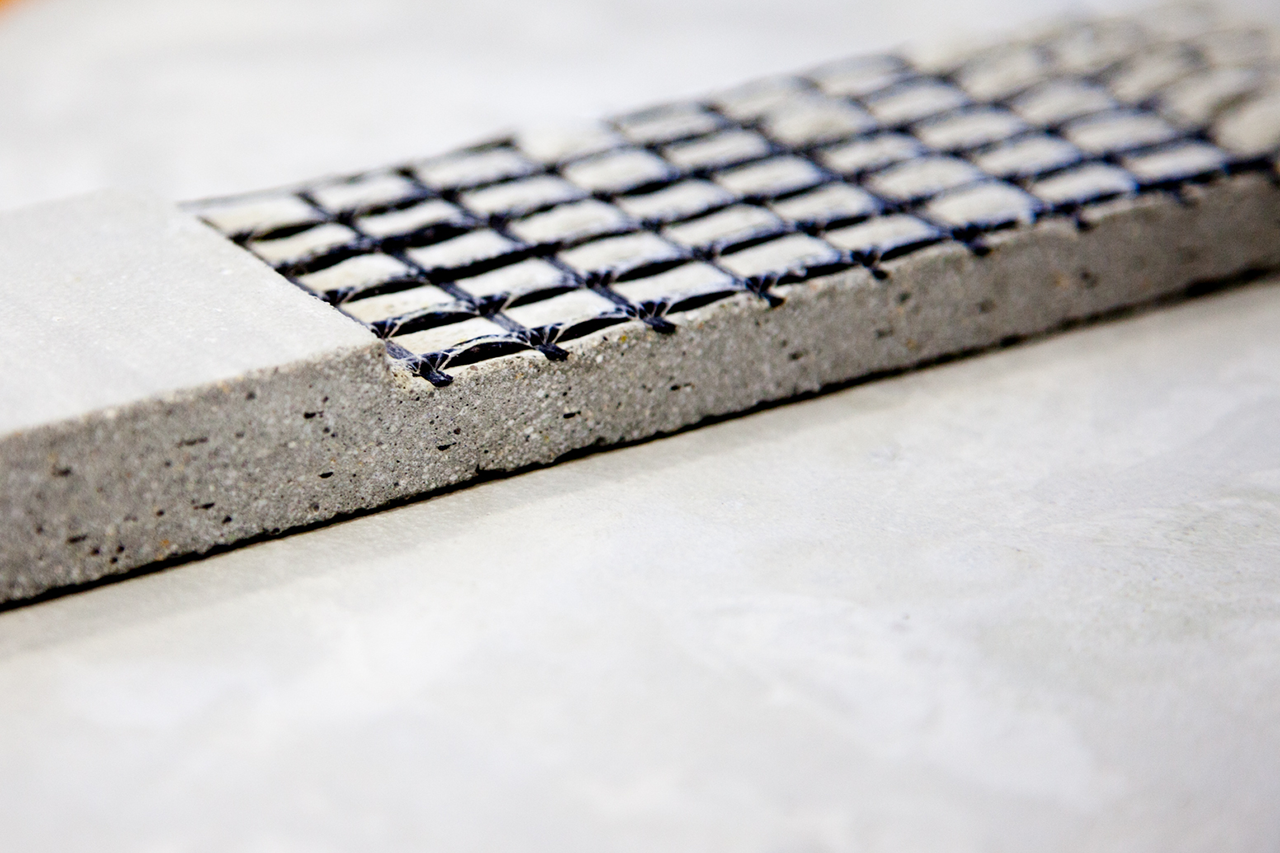
Development of a material system for establishing electrical contact with carbon fibres used as functional reinforcement in concrete
The composite material carbon concrete has enormous potential for lightweight, thin-walled and resource-efficient components and also offers previously unimagined possibilities in terms of multifunctional precast concrete elements. The EMEK 3D project is investigating an approach involving the fusion of carbon fibre with an electrically conductive material. The aim of the project is to develop this into a viable, industrial-scale solution. In collaboration with enspring GmbH, a process and material system is thus being developed which enables a mechanical bond and electrical contact that meets the requirements for an industrially manufactured precast element.
Funding: ZIM of the BMWi | AIF project
Project partners: enspring GmbH
Project duration: 02/2021 – 02/2023
Digital Concrete
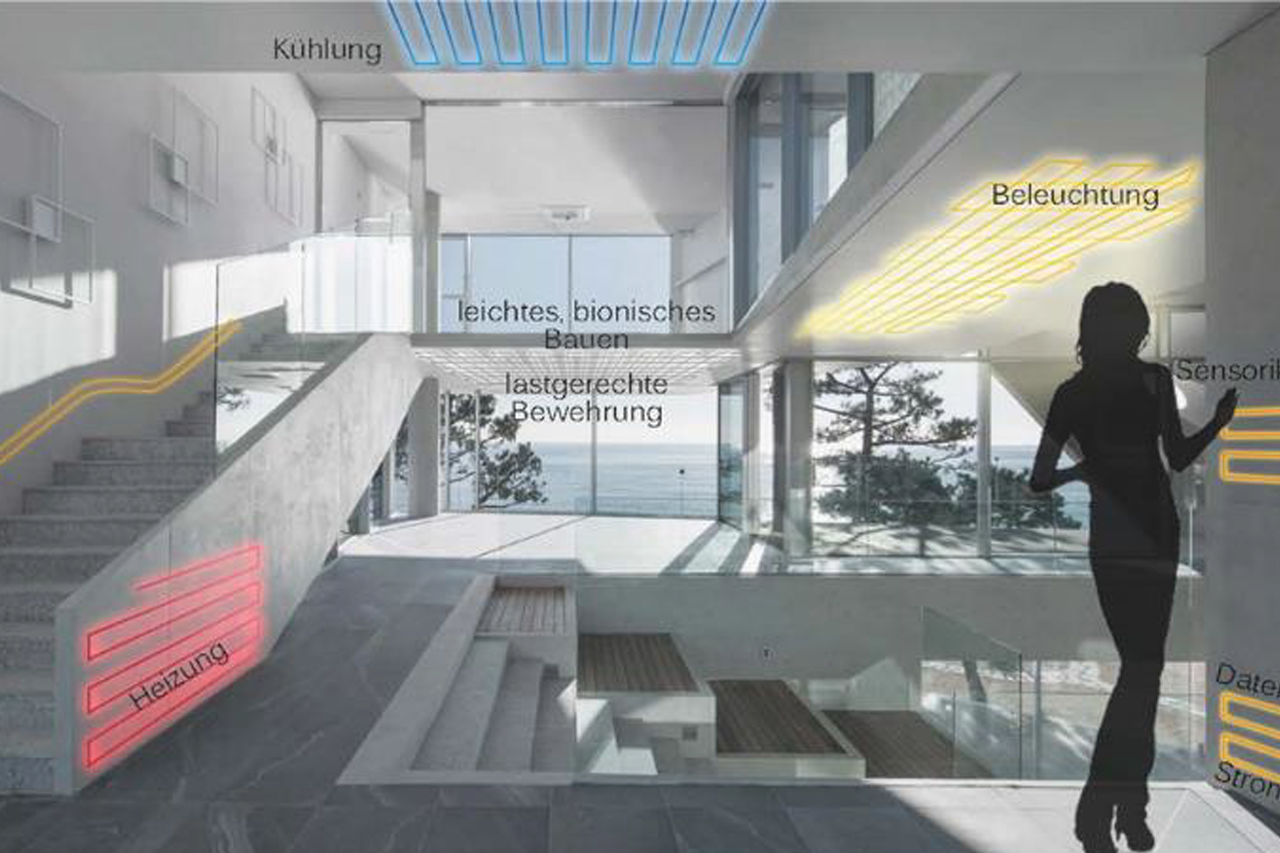
Multifunctional use of carbon rovings as integrated data, energy and sensor structures
Through the integration of civil engineering and electrical engineering, the aim is to develop functionalised carbon-reinforced concrete components which, thanks to the functionalisation of the electrical reinforcement and the associated potential for multiple uses of the carbon fibres, will open up entirely new interdisciplinary fields of application. Carbon fibre, used simultaneously as a reinforcing, data- and current-carrying, and sensory element, is expected to lead to a groundbreaking functionalisation of precast concrete components for the buildings of the future. The envisaged ‘digital concrete technology’ is intended to significantly increase the degree of prefabrication of concrete components and substantially reduce material and installation costs on site.
Funding: SAB
Project partners: IfB Institute for Concrete Structures | Faculty of Civil Engineering | HTWK Leipzig
Project duration: 02/2020 – 04/2022

User Tools
Application of innovative AI methods for ASi-5
The demands placed on industrial communication have expanded so significantly as a result of Industry 4.0 that a generational change in systems, right down to the field level, is inevitable. The first-ever use of a digital transmission method in the actuator-sensor interface (Asi-5) results in a multitude of system parameters which, in practice, are as yet completely unfamiliar to the user. There is therefore a need to develop a tool to assess the functionality of the plant and its system reserves for both service personnel and the user. The development is based on the ‘deep learning’ method from the field of artificial intelligence (AI) as a key technology for industrial fieldbus communication.
Project duration: 2020

GelphoMatic | Laboratory 4.0
System for automated and digitised gel-based protein analyses that can be carried out in parallel
Protein analysis with the FT-Imager | The system developed carries out the separation, fluorescence visualisation and quantitative and qualitative assessment of urinary proteins. Cooling process | Process heat is dissipated via a water circuit comprising a cascade of three Peltier elements. The coordinated interaction of hardware and software enables rapid control and monitoring of the analysis process and guarantees a constant sample temperature throughout the entire electrophoresis process.
Project duration: 2018–2020
Funding: BMWi – ‘Central Innovation Programme for SMEs’ (ZIM)


QBek
A method for improving the quality of concrete components through capillary pressure-based monitoring and control of curing during the early stages
The QBeK project aims to develop a sensor-based analytical method, suitable for use on construction sites, utilising capillary pressure measurement technology to control and optimise the curing of hydrating, mineral-bound materials. For the first time, it will be possible to obtain a quantitative assessment of the quality of the curing process and to document this.