The 5th edition focused on additive manufacturing – featuring the opening of a new laboratory, award ceremonies and campus-wide tours of 3D printing laboratories
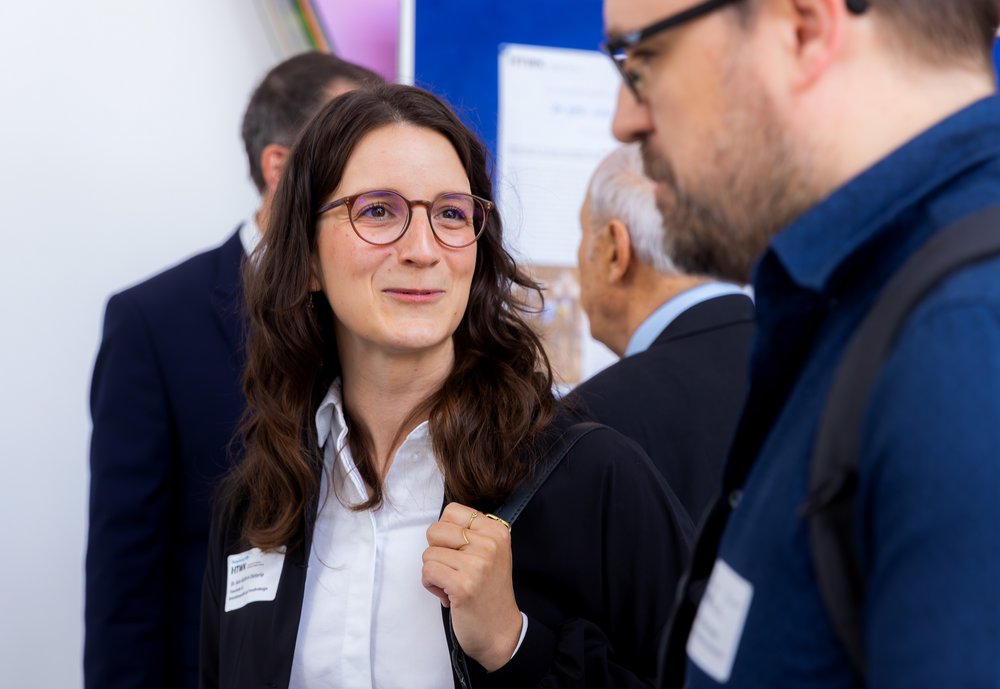
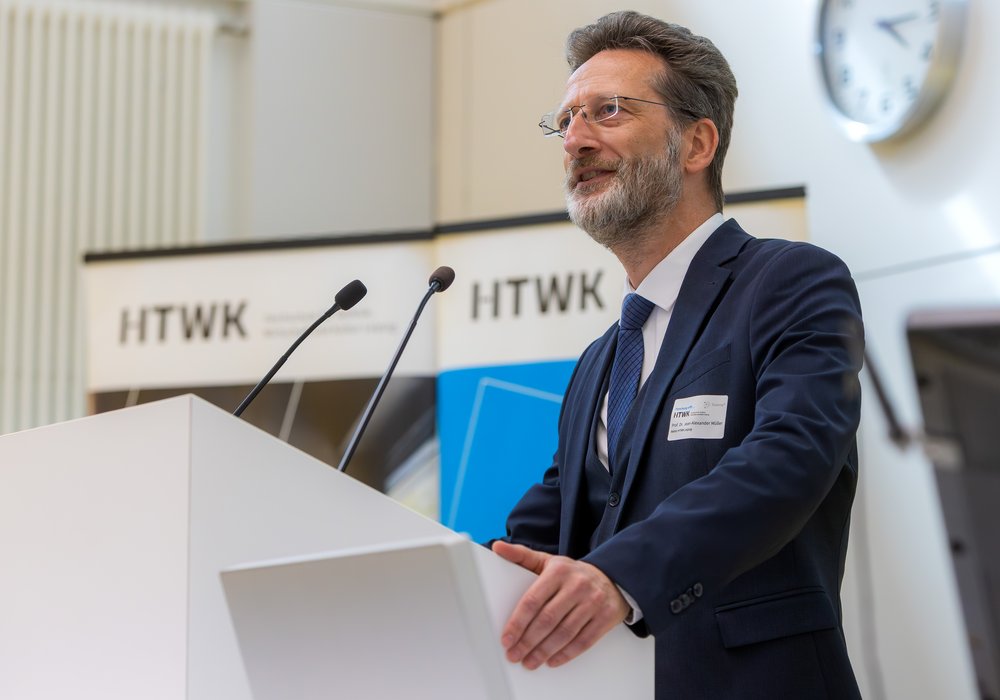
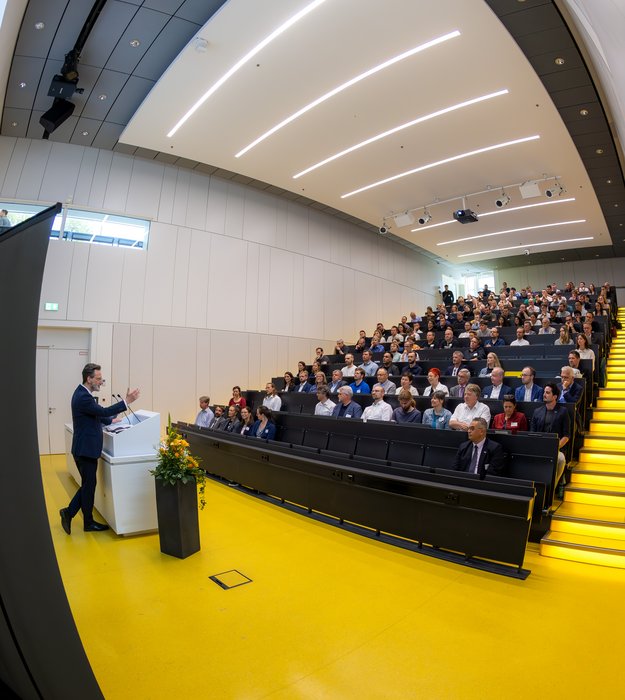
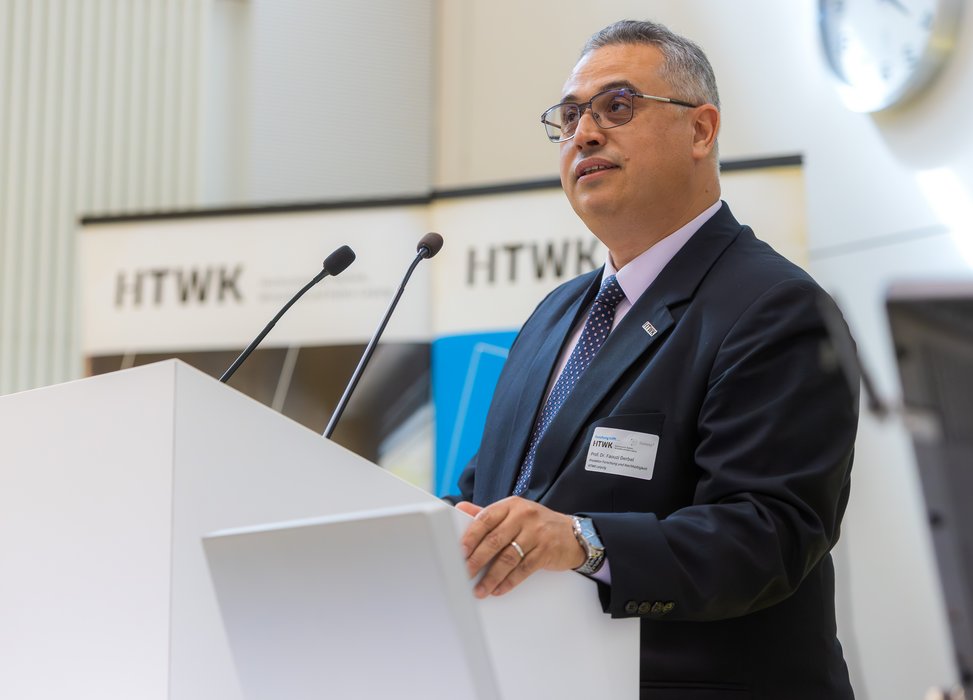
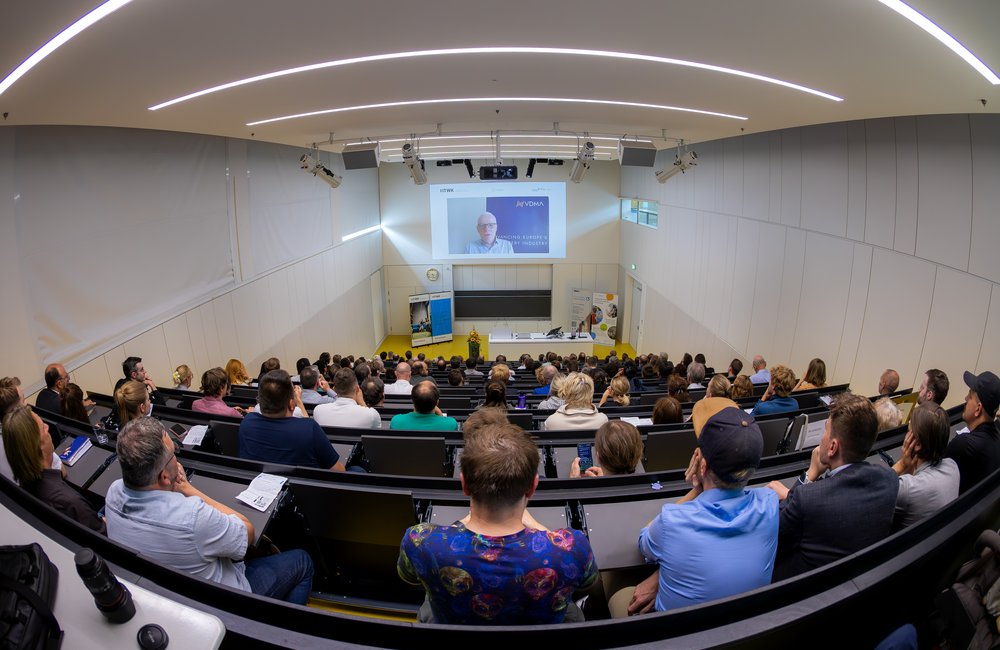
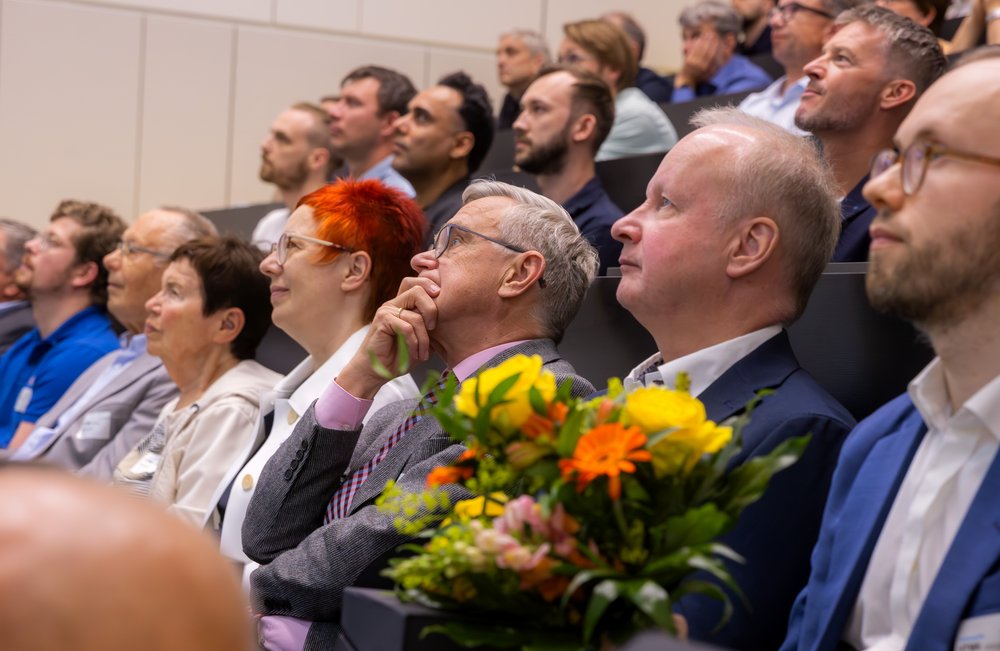
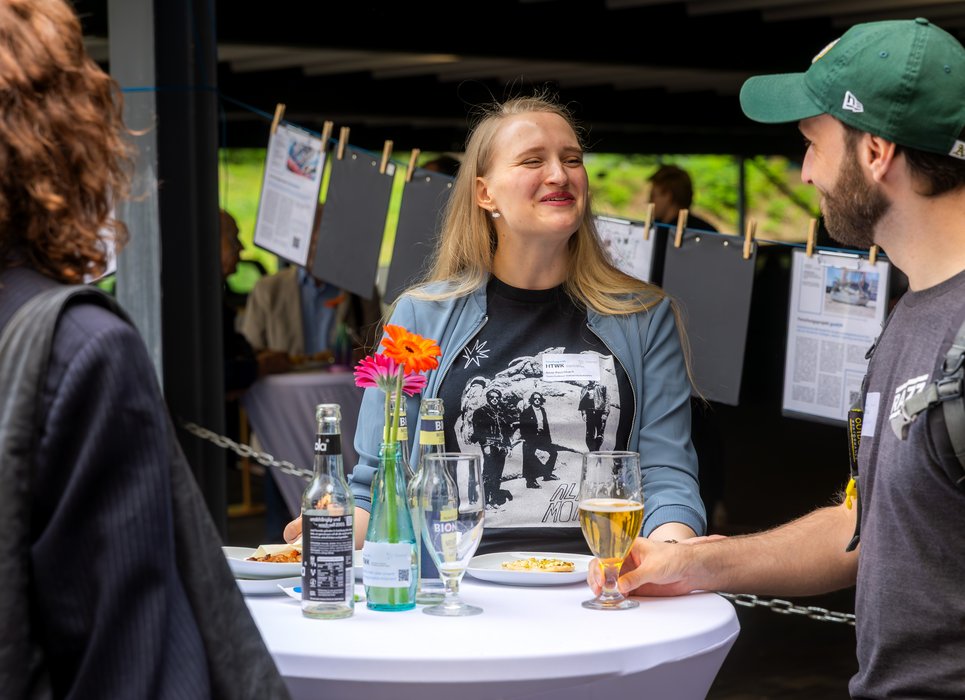
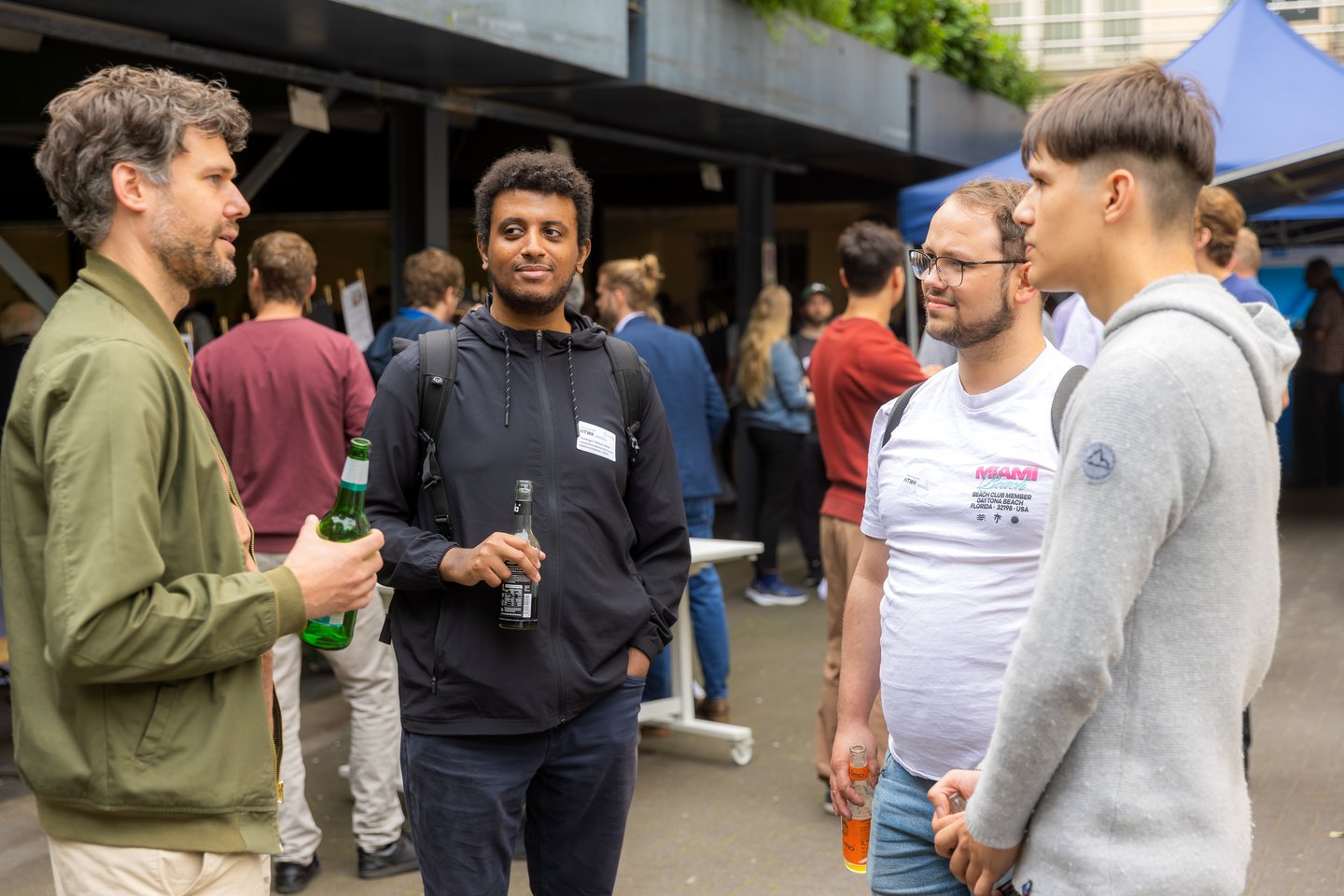
For the fifth time, the Research Department hosted the networking event ‘Research Meets...’. More than 200 researchers and staff from HTWK Leipzig and its affiliated Leipzig Research and Transfer Centre (FTZ), as well as numerous partners from academia, industry, politics and society, gathered on 10 June 2026 at the central campus in Leipzig-Connewitz. A packed programme centred on additive manufacturing (AM) – a cross-cutting theme at the university – awaited them. From rapid tooling and optimised mechanisms for musical instruments, through heat-conducting and cooling surfaces, specialised structural designs in architecture, to sustainable recycling approaches: the event showcased the diversity of current research and transfer projects from all faculties.
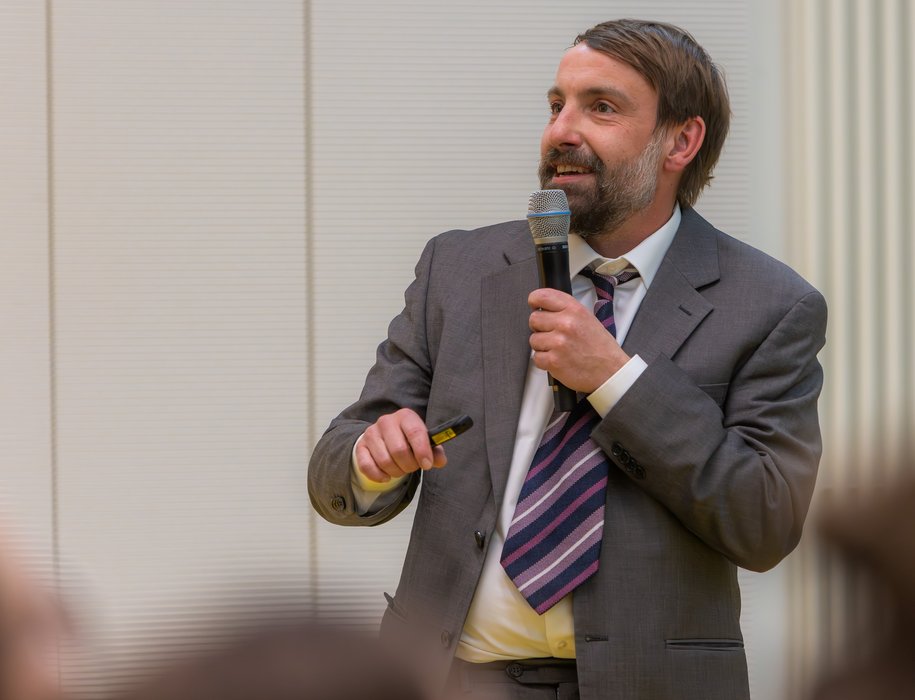
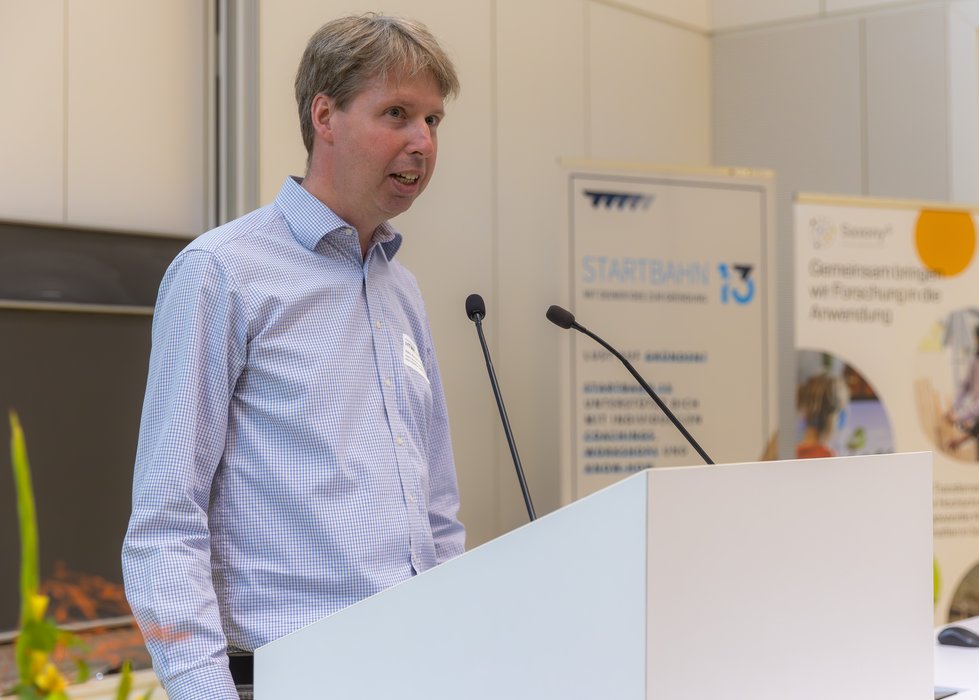
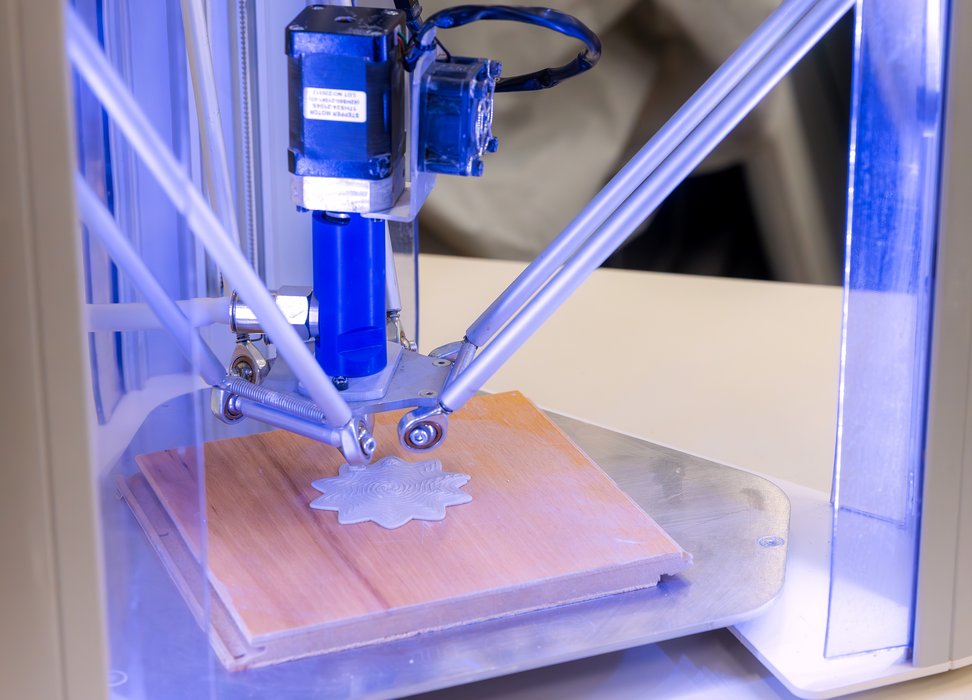
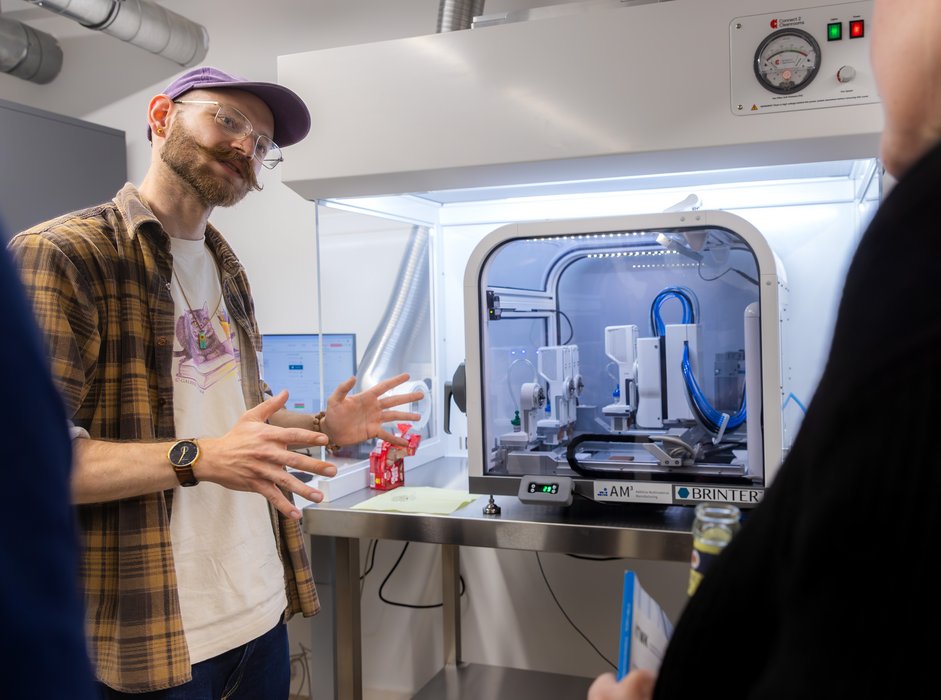
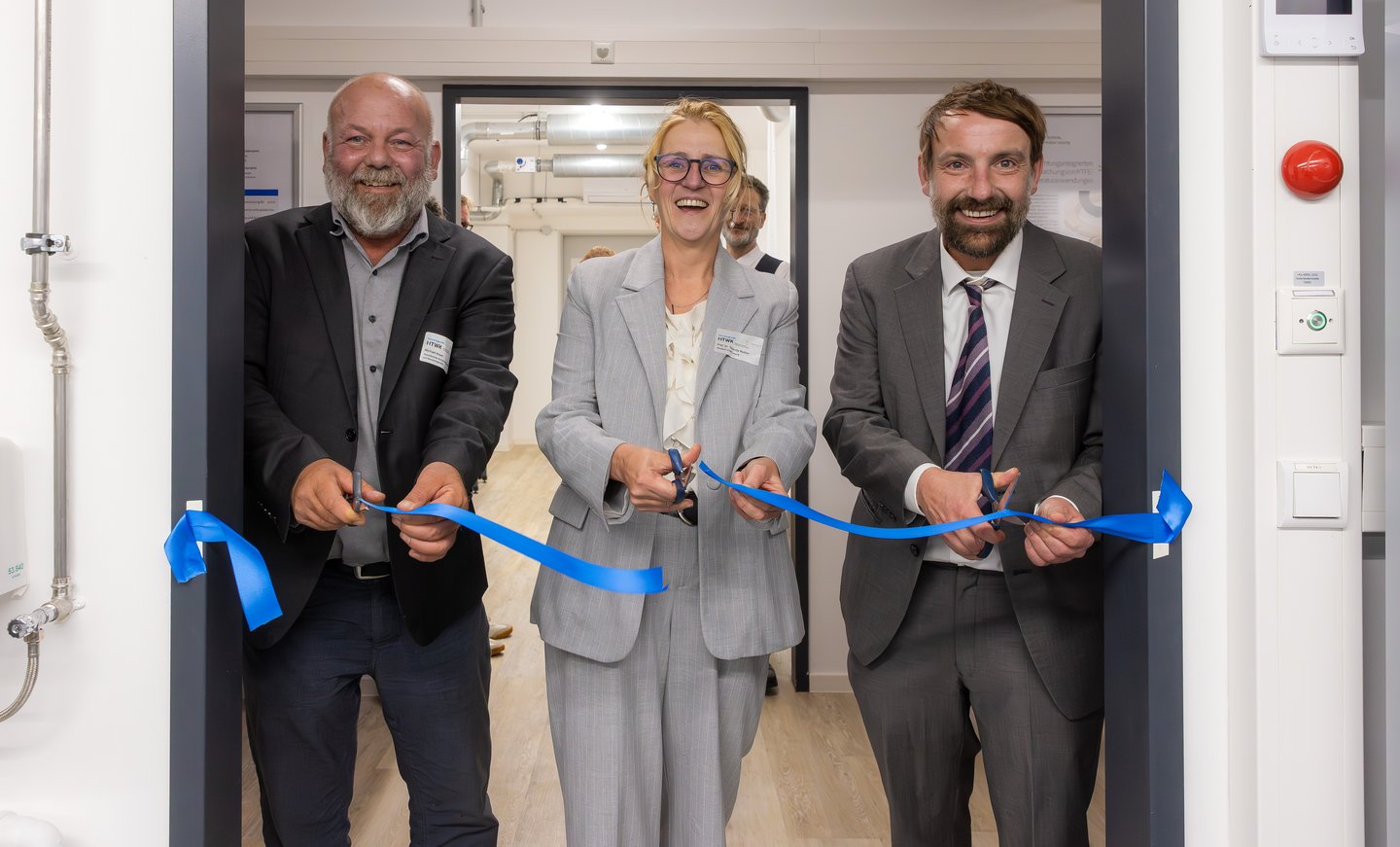
The event centred on the presentation and opening of the new ‘Additive Multimaterial Manufacturing (AM³)’ laboratory, funded by the German Research Foundation (DFG). This laboratory forms the basis for research into fully integrated manufacturing processes using different materials – with applications in sectors such as mechanical and plant engineering, printed electronics, and medical sensor technology and diagnostics. The new laboratory includes, amongst other things, three large-scale research instruments: a latest-generation bioprinter, a highly flexible, powder-based polymer 3D printer and an analytical instrument. “We are no longer just printing geometries – we are printing functions,” says Ingo Reinhold, Professor of Coating Processes at HTWK Leipzig, summarising the innovation of the new research environment.
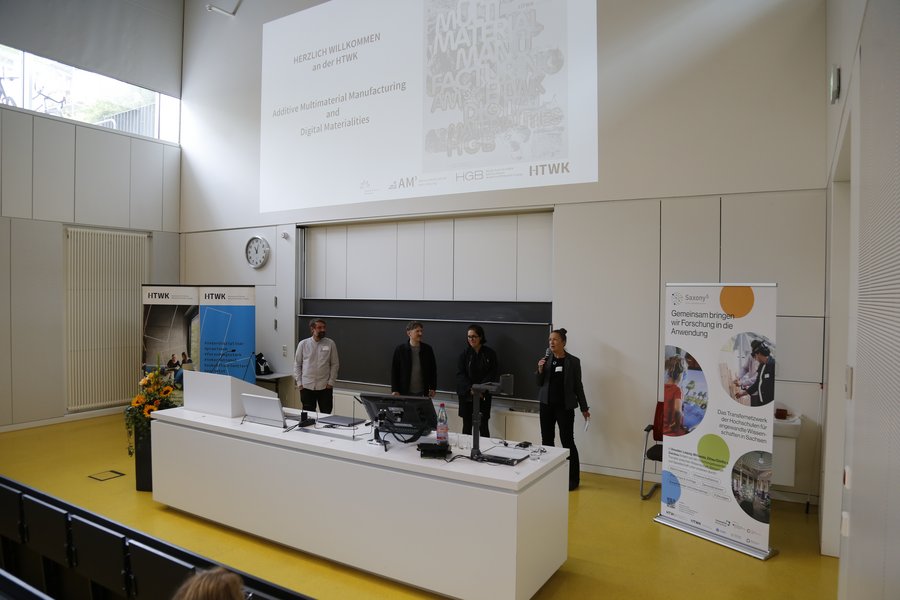
Accompanying specialist programme: AM³ Symposium
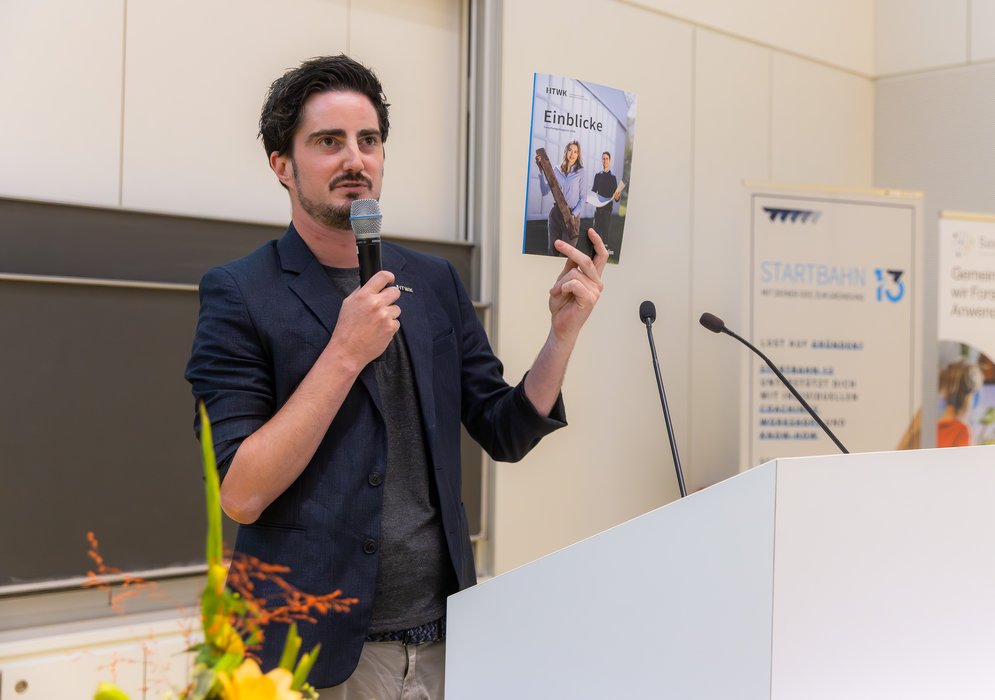
Earlier that morning, the AM³ research group at HTWK Leipzig had held a specialist symposium of the same name, organised jointly with the Academy of Visual Arts. With the aim of generating new ideas, skills and requirements, the symposium focused on systematically linking science and industry with art, culture and education. The symposium’s approximately 70 guests took the opportunity to learn about various fields and aspects of 3D printing, including powder- and inkjet-based processes and material extrusion, as well as to exchange ideas and network with experts from Leipzig and the wider region.
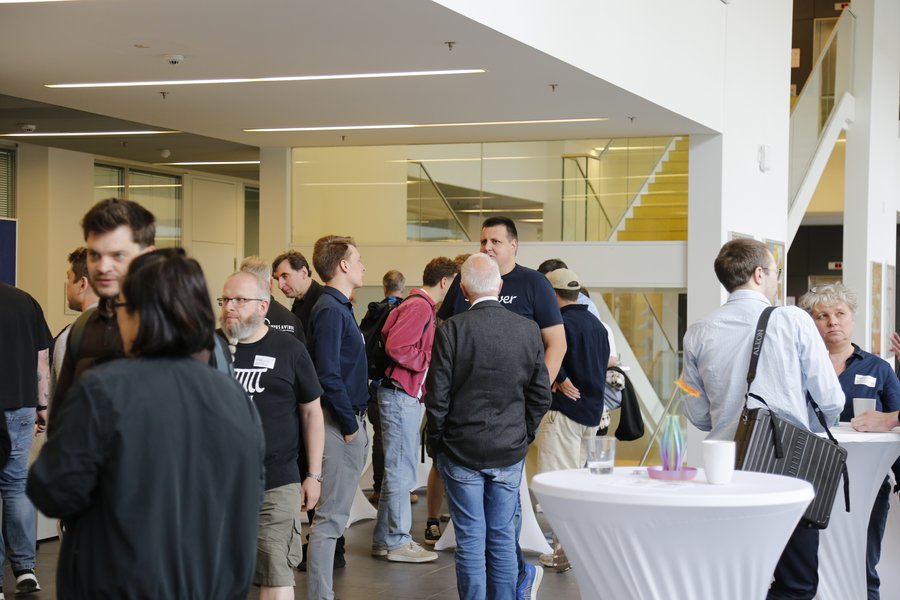
“Research Meets …” featuring award ceremonies and campus-wide laboratory tours
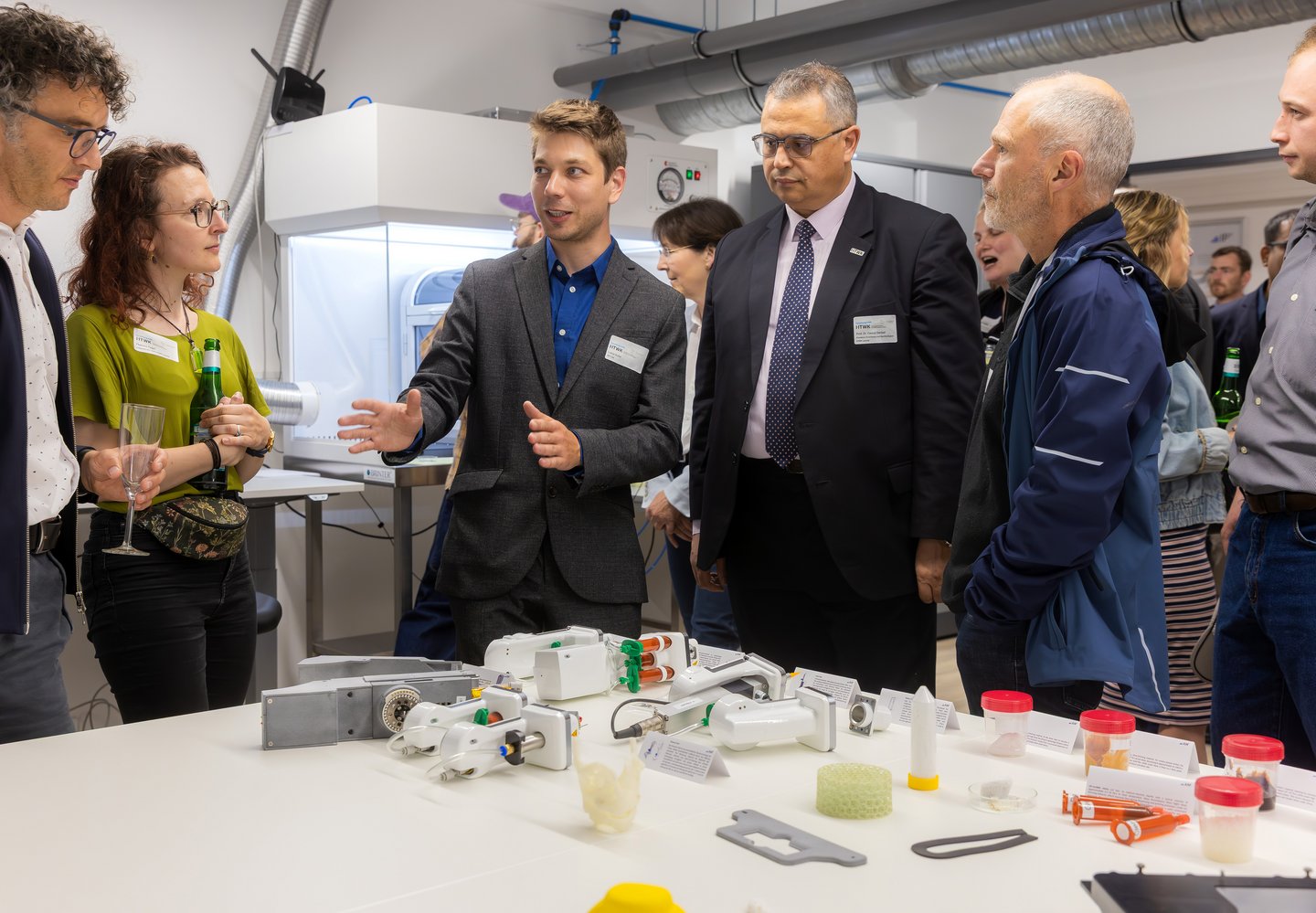
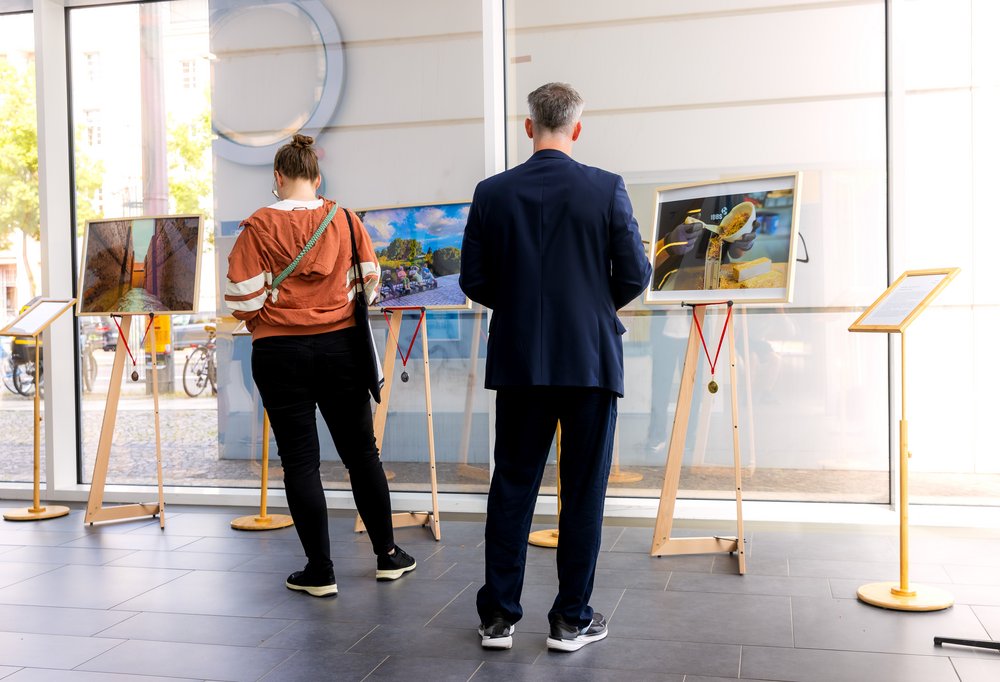
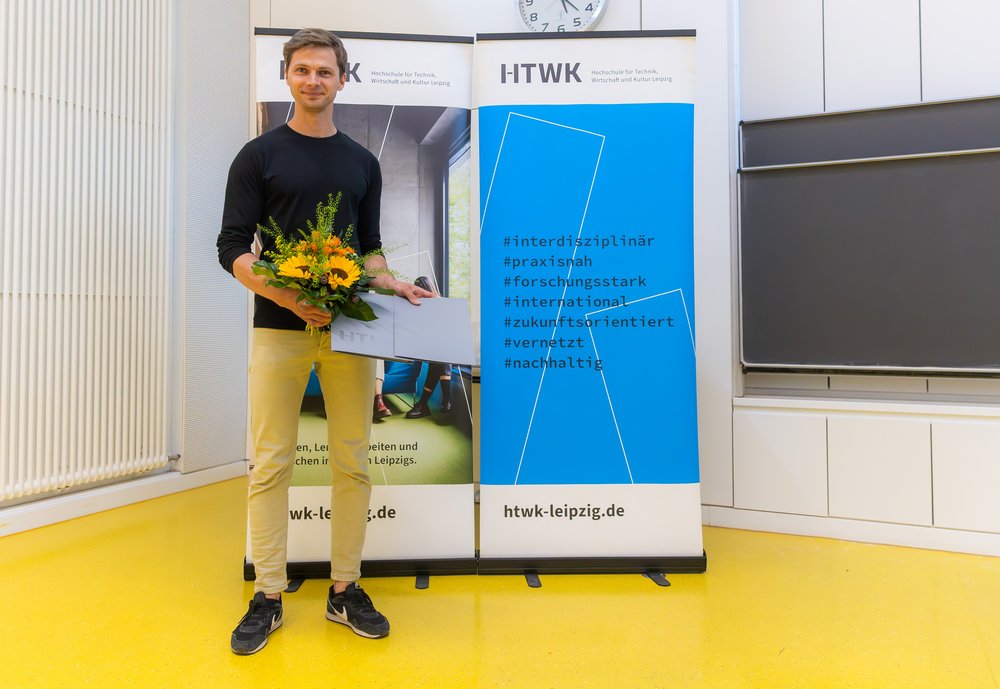
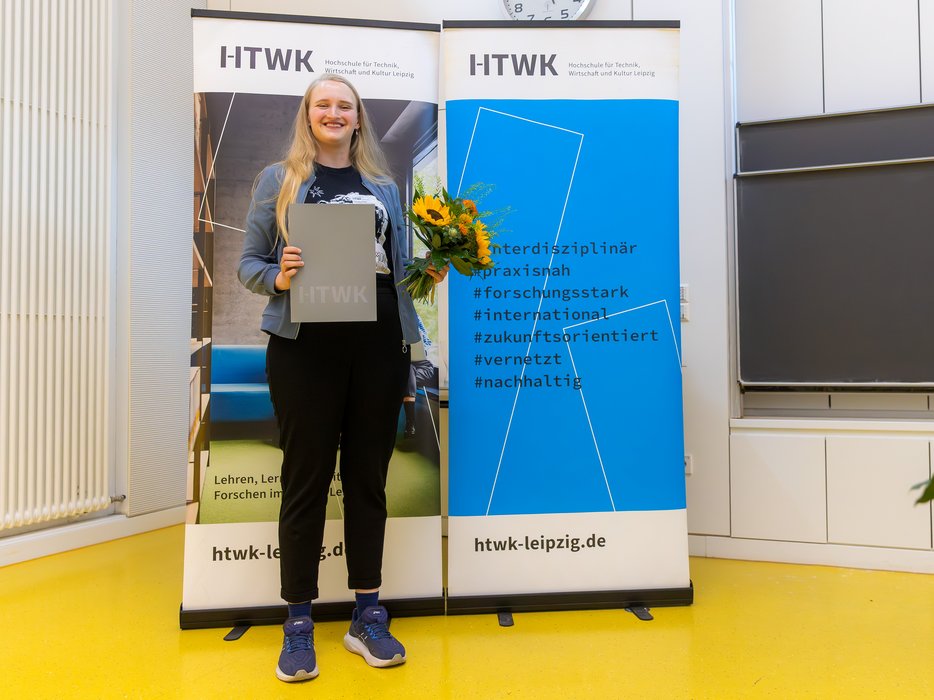
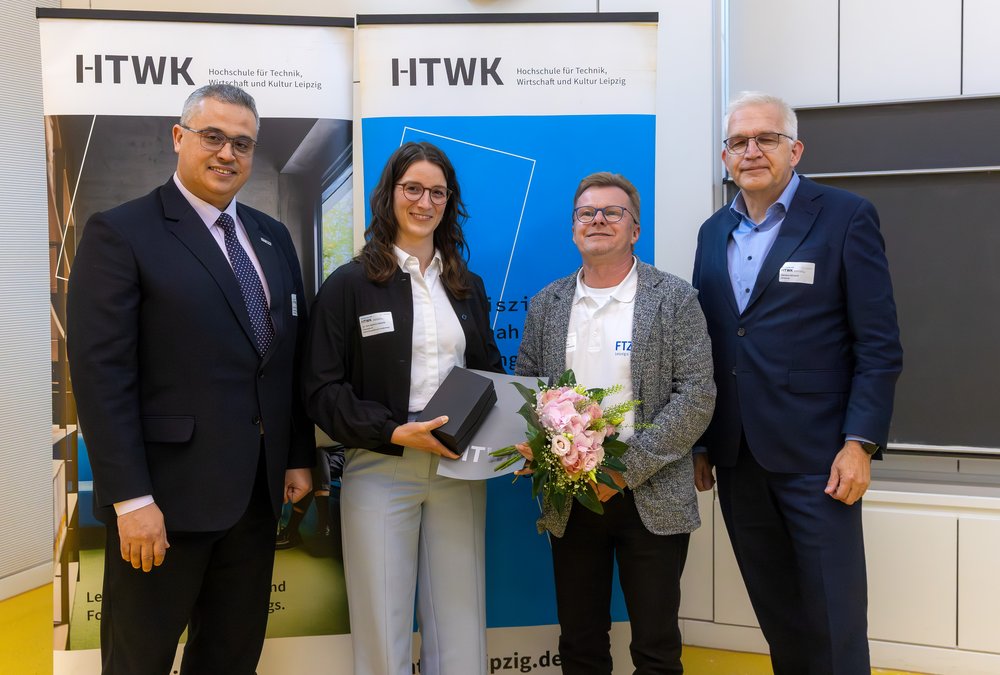
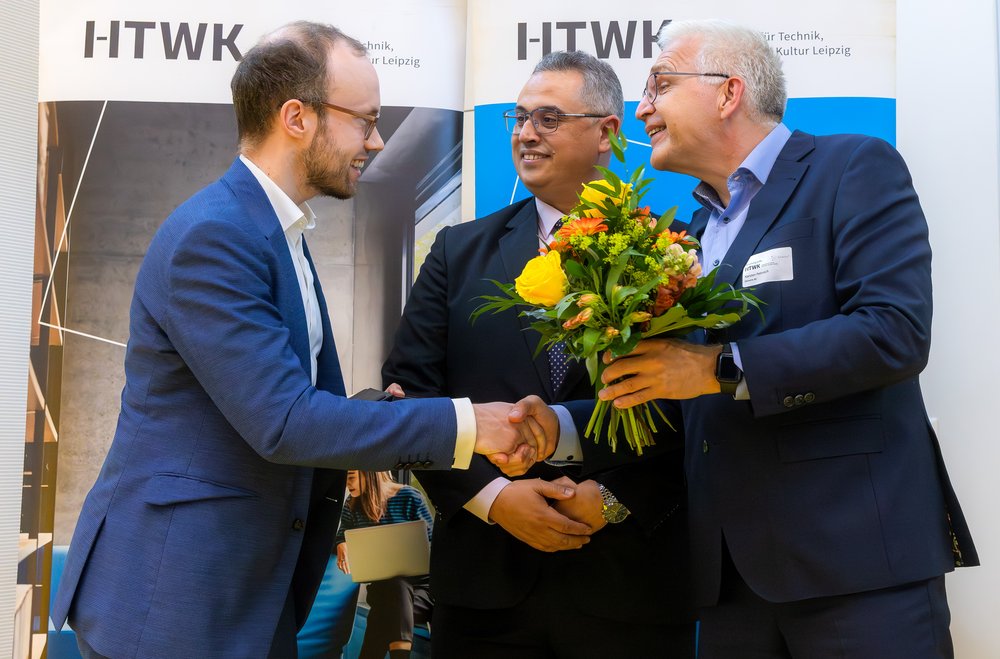
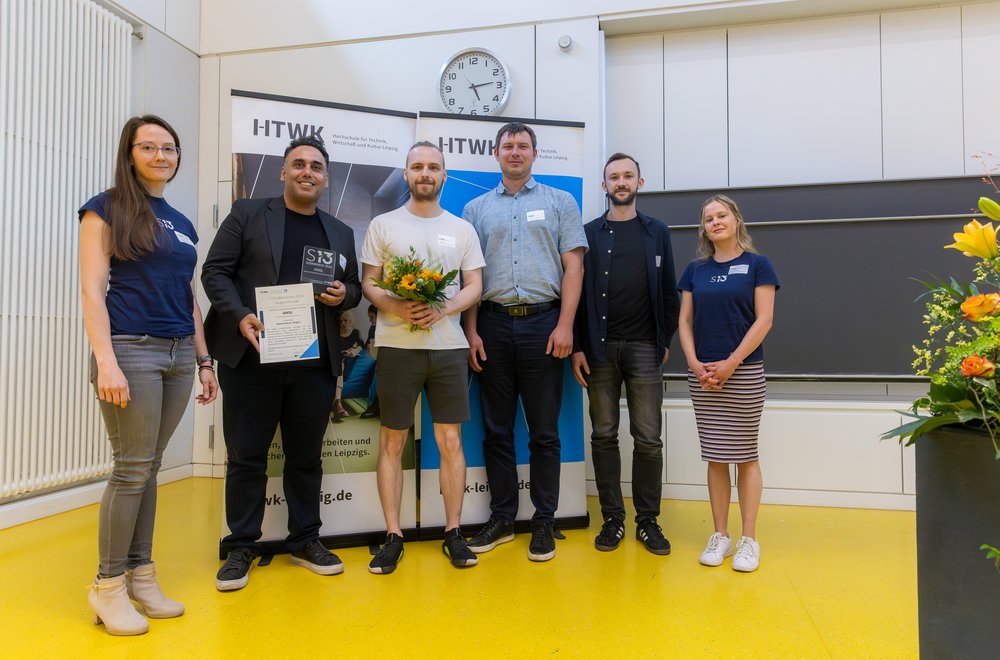
In addition to the presentation and official opening of the new AM³ laboratory, a number of award ceremonies took place as part of the ‘Research Meets …’ series: the HTWK Foundation presented the 2025 and 2026 Dissertation Awards for outstanding doctoral theses at HTWK Leipzig, the HTWK Start-up Advisory Service recognised innovative product ideas with the first Ideas Prize, and the Research Department announced the winning entries for 2025 in its ‘Research Perspectives’ photography competition.
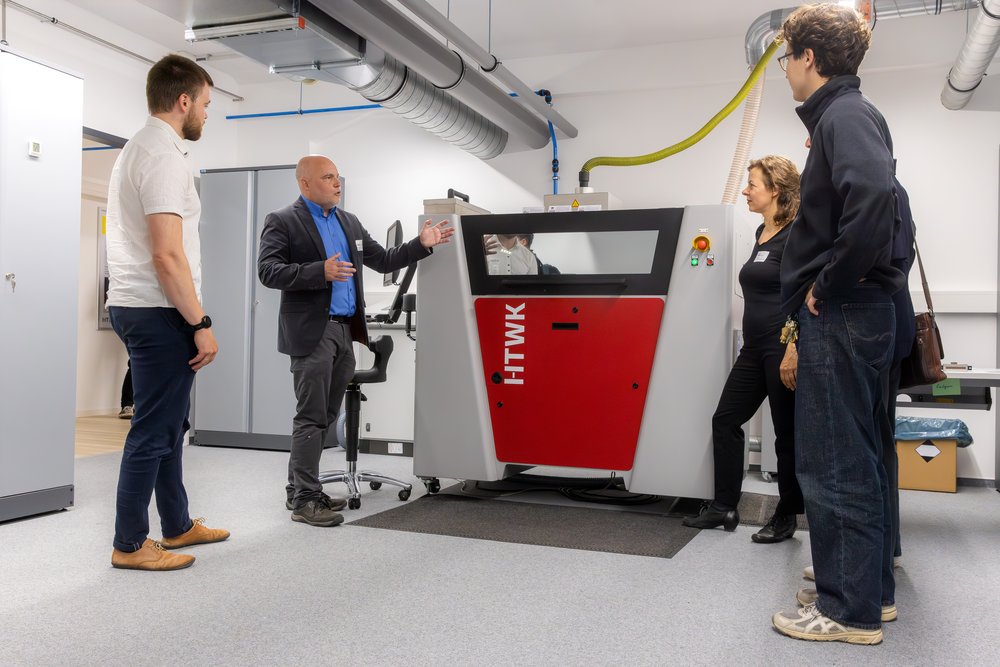
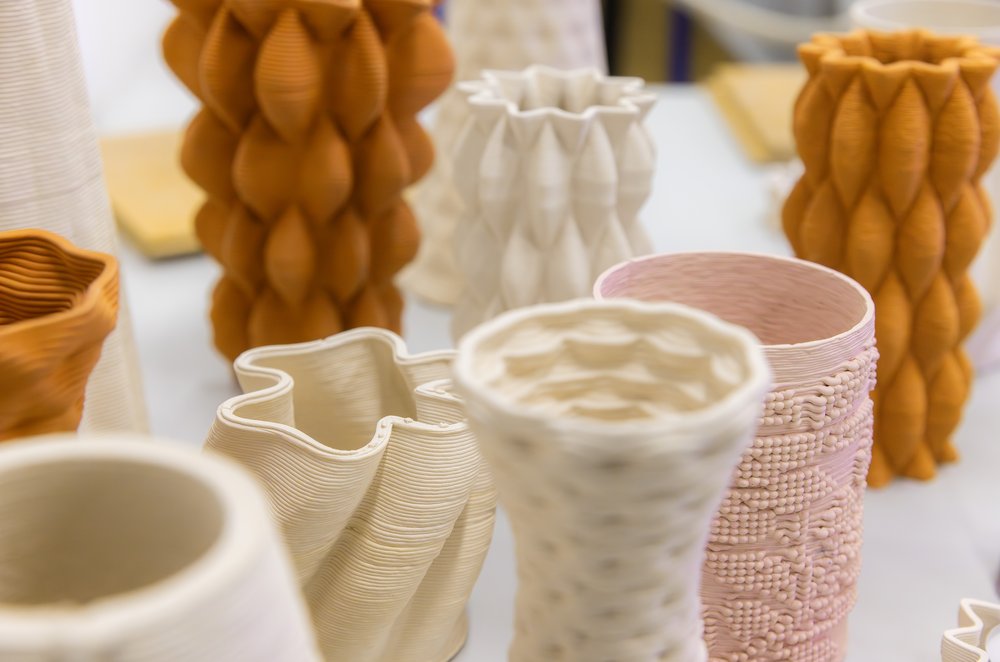
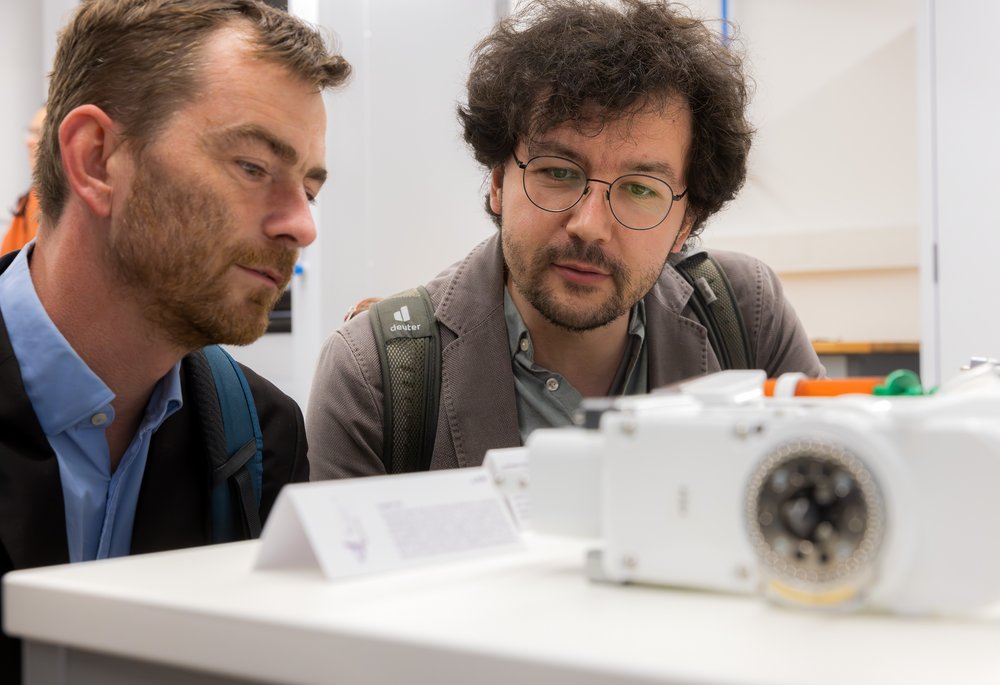
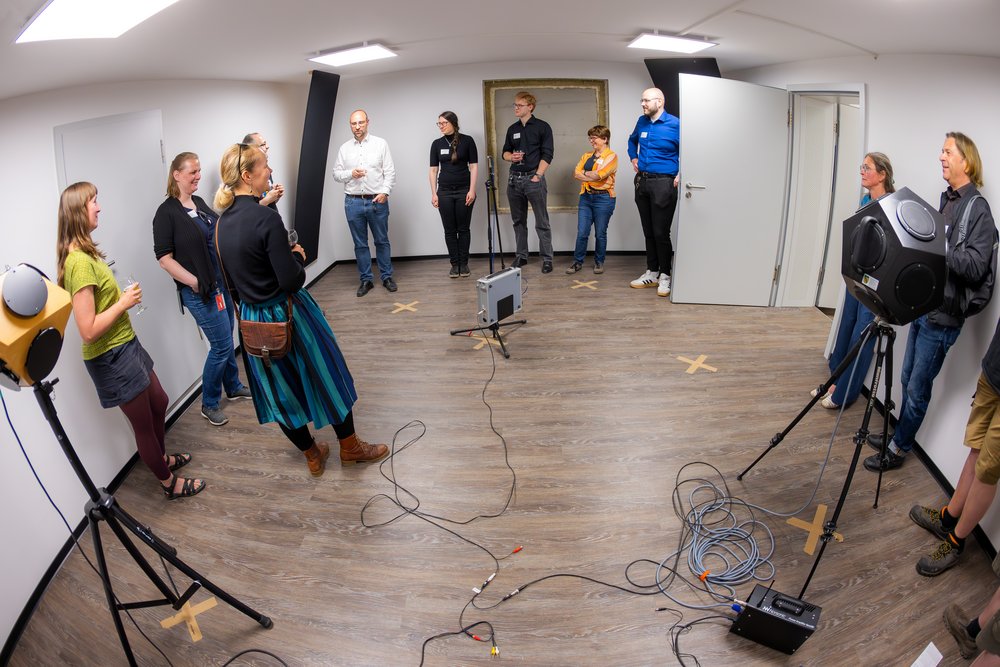
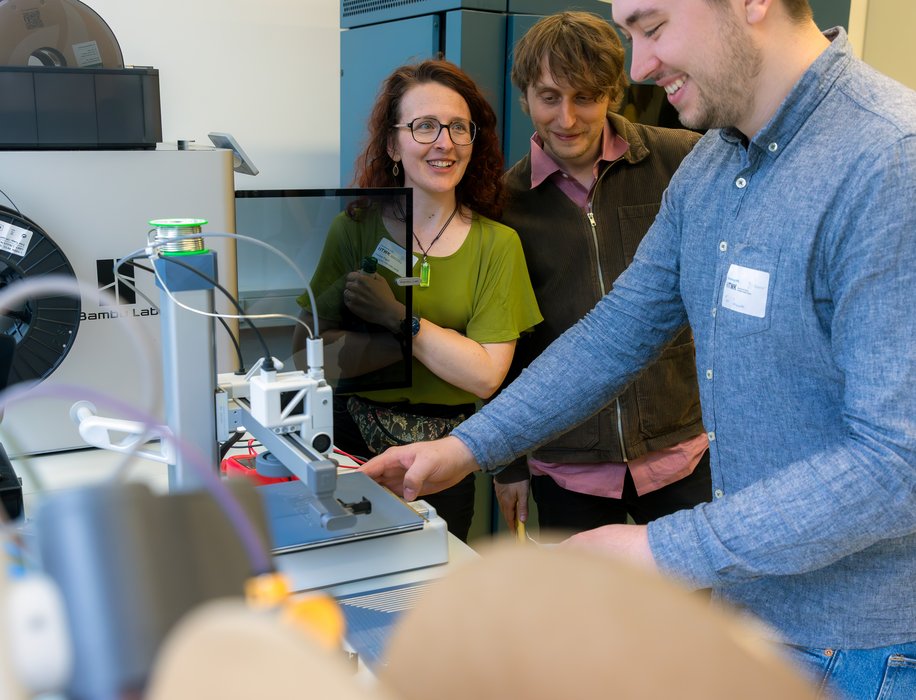
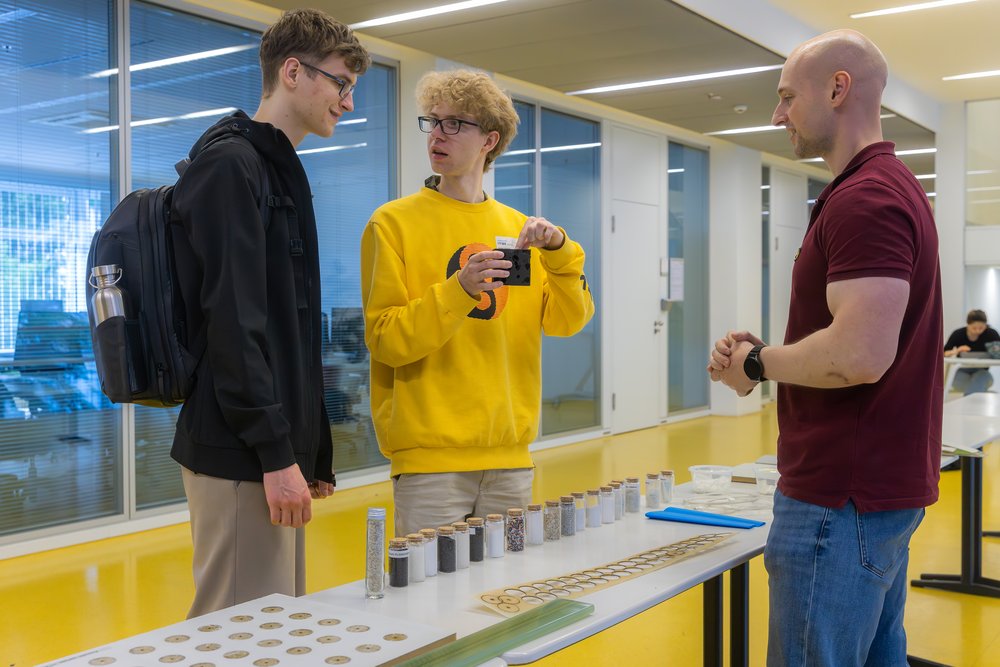
In addition, laboratory tours took place in various buildings across the central campus, offering insights into materials, analytics, process development and quality assurance for different AM processes. At the Gutenberg Building, there were guided laboratory tours on the topic of ‘2D and 3D Additive Manufacturing: Materials, Processes and Products’. Several laboratories were also open in the Nieper Building: researchers demonstrated, for example, how 3D printing affects lightweight construction, how it can revolutionise accordion-style construction, and what can be produced from various raw materials such as alumina. “At our stand, interested visitors were able to see how a digital model is transformed into a fired ceramic component,” said Monica Rossi-Schwarzenbeck, HTWK Professor of Structural Design and Energy-Efficient Construction. At the Liebknechtstraße research campus, guests marvelled not only at the new AM³ laboratory but also at the 3D-printed stainless steel joints produced by the Laser Institute at Mittweida University of Applied Sciences and the FLEX research group, live measurements in the acoustics laboratory of the Institute for Concrete Structures, and the printed robotic hands.
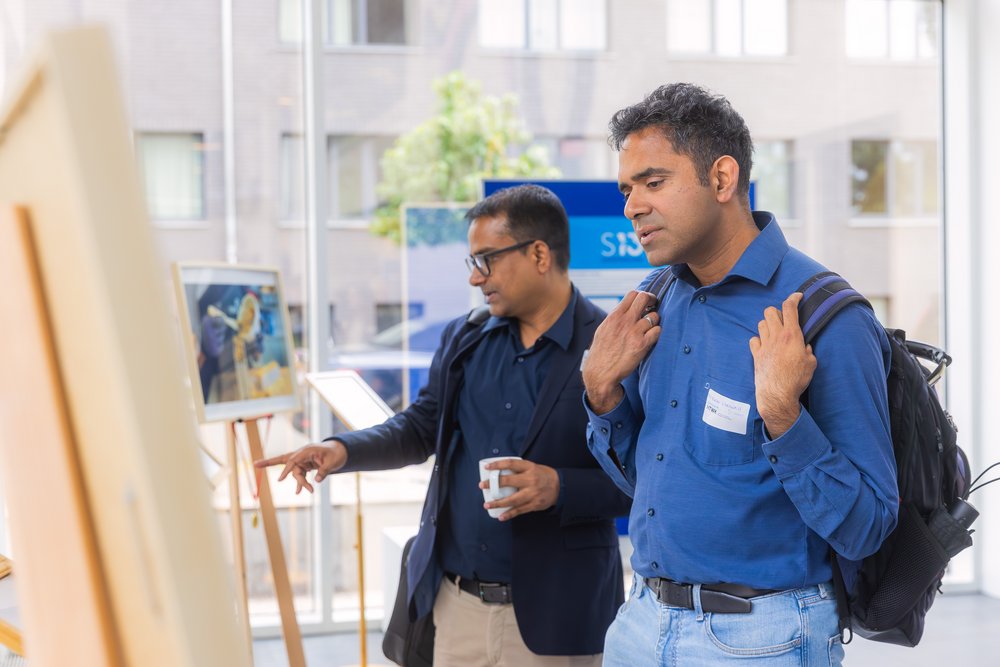
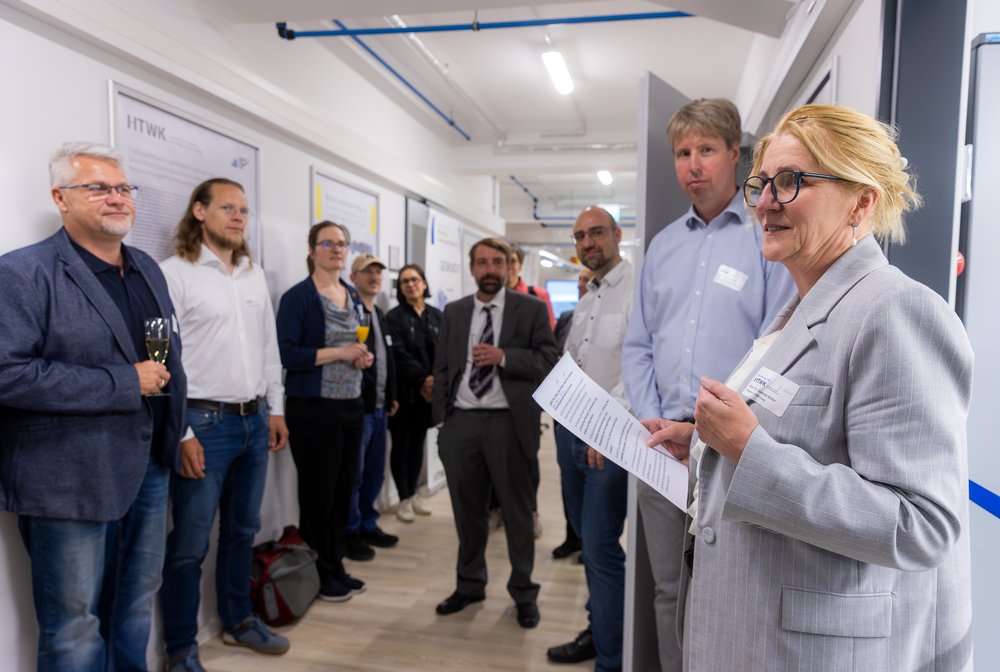
Photo highlights