
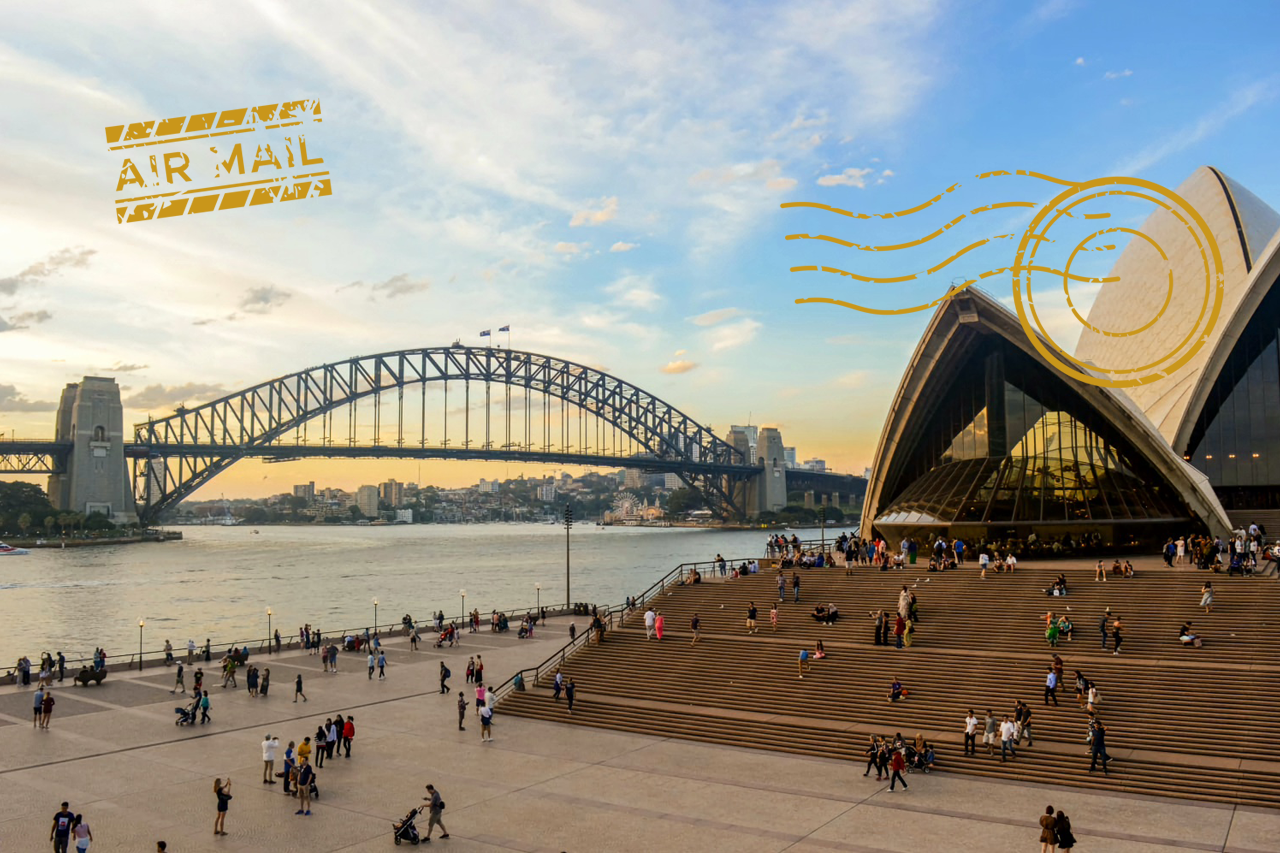
A first-hand account by Tim Mäbert
In the first half of 2023, I spent a semester studying at the University of Technology Sydney. Studying abroad for a semester had been a long-held dream of mine since I started university, and I finally made it a reality at the end of my Master’s degree. I can wholeheartedly recommend a semester abroad to everyone, as it helps you develop in so many different ways and provides experiences that will shape the rest of your life.
I organised my stay abroad as a freemover through the agency “GostraliaGomerica!”, which established contact with the host university and was always on hand to offer advice on the application and preparations. My decision to choose Sydney was ultimately based on a combination of my interest in both the city and the countryside, and the University of Technology Sydney, which was a very good fit for my field of study.
Teaching at the University of Technology Sydney is characterised above all by close student support and the excellent facilities in the laboratories and lecture halls. The examination system and grading differ from those in Germany, as the final mark is made up of various smaller assessments spread throughout the semester.
To ensure your credits are recognised, I recommend that you get in touch with the module coordinators at HTWK and your international affairs officer as soon as possible to draw up a ‘Learning Agreement before Mobility’. To ensure that your credits are recognised and that your semester abroad fits into your degree programme, you should also take another close look at your study and examination regulations.
The cost of living in Australia is, on average, higher than in Germany. However, you’ll very quickly realise why Sydney is one of the world’s most liveable cities. The city offers an exciting mix of a vibrant metropolis, multicultural encounters and a surfer lifestyle. As you can get absolutely anywhere from Sydney, there are also plenty of opportunities for interesting short trips around Australia during the ‘Study Vacation’ (a one-and-a-half-week break from studies), for example. For example, I visited Melbourne and Tasmania. The university also organises a surf camp for international students. Furthermore, UTS helps students to network and offers a wide range of support and assistance services.
All in all, my monthly living costs, including accommodation, food and activities, amounted to around €1,200. On top of that, there are flights, tuition fees and insurance. Tuition fees vary depending on the number of modules, and I’d recommend that everyone book their flights as soon as possible after receiving their offer.
There are various options for funding a study abroad programme: Firstly, you should apply as soon as possible for the HAW.International scholarship from the DAAD. This scholarship is specifically aimed at university students and covers the full cost of tuition, as well as very generous contributions towards living costs, flights and health insurance. Another excellent option is the PROMOS scholarship, which offers substantial financial support. If you are already receiving funding through a domestic scholarship, try to enquire with them as well to see if there are any grants available for your semester abroad. Also check whether you are eligible for the BAföG for study abroad, as the income thresholds for this are often higher than for the domestic BAföG. Furthermore, you have the option of working up to 20 hours a week alongside your studies in Australia. The hourly wage there is usually quite attractive and can help improve your financial situation. Personally, before my time abroad, I worked as a student trainee in Germany and saved money to fund my studies abroad. I was also lucky enough to receive additional support through the PROMOS scholarship.
One of the special features of my time studying abroad in Australia was the very international nature of UTS and, more generally, of life in Sydney. I got to know students and people from all over the world. The cultural exchange and the diverse perspectives made my time at university a very enriching experience. The Australians themselves were always extremely friendly and helpful, and you felt welcome everywhere. Australia is simply breathtakingly beautiful. The stunning natural scenery, the beaches and the unique wildlife make the country a truly special place. I can also put your fears about Australian wildlife to rest. With a little caution and awareness, you can enjoy Australia’s nature and wildlife without any problems – and you’ll actually be pleased when you do spot a spider.
If you’ve always wanted to spend a semester abroad, I’d advise you to give the idea some serious thought, draw up a plan and get the ball rolling. The best months of your life could be waiting for you.
Your contacts & information
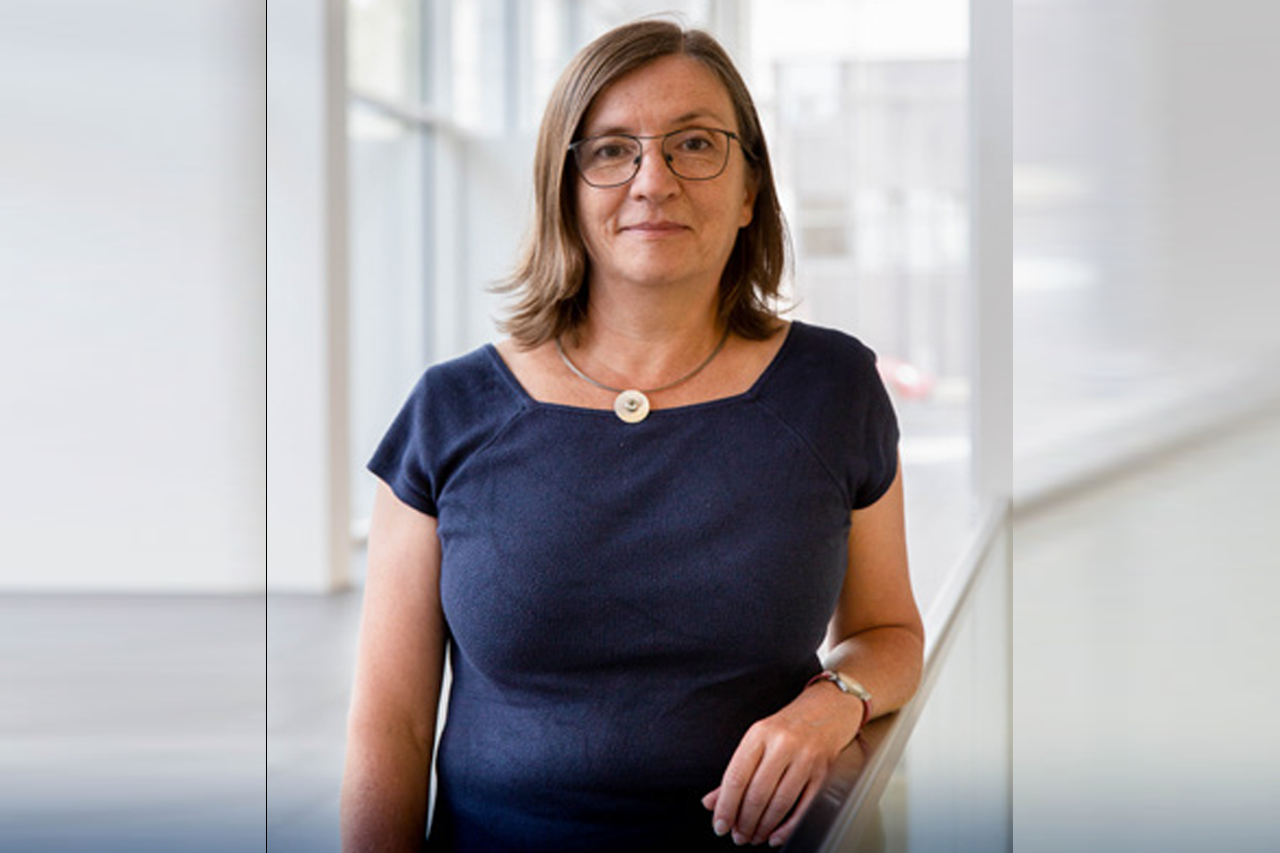
Prof. Dr.-Ing. Anke Bucher
Chair of Applied Mechanics
Institute
EMB | Institute for Development-Oriented Mechanical Engineering
Research Profile
Smart Energy & Environment
Telephone: +49 (0)341 3076 4224
Email: anke(dot)bucher(at)htwk-leipzig.de
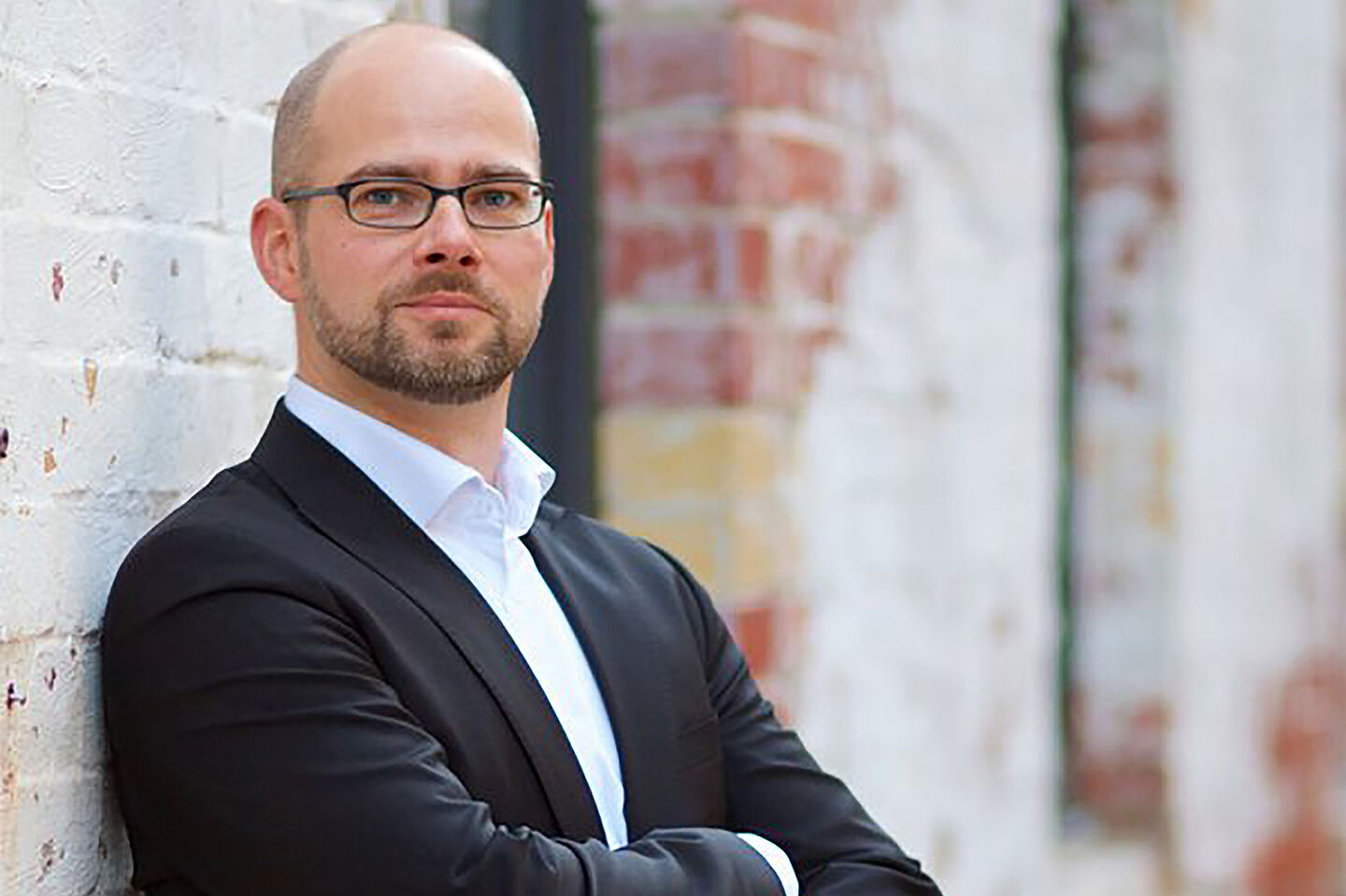
Prof. Dr.-Ing. Gerold Bausch
Chair of Embedded Systems and Signal Processing
Institute
EBIT | Institute for Electronics and Biomedical Information Technology
Research Profiles
Robotics, Control & AI
Sensors & Signals
Telephone: +49 (0)341 3076 3103
Email: gerold.bausch(at)htwk-leipzig.de
