
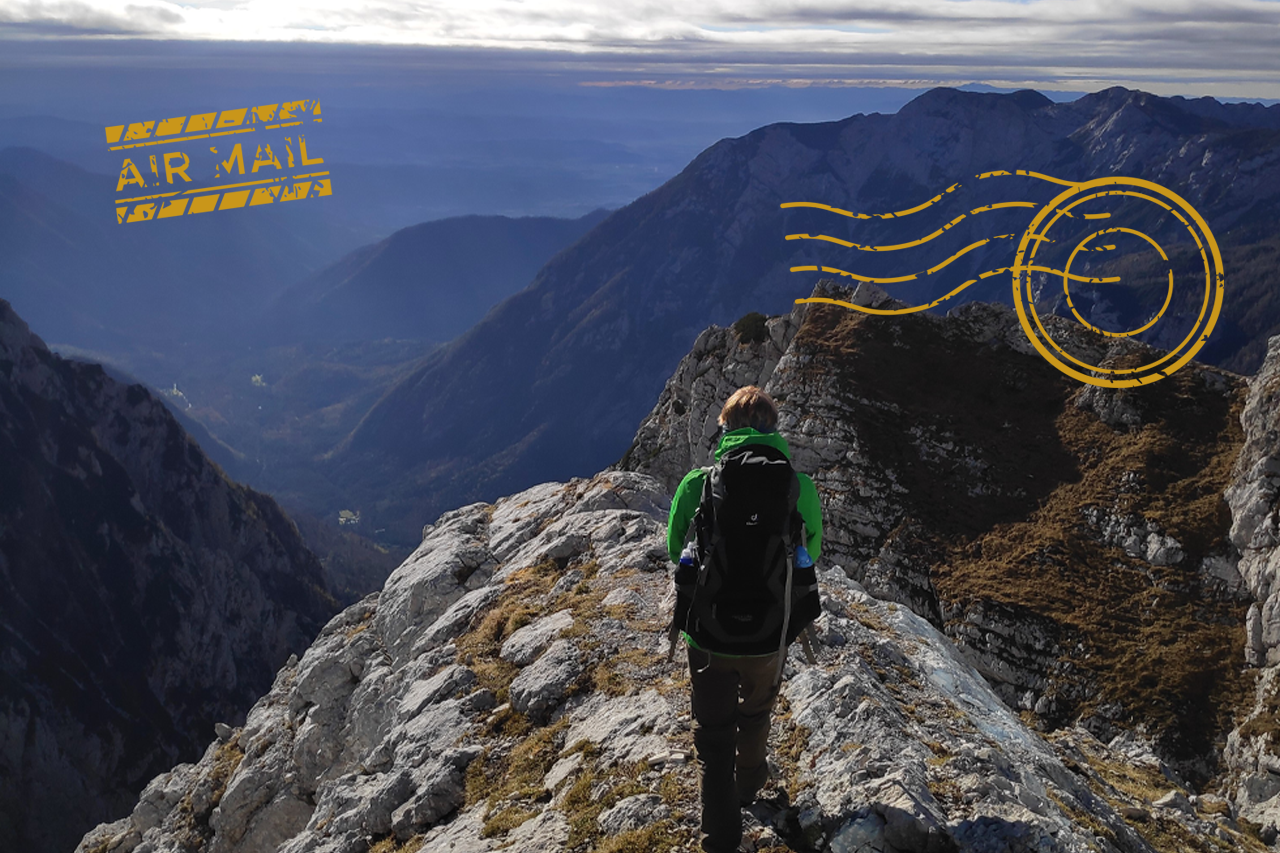
A first-hand account by Linus Hagel
A semester abroad is a wonderful time, offering so much potential and so many opportunities for personal development, gaining experience and building an international network. It is an immersive experience of another country, a new daily routine and an incredible number of lovely people. I have never once regretted acting on the spontaneous idea of spending time abroad whilst studying. As a student in particular, it’s especially easy to immerse yourself and settle in, because you’re part of a group of like-minded people.
Before arriving in Slovenia, the University of Ljubljana organised a large online meeting which provided general answers to all the important questions. Before the start of the semester, the Faculty of Electrical Engineering then familiarised us international students with the university- and faculty-specific administrative tools and cleared up any remaining uncertainties. Everything else was then explained individually by the professors during the first lectures. If we had any further questions, we could contact the international students’ representative or the professors and lecturers at any time. All the modules I took in Slovenia were taught in English. Some were attended only by international students, whilst others were also attended by Slovenian students. The modules consisted of a lecture component and laboratory work. The latter took place weekly and, depending on the module, was similar to a seminar at the HTWK or a mixture of a seminar and a laboratory experiment. For example, in the ‘Autonomous Mobile Systems’ module, the algorithms we’d learnt were directly implemented and tested on a robot during the laboratory sessions. This, combined with the weekly practical application, quickly led to a very comprehensive understanding.
Life in Ljubljana and Slovenia is very pleasant, especially for students. There’s a very affordable bike-hire scheme (€5 a year!) and an incredibly varied meal scheme called Boni, which allows you to get a salad, a soup and a main course at any participating restaurant up to twice a day for a maximum of €5.50. There are also plenty of other opportunities for international students: all sorts of groups on various messaging apps for networking, day trips and weekend getaways, parties, sports activities… What’s more, every weekend in Slovenia, bus fares across the whole country are 70 per cent cheaper – perfect for a trip to the Mediterranean or the Alps.
During my stay, I lived in a student hall of residence. I can highly recommend this, as it’s the cheapest way to find accommodation and you get to know lots of people straight away. However, you do have to share your room with one other person. Three people share the kitchen and bathroom. But that wasn’t a problem for me. We always managed to work things out somehow. Otherwise, you can look for a flat share or something similar. Whichever option you choose, you should sort it out well in advance, as accommodation is scarce in Ljubljana.
In conclusion, I can only say that studying abroad in Slovenia was an absolutely enriching experience for me. I can’t recommend it highly enough to everyone. It’s well worth it and such a valuable experience.
Your contacts & information
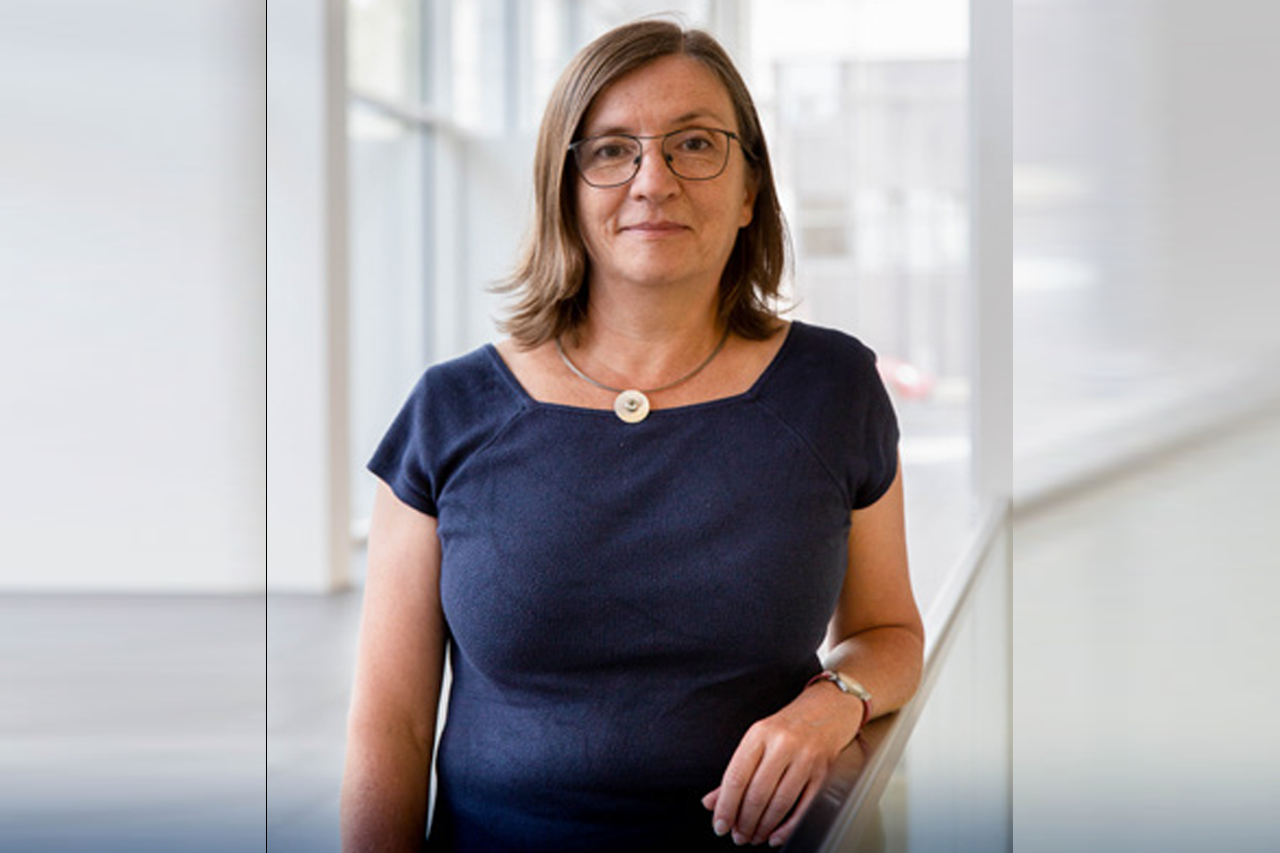
Prof. Dr.-Ing. Anke Bucher
Chair of Applied Mechanics
Institute
EMB | Institute for Development-Oriented Mechanical Engineering
Research Profile
Smart Energy & Environment
Telephone: +49 (0)341 3076 4224
Email: anke(dot)bucher(at)htwk-leipzig.de
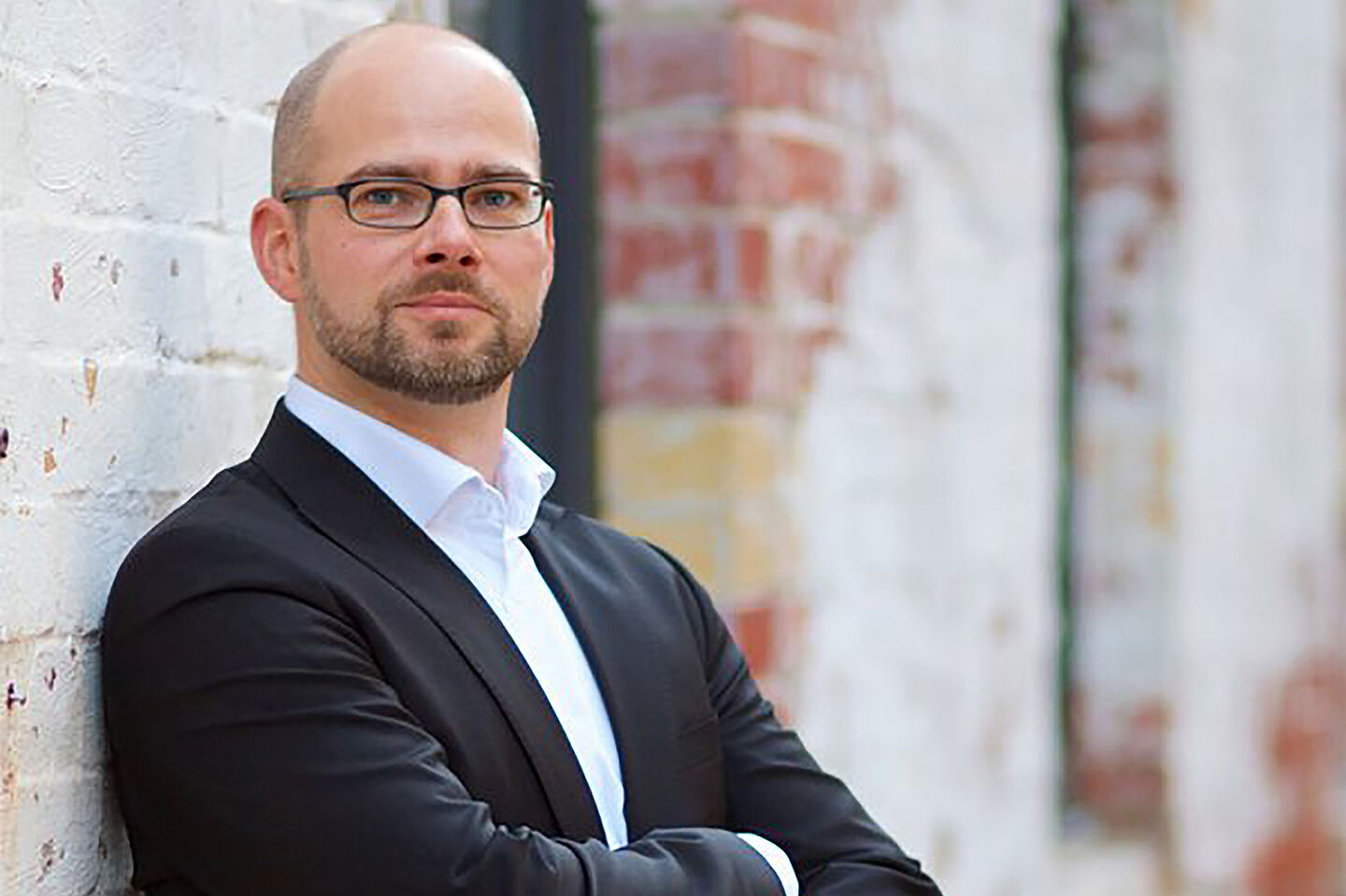
Prof. Dr.-Ing. Gerold Bausch
Chair of Embedded Systems and Signal Processing
Institute
EBIT | Institute for Electronics and Biomedical Information Technology
Research Profiles
Robotics, Control & AI
Sensors & Signals
Telephone: +49 (0)341 3076 3103
Email: gerold.bausch(at)htwk-leipzig.de
