

Key areas of research and development
- Sensor technology and signal processing for measuring vital signs in cases of severe movement disorders
- Real-time heart rate measurement in swimmers
- Digital methods for ultrasonic time-of-flight difference measurement
- Bioimpedance analysis
Team
- M.Sc. Sebastian Maaß (PhD student)
- Michael Wallenta, MEng
Prof. Dr.-Ing. Matthias Laukner
Chair of Electromedical Engineering & Fundamentals of Electrical Engineering
Institute
EBIT | Institute for Electronics and Biomedical Information Technology
Research Profile
Sensors & Signals
Telephone: +49 (0)341 3076 1173
Email: matthias(dot)laukner(at)htwk-leipzig.de
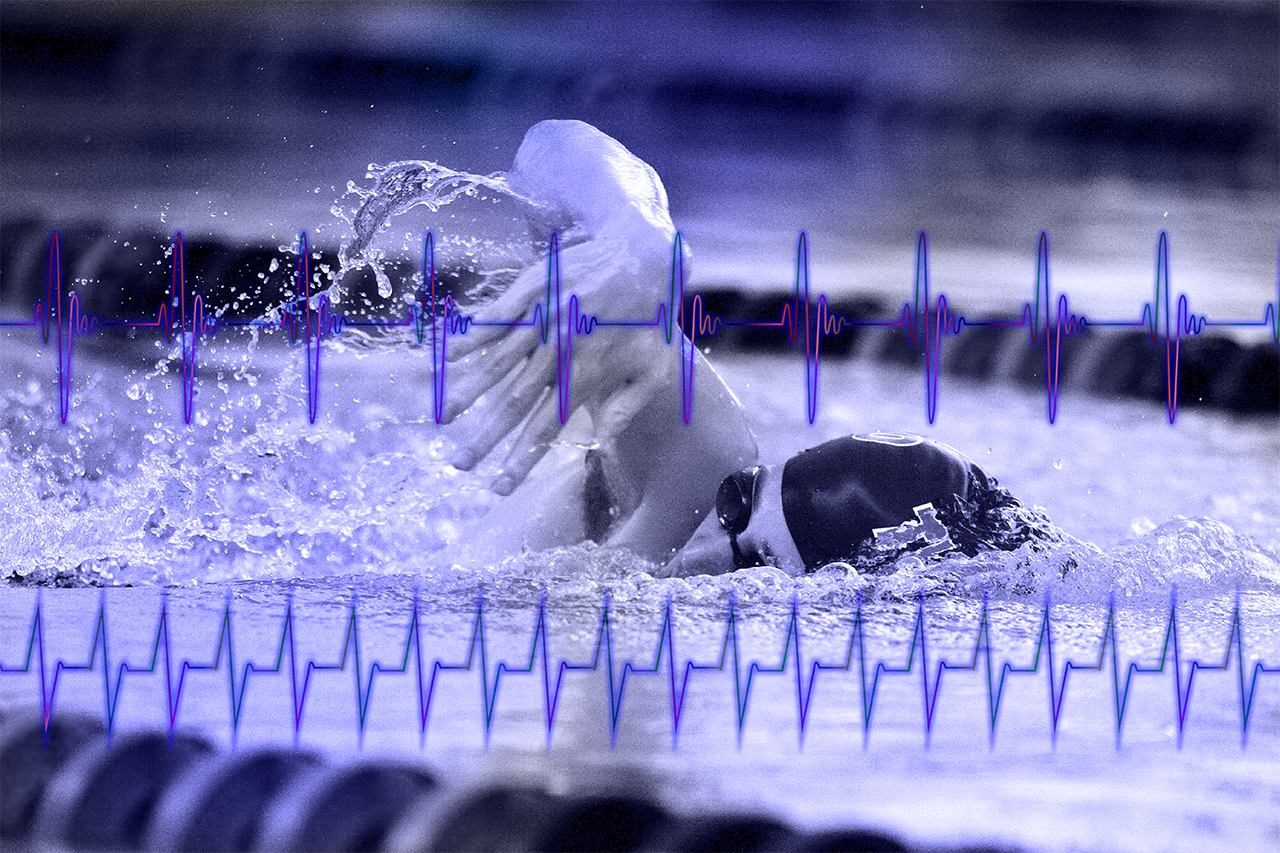
Real-time ECG monitoring in swimmers
Research is being conducted into systems and methods that enable an electrocardiogram and a noise-correlated reference signal to be transmitted to an analysis computer whilst swimming, in order to determine the swimmer’s heart rate and heart rate variability in real time with a high degree of accuracy.
Cooperation partner: CORTEX Biophysik GmbH, Prof. Dr.-Ing. Marco Krondorf
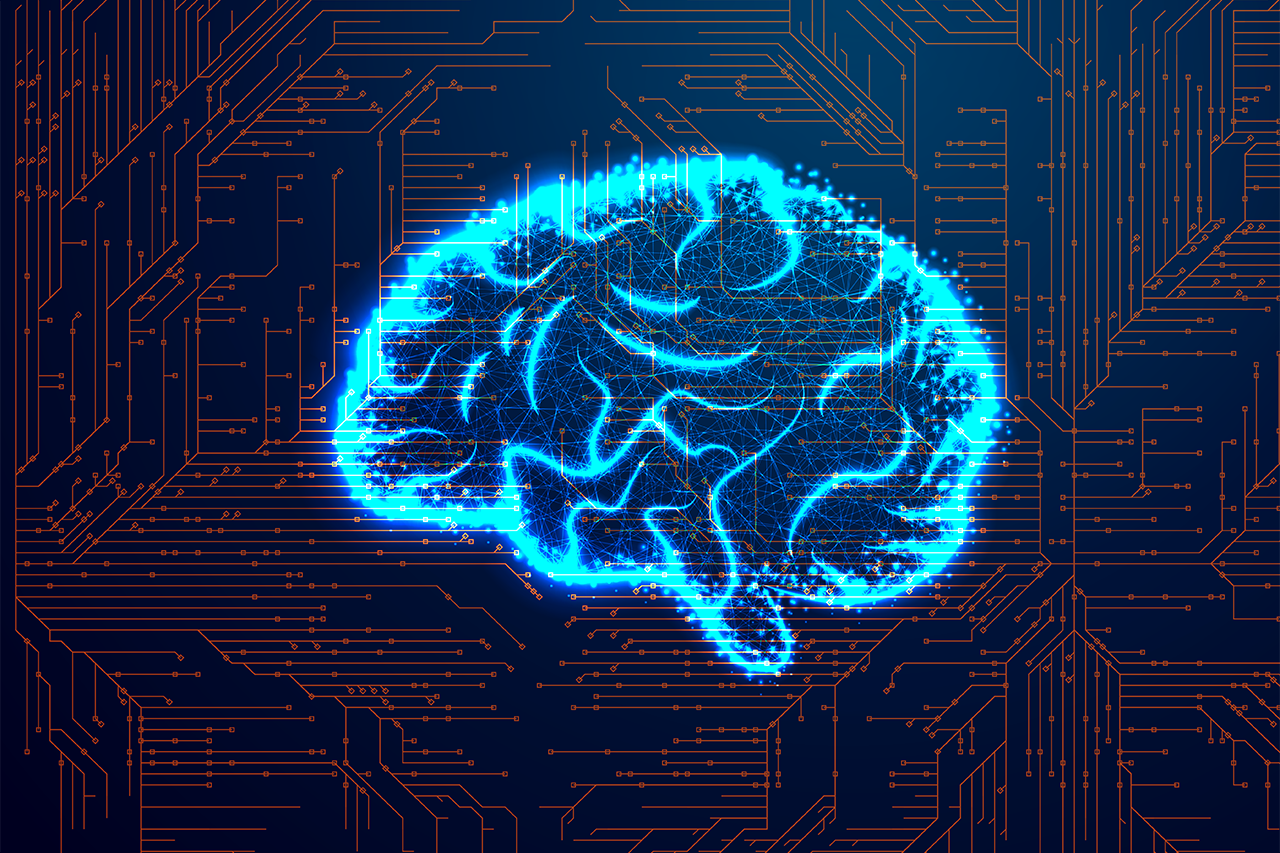
Brain impedance measurement
Intraoperative impedance spectroscopy measurement of the complex conductivity of brain tissue
Research is being conducted into measurement systems and analysis methods that enable both the conductivity and permittivity of brain tissue to be measured with high accuracy during surgery.
Collaborating partners: Max Planck Institute for Human Cognitive and Brain Sciences, Leipzig; Institute for Bioprocess and Analytical Measurement Technology (IBAM), Heiligenstadt; University of Leipzig; Technical University of Ilmenau; Sciospec Scientific Instruments GmbH
Publication: “A four-point measurement probe for brain tissue conductivity and permittivity characterisation”
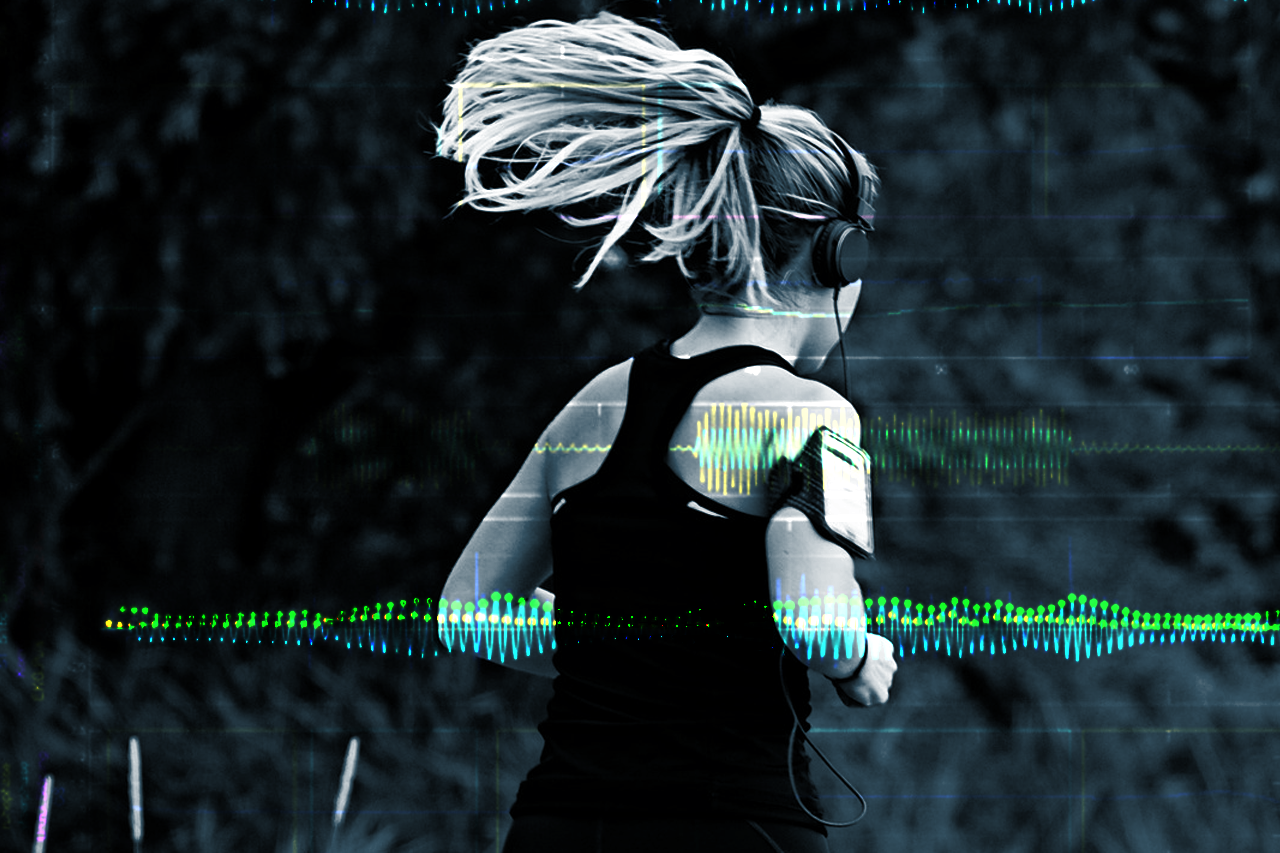
Heart rate monitor
Optical heart rate sensor with wireless interface and adaptive motion interference suppression
Research is being conducted into how an optical heart rate sensor must be designed to minimise the effects of significant movement as effectively as possible. In addition to sensor design, research into new digital signal processing techniques plays a particularly important role. The aim is to determine the beat-to-beat heart rate of athletes engaged in vigorous exercise with a high degree of accuracy and to display it in real time on an analysis computer.
Cooperation partner: CORTEX Biophysik GmbH
Ultrasonic flow measurement
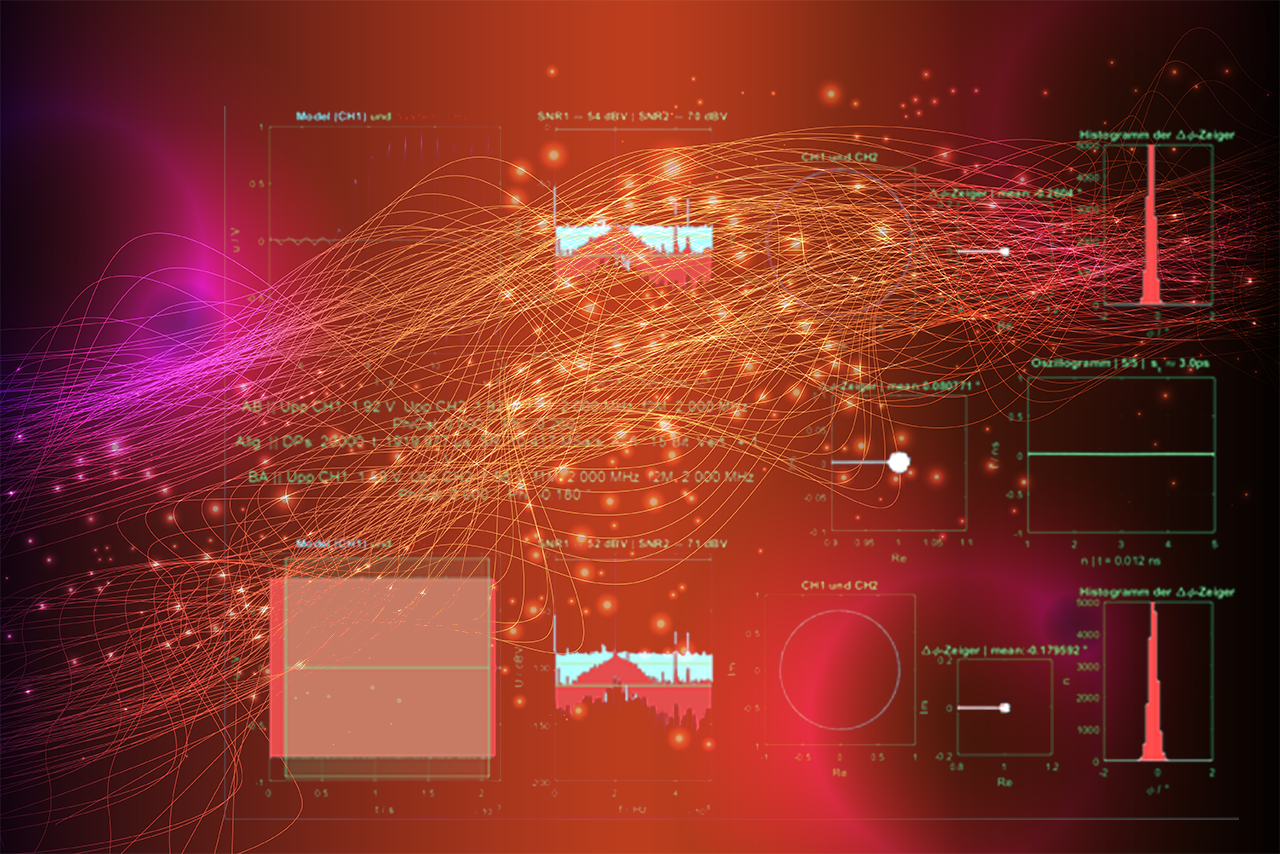
Ultrasonic flow measurement of very low flow rates using the digital time-of-flight difference method
The precise, non-invasive measurement of minute flow rates in flexible tubing presents a major challenge in ultrasonic measurement technology. Research is being conducted into methods that enable the high-precision determination of time-of-flight differences in the picosecond range based on digital analytical signals.
Collaboration partners: SONOTEC GmbH, Hegewald Medizinprodukte GmbH
Publication: “Ultrasonic Time Delay Difference Estimation With Analytic Signals and a Model System”
