Overseas trip leads to the expansion of opportunities for collaboration in architecture and applied computer science
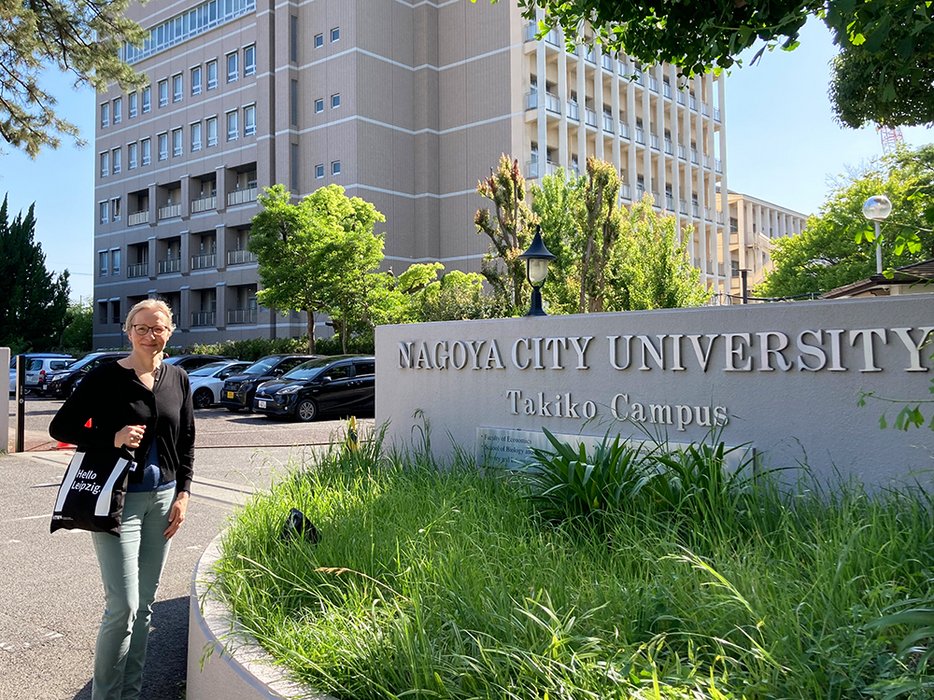
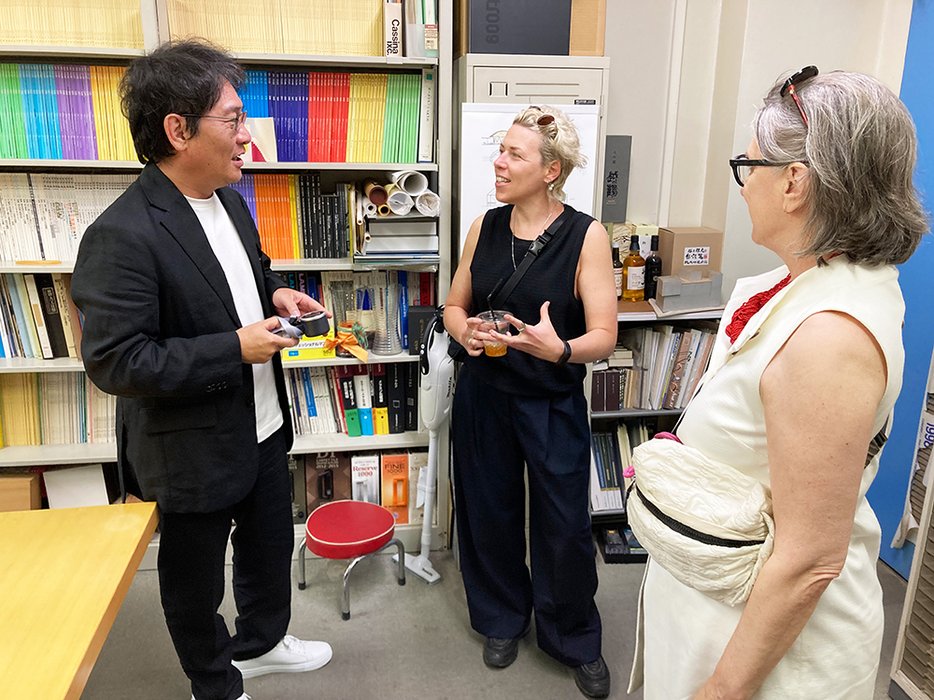
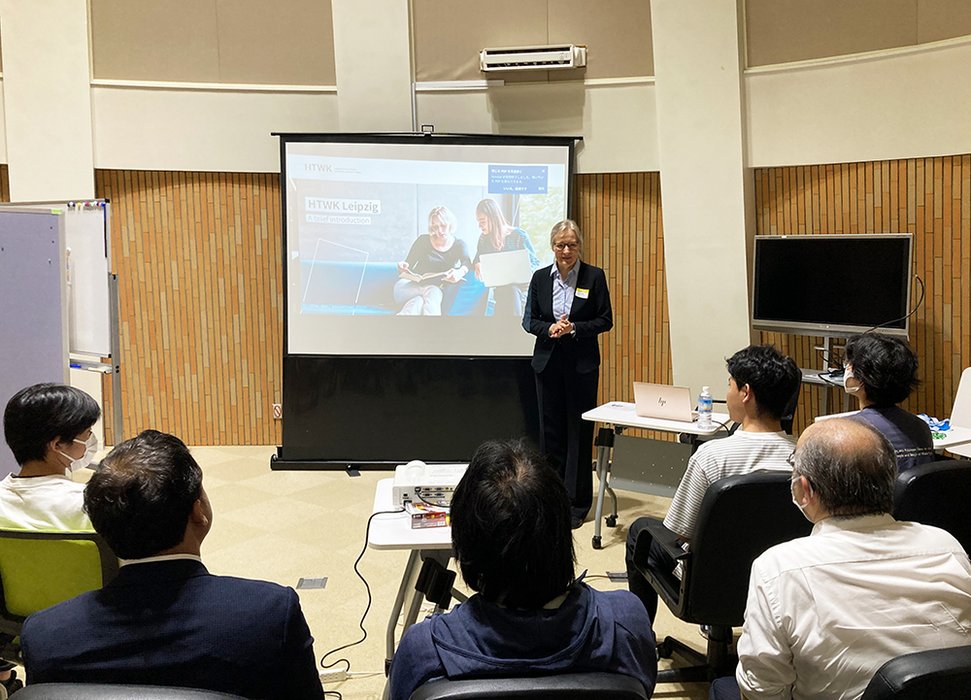
In May and June 2026, representatives from HTWK Leipzig visited partner universities in Japan to consolidate their long-standing ties with Nagoya City University, establish new links with the Tokyo Institute of Science, and forge a new partnership with Suwa University of Science (SUS) in Chino, Nagano Prefecture. Whilst the visits to Nagoya and Tokyo centred on the interests of the Architecture department, the exchange with partners at SUS focused on identifying specific new areas for cooperation in the field of computer science.
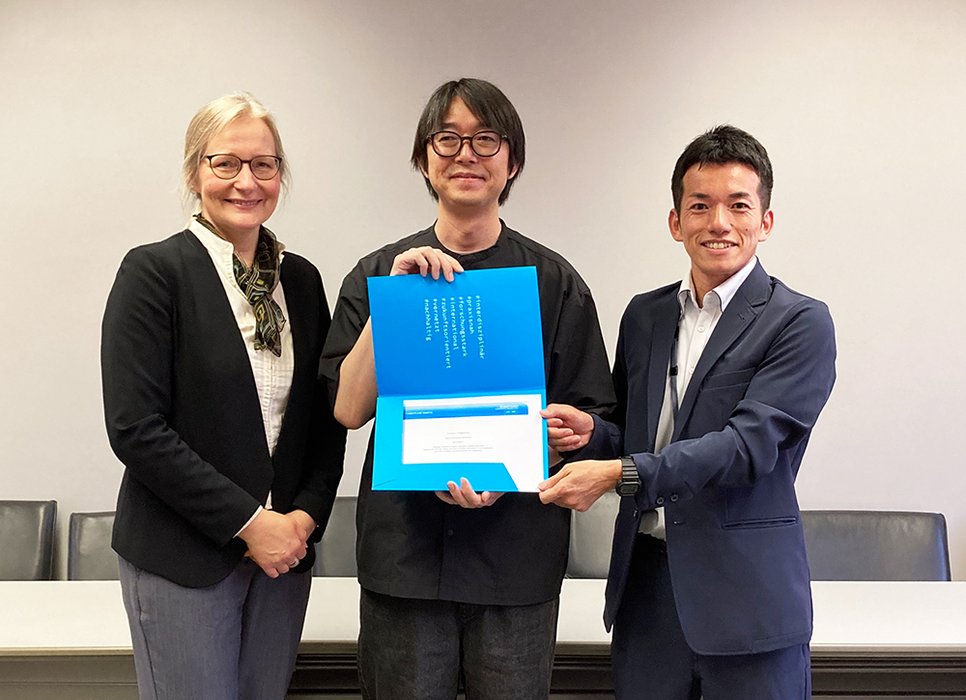
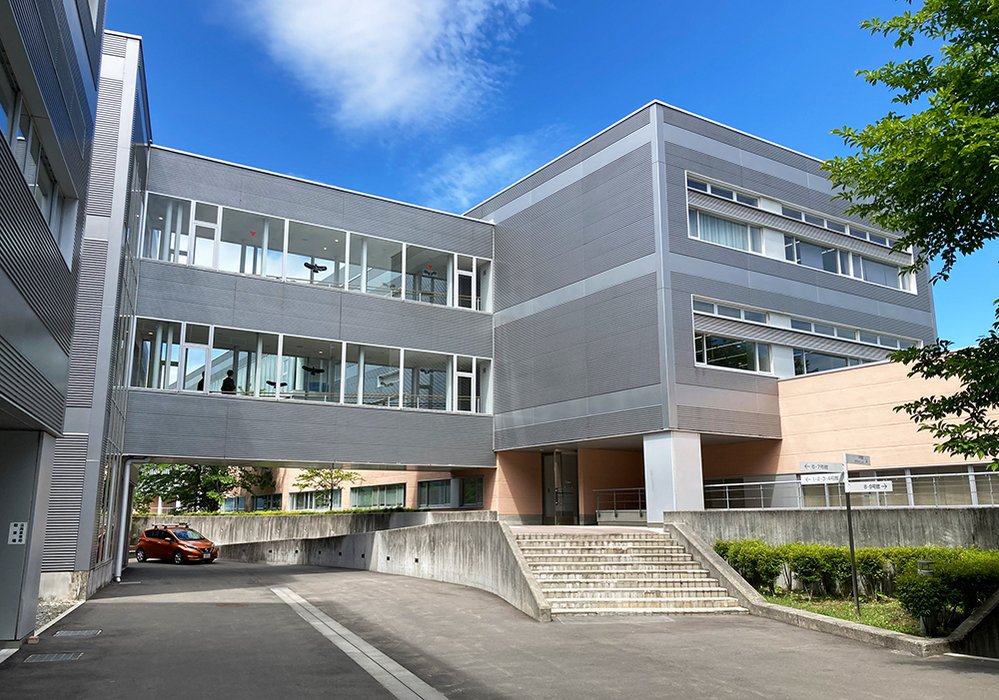
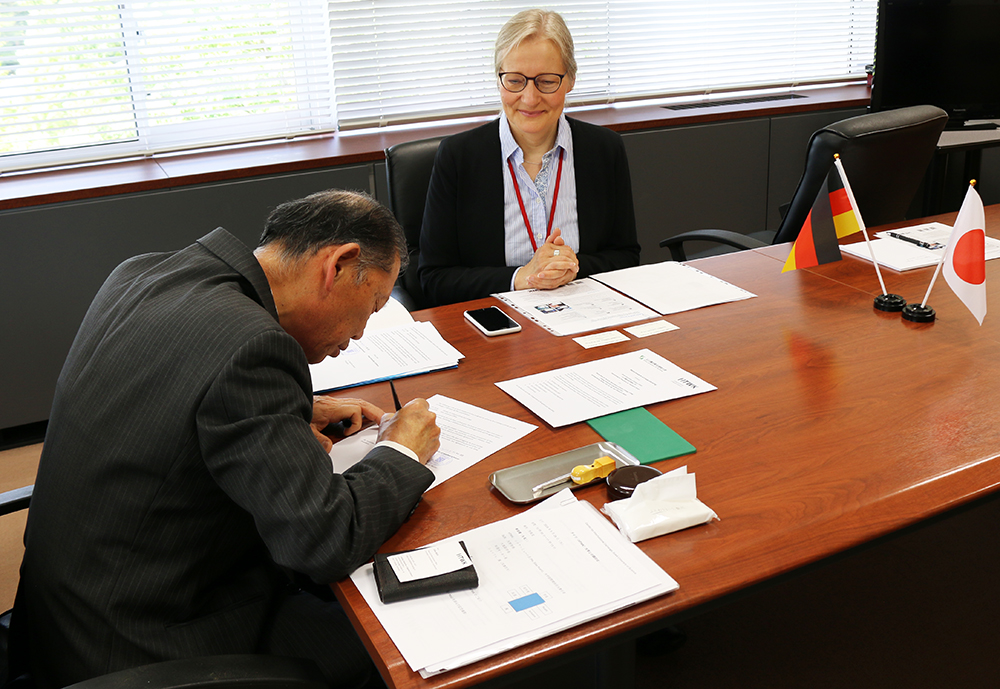
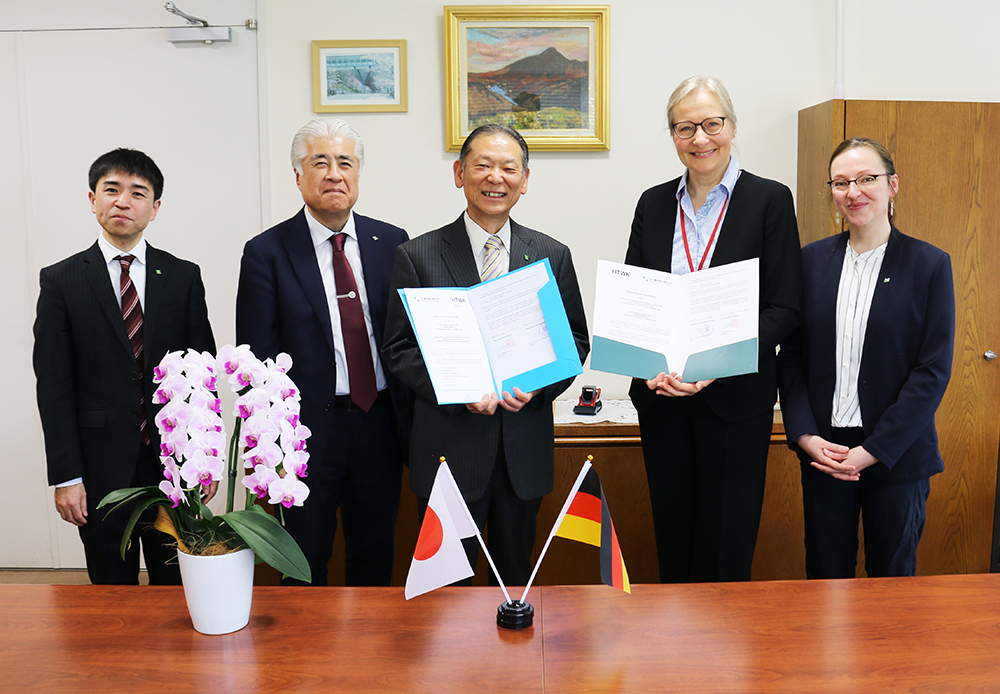
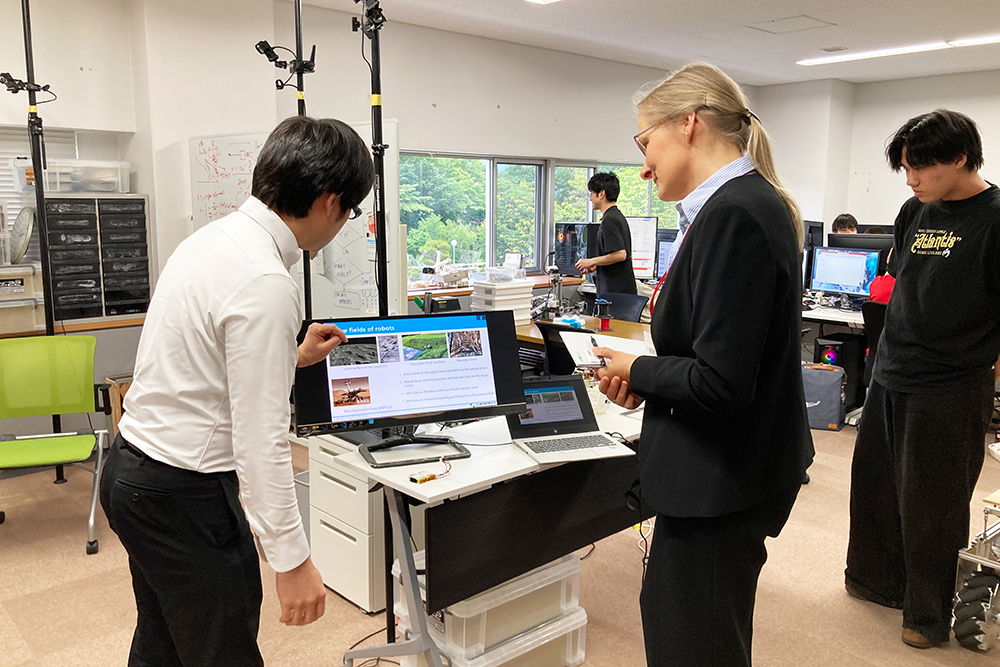
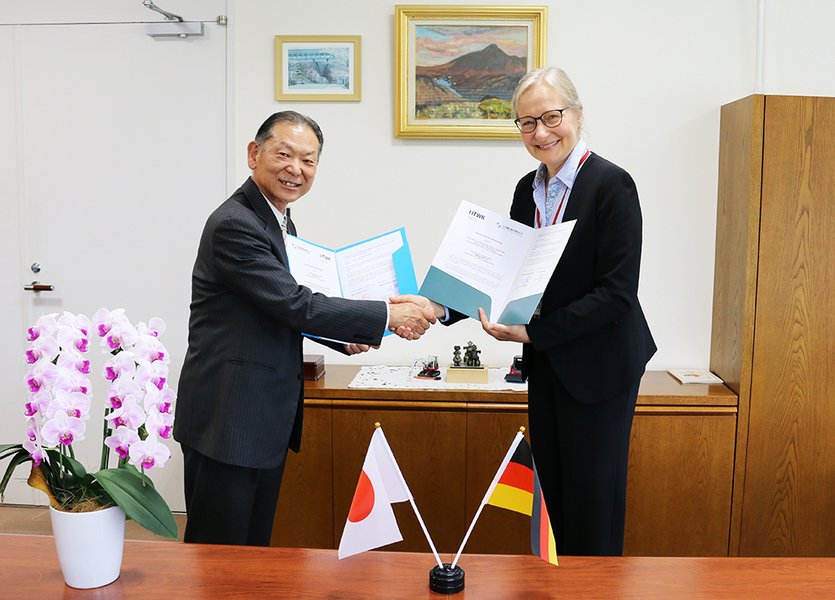
HTWK Leipzig and Suwa University of Science signed a Memorandum of Understanding and, with this now more binding framework for cooperation in the coming years, intend to establish closer collaboration, initially in the fields of applied AI, robotics, and virtual and augmented reality. Plans include staff exchanges, joint research initiatives and collaboration between academics, which will also facilitate student exchanges, initially through laboratory placements.
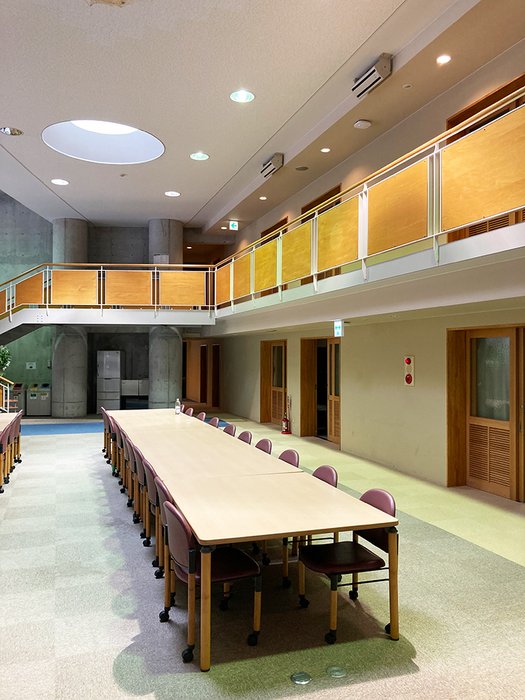
Professor Andreas Both (Faculty of Computer Science and Media), who is helping to shape the academic aspects of the proposed cooperation with SUS from Leipzig, sees great potential in the new partnership: “Our profiles in applied artificial intelligence complement each other perfectly. Whilst our faculty has a strong track record of research success in making intelligent systems accessible and effectively usable for people, SUS brings a very intensive focus on specialised robotics to the partnership, for example in the field of agricultural robots. This application-specific hardware expertise from Japan offers fantastic new testing grounds for our AI research and, at the same time, can be excellently integrated with the existing interdisciplinary robotics activities of our engineering faculties at HTWK.” Silke Mühl from the International Office adds: “Both universities take a similar approach to application-oriented teaching and research, which provides ideal conditions for future collaboration. The signing of the cooperation agreement opens up further benefits, such as the currently free accommodation for HTWK students in the university’s own seminar house, located directly on the campus in Chino.”
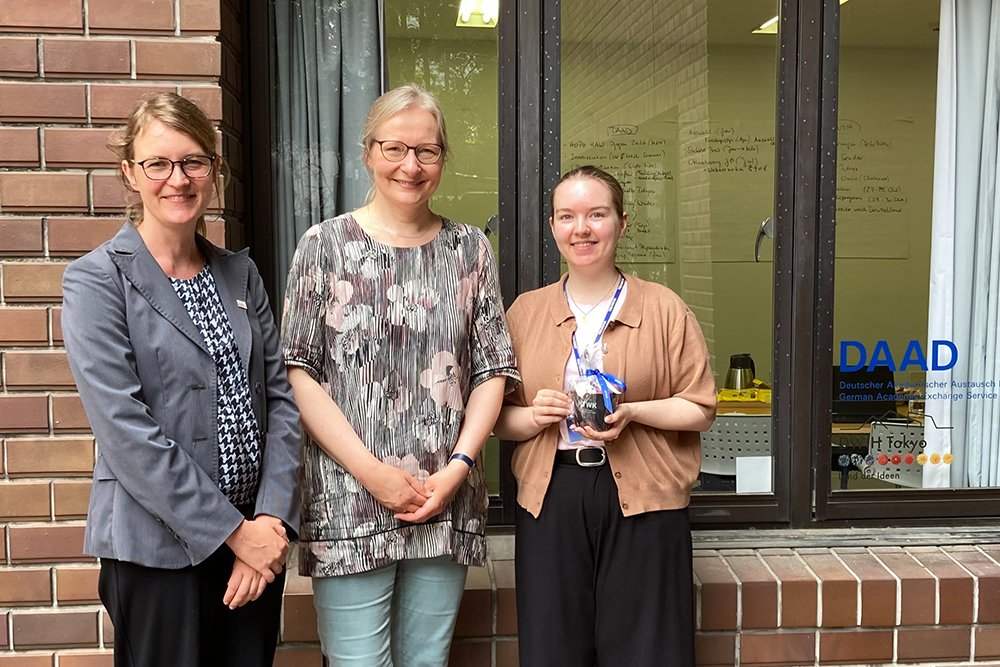
The DAAD, which was part of the visit programme and supports German-Japanese networking and cooperation in Tokyo through a branch office and the German House of Science and Innovation in Tokyo, also provided valuable impetus and ideas for further collaboration with the Japanese partners.
Highlights of the trip