At the 2nd Leipzig Geotechnical Symposium held at HTWK Leipzig, experts discussed the ‘Digital Future in Geotechnical Engineering’ – A review
Geotechnical engineering is still undergoing digital transformation. The use of BIM and digital twins in geotechnical engineering is being actively promoted within the sector, and AI applications are increasingly finding their way into everyday practice. At the 2nd Leipzig Geotechnical Symposium (LeiGS) held at HTWK Leipzig, experts discussed how digitalisation is changing geotechnical engineering and what benefits it offers.
“The collection of data and its targeted processing form the essential basis for its effective use – whether on-site or in the laboratory. Through the symposium’s thematic focus, we therefore sought to demonstrate the potential offered by digitalisation and modern methods of data processing,” said Ralf Thiele, Professor of Soil Mechanics, Foundation Engineering, Rock and Tunnel Engineering, and Head of the Institute of Geotechnical Engineering at HTWK Leipzig.
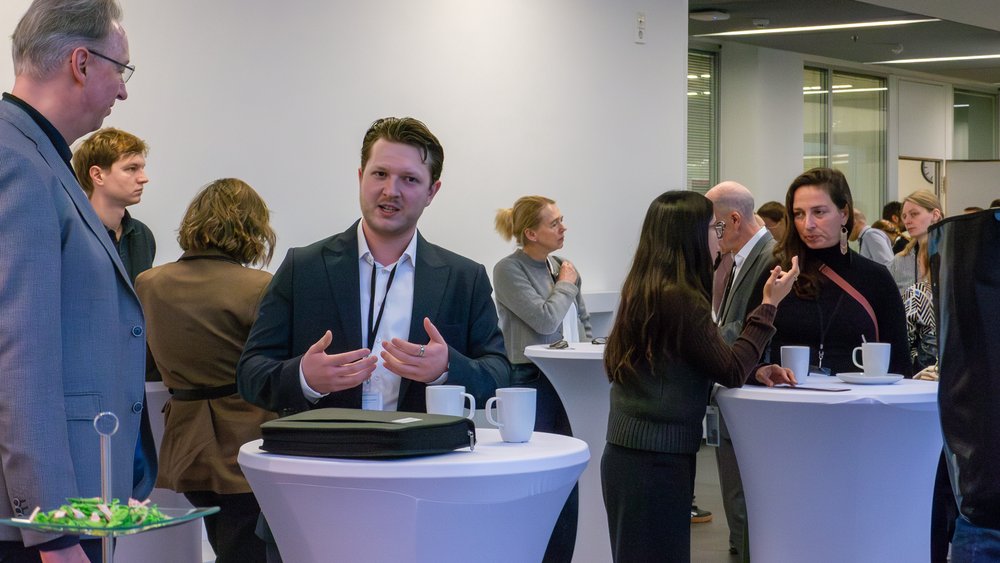
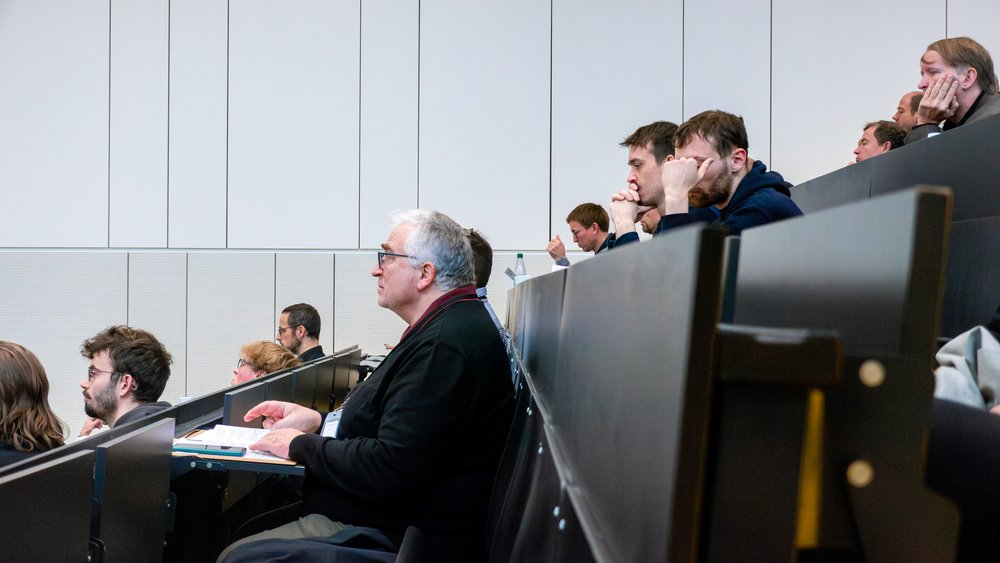
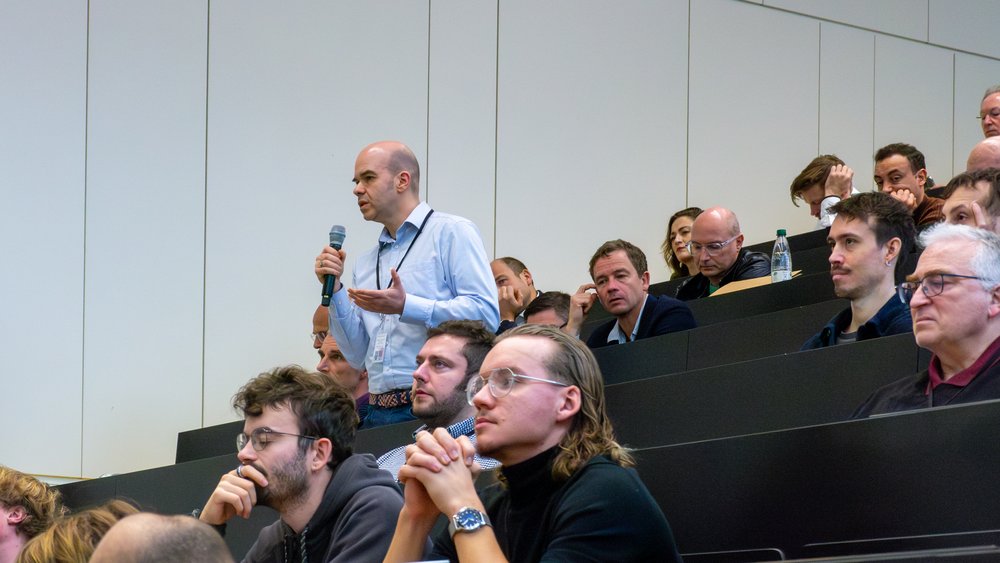
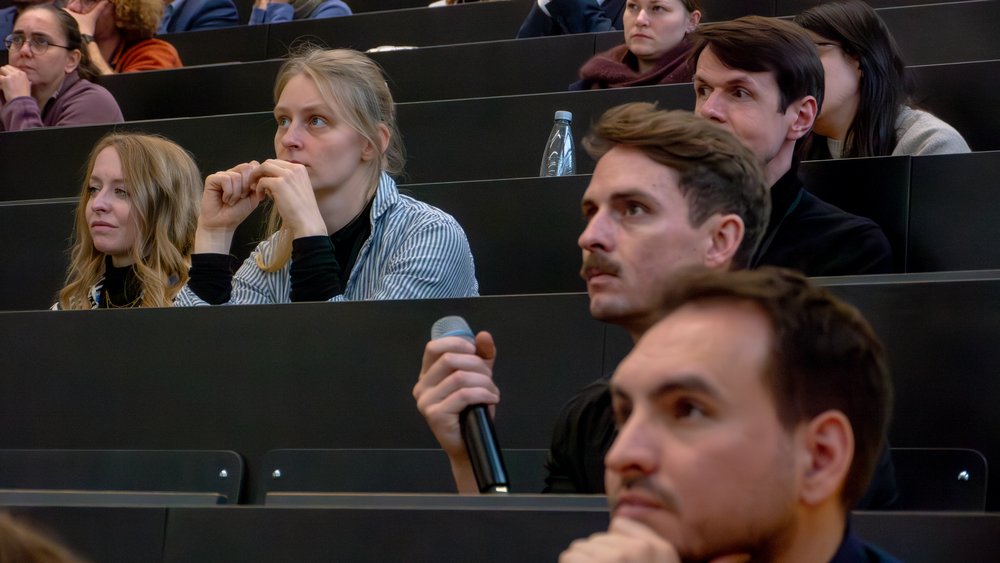
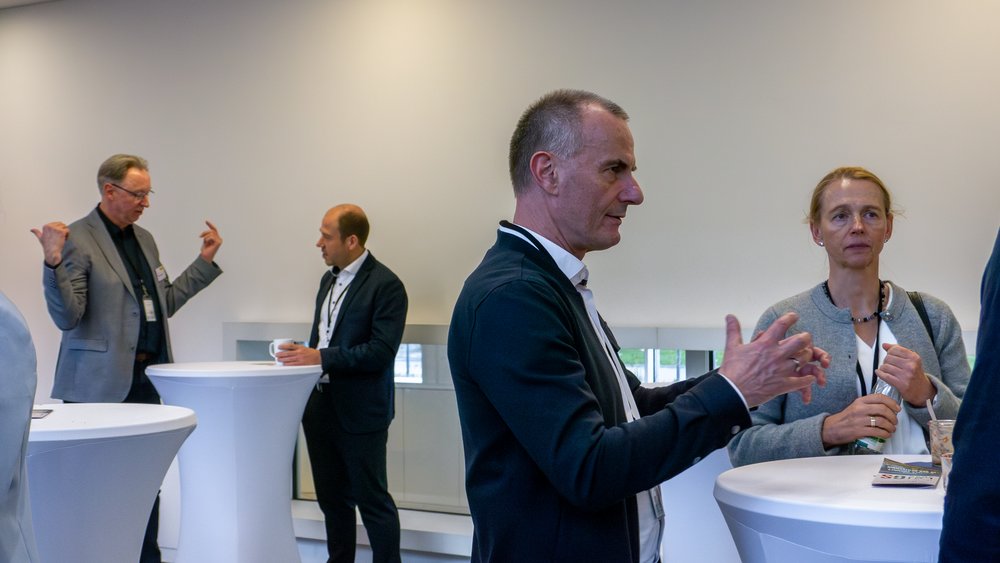
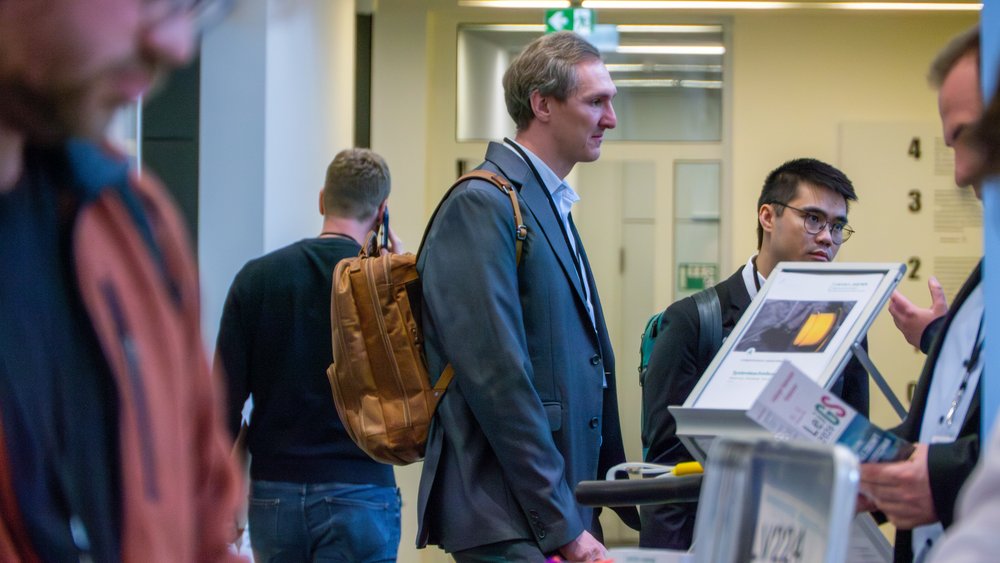
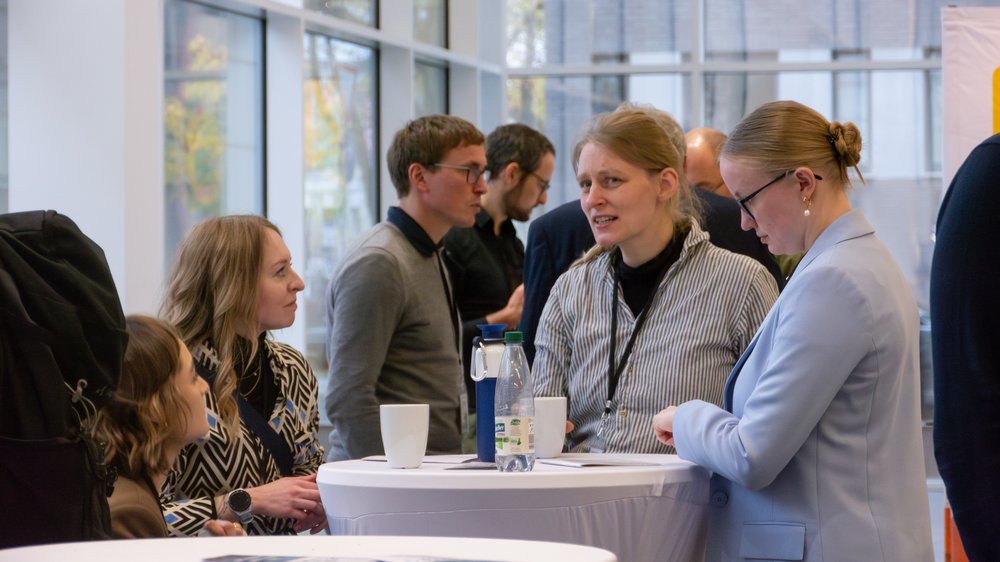
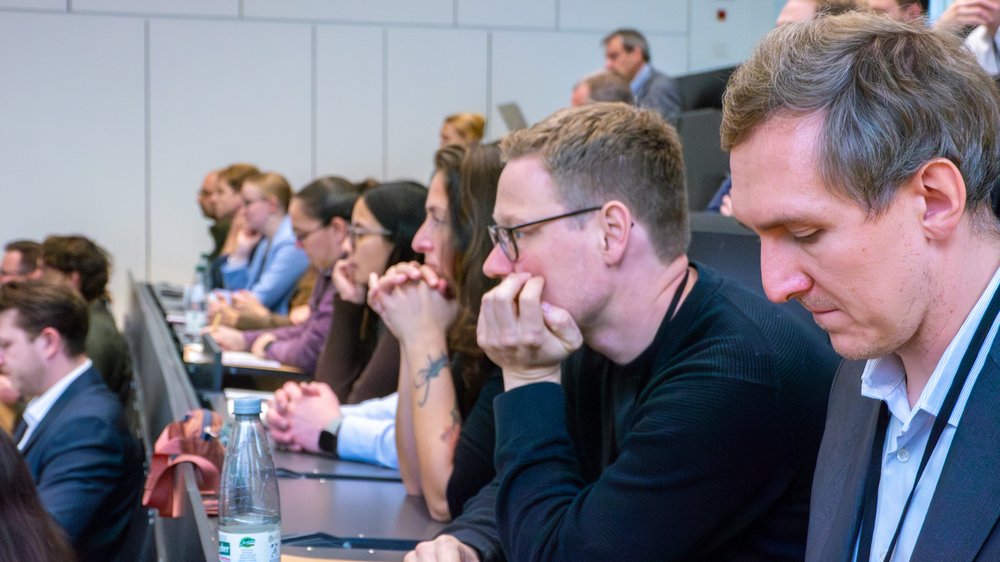
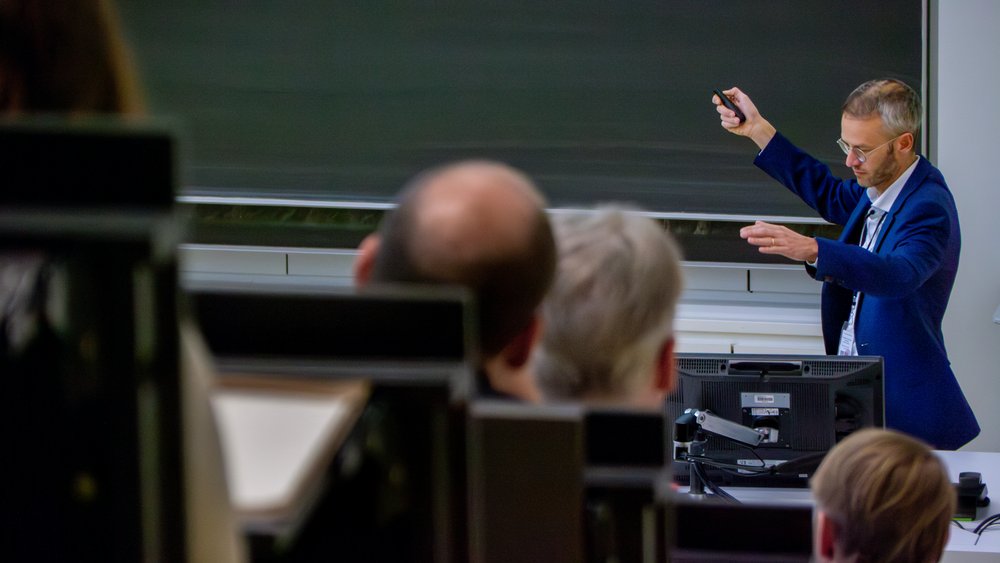
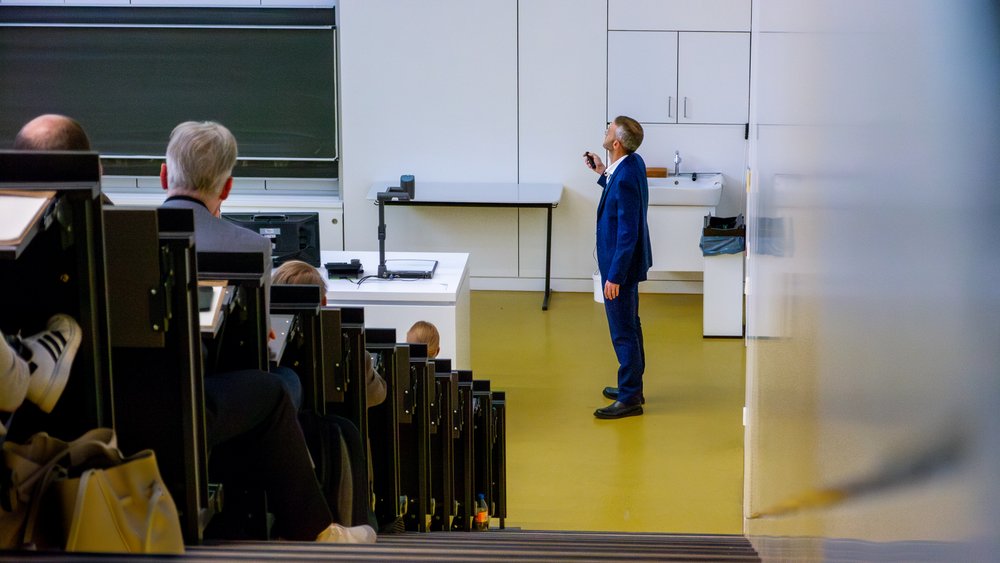
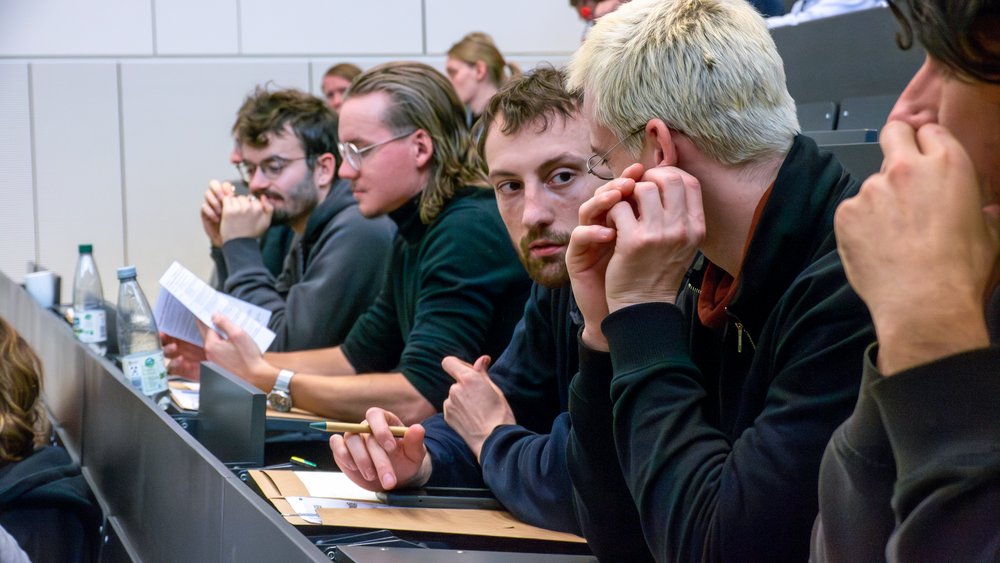
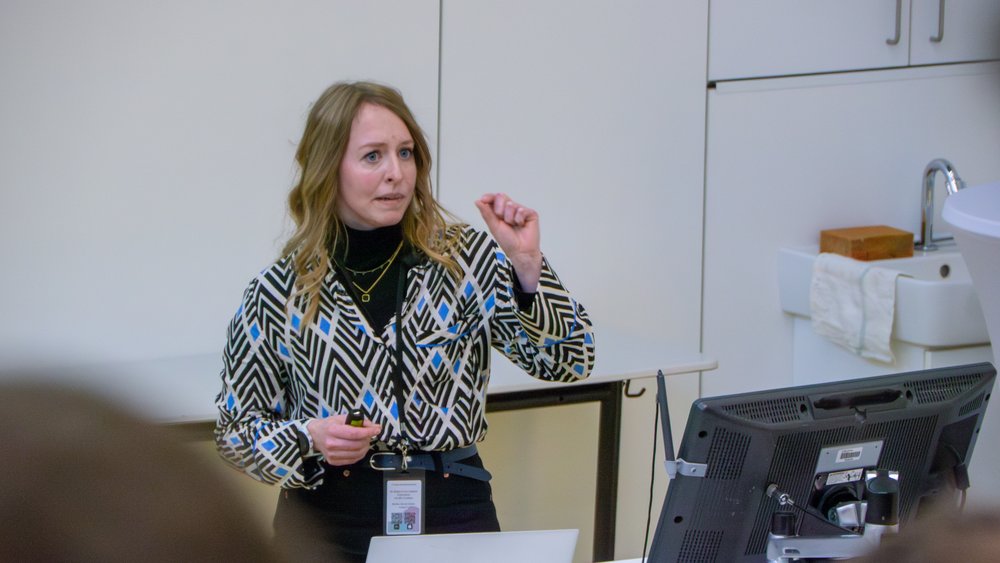
Around 100 experts from Germany, Austria and Belgium gathered on 12 and 13 November 2026 for the 2nd LeiGS at the university’s Nieper Building to exchange views on the key theme of ‘The Digital Future in Geotechnical Engineering’. Current research on data acquisition and processing, as well as best-practice solutions, were presented and discussed across three sessions. Each session was opened by a recognised expert with a keynote speech and complemented by a total of 18 individual presentations. In addition, the winners of the ‘Proctor Prediction Challenge’ data science competition were honoured during the symposium.
From robust data acquisition to digital implementation in geotechnical engineering
The first day of LeiGS focused on methods for geotechnical data collection and interpretation. In the first keynote speech on ‘Digital Transformation in Geotechnical Engineering’, Marcus Daubner from BAUER Spezialtiefbau GmbH provided insights into how far digitalisation has already progressed on construction sites and to what extent processes there can already be automated today, as geotechnical engineering has already evolved into a “data-driven business”. Five further presentations focused on methods for collecting and ensuring the quality of geotechnical data. For example, new optical measurement methods for large-scale compaction machinery and in the field of tunnel construction were introduced, and results from long-term measurements on spoil heaps were presented.
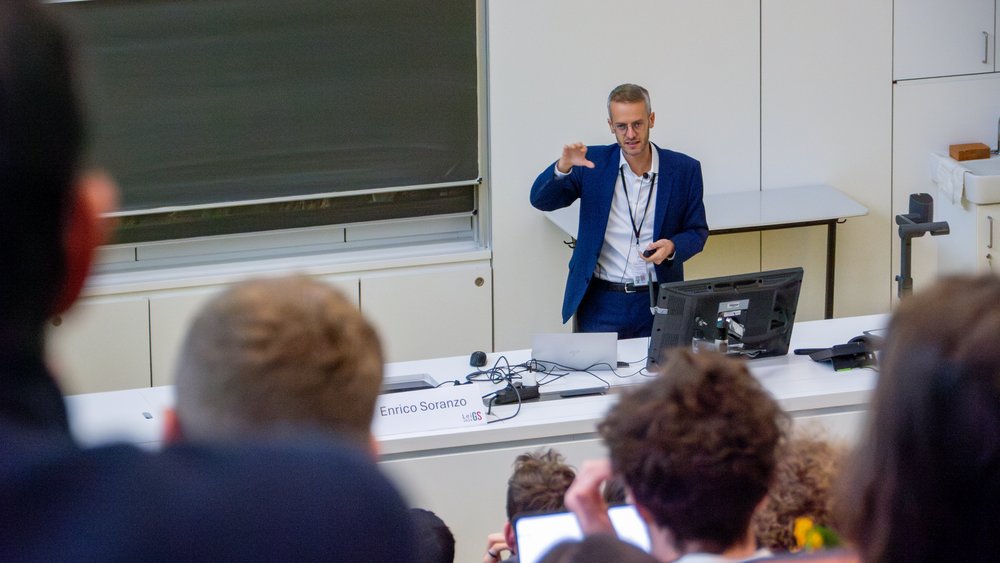
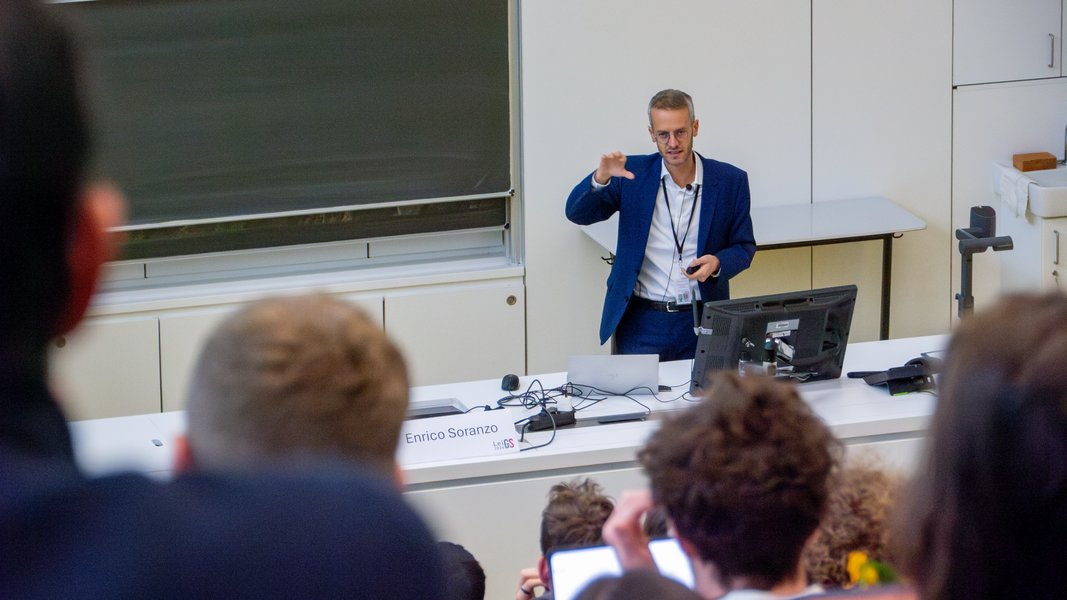
Session 2 focused on the processing of the collected data. The speakers highlighted new opportunities arising from the revision of Eurocode 7 and user-friendly machine learning methods: from physically informed modelling through performance assessment and validation to surrogate modelling and reliability-based approaches for large datasets. Among other things, Dr Enrico Soranzo, Senior Scientist at the University of Sustainable Resources and Life Sciences in Vienna (BOKU), had already presented a web-based solution for the real-time prediction of the particle size distribution of mineral soils using a smartphone in his keynote speech on ‘Web-based AI for the real-time prediction of particle size distribution’. Dr Enrico Soranzo, Senior Scientist at the University of Natural Resources and Life Sciences, Vienna (BOKU), presented a web-based solution for the real-time prediction of particle size distribution in mineral soils using smartphone images.
Data Science Competition
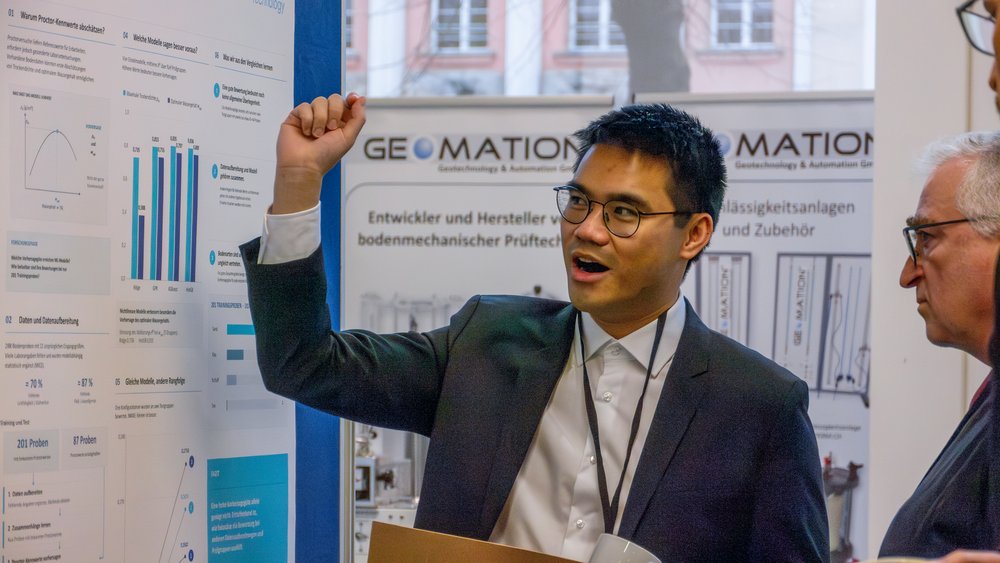
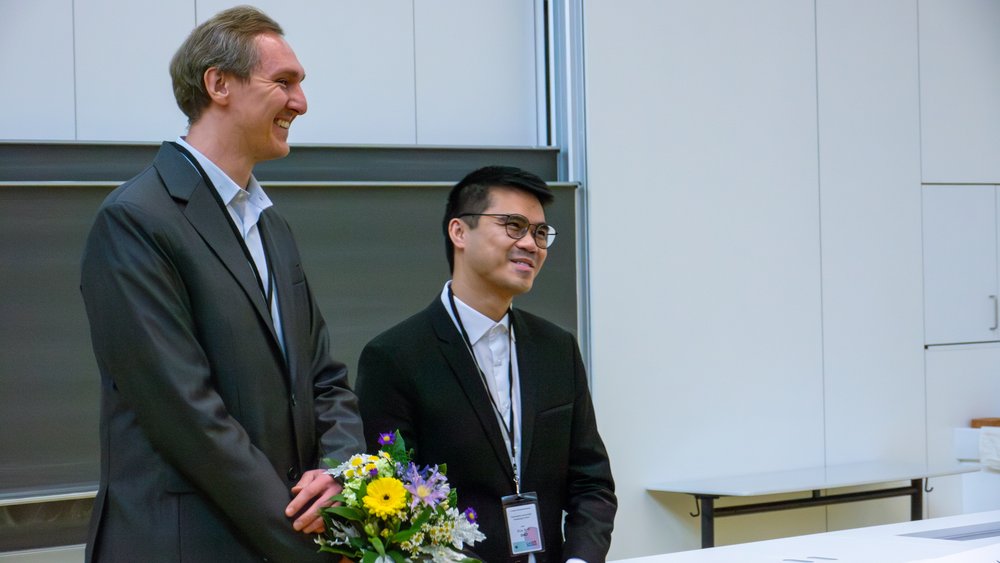
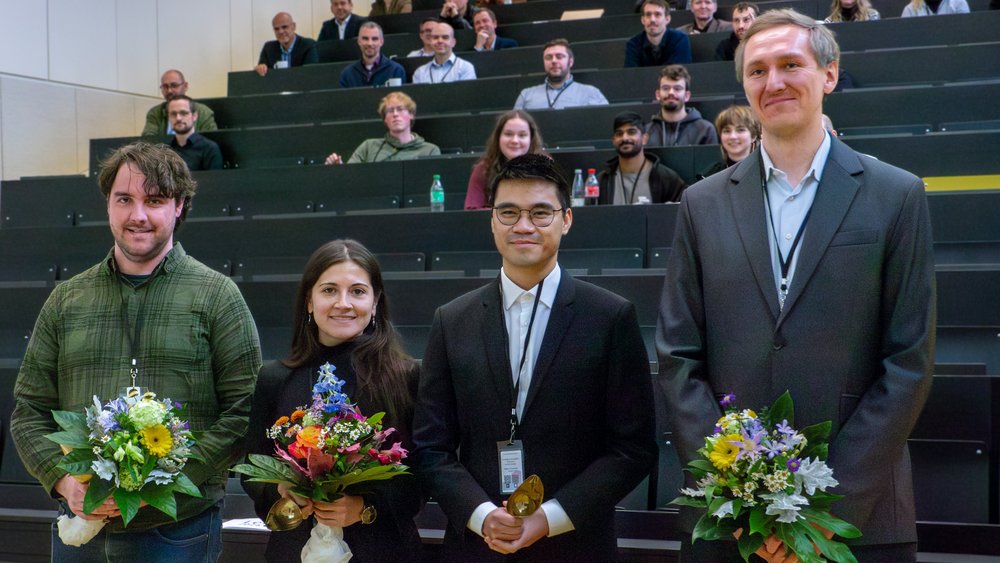
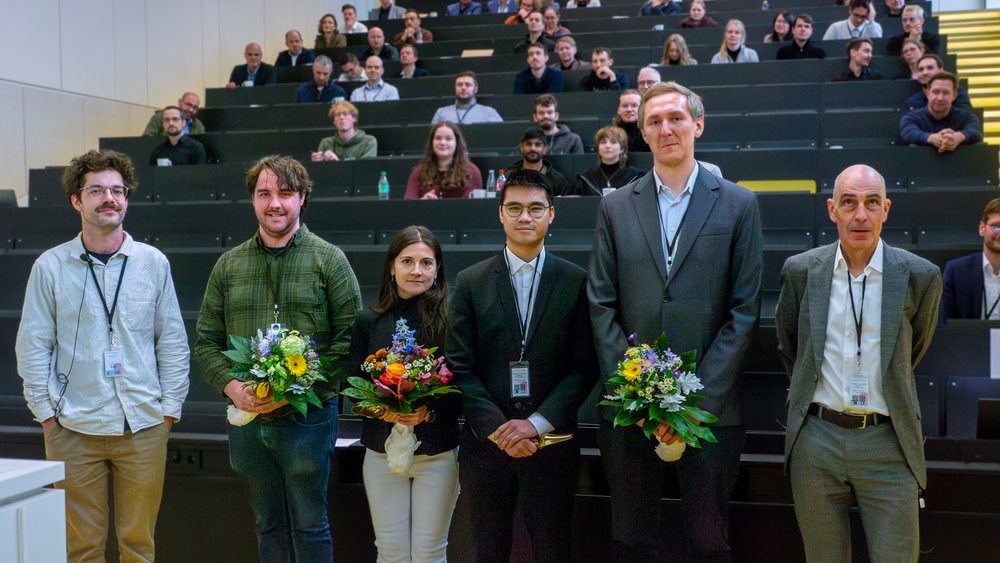
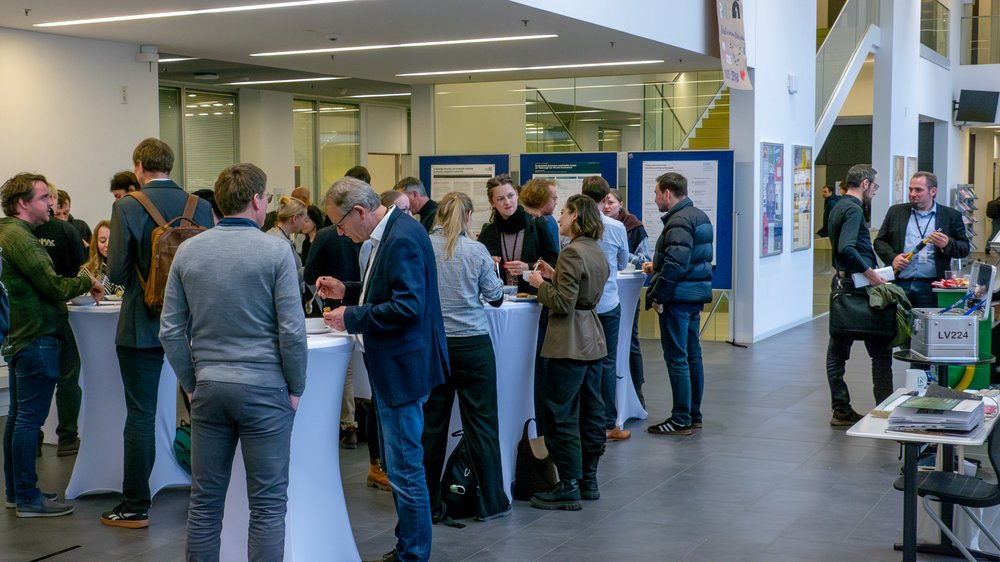
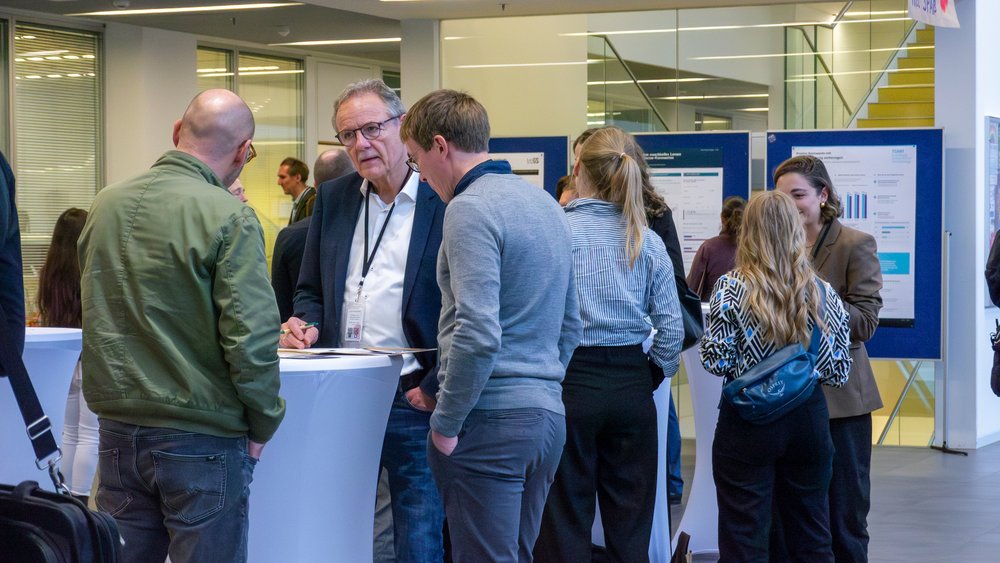
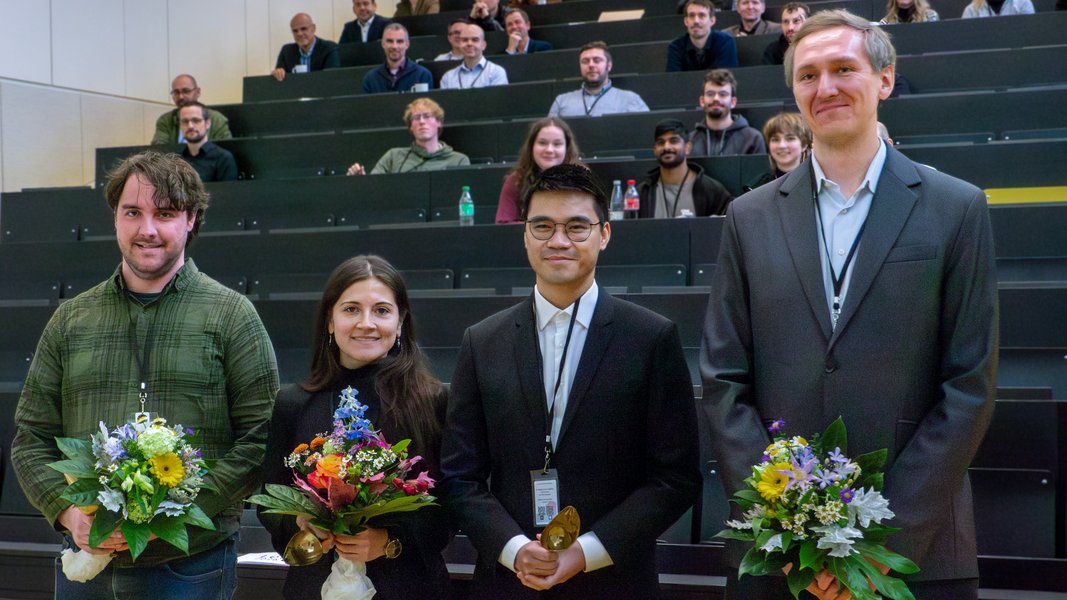
“In geotechnical engineering, there is an ever-increasing demand for the ability to analyse complex datasets, develop reliable models for predicting previously unknown data, and critically evaluate the results in the light of soil mechanics knowledge. To promote these skills, we have launched a data science competition. The competition aims to demonstrate what is already possible today and how new innovations in data processing can be implemented using simple methods,” explains Dr Alexander Knut, who heads the Geonetic research group at the Institute of Geotechnical Engineering. In this interactive competition format, participants were tasked with processing data from the soil mechanics research laboratory at HTWK Leipzig and estimating the Proctor density and the optimum moisture content. Dr María José Toledo Arcic emerged victorious from among the approximately 160 entries. Second place went to a team from Belgium and Japan (Ward Vanderpitte and Harish Paneru). Third place went to a team from the TUHH (Kacpar Cerek and Duy Anh Dao). The top three teams were honoured at the event and had the opportunity to discuss their solution with all participants during a poster session.
Publications and Outlook
All papers will be published as open access in a conference proceedings volume on Qucosa.